10-Month Sleep Regression: Night Wakings and Nap Drama

Sarah Mitchell
Sarah Mitchell is a Registered Pediatric Nurse and a mother of three who has spent over a decade helping families navigate the beautiful, chaotic early years of childhood. She combines evidence-based medical knowledge with real-world parenting experience to offer practical, compassionate advice. At Awesome Parent, Sarah's mission is to help exhausted parents find solutions, trust their instincts, and finally get some sleep.
If your once-decent sleeper is suddenly popping up all night like it’s their job, welcome to the classic (and deeply annoying) “10-month sleep regression”. Quick note from your pediatric nurse mom corner: this is a common parenting label, not a formal medical diagnosis. But sleep disruptions very commonly show up around 9 to 12 months thanks to a perfect storm of big motor skills, big feelings, and a growing opinion about naps. The result can look like frequent night wakings, early mornings, and naps that feel like a negotiation.
Take a breath. Most of the time, this is a short-lived developmental speed bump, not a sign you “broke” sleep. Let’s walk through what’s happening, what to change (and what not to), and how to tell regression from an ear infection or other real problem.
Quick safety note: This article is general education, not medical advice. If you’re worried about illness, pain, breathing, or a sudden change that feels off, call your pediatrician.
What it can look like
Not every baby has a textbook regression, but these patterns show up a lot at 9 to 11 months:
- More night wakings (some babies wake every 1 to 3 hours, others just have a couple extra wakes)
- Long stretches awake at night (quiet babbling, practicing standing, or protesting loudly)
- Nap fighting even when your baby is clearly tired
- Short naps (30 to 45 minutes) or naps that only happen with extra help
- Early morning wake-ups (hello, 5:15 AM)
- New clinginess at bedtime or when you leave the room
In clinic, parents often tell me, “But nothing changed.” And that’s the point. Your baby changed.
Why it happens
1) Crawling, cruising, and standing practice
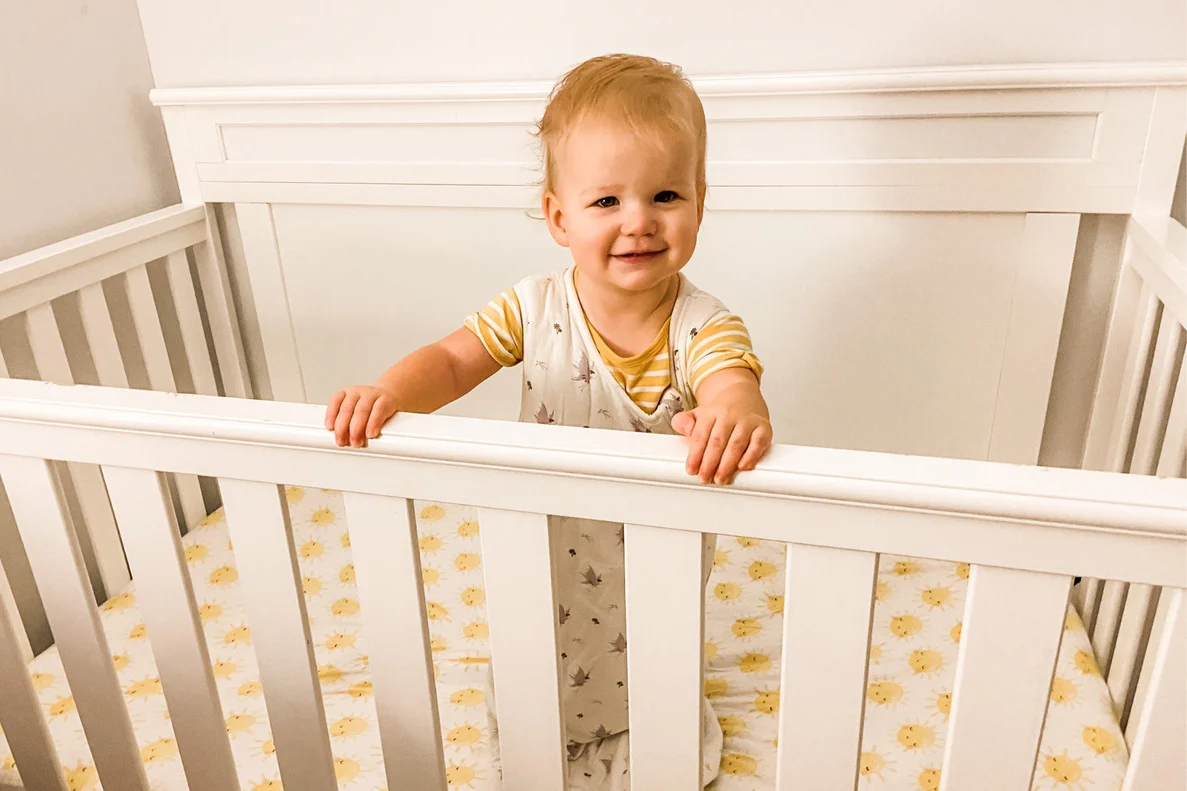
Motor skills explode around this age. Many babies are crawling fast, pulling to stand, cruising along furniture, and learning how to lower themselves safely. Their brains want to rehearse these skills… sometimes at 2 AM.
If your baby is pulling up in the crib and getting “stuck,” it can trigger repeated wake-ups. It’s not always fear. Sometimes it’s frustration, sometimes it’s excitement, and sometimes it’s just: “Look what I can do!”
2) Separation anxiety ramps up
Separation anxiety commonly increases between 9 and 12 months. Your baby now understands that you exist even when you’re not in the room, and they have strong opinions about that.
This can lead to:
- Crying the moment you set them down in the crib
- Waking up and needing reassurance that you’re still nearby
- Short naps because they wake between sleep cycles and panic when you’re not there
3) Schedule pressure and false alarms about dropping a nap
At 10 months, most babies still do best on two naps. But wake windows stretch, bedtime may drift later, and some babies start acting like they’re ready for one nap when they’re not. An overtired baby can look “wired,” fight sleep, and then wake more overnight.
4) Teething and minor discomfort
Teething can contribute to rough nights, but it’s rarely the only factor for weeks on end. Think of teething as a volume knob, not the whole song.
Regression or illness?
As a pediatric nurse, this is my favorite sanity-saving question: Is this developmental… or is my baby hurting?
More likely a sleep disruption phase
- Baby is happy and playful during the day
- No fever
- Normal appetite overall (maybe a little picky, but still drinking well)
- Wake-ups are inconsistent or seem related to needing help falling back asleep
- New skills or clinginess are clearly peaking
More likely pain, ear issues, reflux flare, or illness
- Fever or new rash
- Ear symptoms: pulling at ears plus irritability, new congestion, worse sleep when lying flat, or waking with sharp crying
- Persistent congestion or cough affecting breathing at night
- Vomiting, diarrhea, fewer wet diapers, or signs of dehydration
- Sudden screaming that feels out of proportion and is hard to soothe
- Daytime behavior changes: unusually sleepy, inconsolable, or not acting like themselves
If you’re seeing the illness side of the list, trust your gut and check in with your pediatrician.
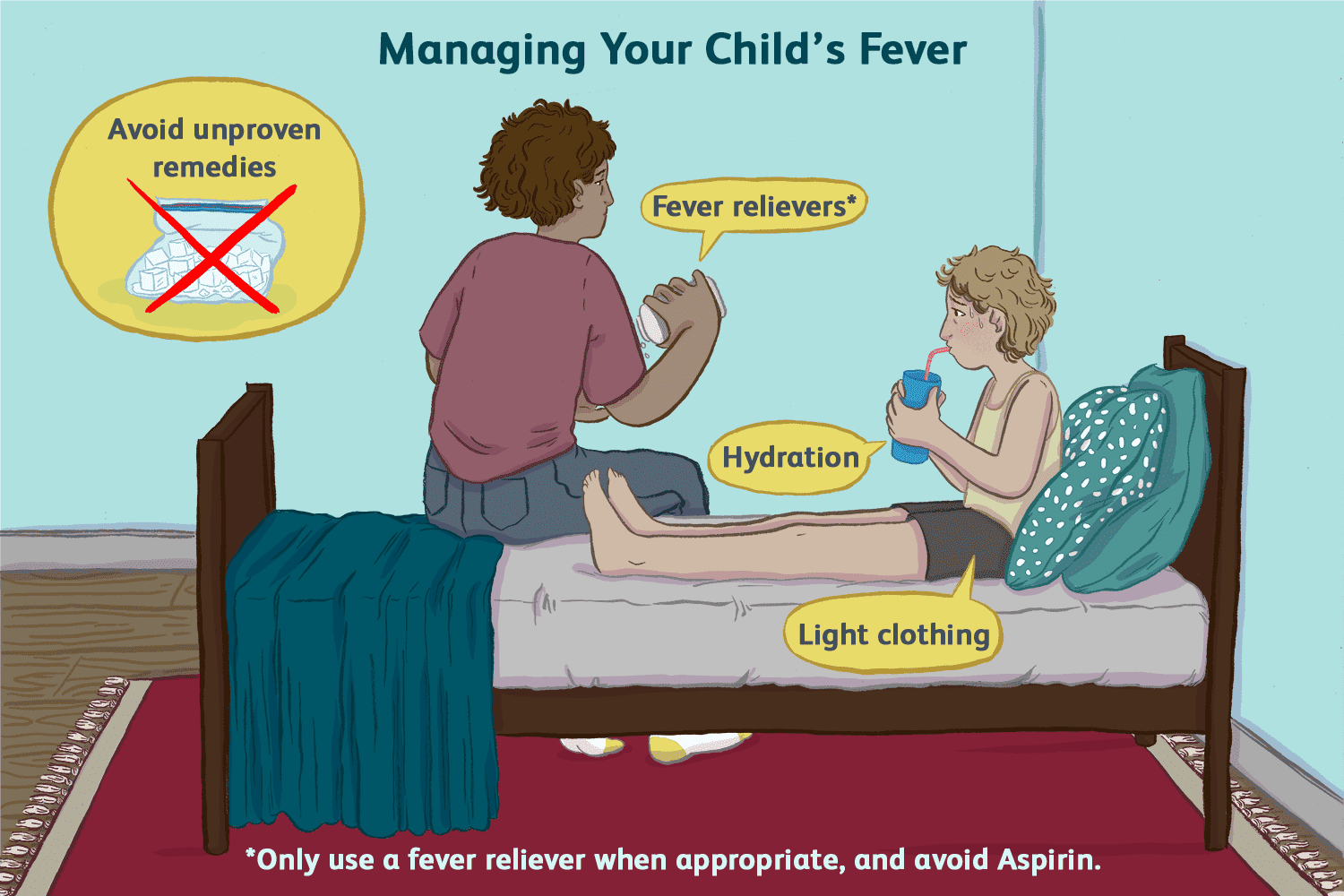
Fever clarity: Fever guidance is age-specific. In general, babies under 3 months with a rectal temp of 100.4°F (38°C) or higher should be evaluated urgently. For older babies, thresholds and urgency vary based on symptoms and history, so when in doubt, call your child’s clinician.
Schedule tweaks that help
When sleep falls apart at this age, the schedule is often the easiest high-impact fix. You’re aiming for enough sleep pressure for naps and bedtime, but not so much that your baby tips into overtired chaos.
Wake windows are simply the amount of time your baby is awake between sleeps. Most 10-month-olds do best with fairly consistent windows, but there is a wide range of normal.
A typical 10-month schedule (two naps)
- Wake time: around 6:00 to 7:00 AM
- Wake windows: about 3 to 4 hours (varies by baby)
- Nap 1: late morning
- Nap 2: mid-afternoon
- Bedtime: often 7:00 to 8:00 PM
Total day sleep is commonly around 2 to 3 hours, but there’s a wide normal range.
If naps are short
- Try slightly shorter wake windows for a few days. Short naps often mean “overtired,” though they can also be from being a bit undertired or from light, noise, or inconsistent nap routines.
- Protect bedtime. An earlier bedtime can be magical when naps fall apart.
- Avoid the late catnap trap (like a 5:30 PM snooze) unless you’re intentionally using it as a brief rescue nap to prevent meltdown. If you do it, keep it short and expect bedtime to shift later.
If bedtime battles are brutal
- Check the last wake window. Too short can cause fighting. Too long can cause frantic, wired crying and more night wakings.
- Move bedtime earlier for 3 nights and watch what happens. Many babies sleep better when they’re not running on fumes.
If early mornings are creeping in
- Look at bedtime. Counterintuitive but true: overtired babies often wake earlier.
- Cap the last nap if it runs too late (for many babies, ending by around 4:00 to 4:30 PM helps bedtime).
- Keep the room dark until your desired wake time. Morning light is a powerful cue.
Standing in the crib
This is the part where your baby turns into a tiny gym enthusiast at bedtime.
Practice during the day
- Give lots of floor time to crawl, cruise, and climb safely.
- Specifically practice how to sit back down from standing. Many babies can pull up before they can lower smoothly.
At night, keep it boring and consistent
- If they’re standing and upset, you can help them lie back down once with minimal talking and lights off.
- Then give a moment to see if they can settle. Repeatedly laying them down every 30 seconds can turn into a game.
If your baby is happily standing and chatting, treat it like a brief party you are not attending. Many babies eventually flop down and fall asleep once the novelty wears off.
Separation anxiety solutions
At 10 months, your baby may need more reassurance. The trick is offering comfort without accidentally teaching, “I can only sleep if you do the full bedtime routine again at 1 AM.”
Build connection into the routine
- Keep bedtime routine predictable: bath (optional), pajamas, feed, book, song, crib.
- Add a small connection ritual: a cuddle phrase, a consistent goodnight line, or a short “review of the day.”
Use gradual reassurance
- If your baby cries when you leave, try a brief check-in approach: pop in, soothe for 20 to 60 seconds, then leave again.
- Keep your voice calm and your body language confident. Your baby is reading you like a bestseller.
Comfort items and safe sleep
This is an important safety point: the AAP recommends a bare sleep space for babies under 12 months. That means no loose blankets, pillows, bumpers, stuffed animals, or lovies in the crib.
If you want a “comfort” option that stays within typical safe sleep guidance, consider:
- A sleep sack for cozy warmth without loose blankets
- A pacifier, if your baby takes one (and if it falls out at night, you do not need to play pacifier concierge all night unless you choose to)
If you’re unsure what is safest for your baby’s setup, ask your pediatrician. I love a personalized answer here.

Avoid new sleep crutches
When you’re exhausted, it’s tempting to add new tools: extra feeds, rocking to fully asleep, bringing baby into your bed, driving around for naps. Sometimes you truly need a survival night, and I’m not here to shame that.
But if the disruption is lasting more than a few days, new sleep crutches can become the reason the wake-ups continue.
Common “helpful” habits that can backfire
- Feeding every wake-up when your baby previously didn’t need it
- Rocking fully to sleep for every nap and bedtime
- Replacing a pacifier all night (unless baby can reliably replace it)
- Contact naps only when crib naps used to work
A better goal
Aim for: Put baby down calm and ready for sleep when possible, and keep your response to night wakings consistent.
Some babies do well with “drowsy but awake.” Others do better with a little more support. You can absolutely comfort your baby. Just try not to introduce a brand-new “must-have” at every single wake-up.
About bedsharing
If you are considering bringing your baby into your bed, know that this is a safety-sensitive topic. The AAP advises room-sharing without bedsharing for infants. If bedsharing is happening, talk with your pediatrician about ways to reduce risk. And please do not fall asleep with baby on a couch or recliner, which is especially dangerous.
Night waking game plan
If you’re staring at the monitor at 3 AM wondering what to do, here’s a straightforward approach:
- Pause for 60 to 90 seconds if baby is safe and not escalating. Many babies resettle briefly between sleep cycles.
- Check basics: diaper leak, too cold or hot, stuck standing, signs of sickness.
- Comfort in the least stimulating way that works: hand on chest, shushing, brief cuddle, then back down.
- Keep it dark and boring. Nighttime is for sleeping, not for a full reunion tour.
- If you suspect hunger, feed, but try to keep it businesslike and avoid turning it into a long hangout.
One more nuance: some 10-month-olds still legitimately need a night feed, especially if weight gain has been a concern or daytime intake is inconsistent. If you’re unsure, your pediatrician can help you decide what makes sense for your baby.
Consistency for 5 to 7 nights often tells you a lot. If things steadily improve, you’re on the right track.
Nap refusal
Nap refusal at 10 months is common, and it doesn’t always mean they’re ready to drop to one nap.
Try these nap fixes first
- Protect Nap 1. A solid first nap can prevent the whole day from unraveling.
- Use a short wind-down: sleep sack, book, song, same every time.
- Watch the wake window more than the clock. If your baby is melting down, it’s time. If they are happily partying in the crib, they may need a touch more awake time.
- Give it 15 to 20 minutes. If they’re upset, do a brief check-in. If they’re calm and awake, you can reassess.
- Rescue sparingly. An occasional stroller or contact nap is fine. Just try not to make it the only way naps happen for weeks.
If your baby is regularly refusing Nap 2, you can experiment with a slightly earlier Nap 1 or slightly shorter first wake window to preserve sleep pressure later.
How long it can last
Many families see improvement in a couple of weeks, and many see things settle within 2 to 6 weeks, especially with schedule tweaks and consistent responses. But there’s a lot of variability, and there isn’t a perfect evidence-based countdown timer for regressions.
If sleep disruption is dragging on, it’s worth looking at:
- Ongoing discomfort (ears, reflux, eczema itch, constipation)
- A schedule that is consistently asking for too much or too little sleep
- New sleep associations that are now required to fall back asleep
- Environmental factors like light leakage at dawn, inconsistent white noise, travel, or big routine changes
When to call the pediatrician
Call your pediatrician if you notice:
- Fever, trouble breathing, dehydration, or vomiting
- Ear pain signs, especially after a cold
- Snoring with pauses in breathing or persistent noisy breathing at night
- Inconsolable crying that feels like pain
- Your baby is not gaining weight well or feeding has significantly changed
If you’re simply unsure, it’s still a valid reason to call. A quick check can save you nights of second-guessing.
A quick pep talk
This stage is intense because your baby is becoming a tiny person with mobility, preferences, and a surprisingly strong attachment to you. That’s not a problem. It’s development.
Pick a simple plan you can repeat when you’re half-awake, give it a solid week, and do not let one terrible night convince you nothing works. Sleep at 10 months can be messy, but it is fixable. And you are not failing. You’re parenting a baby who just learned they can stand up in the dark and demand an audience.