Frequent night wakings, nap protests, and a baby determined to practice standing at 2 AM? Here’s what’s common at 9–12 months, what to tweak, and when ...
11-Month Sleep Regression

Sarah Mitchell
Sarah Mitchell is a Registered Pediatric Nurse and a mother of three who has spent over a decade helping families navigate the beautiful, chaotic early years of childhood. She combines evidence-based medical knowledge with real-world parenting experience to offer practical, compassionate advice. At Awesome Parent, Sarah's mission is to help exhausted parents find solutions, trust their instincts, and finally get some sleep.
If your baby is 11 months old and sleep has suddenly gone sideways, you are not imagining it. This age is famous in my house for what I call “pre-toddler wobbles” where your baby’s brain is busy learning to stand, cruise, maybe take a step or two, and also rediscovering their deep opinion that you should not leave the room. Ever.
The good news: most 11-month sleep disruptions are temporary and tied to development. The tricky part is knowing when to hold steady and when a small schedule tweak will save everyone’s sanity.

What an 11-month sleep regression is
Sleep regressions are less like a switch flipping and more like your baby’s sleep getting bumped by big changes: new skills, new emotions, new routines, new teeth, new germs, new everything.
At 11 months, the usual drivers are:
- Motor leaps: pulling to stand, cruising, climbing, practicing in the crib
- Separation anxiety ramp-up: more protest at bedtime and more crying when they notice you are gone
- Nap schedule pressure: wake windows lengthen and one nap may start looking tempting, but many babies are not ready yet
- Sleep associations getting louder: if baby needs rocking, feeding, or a pacifier replacement to fall asleep, they may need the same help between sleep cycles
In clinic, I used to tell parents this: sleep is a skill, and development is a construction zone. Some weeks, the detours are unavoidable.
Signs you are in the 11-month phase
- More night wakings, especially in the second half of the night
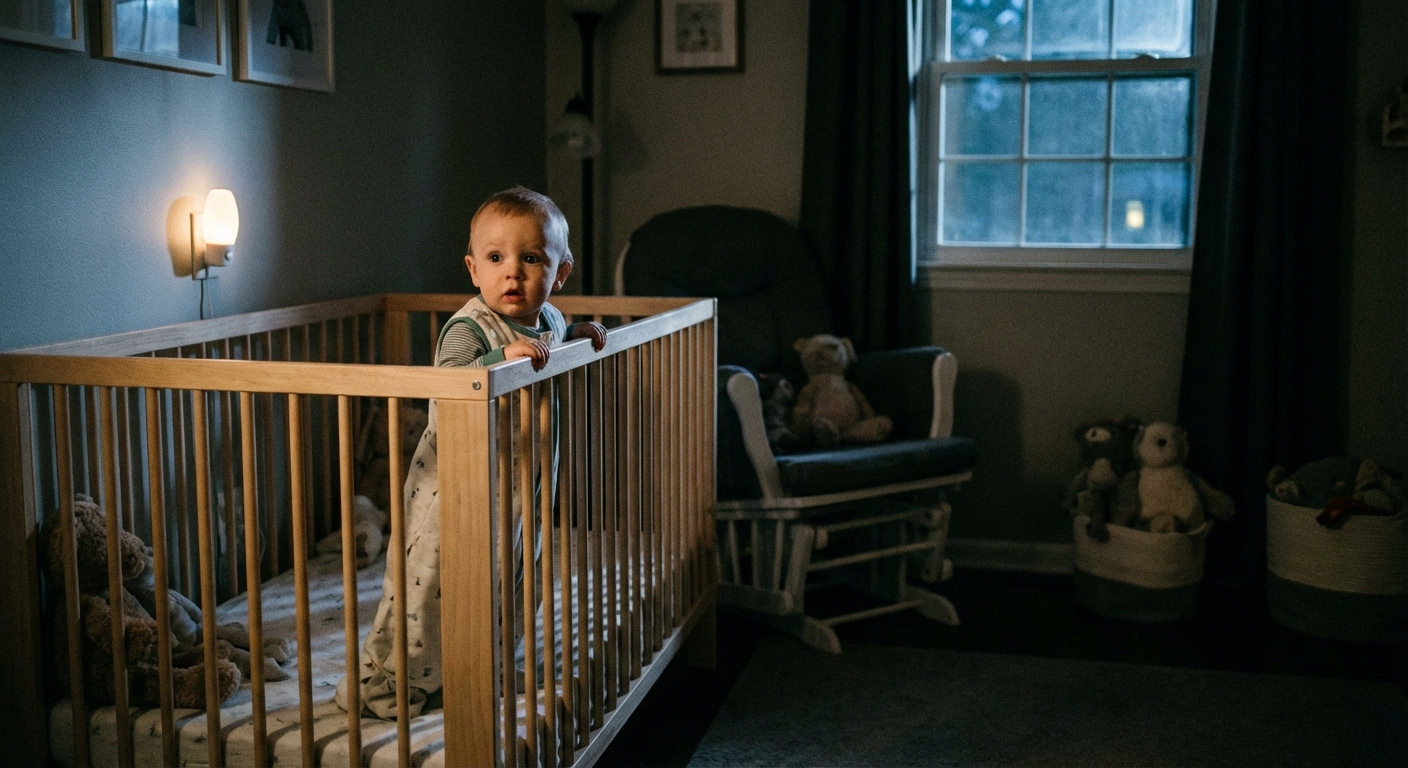
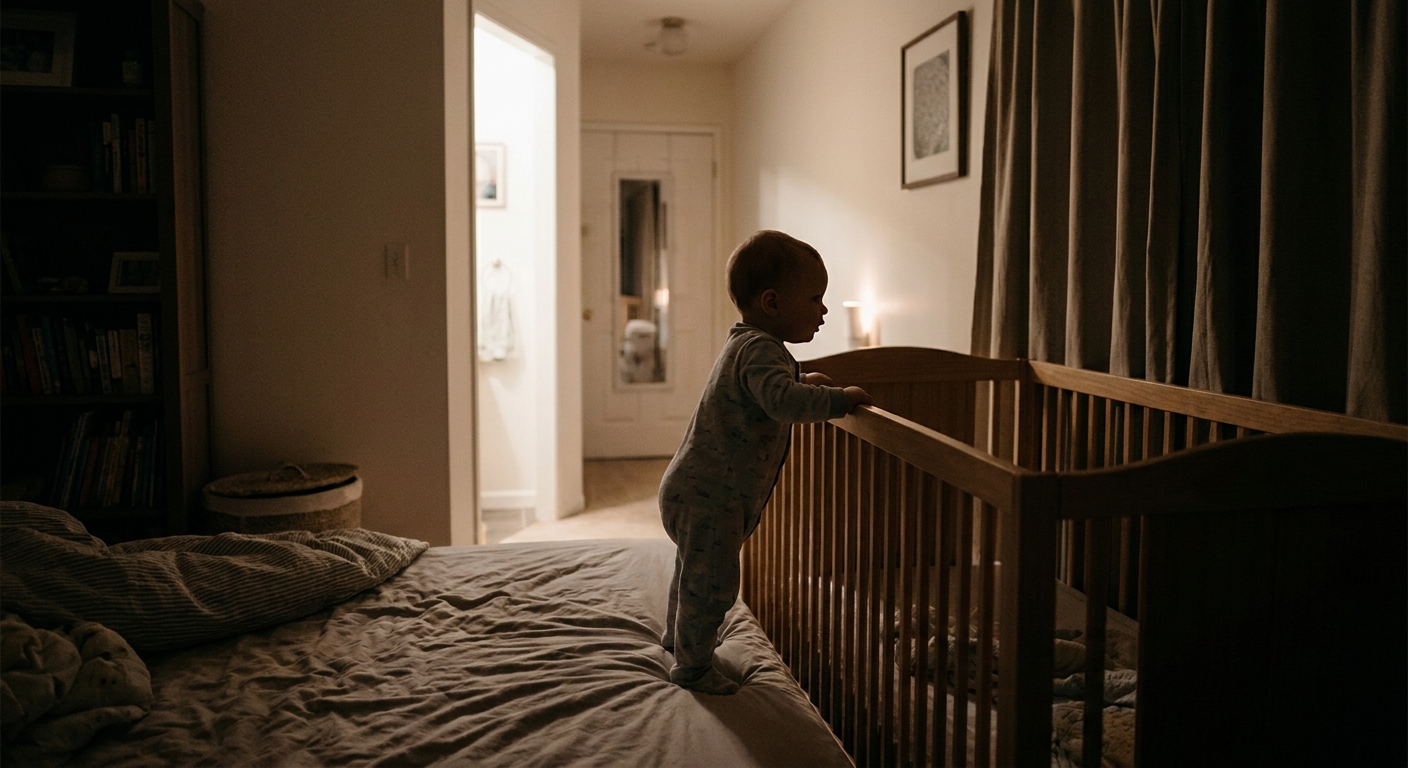
- Standing up in the crib and crying, sometimes unable to lie back down
- Short naps or nap refusal that feels random
- Bedtime battles that were not there two weeks ago
- Early morning wakes (hello, 5:15 AM)
- Clinginess during the day and tears when you step away
If your baby is otherwise well, growing, and acting like their usual self when awake, this is often developmental and not a sign you “broke” sleep.
Why cruising can wreck sleep
New motor skills are exciting, but they also rev up the nervous system. Many babies practice their new trick at the worst possible times, like 2 AM.
Standing in the crib
Some babies can pull up but cannot reliably get back down. That creates a perfect storm: they stand up, panic, cry for rescue, and everyone loses sleep.
What helps:
- Practice “down” during the day. Turn it into a game on the floor with a stable, low surface (like an ottoman or the sturdy edge of a sofa) while you support them: “Up… and down.” Help them bend knees and lower.
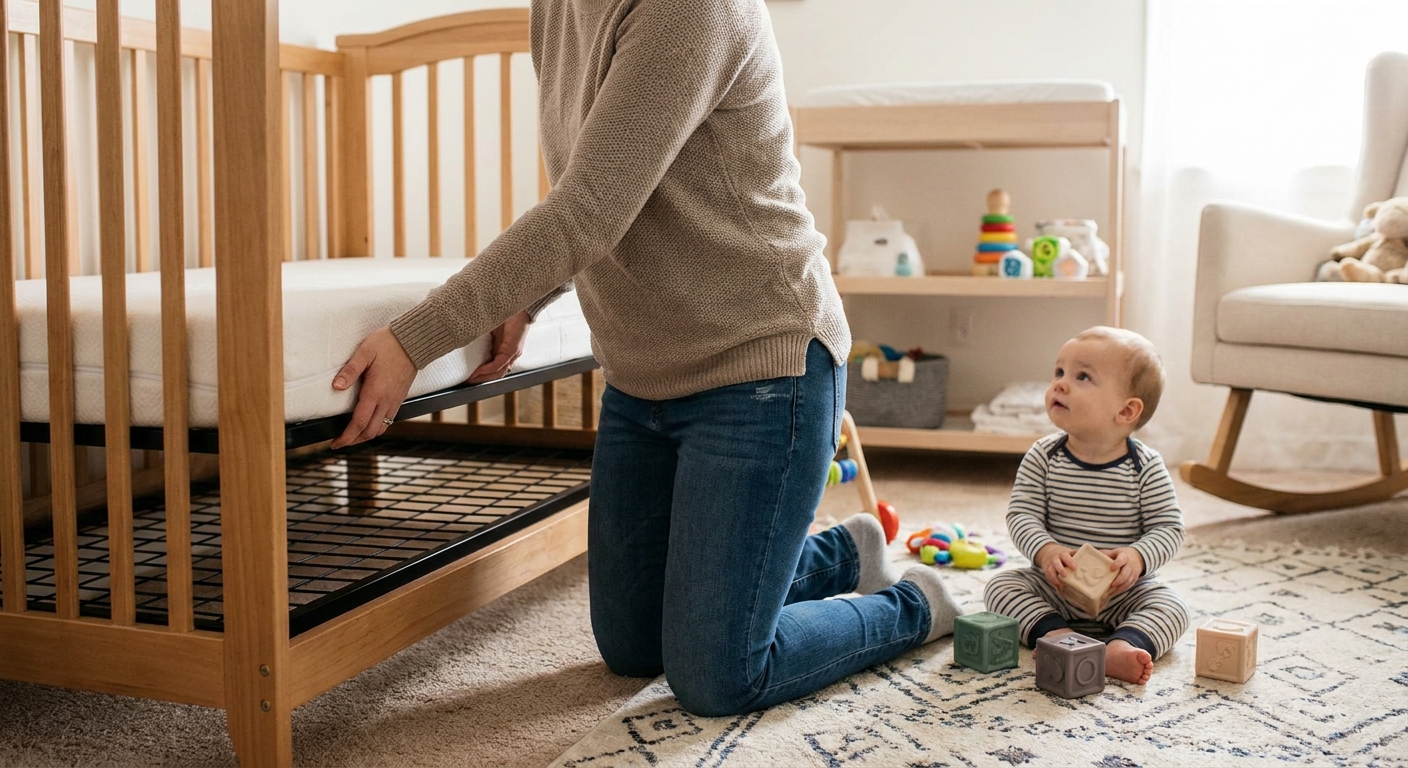
- Make the crib safe for standing. Lower the mattress to the proper height, remove pillows and bumpers, and keep sleep sacks appropriately sized. Skip weighted sleep sacks or weighted blankets.
- Pause before intervening at night. Some babies will sit or fall back down on their own if given a minute.
- If you go in, keep it boring. Lay baby down, quick phrase, and out. Avoid turning it into playtime.
Practice time at bedtime
If bedtime turns into a standing and bouncing party, your baby may need more wind-down time and a schedule check. A slightly earlier bedtime can help if they are overtired, but a slightly later bedtime can help if they are under-tired. See the wake-window section below for how to tell the difference.
Separation anxiety at bedtime
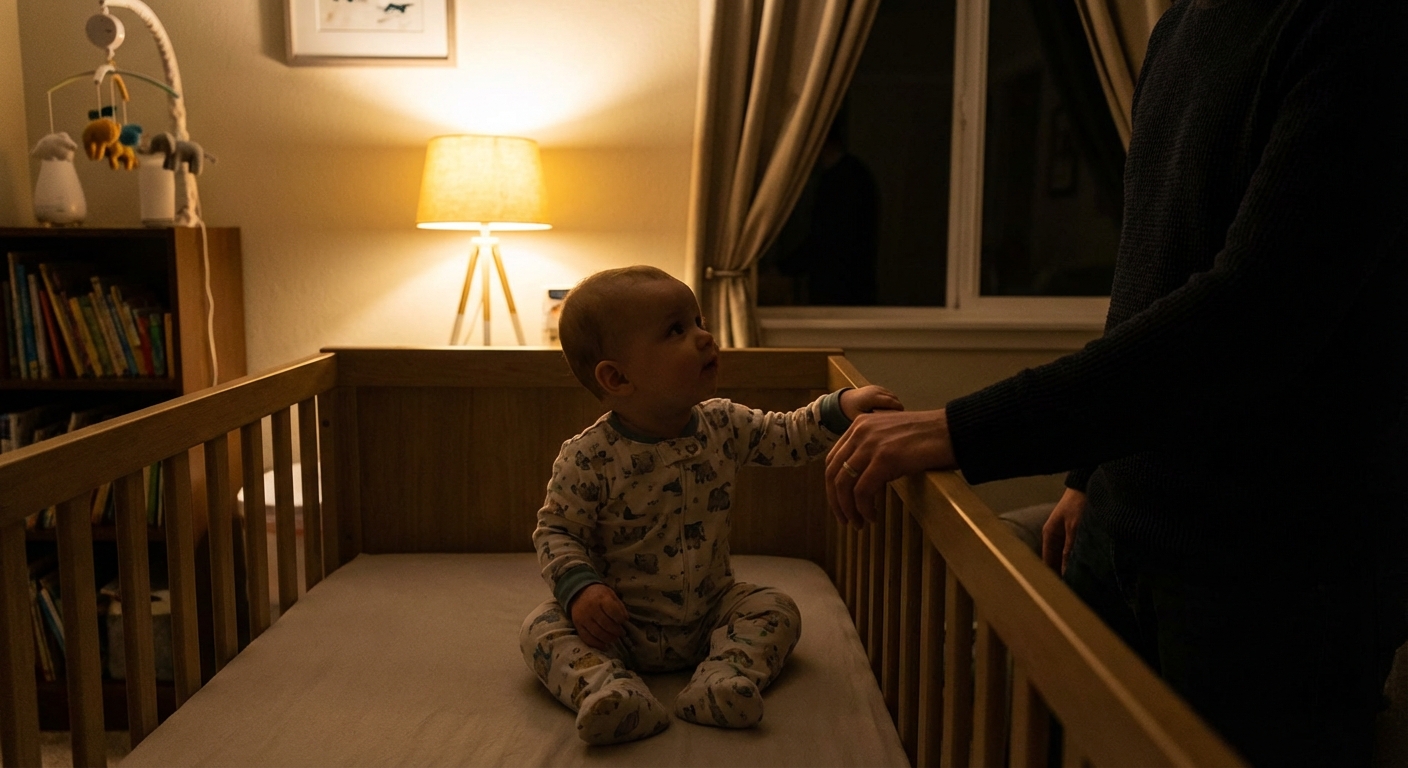
Separation anxiety is healthy development, even though it feels like emotional sabotage at bedtime. Around 8 to 12 months, many babies realize you can leave and that they would prefer you not.
Signs separation anxiety is a main driver:
- Crying ramps up when you move toward the door
- They settle quickly if you pick them up, then cry again when you put them down
- They are extra clingy during the day too
How to respond without creating a new sleep problem
- Be predictable. Same steps, same order, same short goodnight phrase.
- Use a check-in style response if needed. Brief reassurance at increasing intervals can help some babies. Keep it short and calm.
- Practice separations during the day. Tiny reps help: “I’m going to the bathroom. I’ll be right back.” Then return promptly.
- Keep reunions low-key at night. You are not doing anything wrong by comforting your baby, but try not to add extra entertainment.
My triage-nurse brain loves a good checklist, but my mom brain knows this part is emotional. If your baby needs a little extra reassurance for a week, that does not mean you have ruined sleep forever.
Should you switch to one nap?
This is the pressure point for many families. Naps get messy, and it is tempting to assume the answer is one nap. Many 11-month-olds still need two naps. A true one-nap transition often happens somewhere around 12 to 18 months, with many babies landing closer to the middle of that range.
Signs your baby is not ready yet
- They cannot comfortably stay awake 5 to 6 hours without melting down
- They get a second wind then crash hard in late afternoon
- They take one long midday nap but bedtime becomes a disaster
- Early morning waking gets worse after trying one nap
Signs you might be getting closer
- Both naps are consistently short for 1 to 2 weeks despite a solid routine
- It regularly takes 30+ minutes to fall asleep for naps
- Bedtime is pushed very late because the second nap ends late
- They handle longer wake windows without getting overtired
My practical advice: At 11 months, try to save the two-nap schedule with small tweaks before you drop to one. One nap too early often creates a cycle of overtiredness that looks like a regression but lasts longer.
Wake windows: tweak or wait?
Here is the decision point most exhausted parents need. If the sleep disruption started suddenly and lines up with a new skill (standing, cruising, first steps), you can often hold the schedule steady for 7 to 14 days while focusing on daytime practice and consistent bedtime routines.
When to wait it out (mostly)
- Sleep was stable and changed abruptly
- Baby is clearly in a motor leap and practicing in the crib
- Naps are still happening, just a bit shorter
- Bedtime is reasonable and baby seems tired at the usual times
When a small change helps
- Baby is taking forever to fall asleep for naps or bedtime most days
- Both naps are consistently short (30 to 45 minutes) for 1 to 2 weeks
- Night wakings look like happy awake time, not distressed crying
- Early morning waking is persistent and baby seems ready to start the day
A gentle tweak plan
Adjust one thing at a time for 3 to 5 days.
- Stretch the first wake window by 10 to 15 minutes if nap 1 is consistently fought.
- Cap nap 2 (for example, wake by a set time) if it is pushing bedtime too late.
- Protect bedtime. Many 11-month-olds do best with a bedtime that does not drift later and later.
Typical total sleep needs at this age often land around 12 to 15 hours in 24 hours, but individual needs vary. Your baby’s mood, energy, and ability to fall asleep are more useful than chasing a perfect number.

Quick sleep setup check
When I am troubleshooting sleep, I always look at the environment too. These are boring fixes, but they can be powerful.
- Dark: A truly dark room helps early morning sleep. Even small amounts of dawn light can pull wake-ups earlier.
- White noise: Steady and consistent, especially if you have siblings or street noise.
- Comfortable temp: Slightly cool tends to work best. Overheating can equal more wake-ups.
- Safe sleep basics: Firm crib mattress, baby on their back, no loose blankets, pillows, bumpers, or stuffed animals in the crib.
How to handle night wakings
Night wakings can be caused by development, schedule, hunger, or habit. Start with the basics and then get more specific.
Step 1: Quick health check
- Teething: swollen gums, lots of drool, biting everything, extra fussiness, discomfort that may feel worse when trying to fall asleep
- Illness: congestion, fever, ear tugging, unusual irritability
- Reflux or eczema flares: more discomfort than usual
If your baby has labored breathing, signs of dehydration, severe pain, or a dramatic change from baseline, reach out to your pediatrician. Trust your gut.
Step 2: Decide your night response plan
There is no one right plan. The best plan is the one you can repeat consistently at 2 AM.
- If baby is standing and upset: give them a brief chance to work it out, then help them lie down with minimal interaction.
- If baby is clingy and escalating: quick reassurance, then back to sleep. Keep lights low and voice calm.
- If baby is awake and playing: check safety, keep the room boring, and avoid starting a new routine that includes snacks and cartoons.
What about feeds at 11 months?
Some 11-month-olds still take a night feed, especially if they are smaller, have higher needs, or are not eating much during the day. Others are waking out of habit. If you suspect hunger, focus on daytime calories first: solids plus breast milk or formula as recommended by your pediatrician. Many families do well with a simple rhythm of milk feeds plus three meals, with snacks as needed, but every baby is different. If you want to reduce night feeds, do it gradually and loop in your pediatric clinician if there are growth concerns or feeding struggles.
Naps: stop the crumbling
Nap disruption at this age is common, and it is often schedule-related.
Tips that help quickly
- Keep nap routines short and consistent. Diaper, sleep sack, song, crib.
- Offer nap 1 on time. That first nap is the anchor on tough days.
- Rescue a nap occasionally. Contact nap, stroller, or car nap can prevent an overtired spiral. Just try not to make it the only way sleep happens.
- Watch the last wake window. Overtired babies often fight sleep and wake early.
If your baby skips nap 2
Do not automatically jump to one nap. Try:
- Earlier bedtime by 30 to 60 minutes for that day
- Short bridge nap (10 to 20 minutes) in stroller or carrier to protect bedtime, if your baby tolerates it
One bad nap day is not a trend. Two weeks of consistent nap refusal might be.
Early morning wakes: what helps
Early mornings can be the loudest part of this phase. A few levers to try:
- Check light exposure. Darken the room and avoid morning light until your desired wake time.
- Look at bedtime drift. Bedtime that creeps later can trigger early waking for some babies. An earlier bedtime for a few nights can reset things.
- Watch nap 2 timing. A late or long second nap can steal sleep from the early morning. Consider capping nap 2 or ending it earlier.
- Keep your response boring. Treat anything before your target wake time like a night waking: low light, low stimulation, short check-ins if needed.
A sample two-nap day
Every baby is different, so use this as a starting point, not a rulebook. Many 11-month-olds do well with wake windows around 3 to 4 hours, sometimes stretching toward 4 to 4.5 hours before bed.
- Wake: 6:00 to 7:00 AM
- Nap 1: about 3 hours after wake
- Nap 2: about 3 to 3.5 hours after nap 1 ends
- Bedtime: about 4 hours after nap 2 ends
If bedtime is drifting past a time that works for your family, consider capping nap 2 or pulling bedtime earlier. Late bedtimes can backfire at this age and lead to more night waking and early rising.

When it is not a regression
Sometimes the timing is coincidental and something else is going on. Consider other causes if:
- Sleep problems started after travel, a move, daycare changes, or illness
- Snoring, gasping, or very noisy breathing happens regularly
- You see persistent vomiting, poor weight gain, or significant feeding struggles
- Your baby seems uncomfortable in certain positions or arches and cries
If you are worried, check in with your pediatric clinician. You deserve a plan that is specific to your child, not generic internet advice.
When to call the pediatrician
Call your pediatrician or seek urgent care if your baby has:
- Breathing trouble (working hard to breathe, wheezing, bluish lips, or you are worried)
- Signs of dehydration (far fewer wet diapers, very dry mouth, unusual sleepiness)
- Fever guidance questions (especially in babies under 3 months, very high fever, or fever that is not improving as expected)
- Possible ear infection (worsening night pain, tugging, inconsolable crying, drainage)
- A sudden, dramatic change in behavior, feeding, or alertness
If you have a fever plan from your pediatric office, follow that. When you are unsure, it is always reasonable to call.
The bottom line
The 11-month sleep regression is often a mix of cruising practice, separation anxiety, and a schedule that is starting to need tiny adjustments. In most cases, you do not need a full nap overhaul. Focus on daytime skill practice, keep bedtime routines boring and consistent, and make small wake window changes only if sleep is being consistently fought for more than a week.
And if tonight includes an encore performance of “standing in the crib at 1:47 AM,” just know you are in very crowded company. This stage passes, even when it feels like it never will.
Sarah Mitchell
Sarah Mitchell is a Registered Pediatric Nurse and a mother of three who has spent over a decade helping families navigate the beautiful, chaotic early years of childhood. She combines evidence-based medical knowledge with real-world parenting experience to offer practical, compassionate advice. At Awesome Parent, Sarah's mission is to help exhausted parents find solutions, trust their instincts, and finally get some sleep.