2-Year Molars: Symptoms, Timeline, and How to Soothe the Pain

Sarah Mitchell
Sarah Mitchell is a Registered Pediatric Nurse and a mother of three who has spent over a decade helping families navigate the beautiful, chaotic early years of childhood. She combines evidence-based medical knowledge with real-world parenting experience to offer practical, compassionate advice. At Awesome Parent, Sarah's mission is to help exhausted parents find solutions, trust their instincts, and finally get some sleep.
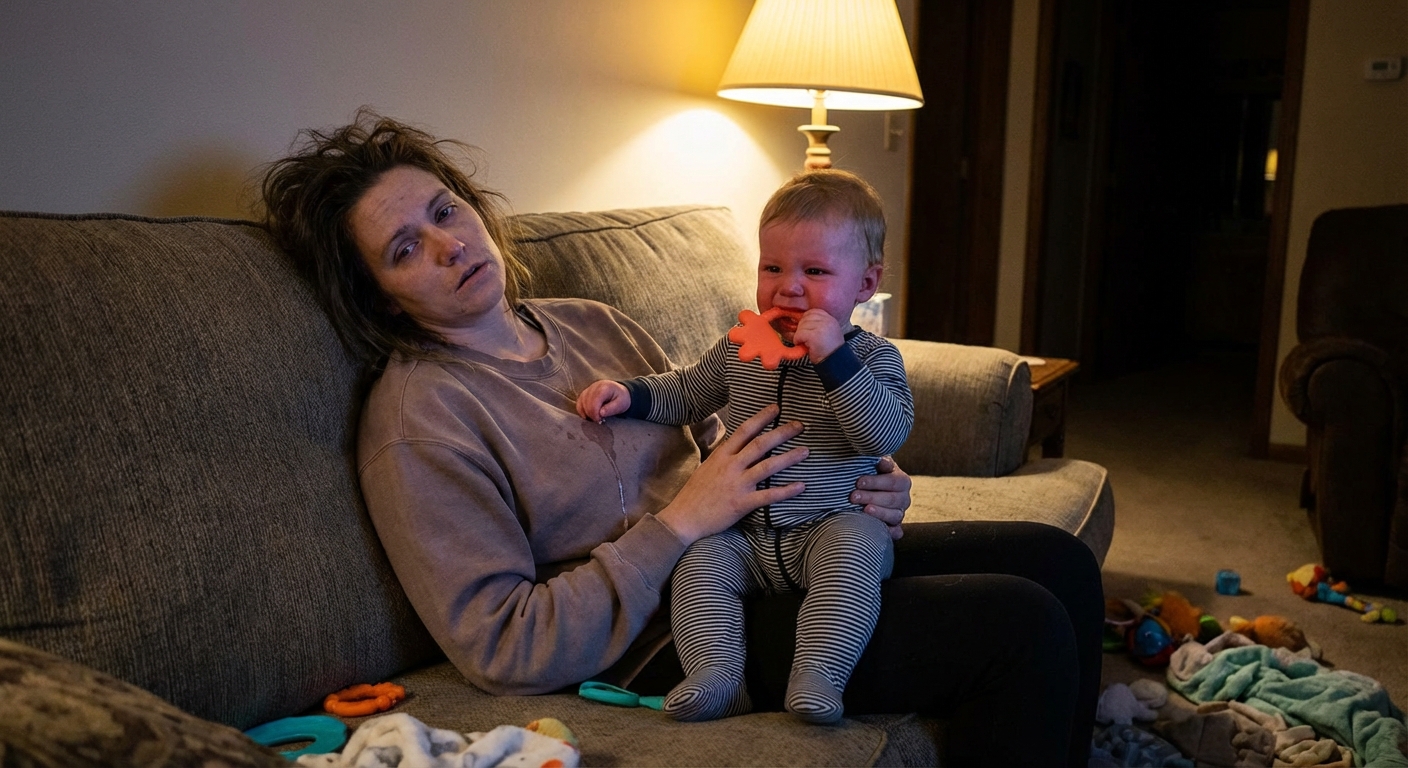
If it feels like your sweet toddler turned into a tiny, moody nocturnal creature overnight, you are not imagining it. The “2-year molars” have a reputation for being a tougher teething chapter. Not because they are magically more painful for every child, but because many parents report more sleepless nights, more chewing, and bigger feelings when these back teeth are on the move.
These molars are wide, they are in the far back where gums can feel extra tender, and they tend to arrive right when your child has big opinions about everything.
Let’s walk through when these molars usually show up, what symptoms are normal, what symptoms are more likely illness (including the classic ear infection confusion), and what actually helps when your kiddo is miserable.
What are 2-year molars?
“2-year molars” is the common name for the second primary molars, the last baby teeth to come in. Your child will get four of them total: upper left, upper right, lower left, and lower right.
Once these are in, most kids have a full set of 20 baby teeth and you get a long break from teething. (Yes, really. A break is coming.)
Timeline: when do they come in?
Most 2-year molars erupt around age 2 to 3. A commonly cited window is roughly 23 to 33 months, but a slightly earlier or later timeline can still be normal. Some kids start closer to 2, others closer to 3, and a few take longer.
Typical order
Many toddlers get the lower second molars first, then the uppers, but the order can vary. It is also common for one molar to partially erupt, pause for weeks, then suddenly pop through more.
How long does it last?
The rough pattern I see again and again: symptoms come in waves. You might get a few rough days, then a calm stretch, then another rough patch when the tooth moves again.
- One molar can cause on-and-off symptoms for 2 to 6 weeks.
- All four molars may stagger out over several months.
If your child is otherwise healthy, eating some, drinking well, and having normal energy in between, that stop-and-start pattern is very typical for molars.

Symptoms (and why they feel intense)
Molars are big, flat teeth. They press on a larger area of gum, and toddlers cannot always explain what hurts. So the symptoms often look more “whole body” than earlier teething.
Common symptoms
- Chewing and biting everything, especially with the back of the mouth
- Drooling and a rash around the mouth or chin
- Swollen or puffy gums in the very back
- Cheek rubbing or grabbing the jaw
- Ear pulling (more on this below)
- Irritability and extra clinginess
- Sleep disruption, especially waking more at night
- Decreased appetite for solids, preference for soft foods
- Mild temperature or feeling “a little warm” (true fever is more likely illness)
Fever, diarrhea, runny nose
This is where parents get whiplash from the internet. Here is the calm, clinic-style answer:
- Teething can cause mild temperature elevation and fussiness.
- Teething should not cause a high fever, significant vomiting, or persistent diarrhea.
- Runny nose and cough are more likely from a virus. Toddlers also put everything in their mouth while teething, so they catch bugs easily at the exact same time. It feels unfair, because it is.
When to call your pediatrician for a typical 2-year-old:
- Fever 102.2°F (39°C) or higher
- Fever lasting more than 24 to 72 hours (guidance varies, and your clinic may have its own rule)
- Any fever with concerning symptoms such as dehydration, unusual sleepiness, breathing trouble, worsening pain, or your child just looks very unwell
Important age note: a temperature of 100.4°F (38°C) is a bigger deal in young infants. If you have a younger child at home, follow infant fever guidance. For most otherwise-healthy toddlers, a single 100.4°F reading is not automatically an urgent call if they are playing, drinking, and improving with comfort.
Molars vs. ear infection
Ear pulling is one of the biggest “Is this molars or an ear infection?” stressors. And it is a fair question.
The jaw, gums, and ears share nerve pathways. When the back gums are sore, toddlers often tug on their ears or rub the side of their face.
More likely teething
- Ear pulling on both sides or switching sides
- Chewing, drooling, and gum swelling are obvious
- Discomfort is worse at night but improves with cold chewing or appropriate pain medicine
- No significant fever
- Normal energy in between cranky spells
More likely an ear infection (get checked)
- Fever, especially 102.2°F (39°C) or higher (or any fever with a very ill-appearing child)
- New cold symptoms with worsening ear pain after a few days of congestion
- Child is inconsolable or clearly in pain when lying down
- One-sided persistent ear pain and pulling
- Drainage from the ear
- Noticeable hearing changes or balance issues
If you are truly on the fence, it is reasonable to call for an ear check. Also, a quick reality check that helps: only an ear exam can confirm an ear infection. Lists like this can guide your decision, but they cannot diagnose.

How to soothe (simple to strong)
Start with the lowest-risk options and move up if your child is miserable, especially at night. You are not “giving in” by treating pain. Sleep is healthcare for toddlers and for you.
1) Cold chewing
- Cold washcloth: Wet a clean washcloth, twist it, chill it in the fridge (not the freezer), and let your toddler chew while supervised.
- Chilled teether: Use a solid silicone teether cooled in the fridge. Avoid teethers filled with liquid that can leak.
- Cold foods: Yogurt, applesauce, smoothies, or a chilled pouch can help. If you use popsicles, watch closely for choking risk and sticky sugar. Avoid hard frozen chunks (like frozen fruit pieces) that can be a choking hazard.
2) Gum massage
With clean hands, gently rub the back gums for 30 to 60 seconds. Some toddlers love this. Some act like you betrayed them. Either response is normal.
3) Prevent drool rash
- Pat drool dry, do not rub.
- Use a thin layer of petroleum jelly or a fragrance-free barrier ointment on irritated skin.
- Swap wet bibs quickly.
4) Ease up bedtime for a few nights
Molars often hurt most when your child is lying down and there are fewer distractions. A few ideas that help many families:
- Offer a small bedtime snack that is easy to chew.
- Do a slightly earlier bedtime if naps were rough.
- Add comfort without building a brand-new forever routine if you can. If you cannot, do what you need to get through the tough stretch.
5) Pain medicine (when needed)
For many toddlers with 2-year molars, appropriate medication at bedtime is the difference between everyone sleeping and everyone crying at 2 AM.
Acetaminophen (Tylenol)
- Can be used for teething pain.
- Dosing is based on your child’s weight. Follow the label for your exact product and your pediatrician’s guidance.
- Common pediatric guidance: 10 to 15 mg/kg per dose every 4 to 6 hours as needed.
- Do not exceed the maximum daily dose listed on your product label (and any limit your clinician gives you).
Ibuprofen (Advil, Motrin)
- Often works very well for gum inflammation.
- Typically used in children 6 months and older.
- Common pediatric guidance: 10 mg/kg per dose every 6 to 8 hours as needed.
- Do not exceed the maximum daily dose listed on your product label (and any limit your clinician gives you).
Medication safety reminders:
- Use a proper oral syringe, not a kitchen spoon.
- Know whether your product is infant drops or children’s liquid, since concentrations can differ by country and brand.
- Do not give acetaminophen and ibuprofen combination products unless specifically directed by your clinician.
- If your toddler has liver disease, kidney disease, dehydration, stomach ulcers, is vomiting, or you are unsure, check with your pediatrician first.
What I do not recommend
- Benzocaine gels or liquids for teething pain. They are not recommended for young children due to rare but serious risks.
- Homeopathic teething tablets with belladonna or unclear ingredients.
- Amber teething necklaces due to choking and strangulation risk.
- Freezing teethers rock-solid because they can injure gums.
Brushing and dentist notes
Molars can make brushing feel extra annoying, but oral hygiene still matters during eruption.
- Use a soft toothbrush and brush gently along the back gums and new tooth edges.
- Use fluoride toothpaste in the amount recommended by your child’s clinician or dentist (many U.S. guidelines use a smear for under 3, then a pea-size later).
- If you have not established a dental home yet, this is a great time to do it. Many pediatric dental groups recommend the first visit by age 1, but starting now is still a win.
Quick checklist
Use this as your gut-check at 3 AM.
Likely normal teething
- Drooling, chewing, crankiness
- Cheek rubbing or jaw grabbing
- On-and-off sleep disruption
- Ear pulling with otherwise typical behavior
- Mild gum swelling in the very back
Call your pediatrician or seek urgent care if
- Fever 102.2°F (39°C) or higher, or fever with a child who looks very ill
- Fever that persists (especially beyond 24 to 72 hours) or keeps climbing
- Signs of dehydration (dry mouth, no tears, significantly fewer wet diapers, very dark urine)
- Breathing trouble, severe lethargy, or your child is difficult to wake
- Ear drainage, severe ear pain, or one-sided ear pain that is not improving
- A rash that is spreading quickly, or mouth sores that look like blisters
- You have a strong parent gut feeling that this is more than teething
FAQs
Can molars cause sleep regression?
They can absolutely cause temporary sleep disruption. If sleep falls apart for weeks with no sign of gum discomfort or the molars are fully in, look for other culprits too, like separation anxiety, schedule changes, illness, or new skills.
My toddler is biting more. Is that teething?
Sometimes yes. Chewing and biting can relieve pressure. It can also be a big-toddler-feelings behavior. If biting is new and coincides with drooling and gum swelling, molars may be part of the story.
One molar looks stuck. Should I worry?
Not usually. Molars can erupt slowly and unevenly. If you see significant redness, pus, a foul smell, or your child has worsening pain localized to one spot, ask your pediatric dentist or pediatrician to take a look.
Do molars cause swollen cheeks?
Mild cheek puffiness on the teething side can happen from gum inflammation and extra rubbing. Noticeable facial swelling, warmth, or worsening one-sided swelling should be evaluated to rule out infection.
The reassuring part
2-year molars are a lot. They are also temporary. If your toddler is drooly, cranky, chewing nonstop, and waking at night, you are not doing anything wrong. Try the cold chewing first, use appropriate pain medicine when needed, and get ears checked if the symptoms do not fit the typical teething pattern.
And if your toddler finally falls asleep on you after a rough night, you have my full permission to stay right there on the couch and call it “resting your eyes.”