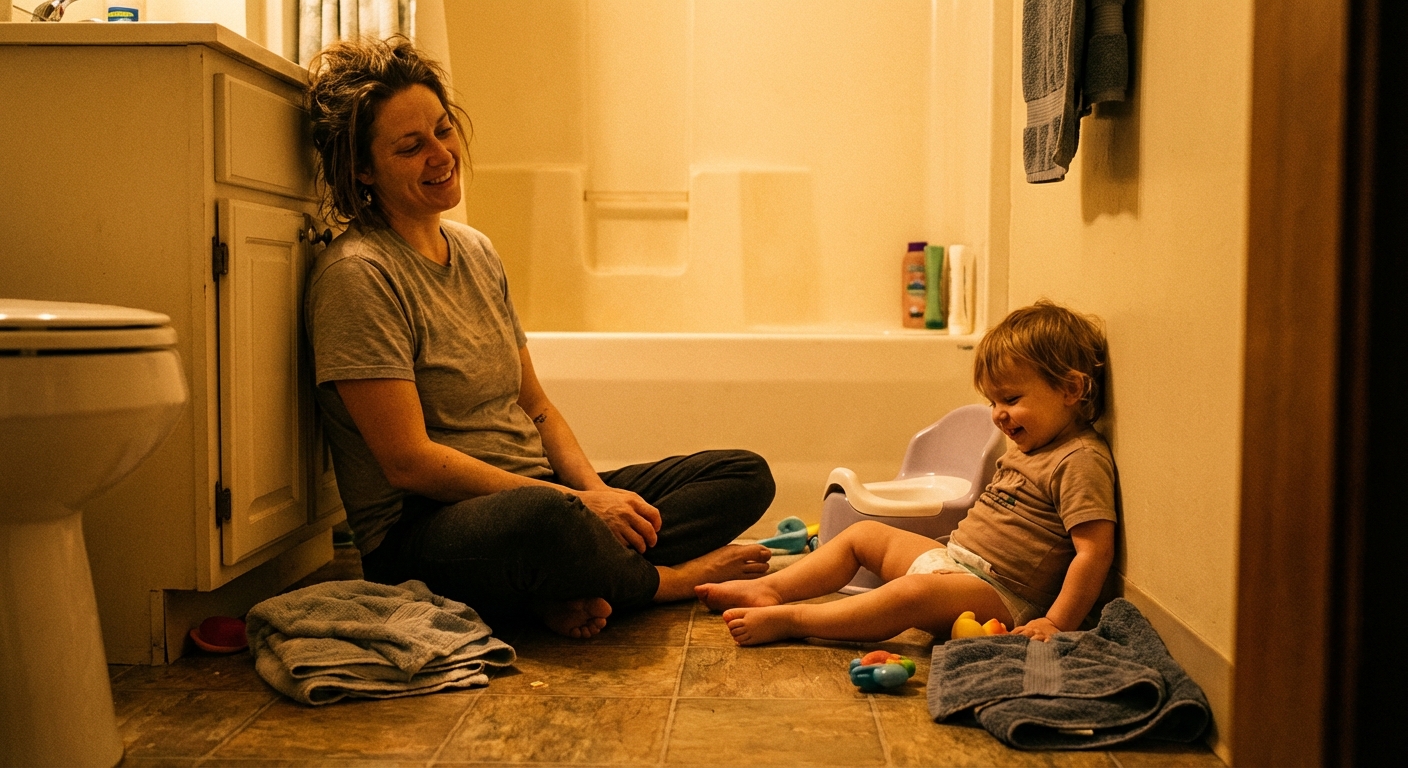
3-Day Potty Training Method

Sarah Mitchell
Sarah Mitchell is a Registered Pediatric Nurse and a mother of three who has spent over a decade helping families navigate the beautiful, chaotic early years of childhood. She combines evidence-based medical knowledge with real-world parenting experience to offer practical, compassionate advice. At Awesome Parent, Sarah's mission is to help exhausted parents find solutions, trust their instincts, and finally get some sleep.
If you are reading this at an odd hour while your toddler is asleep (or pretending to be), I see you. The 3-day potty training method is popular because it is simple: you clear your schedule, commit to a few intense days, and give your child a lot of practice in a short window.
It can work really well for the right kid at the right time. It can also turn into three long days of laundry if your child is not quite ready. This guide will walk you through exactly what to do, what to expect, and how to handle the very normal bumps along the way.
What the 3-day method is (and what it is not)
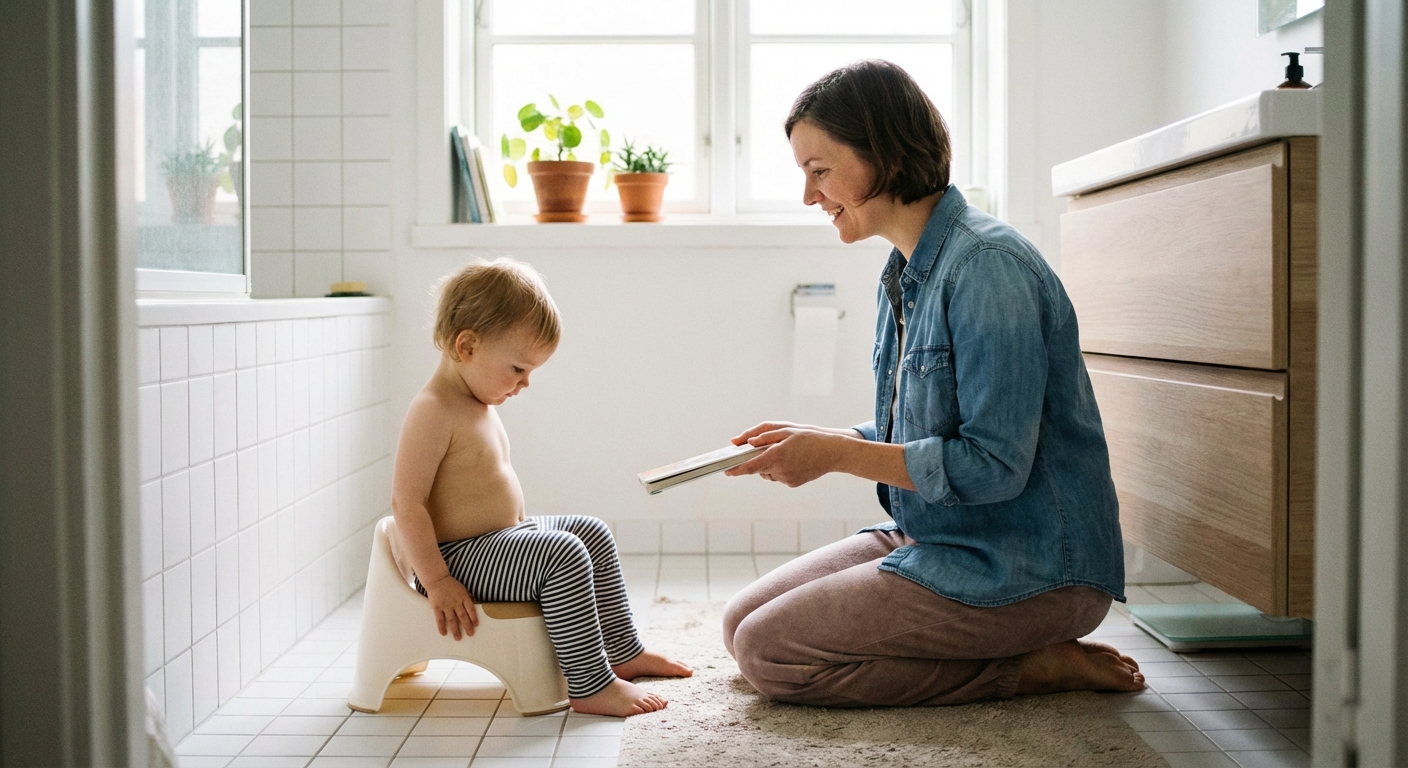
The classic 3-day approach is a short, focused potty training “boot camp.” Your child spends lots of time at home in underwear or bare-bottom, you watch closely for cues, and you guide them to the potty early and often. You use positive reinforcement and keep the process calm and consistent.
It is
Intensive practice in a short time window.
Parent-led in the beginning, then gradually child-led.
Mostly daytime training. Night dryness often comes later and that is normal.
It is not
A guarantee that your child will never have accidents again.
A cure for constipation or stool withholding. Those need their own plan.
A magic switch for naps and nighttime. Those are usually separate milestones.
Quick readiness recap (do this before you start)
Awesome Parent has a full readiness page, but here is the fast recap. The 3-day method goes best when your child can do many of the following (they do not need to check every box):
Often stays dry for about 2 hours at a time, or sometimes wakes from naps with a dry diaper.
Has predictable poop timing, or at least you can usually tell when a poop is coming.
Can walk to the potty, sit briefly, and stand up safely.
Can follow simple directions like “sit down” and “pants up.”
Shows awareness of peeing or pooping (hiding to poop, pausing, holding themselves, telling you after).
Is not in the middle of a big transition (new sibling, new daycare, moving, long trip) if you can avoid it.
My nurse-y reality check: If your child is fighting you on every routine right now, you can still potty train, but a slower, gentler approach may save everyone’s sanity.
Supplies checklist
Set yourself up so you are not sprinting to the store mid-accident.
Must-haves
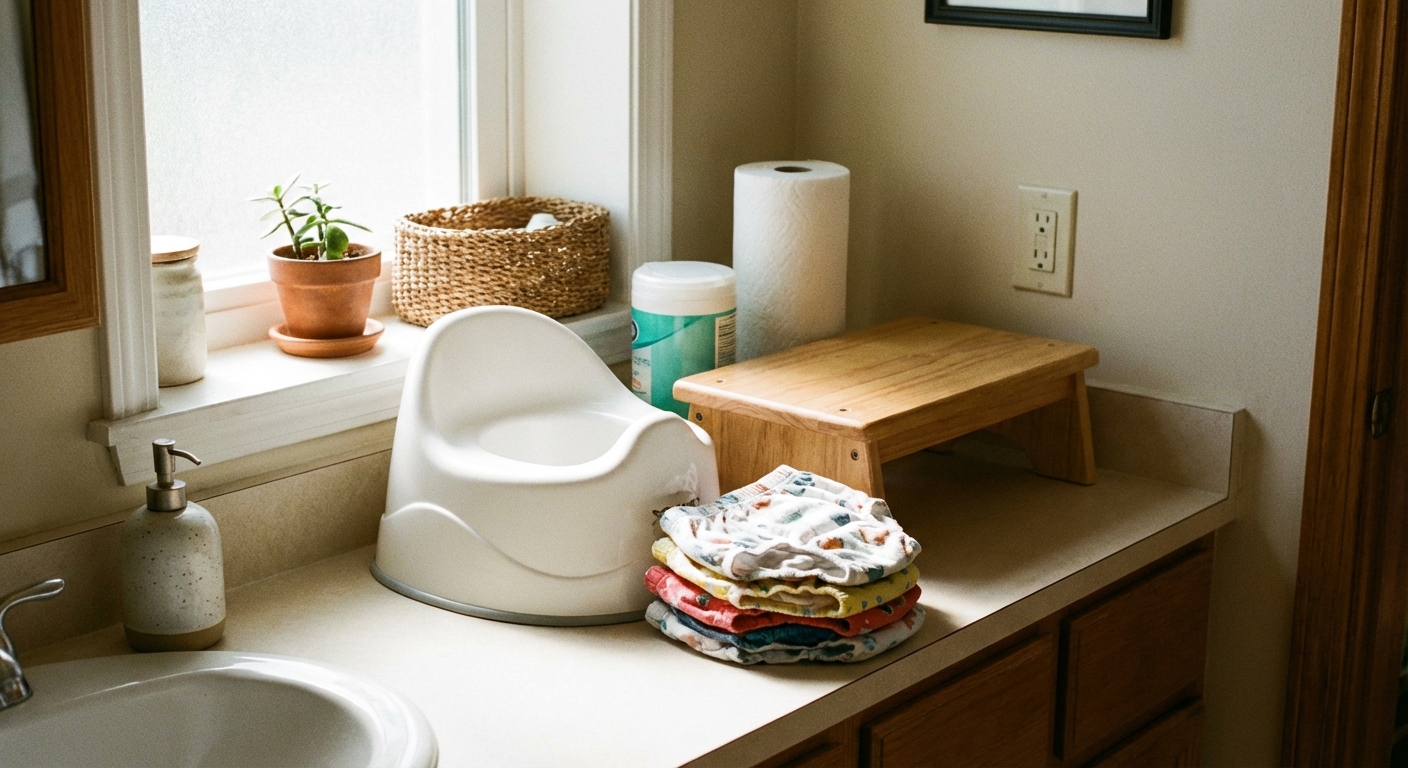
Potty chair and/or a toilet seat insert (many families like both). If you use an insert, add a sturdy step stool so feet are supported.
Training underwear or regular underwear (10 to 20 pairs if you can).
Easy-off pants (elastic waist, no buttons or tricky snaps).
Cleaning supplies: paper towels, disinfecting spray, enzyme cleaner for carpets, and a small laundry basket.
High-value rewards: stickers, a small treat, a special stamp, or a “potty-only” toy box.
Hydration helpers: fun cups, straws, diluted juice, popsicles. (Offering a bit extra to create more practice opportunities can help, but you do not need to push fluids all day.)
Timer (phone is fine) for reminders.
Nice-to-haves
Waterproof mattress protector and extra sheets for later.
A few pee pads for the couch if you will be sitting together.
Books about potty learning.
A travel potty for the car once you start leaving the house.
Before Day 1: Prep that matters
1) Pick the right 3 days
Choose three days you can truly be home and attentive. If possible, avoid starting right before daycare starts, a family visit, or a big outing.
2) Decide your language
Pick simple words and stick with them. “Potty,” “pee,” “poop.” Consistency helps toddlers connect the dots.
3) Make the potty easy and non-scary
Put the potty where your child spends time. For some kids, starting with a potty chair in the living area reduces panic. For others, the bathroom routine feels more “official.” Either is fine.
4) Practice the steps, fully clothed
Do a quick run-through: walk to potty, pants down, sit, wipe (you will help), pants up, wash hands. Make it playful.
5) Plan your response to accidents now
This is huge. Decide ahead of time that your tone will stay calm and boring. Accidents are information, not misbehavior.
6) Do a quick hygiene setup
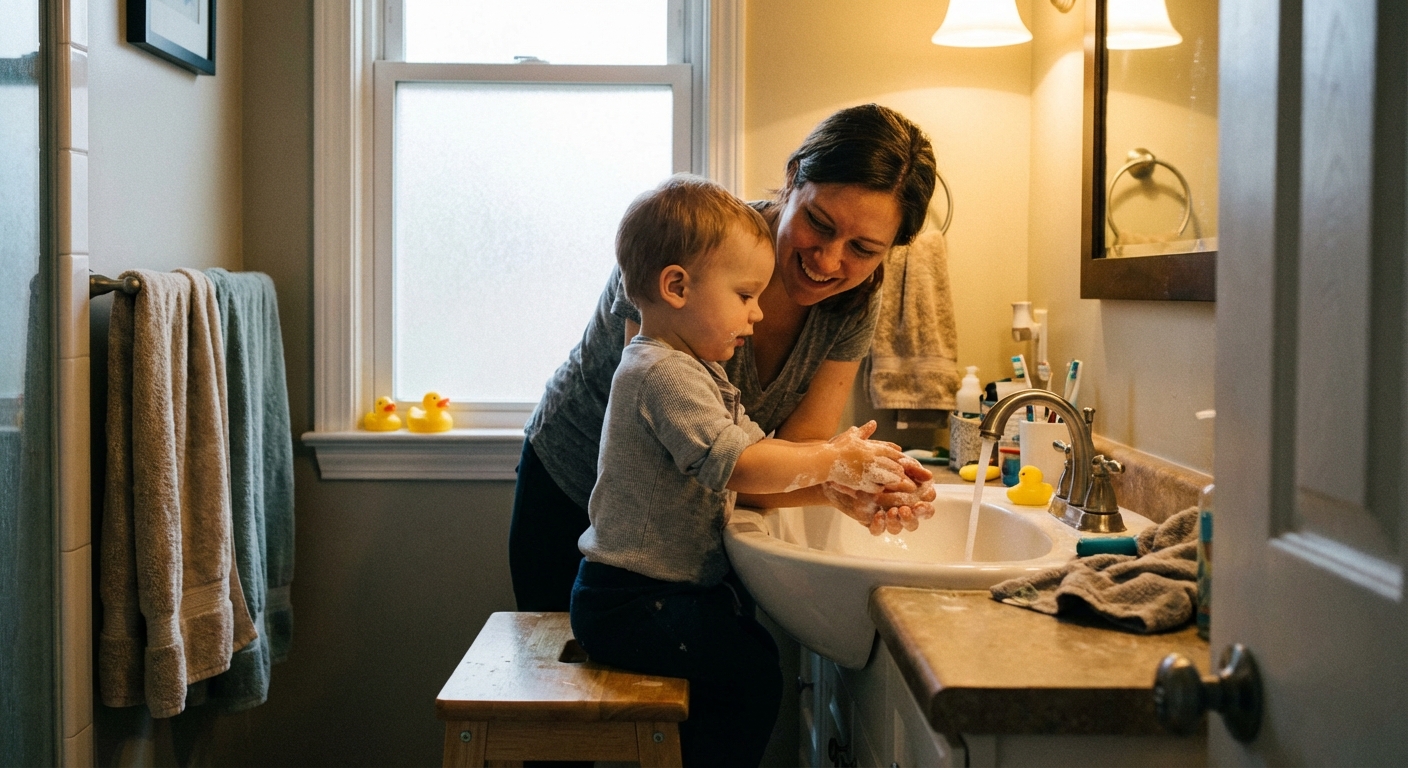
Put soap, a stool, and towels within reach. Plan on handwashing after every attempt. If you are using a potty chair, decide where it will be emptied and how it will be rinsed and disinfected daily.
Day 1: Bare-bottom and observant
Day 1 is usually the messiest day. Your job is to watch for patterns and get your child to the potty quickly, without turning it into a power struggle.
Morning setup
Start in the morning, not after nap.
Say goodbye to diapers for awake time. Many families do bare-bottom at first because it is easier for kids to notice what is happening.
Offer drinks as usual, plus a little extra if it helps your child get more practice trips in.
Show the potty and tell them: “Pee and poop go in the potty.”
What you do all day
Watch closely for cues: sudden stillness, crossing legs, grabbing crotch, squatting, hiding, frantic running, “dancing.”
Prompt gently early on, often every 20 to 30 minutes at first (especially if they are drinking more). If your child fights prompts, use cue-based prompting instead: “Your body looks like it might need to pee. Let’s run to the potty.”
Celebrate success immediately. Keep it specific: “You put your pee in the potty!”
Keep sits short, usually about 1 to 2 minutes. Some kids do best with a slightly longer, relaxed sit (like 3 to 5 minutes) after meals. The key is avoiding forced, punitive “you sit here until you go” power struggles, which can backfire for some kids (especially around poop).
What to expect
Many kids will have several accidents, then suddenly start making it to the potty.
Some kids will dribble a little, stop, then finish in the potty once they sit. That is learning.
Poop is often harder. Do not panic if pee clicks first.
If your child pees on the floor (the script)
Keep it calm and matter-of-fact:
“Pee goes in the potty.”
Help them finish on the potty if possible.
Clean up together in a neutral way: “Let’s wipe it up.”
Avoid shame-y language, big reactions, or asking “Why did you do that?” They did not do it to you. They did it because they are two or three.
Day 2: Underwear and routine
Day 2 is about transferring what they learned yesterday into underwear and simple clothing. Underwear can feel more like a diaper than being bare-bottom, so some kids backslide for a bit. Normal.
Morning plan
Underwear on, easy pants on.
Same message: “Pee and poop go in the potty.”
Keep drinks normal, and add a little extra only if it helps your child get more practice.
Prompting schedule
Most families do well with potty opportunities:
When they wake up
Before and after meals
Before leaving a room to do something new
Before nap
Before bath and bedtime routine
If your child is resisting, shift from time-based to transition-based prompts and watch cues again.
Teach independence in tiny steps
Pants down, sit, pants up, wash hands. You can help, but narrate what you are doing so it becomes predictable.
Let them try wiping for practice, then you do a “grown-up wipe” after. For poop especially, parents should finish the job for hygiene. (And for kids with vulvas, wipe front to back.)
Accidents on Day 2
If accidents increase when underwear goes on, that does not mean failure. It often means your child is relying on the familiar feeling of fabric. Stay consistent. If they are soaking underwear repeatedly without noticing, consider going back to bare-bottom for a few more hours, then try underwear again later.
Day 3: Real life practice
Day 3 is where you begin to trust the process a little more. Many kids are still not “fully trained,” but you should see a trend toward more successes and fewer surprises.
At-home routine
Keep underwear and easy clothing.
Continue transition-based potty trips and cue watching.
Try a short outing
Pick a quick, low-stakes trip, like a 15 to 30 minute drive to pick up groceries or a short walk. Before you leave:
Potty try.
Bring a spare outfit, extra underwear, wipes, and a plastic bag.
Use a car seat protector if you have one.
When you arrive, offer the potty again. The goal is to teach: “We can use potties everywhere, not just at home.”
What about daycare?
If daycare is part of your plan, communicate with staff. Ask what clothing is easiest, where the potty is, and how they handle reminders. Consistency between home and daycare makes a big difference.
Handling accidents
Accidents will happen. Even after a “successful” 3-day push, many kids have accidents for weeks. That is part of learning, not proof you did it wrong.
What helps
Stay boring: calm voice, minimal emotion.
Interrupt gently: “Uh-oh, pee is coming. Let’s go potty.”
Finish on the potty when possible, even if just the last few drops.
Reset the environment: if your child has repeated accidents in one spot, block access briefly or keep them in the same room as you for a while.
Praise the process: “You listened to your body and sat on the potty.” Not just “good job,” which can feel vague.
What to avoid
Punishment, yelling, or shaming.
Making them sit for long periods “until something happens.”
Threats or bribes that escalate. Small rewards are fine. Turning it into a negotiation marathon is exhausting.
Rewards without getting stuck
If rewards help your child connect the dots, use them. Just keep them simple and have a plan to fade them out.
Start specific: reward the action you want (sitting, trying, peeing in the potty).
Then thin it out: once they are getting it, move to “surprise” rewards or stickers only for self-initiating.
End with pride: shift toward high fives, routines, and “You listened to your body” praise.
Poop deserves its own section
In the pediatric clinic, the biggest potty training detours were almost always poop-related. Some kids are scared of the sensation, some dislike the sound, and some start holding it in, which can lead to constipation.
Helpful strategies
Feet supported: use a step stool. A stable position helps them relax.
Regular potty opportunities after meals, when the body naturally wants to go.
Privacy options: some kids do better if you stand a step back or turn slightly away while staying nearby.
Calm reassurance: “Poop goes in the potty. Your body knows how.”
When to talk to your pediatrician
Reach out if you notice any of the following:
Hard, painful stools
Poop accidents after a pattern of withholding
Streaks in underwear with frequent small stools
Blood on the stool or toilet paper
Significant fear, distress, or refusal that is not improving
Constipation is common and treatable, but it is best handled early.
Sleep and nighttime
Daytime training and nighttime dryness are related, but they are not the same milestone. Many kids cannot stay dry at night until their bodies mature a bit more.
A realistic plan
Keep diapers or pull-ups for sleep at first if needed. You can call them “sleep underwear” if your child is sensitive about diapers.
Have your child use the potty before nap and before bed.
Keep bedtime hydration normal. You do not need aggressive fluid restriction. Just avoid pushing extra drinks right before sleep.
If your child wakes dry consistently for a couple of weeks, you can try underwear for sleep when you feel ready.
When this method is not a fit
Some kids do best with a slower approach, and that is not a parenting failure. It is matching the method to the child.
Consider pausing if
Your child has very frequent accidents with little awareness after several days of consistent coaching.
There is intense anxiety, fear, or power struggles that are escalating.
Your child is withholding poop or becoming constipated.
You cannot realistically provide close supervision for a few days (work constraints, other caregiving demands).
Your child has developmental or sensory differences that make this fast pace stressful. Many of these children still potty train beautifully, just with a more gradual plan.
If you pause, wait a few weeks and try again, or choose a slower method. Potty training is not a one-shot opportunity. Your child is not going to miss the window forever because you took a breath.
Extra support for different learners
If your child has a speech delay, ASD, sensory needs, or just a strong opinion about pants, you can still use the same basics with a few tweaks:
Use visuals: a simple picture chart for pants down, sit, wipe, flush, wash hands.
Make clothing sensory-friendly: soft waistbands, tagless underwear, easy layers.
Try predictable timing: some kids do better with a steady routine (like after meals) rather than lots of verbal prompts.
Ask for help: your pediatrician, an OT, or your early intervention team can offer practical strategies.
Troubleshooting
My child sits on the potty and then pees as soon as they stand up
This is extremely common. Try keeping the sit short but purposeful, then do a “one more try” after they stand up, especially if you saw a cue. Also make sure their feet are supported and they feel stable.
My child refuses the potty completely
Step back and remove pressure. Read a potty book, let them sit fully clothed, let them help choose underwear, and try again in a week or two. Forcing can create longer-term resistance.
How many accidents are normal?
On Day 1, several accidents can be normal. By Day 3, you ideally see improvement, like fewer accidents, more self-initiated potty trips, or at least awareness mid-accident. If there is no trend toward improvement, it may be a readiness issue or a mismatch in approach.
Simple 3-day schedule
Every child is different, but here is a straightforward rhythm many families use.
Day 1
Bare-bottom at home
Potty opportunities frequently at first (often every 20 to 30 minutes), then stretch as you learn patterns
Celebrate successes, calm responses to accidents
Day 2
Underwear and easy pants
Potty at transitions and cue-based
Begin small independence steps
Day 3
Underwear continues
Short outing with a backup plan
Keep routine consistent, focus on confidence
When to get medical advice
Most potty training bumps are behavioral and developmental. But as a pediatric nurse, I always want parents to know the red flags.
Call your pediatrician if your child has:
Pain with urination, fever, or foul-smelling urine (especially with other symptoms)
New daytime accidents after being reliably trained for a while
Constipation symptoms or stool withholding
Excessive thirst, weight loss, or very frequent urination
Persistent rash or skin breakdown from accidents
The bottom line
The 3-day potty training method works best when your child is ready and you can commit to consistent, calm coaching. Expect accidents, keep your tone steady, and remember that daytime potty learning and nighttime dryness are two different timelines.
And if these three days feel like a lot, that is because they are. You are essentially doing a new skill intensive with a tiny human who cannot reach the light switch. Be kind to yourself. Progress counts, even if it is not perfect.