7 Safe Teething Remedies for Fussy Babies

Sarah Mitchell
Sarah Mitchell is a Registered Pediatric Nurse and a mother of three who has spent over a decade helping families navigate the beautiful, chaotic early years of childhood. She combines evidence-based medical knowledge with real-world parenting experience to offer practical, compassionate advice. At Awesome Parent, Sarah's mission is to help exhausted parents find solutions, trust their instincts, and finally get some sleep.
Teething has a special talent for showing up at the worst possible time. Like 2:47 AM, when you are bouncing a sweaty little baby who is convinced sleep is a conspiracy. The good news is that most teething discomfort can be managed with simple, safe tricks that actually work.
Below are seven remedies that are commonly recommended by pediatric clinicians, consistent with mainstream pediatric guidance, and tried and true in my years as a triage nurse and with my own three kids. No fancy gadgets required, and no panic-Googling needed.
Quick note: This is general education, not personal medical advice. If you are unsure about symptoms or dosing, your pediatrician is the best next call.

What teething usually looks like
Teething symptoms can start a few days before a tooth pops through (and sometimes longer). Common signs include:
- Drooling and chewing on everything
- Crankiness, especially in the evening
- Swollen or tender gums
- Rubbing ears or cheeks (referred pain is real, but ear tugging can also signal an ear infection)
- Slightly decreased appetite for solids
- Sleep disruptions
One quick reality check: teething should not cause a high fever, significant diarrhea, or a truly sick-looking baby. Teething also loves to overlap with colds and other bugs, so if your gut says, “This seems like more than teething,” you are probably right.
7 safe teething remedies
1) Gum massage
This is the simplest remedy, and it often brings the fastest relief. Gentle pressure helps counter the achy, itchy feeling under the gums.
- Wash your hands well.
- Use a clean finger or a piece of damp gauze wrapped around your finger.
- Rub the swollen area with steady, gentle pressure for 30 to 60 seconds.
If your baby bites down, do not take it personally. They are not mad at you. Their gums just feel weird.
2) A chilled teether (not frozen)
Cool temperatures can reduce inflammation and numb sore spots. The keyword is chilled. Frozen teethers can be too hard and may irritate or injure tender gums.
- Choose a solid silicone or rubber teether.
- Chill it in the refrigerator until it feels cool to the touch.
- Offer it while you supervise.
- Check teethers often for cracks, loose parts, or damage, and clean them per the label.

3) Cold washcloth chew
If your baby is unimpressed by teethers, try this old-school option. A cold washcloth is easy to grip, soothing, and surprisingly effective.
- Wet a clean washcloth, wring it out, and twist one end into a soft “handle” (or tie a loose knot).
- Chill it in the refrigerator for a bit until cool.
- Let your baby gnaw on it while you watch closely.
Skip freezing it solid. You want it cool and pliable, not crunchy.
4) Cold, soft foods (if on solids)
For babies who are already eating solids, cold foods can soothe and distract at the same time. Think comfort food, baby edition.
- Cold yogurt or applesauce
- Chilled purees on a pre-loaded spoon
- A cold puree pouch or puree in a silicone feeder (with close supervision)
Safety note: Only offer foods that match your baby’s developmental readiness and are prepared to reduce choking risk. Avoid hard, round, or slippery foods unless you know exactly how to serve them safely for your baby’s stage. Stay close and keep your baby upright while eating.
5) Pain relief (when needed)
Sometimes teething pain is intense enough that comfort measures are not cutting it, especially at bedtime. In those moments, an age-appropriate pain reliever can be a reasonable option.
- Acetaminophen can be used in young infants with weight-based dosing. Many clinicians recommend calling before giving it to babies under 12 weeks (because a fever in that age group needs guidance).
- Ibuprofen is generally for babies 6 months and older. Avoid ibuprofen under 6 months unless your clinician specifically directs you.
Use the measuring device that comes with the medication and follow label directions or your pediatrician’s guidance. If you find yourself needing medication often for many days in a row, check in with your child’s clinician to make sure something else is not going on.
6) Distraction and extra comfort
This one feels almost too simple, but it matters: teething babies often have a shorter fuse. A little extra connection during the day can reduce the evening spiral.
- Go outside for a change of scenery.
- Try a warm bath before bedtime.
- Increase cuddles, carrier time, or rocking.
- Keep bedtime routine steady and predictable.
Teething is temporary. Your baby is not “regressing.” They are just uncomfortable and borrowing your nervous system for a while.
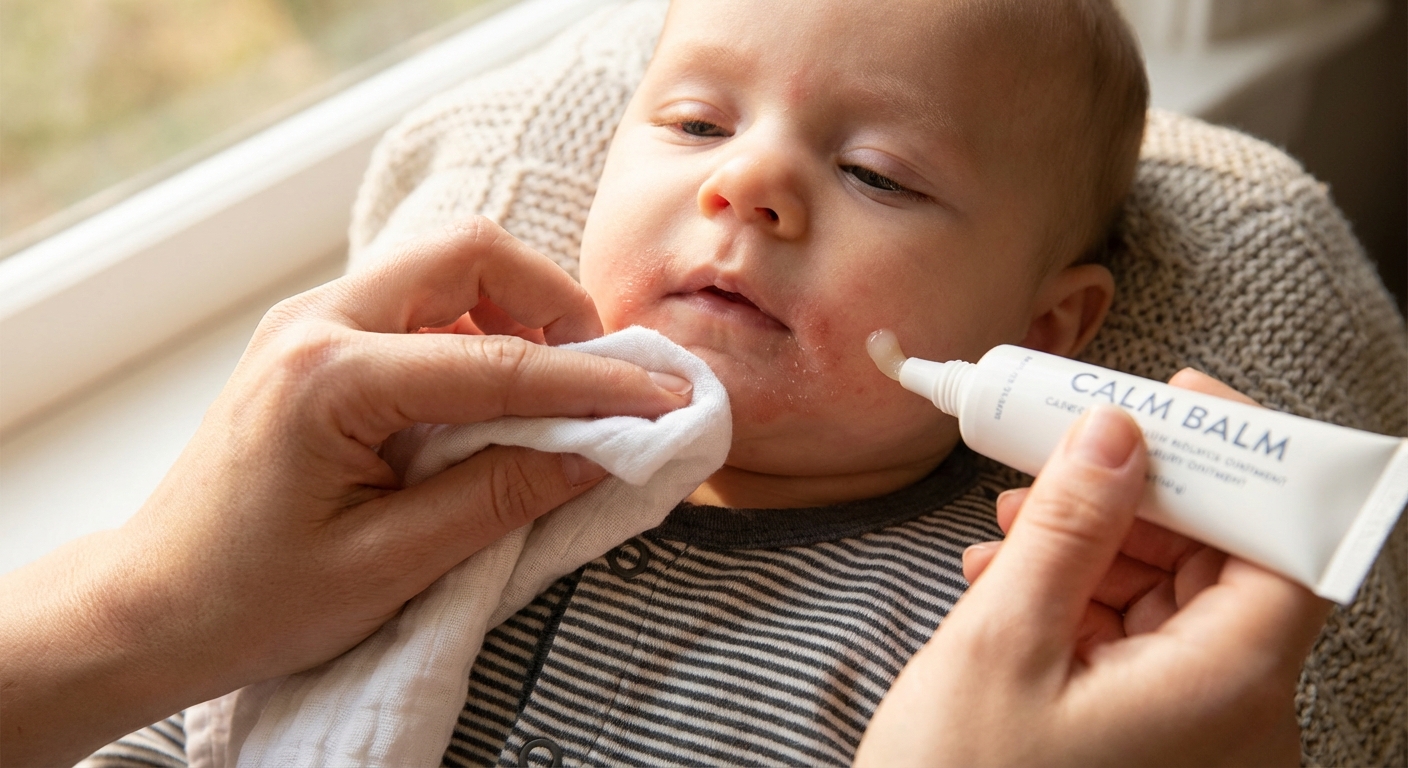
7) Protect drooly skin
Sometimes the fussiness is not only gums. All that drool can cause a red, angry rash on the chin, cheeks, neck, and chest.
- Gently pat drool dry throughout the day.
- Apply a thin layer of plain petroleum jelly or a fragrance-free barrier ointment to protect skin.
- Use bibs and change them when damp.
What to avoid
- Benzocaine gels and liquids for teething. These are not recommended for infants due to risk of methemoglobinemia, a rare but serious condition.
- Topical lidocaine for teething. It can be dangerous for babies if swallowed or overapplied.
- Homeopathic teething tablets or gels with belladonna or inconsistent ingredients. Safety and dosing can be unpredictable.
- Amber teething necklaces. They pose choking and strangulation risks and do not have reliable evidence of benefit.
- Whiskey on the gums or any alcohol. It is unsafe, even in tiny amounts.
- Frozen solid teethers that are rock hard. They can be too hard on tender gums.
If a product promises “instant numbing” or “miracle relief,” pause. With babies, boring and safe wins.
When to call the pediatrician
Trust your instincts and reach out if your baby has any of the following:
- Fever, especially in young infants, or a baby who feels truly unwell
- Signs of dehydration: fewer wet diapers, very dry mouth, no tears when crying
- Persistent diarrhea or vomiting
- Ear pulling with significant fussiness, fever, or trouble sleeping (could be an ear infection)
- White patches in the mouth that do not wipe away (possible thrush)
- Rash with fever or rapidly worsening rash
Teething is uncomfortable, but it should not make your baby look sick. If you are on the fence, call. That is what pediatric offices are there for.
Teething timeline
Every baby is different, but here is the general pattern:
- First teeth often arrive around 6 months (a common normal range is roughly 3 to 12 months)
- Top and bottom front teeth usually come first
- Molars tend to be fussier because they are bigger and take longer
If your baby is 10 months with no teeth or got a tooth at 3 months, both can still be normal. When in doubt, your pediatrician can take a quick look at the gums at a well visit.
Once teeth show up
When that tiny tooth finally breaks through, start gentle dental hygiene:
- Brush twice daily with a soft, infant toothbrush.
- Use a smear of fluoride toothpaste (about the size of a grain of rice).
- Many dentists recommend the first dental visit by age 1, or within 6 months of the first tooth.
My 3 AM takeaway
If you try one thing tonight, start with a chilled teether or a cold washcloth, then add gum massage. If your baby is still miserable, it is okay to consider an age-appropriate pain reliever with correct dosing. You are not “giving up.” You are treating pain.
Teething feels endless while you are in it, and then one day you notice a tiny tooth and realize you both survived. Coffee helps too.