Iron overdose is a serious poisoning risk for toddlers. Learn common sources, symptoms by severity, Poison Control first steps, and smart storage tips to pre...
Accidental Poisoning in Toddlers

Sarah Mitchell
Sarah Mitchell is a Registered Pediatric Nurse and a mother of three who has spent over a decade helping families navigate the beautiful, chaotic early years of childhood. She combines evidence-based medical knowledge with real-world parenting experience to offer practical, compassionate advice. At Awesome Parent, Sarah's mission is to help exhausted parents find solutions, trust their instincts, and finally get some sleep.
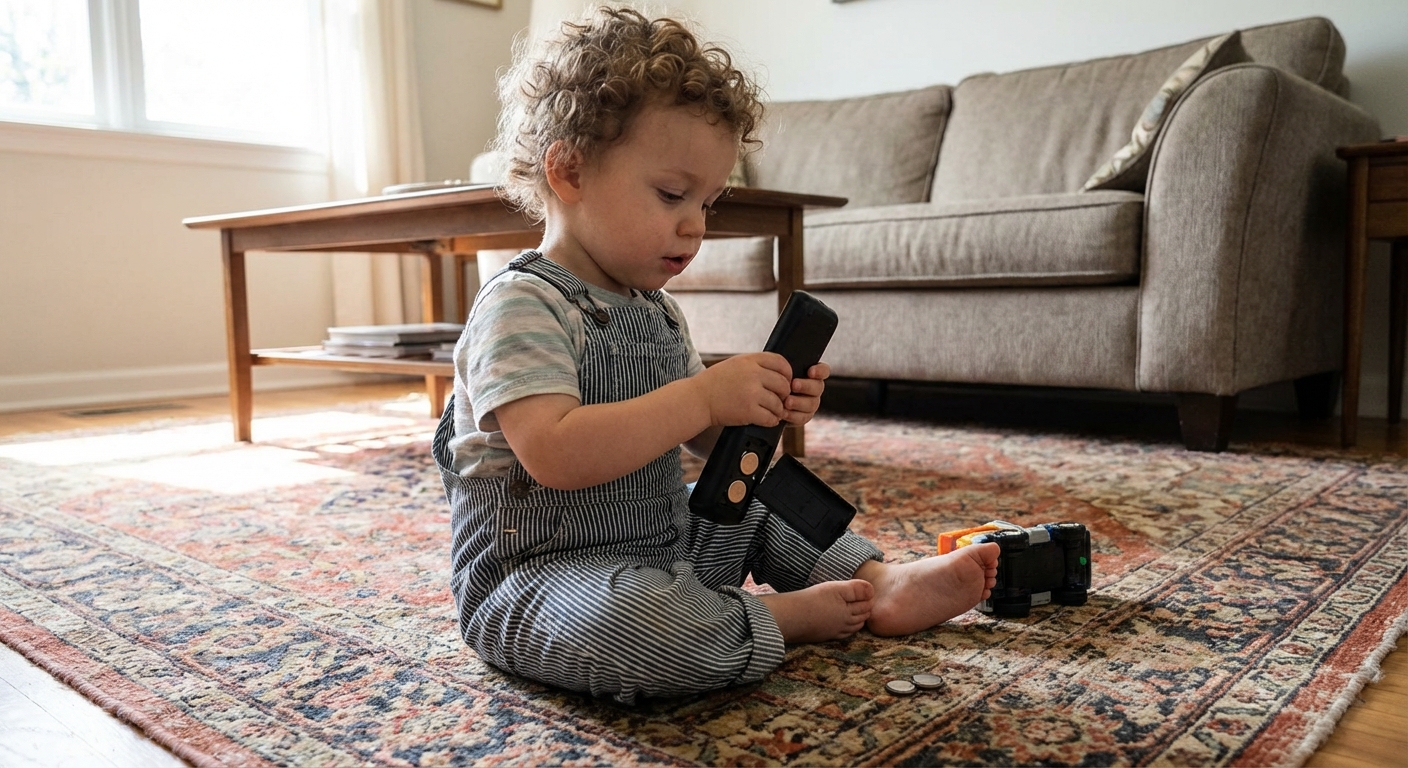
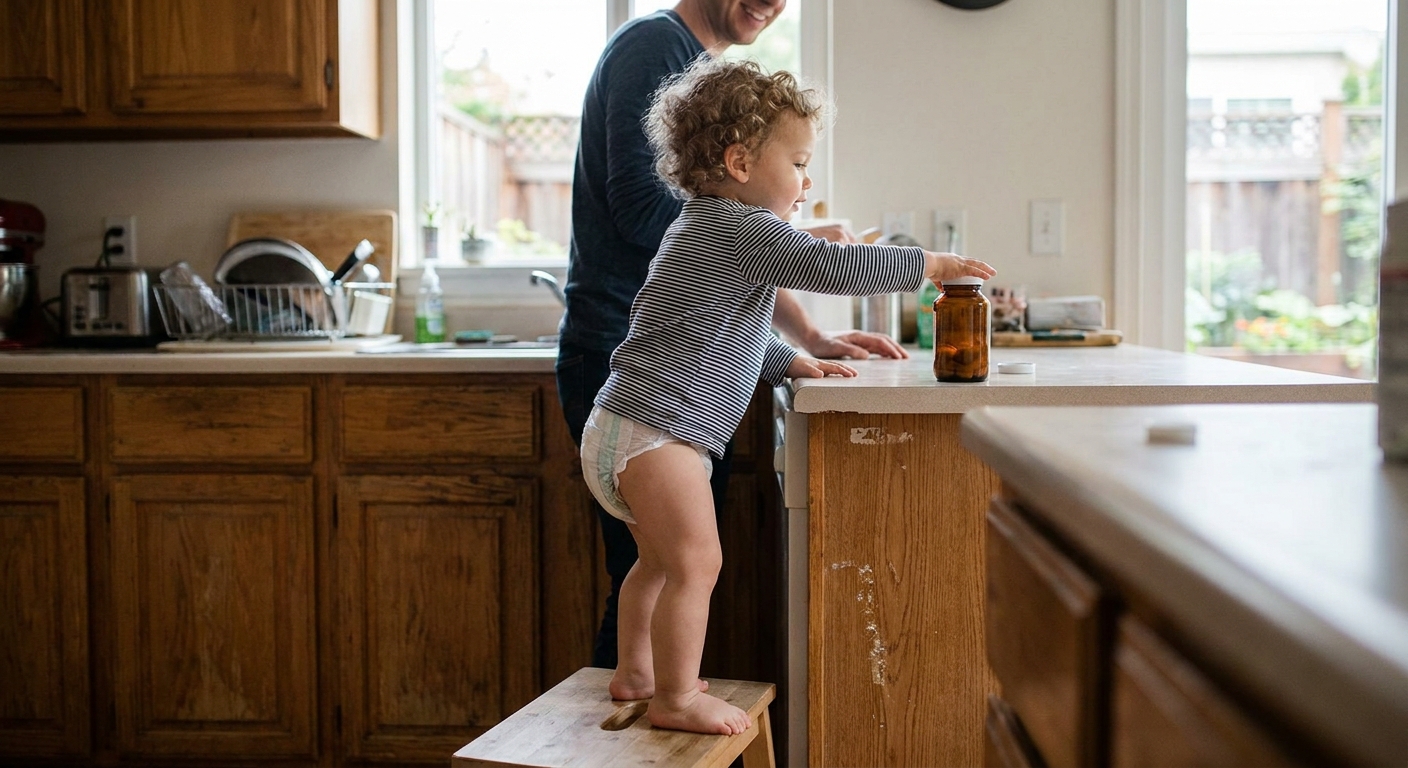
If you have a toddler, you already know this truth: they can find a single rogue gummy vitamin in a couch cushion like it’s their job. Most of the “What is in your mouth?!” moments are harmless. Sometimes, they’re not.
As a pediatric triage nurse, I talked to panicked parents about accidental ingestions weekly. As a mom of three, I’ve also done the frantic floor-scan and the silent prayer. This page is here to give you a calm, safe first-response plan for household chemicals and medicine mix-ups, plus exactly how to use Poison Control without wasting precious minutes.
First, take a breath and do these 3 things
When you’re scared, your brain wants to jump to the biggest, worst-case scenario. The fastest way to help your child is to slow down for about ten seconds and follow this order:
- Get it out of reach. Move the product or medication away from your child and any siblings. If there’s something in their mouth, remove what you can safely see.
- Check your child right now. Are they awake and breathing comfortably? Are they turning blue, very sleepy, having trouble breathing, or having a seizure?
- Call the right help. If they have severe symptoms, call 911. If they’re stable but you suspect an ingestion, call Poison Control for step-by-step guidance.
Call 911 now if you see any of these
- Trouble breathing, choking that isn’t resolving, wheezing, or noisy breathing
- Seizure, fainting, or your child is hard to wake
- Blue/gray lips or face
- Severe allergic reaction signs: facial swelling, hives with breathing trouble
- Caustic exposure plus severe drooling, trouble swallowing, or obvious burns
If your child is stable, call Poison Control
U.S. Poison Help: 1-800-222-1222 (available 24/7). You can also use web-based help at PoisonHelp.org.
If calling feels hard in the moment, you can also text Poison Control in the U.S.: text POISON to 79717 (standard messaging rates may apply). If your child has severe symptoms, skip the texting and call 911.
Poison Control isn’t just for “big emergencies.” They help you figure out whether something is actually dangerous, what symptoms to watch for, and what to do next. They can also tell you when it’s safe to stay home and monitor, which saves a lot of unnecessary ER visits.
Parent-to-parent honesty: calling Poison Control can feel scary, like you’ll be judged. You won’t be. Their entire job is to help you quickly and calmly.
What not to do
These are the most common well-intended moves that can make things worse:
- Don’t induce vomiting. Vomiting can re-expose the throat and airway to the substance, and some products can cause more damage on the way back up.
- Don’t give ipecac. It’s no longer recommended for home use.
- Don’t force food, milk, or liquids unless Poison Control tells you to. For some substances, drinking can worsen nausea or increase absorption.
- Don’t give activated charcoal at home unless specifically instructed. It’s messy, hard for kids to take, and not appropriate for every ingestion.
- Don’t “wait and see” when the product is unknown, a medication is missing, or symptoms are developing.
If there’s a strong chemical smell on your child’s breath or clothes, or the substance is on skin or eyes, you can still call Poison Control right away while you start basic decontamination (more on that below).
Info to have ready
The more specific you can be, the faster they can safely advise you. Before you call, grab the container if it’s safe to do so.
- Your child’s age and approximate weight
- What product or medicine it was (name, brand, and strength if medication)
- How much might be missing (best estimate is fine)
- When it happened (or when you noticed)
- How it happened (swallowed, chewed, inhaled, on skin, in eyes)
- Current symptoms (vomiting, coughing, sleepiness, drooling, belly pain, behavior changes)
- Any relevant medical info (chronic conditions, daily meds)
Common toddler ingestion risks
Toddlers don’t “taste test” like adults. They explore with their mouths, and they can swallow surprisingly quickly. These are some of the most frequent culprits:
1) Medications and vitamins
In clinic calls, medication mix-ups and “I found the bottle open” moments were extremely common. Many medicines are designed to work at tiny doses, which is great when they’re prescribed, and risky when they’re not.
- Pain and fever meds: acetaminophen (Tylenol) and ibuprofen (Advil, Motrin). Overdoses can be dangerous, even if a child looks okay at first.
- Sleep aids and cold medicines: many contain multiple ingredients. Double-dosing can happen easily.
- Prescription meds: especially heart and blood pressure meds, diabetes meds, antidepressants, ADHD stimulants, and opioids.
- Gummies and vitamins: “candy-like” vitamins can lead to large ingestions. Some contain iron, which can be particularly dangerous in high amounts.
2) Household cleaners and laundry products
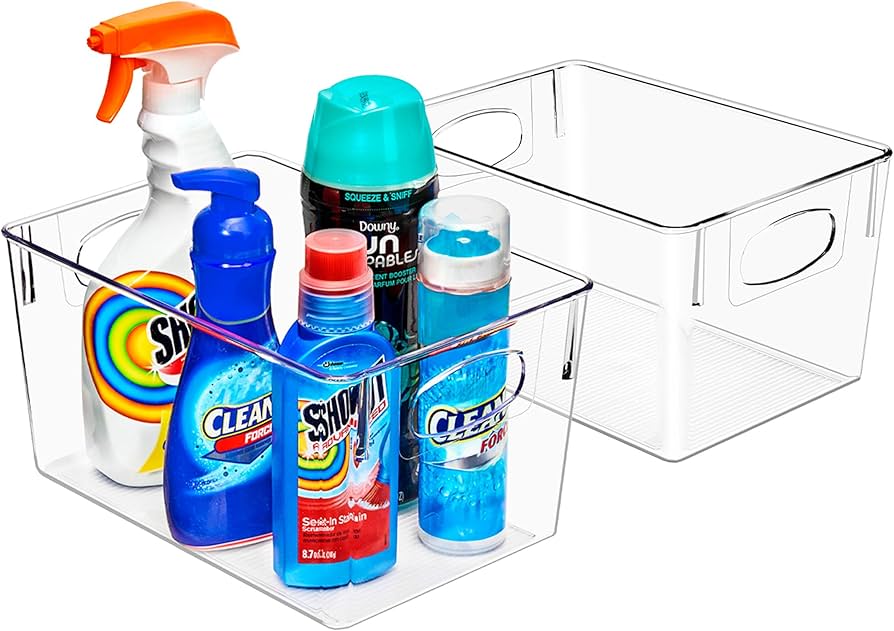
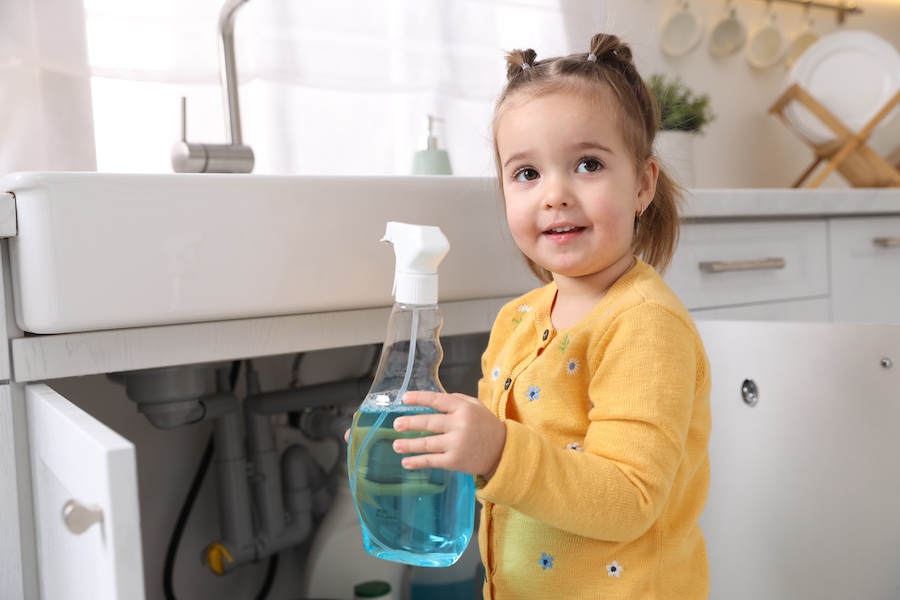
These are often stored low, used quickly, and left out “for just a minute.” Many are irritants, and a few are corrosive and can burn tissues.
- Dishwasher and laundry pods: concentrated detergent can cause vomiting, coughing, and eye irritation if squeezed or bitten.
- Bleach and ammonia: irritating and potentially damaging if swallowed. Fumes can also be harmful.
- Drain cleaners and oven cleaners: can be strongly caustic and more likely to cause burns.
3) Personal care products
- Mouthwash: may contain alcohol.
- Essential oils: some can cause significant symptoms even in small amounts.
- Hand sanitizer: alcohol-based products can be risky when swallowed.
4) Alcohol, nicotine, and cannabis products
These products are showing up more often in pediatric calls because they’re more available in homes and can look like treats.
- Edibles: can look like candy or baked goods.
- Nicotine pouches and liquid nicotine: small amounts can cause serious symptoms.
- Alcohol: kids are small, and alcohol affects them quickly.
5) Batteries, magnets, and water beads
These are a little different from “poisons,” but they can be just as urgent, and sometimes more. If you suspect one of these was swallowed, don’t wait for symptoms.
- Button batteries: these can cause severe burns in the esophagus in a short amount of time. If you think your child swallowed a button battery, treat it as an emergency and call 911 or go to the ER right away. Call Poison Control too, but don’t delay emergency care.
- High-powered magnets: swallowing more than one magnet (or a magnet plus a metal object) can trap tissue between them and cause intestinal damage. This needs urgent evaluation.
- Water beads: these can expand in the gut and cause blockage. Even if your child looks fine, call Poison Control for guidance.
6) Plants and pest products
- Houseplants: many cause mild stomach upset, some can be more problematic. Poison Control can identify risk by plant name.
- Rodent and insect products: risk varies widely. Keep packaging for accurate ingredient info.
What to do by exposure type
Poison Control will tailor advice to the specific product. While you’re getting help, here’s what’s generally safe and useful:
If your child swallowed something
- Remove any remaining substance from the mouth.
- Wipe the lips and face with a damp cloth.
- Call Poison Control with the product in hand.
If it got on skin
- Remove contaminated clothing.
- Rinse skin with lukewarm running water for about 15 minutes if it’s a strong irritant or corrosive product.
- Don’t scrub vigorously.
- Call Poison Control for next steps.
If it got in the eyes
- Rinse the eye with lukewarm running water immediately.
- Aim for a gentle stream from a faucet, shower, or clean cup, and try for 15 minutes if you can.
- Don’t use eye drops unless told to.
- Call Poison Control while you rinse if possible.
If your child inhaled fumes
- Move your child to fresh air right away.
- Open windows and doors if it’s safe to do so.
- Call Poison Control, and call 911 if breathing trouble develops.
Medicine mix-ups
Most “poisoning” calls I handled weren’t dramatic. They were tired-parent moments. Here are patterns I saw again and again, plus how to prevent them.
Mix-up #1: double dosing
Two adults each gave a dose, or a parent forgot a middle-of-the-night dose.
- Fix: use a shared notes app, a whiteboard on the fridge, or a piece of masking tape on the bottle where you write the time of the last dose.
Mix-up #2: wrong concentration or wrong tool
Using a kitchen spoon, mixing up droppers, or confusing infant vs children’s formulations.
- Fix: only use the dosing syringe or cup that came with that specific medication, and keep it with the bottle.
Mix-up #3: “It’s a gummy vitamin, it’s fine”
Kids can eat a lot of gummies quickly if a cap is left loose.
- Fix: treat vitamins like medication. Store them locked and up high.
Mix-up #4: pills in purses, backpacks, nightstands
Visitors and older siblings are a major source of “mystery pill” exposures.
- Fix: make a habit of placing bags and coats up high the moment someone walks in.
Secure-storage checklist
You don’t need a Pinterest-worthy poison-proof house. You need a few solid habits that work even when you’re exhausted.
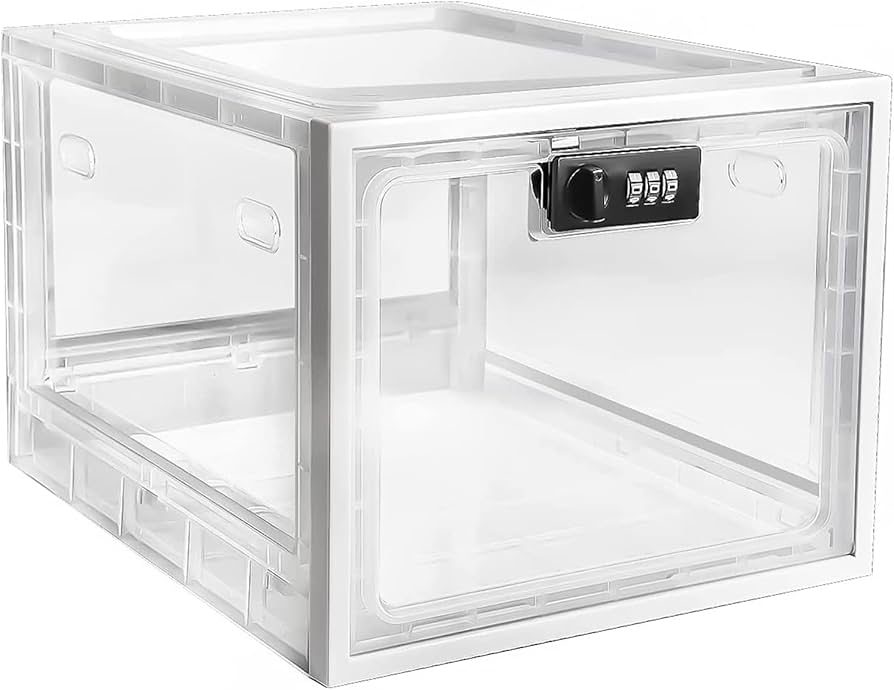
- Lock it: use child-resistant latches on under-sink cabinets and a lockbox for medications.
- Lift it: store meds and chemicals up high, out of sight. “Out of reach” isn’t enough for climbers.
- Keep products in original containers: never decant cleaners into water bottles or cups.
- Close immediately: re-cap after each use, even if you plan to use it again in two minutes.
- Separate look-alikes: don’t store medicine next to vitamins, or cleaners next to personal care items.
- Visitor sweep: when guests arrive, do a quick scan for purses, pill organizers, nicotine products, and loose batteries.
- Nightstand rule: if you keep adult meds by the bed, use a locking container.
- Lithium coin batteries: keep spare and used button batteries taped up and out of reach until you can recycle them.
- Magnet check: keep high-powered magnets out of the house if possible. If they’re present, store them locked.
- Laundry pod rule: keep pods in their original container, latched, and stored up high.
- Program Poison Control: save 1-800-222-1222 in your phone contacts right now. You can also save text POISON to 79717.
When to go to the ER
Poison Control will tell you if your child needs to be seen urgently. In general, ER evaluation is more likely when:
- The substance is unknown or potentially high-risk
- There was a large or uncertain amount
- Your child is under 12 months (extra caution is common)
- Symptoms are present or worsening (vomiting, lethargy, breathing changes, abnormal behavior)
- A corrosive product may be involved (drain cleaner, strong oven cleaner)
- You suspect a button battery or multiple magnets
If you’re told to go in, bring the container (or a photo of the label), and don’t delay.
Quick FAQ
Will my child “seem fine” at first?
Yes. Some ingestions cause immediate symptoms, and others don’t. That’s why calling Poison Control early is so important, especially with medications like acetaminophen, which can be dangerous even when a child looks okay initially.
Should I give water or milk right away?
Sometimes Poison Control will recommend small sips, and sometimes they won’t. If you’re unsure, hold off until you get guidance. Forcing liquids can trigger vomiting and can complicate certain exposures.
What if I can’t identify what was swallowed?
Tell Poison Control exactly what you do know: where your child was, what products are stored there, what’s open, and what symptoms you see. If possible, take photos of the area and any suspected products.
Is Poison Control only for the U.S.?
This page references the U.S. Poison Help number. If you’re outside the U.S., look up your local poison information center now and save it to your phone.
A final word from a nurse-mom
If you’re reading this at a stressful moment, I want you to hear this clearly: accidental ingestions happen in good homes with good parents. Toddlers are fast, curious, and determined. The win isn’t “never make a mistake.” The win is having a plan and getting the right help quickly.
If you’re in the U.S., keep this number handy: Poison Help 1-800-222-1222. You can also text POISON to 79717.
If your child is having trouble breathing, is very sleepy and hard to wake, or has a seizure, call 911.
Sarah Mitchell
Sarah Mitchell is a Registered Pediatric Nurse and a mother of three who has spent over a decade helping families navigate the beautiful, chaotic early years of childhood. She combines evidence-based medical knowledge with real-world parenting experience to offer practical, compassionate advice. At Awesome Parent, Sarah's mission is to help exhausted parents find solutions, trust their instincts, and finally get some sleep.