Coffee while nursing? Learn how caffeine moves into breast milk, how to time it, what “watch your baby” means, and when to talk to your clinician.
Alcohol and Breastfeeding

Sarah Mitchell
Sarah Mitchell is a Registered Pediatric Nurse and a mother of three who has spent over a decade helping families navigate the beautiful, chaotic early years of childhood. She combines evidence-based medical knowledge with real-world parenting experience to offer practical, compassionate advice. At Awesome Parent, Sarah's mission is to help exhausted parents find solutions, trust their instincts, and finally get some sleep.
It is 9:47 PM. The baby finally latched. You are staring at a small, half-finished glass of wine like it is both a reward and a moral dilemma.
Let’s take the fear out of this. Most breastfeeding parents can enjoy an occasional drink and still breastfeed safely with a little planning. The goal is not perfection. The goal is keeping your baby fed, you rested, and everyone safe.
Quick note: If your baby is premature , medically fragile, or very young (especially under 2 to 3 months), it is wise to be extra cautious and talk with your pediatrician or lactation clinician about what “safe timing” looks like for your situation.

How alcohol gets into breast milk
Alcohol moves into breast milk the same way it moves into your bloodstream. It is not “stored” in your milk like a toxin waiting to be released. Instead, it rises and falls in milk as your blood alcohol level rises and falls.
Two key takeaways
- Breast milk alcohol level closely matches blood alcohol level. If your blood alcohol level is going down, your milk level is too.
- There is no “dirty milk” sitting in your breast. Your body clears alcohol from your blood over time, and your milk follows.
This is why the widely shared advice to pump and dump can be misunderstood. It is not usually needed to remove alcohol from breast milk over time, because time is what clears alcohol from your system.
Timing basics
General medical guidance (including recommendations echoed by pediatric and lactation organizations) is that moderate alcohol intake can be compatible with breastfeeding with thoughtful timing and safe caregiving.
A practical harm-reduction approach: If you are unimpaired, and enough time has passed for your alcohol level to be falling, breastfeeding is generally considered compatible. If you feel at all buzzed, unsteady, overly sleepy, or unsure, wait longer and use expressed milk or formula for that feed.
For concrete planning, clinicians often use rough timing based on standard drinks. Alcohol typically peaks in breast milk about 30 to 90 minutes after drinking (often longer if you drink with food), then gradually declines.
What counts as one standard drink?
- 12 oz beer (about 5% alcohol)
- 5 oz wine (about 12% alcohol)
- 1.5 oz spirits (about 40% alcohol)
Rule-of-thumb timing
A commonly used estimate is that it takes about 2 to 3 hours for many adults to clear one standard drink from their bloodstream, and breast milk levels tend to track that rise and fall. This is not something unique to milk. It is based on alcohol metabolism and varies by person.
These ranges assume a true standard drink. A larger pour, a stronger cocktail, drinking quickly, or having more than one drink can mean a longer waiting window. Body weight, postpartum changes, and whether you ate can also shift timing.
- 1 drink: wait about 2 to 3 hours
- 2 drinks: wait about 4 to 6 hours
- 3 drinks: wait about 6 to 9 hours
A real-life example
If you have one 5 oz glass of wine at 9 PM, many people plan to wait until roughly 11 PM to midnight to nurse again. If your baby needs to eat sooner, that is a good moment for previously expressed milk or formula, or for a sober caregiver to handle a feed.

Pump and dump
Pumping and dumping is a persistent myth, partly because there is a tiny grain of truth inside it.
What it does not do
Pumping does not speed up alcohol clearance. Pumping removes milk, not alcohol from your bloodstream. Alcohol leaves your milk as your blood alcohol level drops.
What it can do
Pumping and dumping can remove milk you expressed while alcohol levels were higher. If you pumped during the peak window and you do not want to use that milk for an upcoming feed, discarding it is a reasonable choice. Just know it does not make the next milk “clean” faster.
When pumping can help
- Comfort: If you are engorged and uncomfortable while waiting to nurse, pumping can relieve pressure.
- Maintaining supply: If you routinely skip a feed, pumping protects supply.
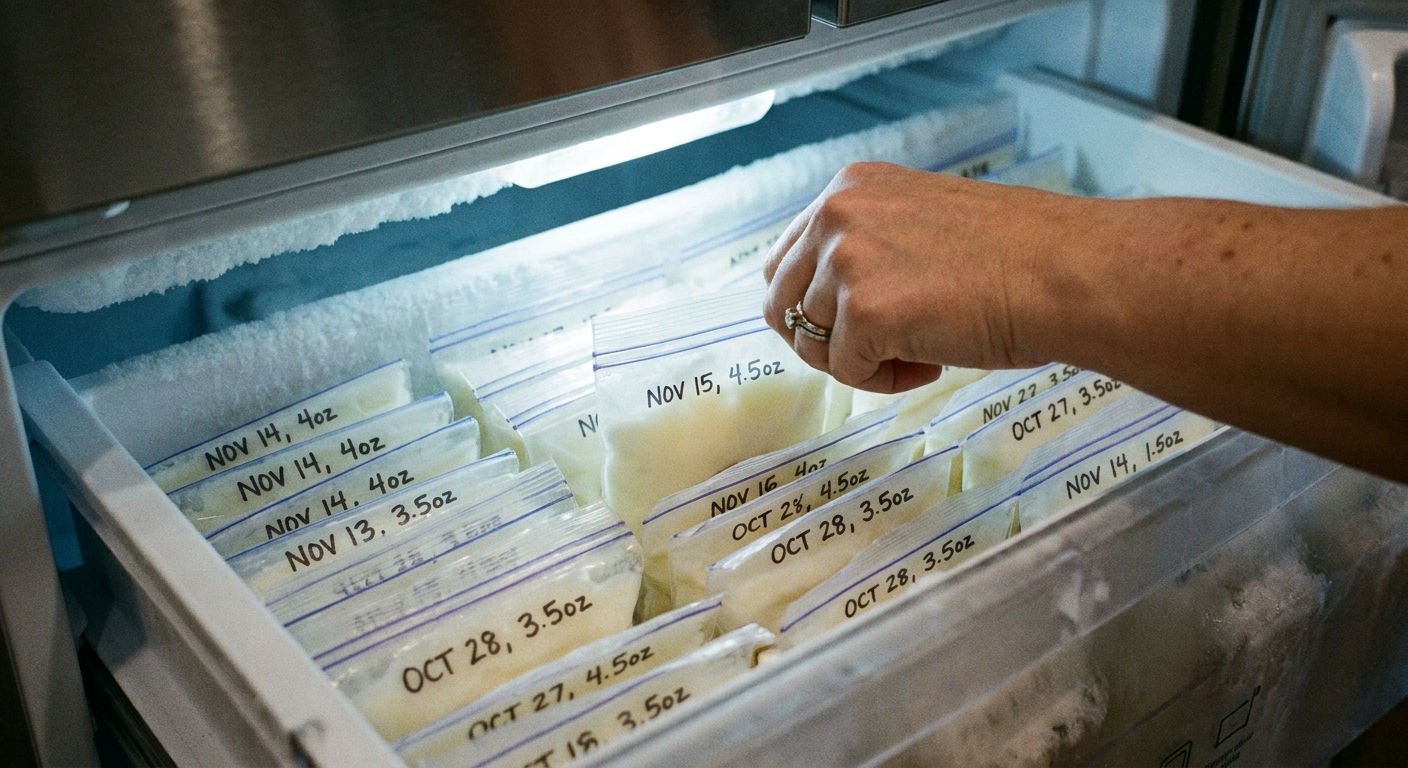
- Building a stash: Pumping earlier in the day or before drinking gives you milk to use later.
Milk looks watery
Parents often ask if alcohol makes milk look different. In most cases, you cannot reliably “see” alcohol in breast milk. Milk can look thinner or more watery at certain times of day or during a feed because it naturally shifts from higher water content to higher fat content. That is normal, and it is not a sign your milk is “bad.”
Can I smell alcohol in my milk?
Sometimes you might notice a faint odor after drinking. Smell is not a dependable safety test. Timing and safe, unimpaired caregiving are more useful tools.
How to plan a drink
Here are realistic, low-stress strategies I used as a nurse and now as a mom, especially for weddings, holidays, and those random Tuesdays that felt like Thursdays.
1) Feed first, then drink
Breastfeed (or pump) right before you have a drink. Then the longest stretch before the next feed is already built in.
2) Keep it to one standard drink when possible
One drink usually means a shorter waiting window. It is also easier to stay safely alert for night wakings.
3) Have a backup feeding plan
- Previously expressed milk, if you have it
- Formula, if that works for your family
- A sober caregiver who can handle a feed while you rest
4) Think safety first, not just milk
The biggest immediate risk of alcohol and babies is often not the milk. It is impaired caregiving.
- Avoid bed-sharing if you have had any alcohol.
- Avoid holding baby on stairs, in a bath, or while you feel unsteady or very sleepy.
- If you are too impaired to drive, you are too impaired to be the only adult in charge of a newborn.
5) Extra caution with other substances
If alcohol is combined with sedating medications (including some sleep aids, anxiety meds, or opioids) or other substances like cannabis, the safety picture changes. Ask your clinician for individualized guidance and prioritize having a sober adult handle baby care.

Common questions
Does alcohol in breast milk make babies sleepy?
Higher alcohol intake can affect infant behavior and sleep patterns. With occasional moderate intake and appropriate timing, exposure is typically low. If you notice your baby seems unusually sleepy, hard to wake, or feeding poorly, do not chalk it up to “just the drink.” Treat it as a reason to check in with a clinician.
What about pumping right before drinking and saving that milk?
Great plan. Milk expressed before alcohol is not affected by the drink you have later.
Do alcohol test strips work?
They can detect alcohol, but results can vary by brand and use, and they do not automatically tell you what is “safe” for your specific baby. Also, even a low reading does not address the bigger safety issue of impaired caregiving. For most parents, practical timing, sticking to moderate intake, and avoiding impairment are more useful than testing every bottle.
Does alcohol affect supply?
Alcohol can temporarily reduce milk letdown for some parents and may slightly decrease the amount a baby transfers at a feed. Eating, staying hydrated, and avoiding long skipped feeds can help.
When to call a clinician
Reach out to your pediatrician, your OB provider, or a lactation consultant if:
- Your baby is very sleepy, difficult to wake, or has trouble feeding.
- Your baby has breathing changes, limpness, or you are worried something is off.
- You drank more than you planned and are unsure about the safest next step.
- Your baby was born prematurely, is very young, or has medical conditions and you want personalized guidance about alcohol timing.
If your baby has trouble breathing, turns blue or gray, is unusually limp, or you cannot wake them normally, seek urgent medical care.
Bottom line
You do not need to be punished with guilt or extra chores for having a drink. In most cases, time is what lowers alcohol in breast milk, not pumping.
- Plan around feeds. Nurse first, then have your drink.
- Use simple timing. Think roughly 2 to 3 hours per standard drink, longer for bigger pours.
- Prioritize safe caregiving. Being unimpaired, having a sober adult available, and using a safe sleep setup matter a lot.
Sources you can trust
- CDC: Breastfeeding and alcohol
- NIH LactMed: Ethanol
- Academy of Breastfeeding Medicine (ABM) Clinical Protocol #21: Substance use and breastfeeding
- American Academy of Pediatrics (AAP): Guidance on alcohol and breastfeeding (patient education and policy summaries)
If you are reading this at 3 AM with a baby attached to you like a tiny barnacle, I want you to hear this clearly: you are doing a good job. You deserve clear information and a little kindness, including from yourself.