Baby-Led Weaning vs. Purees

Sarah Mitchell
Sarah Mitchell is a Registered Pediatric Nurse and a mother of three who has spent over a decade helping families navigate the beautiful, chaotic early years of childhood. She combines evidence-based medical knowledge with real-world parenting experience to offer practical, compassionate advice. At Awesome Parent, Sarah's mission is to help exhausted parents find solutions, trust their instincts, and finally get some sleep.
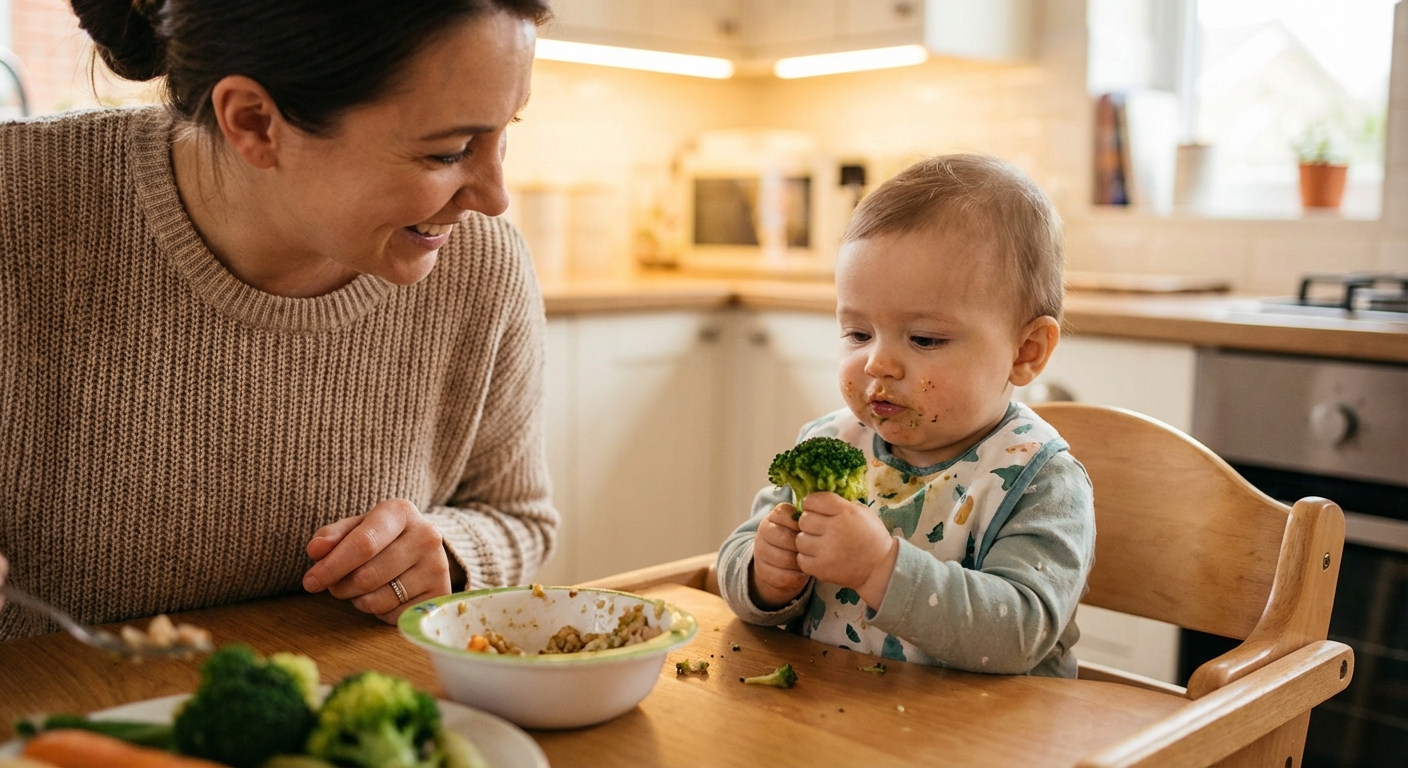
If you are staring at your baby and a spoon and thinking, How is this suddenly a high-stakes life decision, you are in good company. In the pediatric clinic, I saw parents arrive with printouts from late-night searches, convinced there is one perfect way to start solids and they might ruin everything if they choose wrong.
Here is the reassuring truth: both traditional purees and baby-led weaning (BLW) can be safe and healthy when done thoughtfully. Many families also choose a combo approach, because real life is not a philosophy seminar, it is Tuesday at 6:12 pm and someone is hungry.
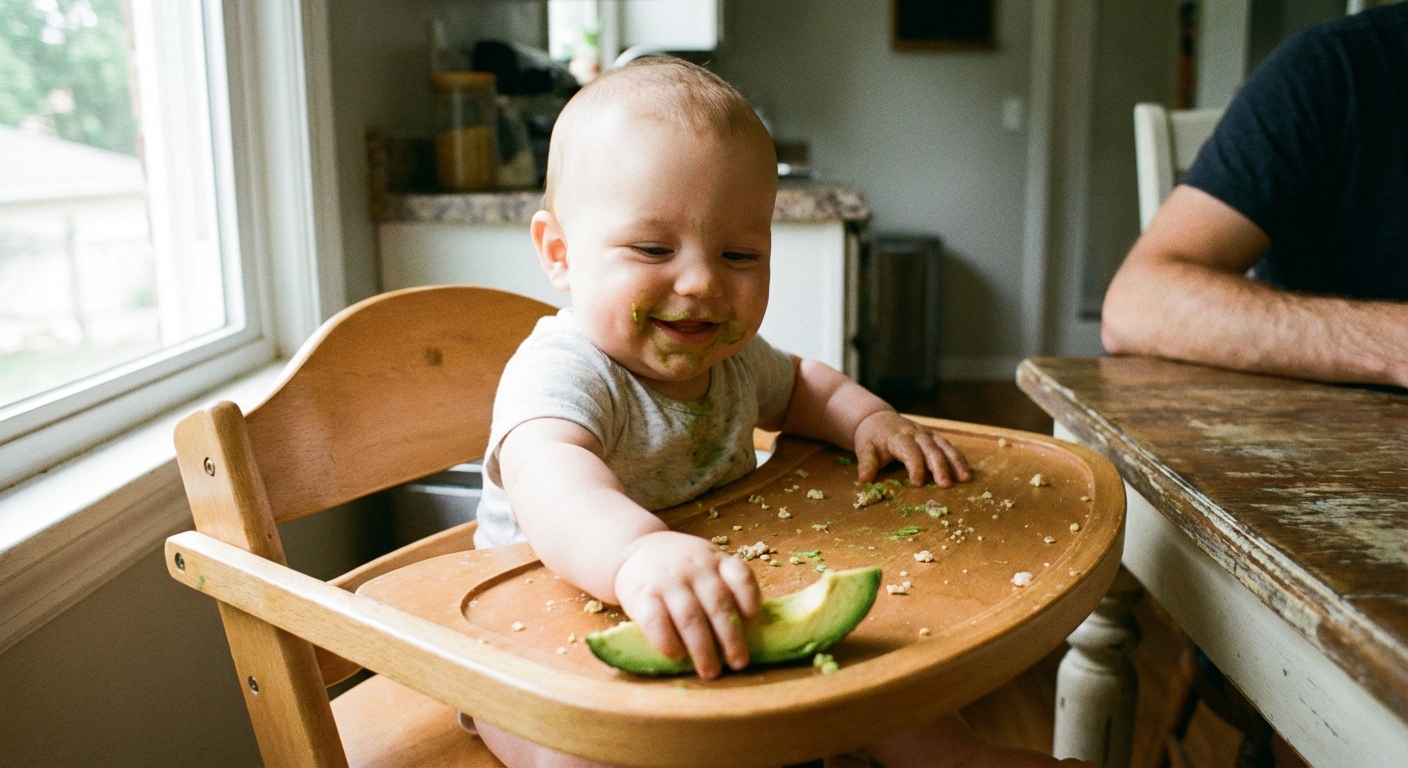
Let’s walk through what each method really is, what the research to date suggests, and how to pick a plan that fits your baby and your nervous system.
When can babies start solids?
Most babies are ready to begin complementary foods (solids alongside breast milk or formula) around 6 months. Some show readiness a bit earlier, but in general, waiting until close to 6 months helps with posture, coordination, and safety.
Readiness signs
- Sits with minimal support and has good head and neck control
- Brings toys and hands to mouth and can move food toward the back of the mouth
- Shows interest in food (watching you eat, reaching, opening mouth)
- Loss of the tongue-thrust reflex (not automatically pushing everything out with the tongue)
Important: starting solids is not about replacing milk feeds right away. Breast milk or formula remains the primary nutrition through much of the first year. Continue breast milk or formula until 12 months (and longer if breastfeeding is working for you and baby), while solids gradually become a bigger part of the day.
Safety checklist
- Baby should be upright in a high chair with good trunk support
- Always supervised while eating
- Avoid eating in a car seat, stroller, or while crawling around
- Learn the difference between gagging and choking (we will cover this below)
Purees vs. BLW
Traditional purees
Traditional spoon-feeding typically starts with smooth purees (like blended meats, beans, vegetables, fruit, yogurt, or iron-fortified cereal). Over weeks, texture progresses from smooth to mashed to lumpy and then to soft finger foods.
Baby-led weaning (BLW)
In BLW, baby primarily self-feeds developmentally appropriate finger foods from the start. The adult chooses what foods are offered and prepares them safely. The baby chooses what and how much to eat.
In real families, BLW still includes help sometimes. There is no parenting merit badge for refusing to ever preload a spoon.
Gagging vs. choking
Let’s get calm and specific, because fear gets loud when we are vague.
Gagging
Gagging is common in the early months of solids for both methods, especially BLW. It is a protective reflex and often looks dramatic. You might see:
- Tongue forward or tongue thrusting
- Coughing or sputtering
- Watery eyes
- Red face
If baby is making noise and moving air, that is usually gagging.
Choking
Choking is when the airway is blocked. It can be quiet. Signs can include:
- No sound or inability to cough
- Difficulty breathing
- Blue or dusky color
- Panic or wide eyes
If baby is silent and cannot cough, cry, or breathe, treat it as choking and act immediately. Start infant first aid and call emergency services.
If you have not taken an infant CPR class, put it on your short list. Not because solids are inherently dangerous, but because you will feel more confident in your own body when you know what to do.
Is BLW more dangerous?
When BLW is done with appropriate food shapes and textures and baby is ready and seated upright, studies to date suggest choking rates are similar between BLW and traditional feeding. The bigger risk comes from high-risk foods and poor positioning, not from whether you used a spoon.
That said, some babies and some parents do better with a slower texture progression. Safety includes the adult’s ability to stay present and not panic every meal.
Nutrition basics
When families ask me what to start with, I usually say: think iron, zinc, energy, and variety. At around 6 months, babies’ iron stores from pregnancy begin to drop. Many common starter foods (hello, applesauce) are fine, but they are not iron powerhouses.
Great first foods
- Iron-rich: softly shredded beef or lamb, dark meat poultry, well-cooked lentils, mashed beans, iron-fortified baby cereal, tofu, egg
- Energy and fats: full-fat yogurt, avocado, nut butter thinned and spread thinly, olive oil added to purees
- Produce: sweet potato, zucchini, carrots, peas, pears, peaches (cooked or very ripe as needed)
One practical tip: aim to include an iron-rich option once or twice per day when solids get going, even if the portion is tiny.
Plant iron tip: pairing plant-based iron (like beans or lentils) with vitamin C can help absorption. Think very soft strawberry slices (or mashed strawberries), citrus segments with membrane removed, or well-cooked broccoli florets that mash easily.
Purees: pros and cons
Why families love them
- Predictable texture and a gradual progression
- Often feels less intimidating for caregivers
- Easy to pack for daycare and on-the-go
- Simple to include iron-fortified cereal and blended meats or beans
Common challenges
- Some babies dislike being spoon-fed or get frustrated
- Adults can accidentally override hunger and fullness cues by coaxing “just one more bite”
- If texture progression is delayed too long, some babies become texture hesitant later
My nurse-mom note: you can do purees and still prioritize responsive feeding. Offer, watch, pause. Let baby lead the pace, even if you are holding the spoon.
BLW: pros and cons
Why families love it
- Encourages self-feeding and autonomy
- Baby explores textures early
- Often easier to include baby in family meals
- May support responsive feeding by design (baby controls intake)
Common challenges
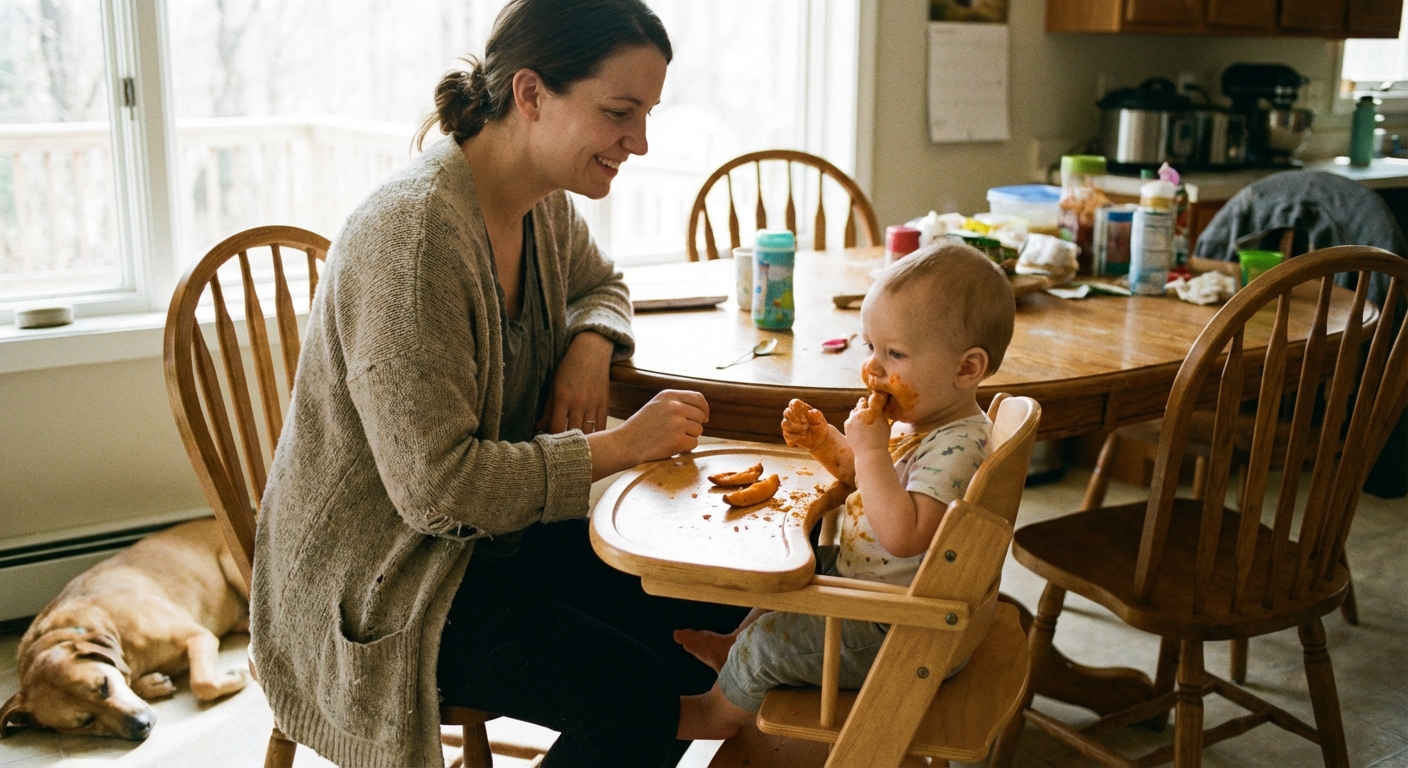
- Mess. So much mess. Plan accordingly.
- Harder to ensure enough iron without intention
- Caregivers may offer unsafe foods if they are not familiar with high-risk items
- Some babies with oral-motor delays or prematurity may need a modified approach guided by their clinician
Mess tip from my third child: a full-coverage bib and a washable mat under the high chair can save your relationship with your floor.
How to choose
If you are torn, ask yourself these very un-glamorous, very helpful questions:
- How does my baby handle sitting and bringing objects to their mouth? Strong control supports either approach.
- How anxious do I feel watching self-feeding? If you are white-knuckled, start with purees or a gentle combo.
- Who will feed my baby most often? Grandparents, daycare, and babysitters need a plan they can follow safely.
- Can I consistently offer iron-rich foods? If BLW tends to become “banana every day,” consider adding iron-fortified cereal or pureed meats or beans.
- Does my baby have reflux, prematurity, low tone, or developmental concerns? Ask your pediatrician or a feeding therapist for individualized guidance.
And you are allowed to choose the method that helps you feel calm enough to enjoy the milestone. Babies pick up on our stress. They also pick up avocado, but still.
Combo feeding
A combo approach is exactly what it sounds like: some meals are purees, some are finger foods, and many are both.
Simple plan for week 1
- Once daily offering when baby is not overly tired or starving
- Offer one finger food (soft stick shapes) plus one puree (preloaded spoon or parent-assisted)
- End when baby is done, not when the bowl is empty
Easy combo meals
- Preloaded spoon of full-fat yogurt + soft ripe pear slices
- Iron-fortified cereal mixed with breast milk or formula + steamed sweet potato wedges
- Mashed black beans (thicker texture) + very soft avocado slices rolled in finely ground sesame or hemp hearts for grip
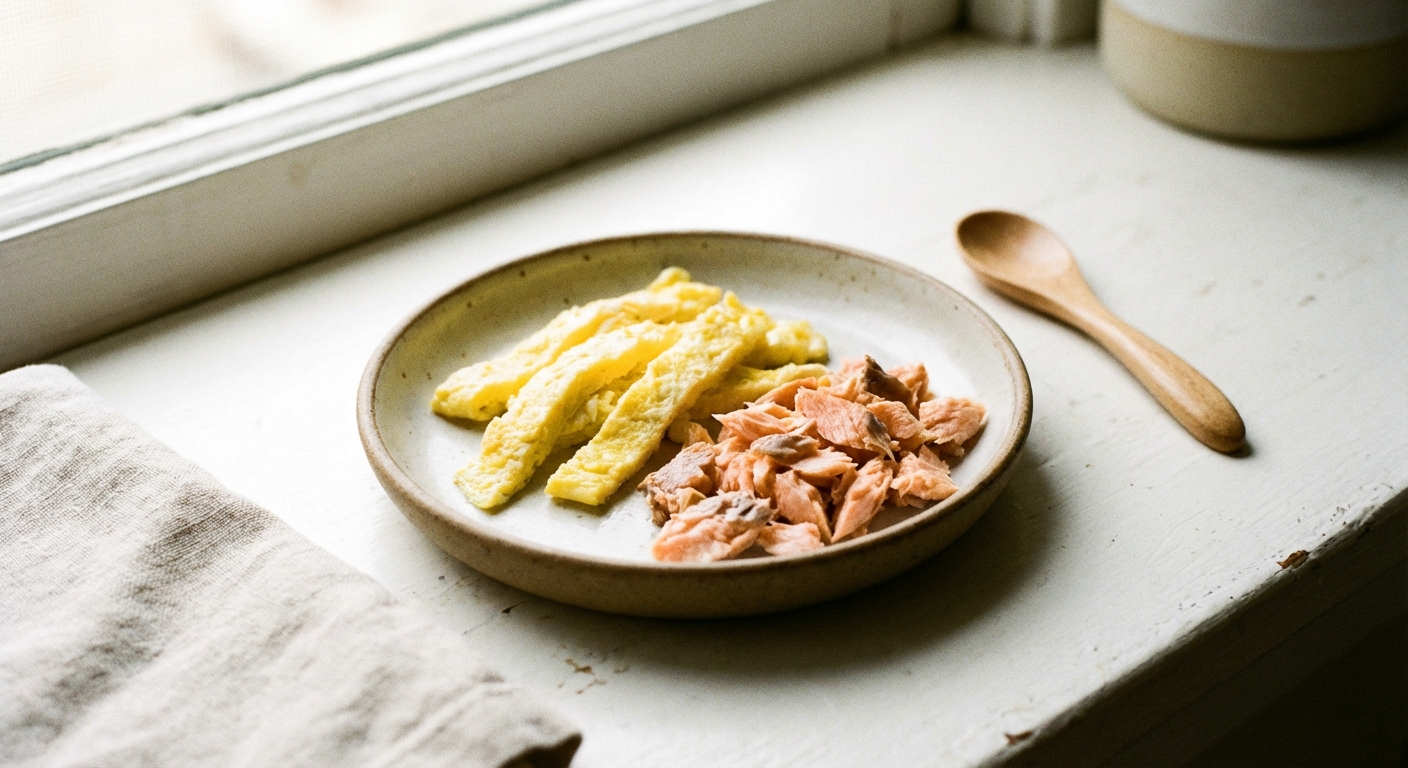
- Soft scrambled egg strips + applesauce (or better yet, cinnamon apples cooked and mashed)
This approach gives you texture exposure, self-feeding practice, and a reliable path to iron.
Finger food prep
The safest finger foods are soft enough to squish between your fingers and shaped so baby can grasp them.
Serving tips
- Shape: large sticks or spears (about adult finger size) for early grasping
- Texture: cook until very soft, especially veggies and fruits
- Grip: roll slippery foods (like avocado) in fine powders or meals (like ground seed meal or baby cereal), not chunks or whole seeds
- Meat: offer very tender shredded meat, meatballs that crumble easily, or thin strips of soft-cooked meat
Choking hazards
These are common choking hazards for babies and young toddlers:
- Whole nuts, popcorn
- Whole grapes, cherries, and firm round berries (cut grapes lengthwise into quarters; smash soft berries)
- Hot dogs (if offered, cut lengthwise into quarters and then into small pieces)
- Chunks of raw apple or carrot (cook until soft or grate finely)
- Nut butter in thick globs (thin and spread very thinly)
- Marshmallows, hard candy
- Dry, puffy snacks and rice cakes that break into tricky pieces
If you are unsure about a food, default to softer, smaller, and easier to mash.
Foods and drinks to avoid
This is the short list I want you to actually remember.
- No honey before age 1 (risk of infant botulism)
- No cow’s milk as a main drink before 12 months (yogurt and cheese are fine in age-appropriate forms)
- Avoid unpasteurized foods and drinks (unpasteurized milk, cheeses, juices)
- Limit added salt and added sugar (babies do not need it, and it crowds out better nutrition)
- Skip juice (whole fruit is better; milk remains the main drink)
Water with meals
Once solids begin, offering small sips of water in an open cup or straw cup with meals can help with mouth comfort and cup practice. Water is not meant to replace breast milk or formula at this age, just to support the learning curve.
Allergens
Current guidance supports introducing common allergens around the time you start solids, once you have a couple of low-risk foods going. Early exposure may reduce the risk of developing certain food allergies, especially for peanut and egg.
Common allergens
- Peanut
- Egg
- Dairy
- Wheat
- Soy
- Sesame
- Fish and shellfish
- Tree nuts
Safer ways to offer allergens
- Peanut: peanut butter thinned with yogurt or warm water and spread thinly, or peanut powder mixed into puree
- Egg: soft scrambled egg, omelet strips
- Wheat: soft pasta, wheat cereal, small pieces of toast that soften easily
After tolerance: keep the food in the routine. For many families, “regular” looks like offering the allergen a few times per week in an age-appropriate form.
If your baby has severe eczema, a known food allergy, or a strong family history of allergy, talk with your pediatrician about the best plan and timing.
What to expect
In the beginning, solids are mostly about learning, not volume. Some days baby will eat two peas and a speck of chicken and you will think, Was that a meal or a performance art piece? Normal.
- Gagging: common early on, usually decreases with practice
- Mess: part of sensory learning, even with purees
- Poop changes: smellier, thicker, sometimes more frequent, sometimes less
- Intake: varies day to day, milk remains primary nutrition
How meals tend to ramp up
Many babies start with 1 meal per day, then gradually move toward 2 to 3 meals per day over the following months. There is a wide range of normal. Your job is the offering and the safety. Their job is the eating.
Troubleshooting
“My baby won’t open for the spoon.”
Try a preloaded spoon so baby can bring it to their mouth, or shift to thicker mashed textures they can scoop with their hands. Keep sessions short and pressure-free.
“My baby only plays with food.”
Play is learning. Offer food when baby is not overly hungry, and keep milk feeds consistent. Eating often increases naturally over weeks.
“I’m worried about iron.”
Build an iron habit: offer an iron-rich food daily (meat, beans, lentils, egg, fortified cereal). Pair plant-based iron with vitamin C foods when possible, served in safe shapes and textures.
“My baby has teeth. Is that safer?”
Teeth are not required for solids, and teeth do not prevent choking. Safety is about food prep, supervision, and posture.
“What about fish?”
Fish can be a great early food (soft flakes, well-cooked). If you serve fish regularly, vary options and favor lower-mercury choices like salmon, sardines, trout, cod, and pollock.
When to call the pediatrician
Reach out if you notice:
- Frequent coughing, gagging that does not improve, or signs of swallowing difficulty
- Persistent vomiting with solids
- Poor weight gain or feeding that feels consistently stressful
- Signs of allergy (hives, vomiting, swelling, wheezing) after a new food
- Baby was born premature or has known developmental concerns and you want a tailored plan
Trust your gut. If something feels off, it is worth a quick call. That is what we are here for.
Bottom line
You do not have to pick a team and swear loyalty. You have options.
- Purees can be a calm, structured start, especially when you progress textures steadily.
- BLW can support self-feeding and texture exploration, as long as you prep foods safely and prioritize iron.
- Combo feeding is a realistic, evidence-friendly middle path for many families.
Your baby does not need perfect. They need safe, supported practice and a parent who is not spiraling at the high chair. If that means avocado spears one day and oatmeal the next, welcome to parenting. It is allowed.