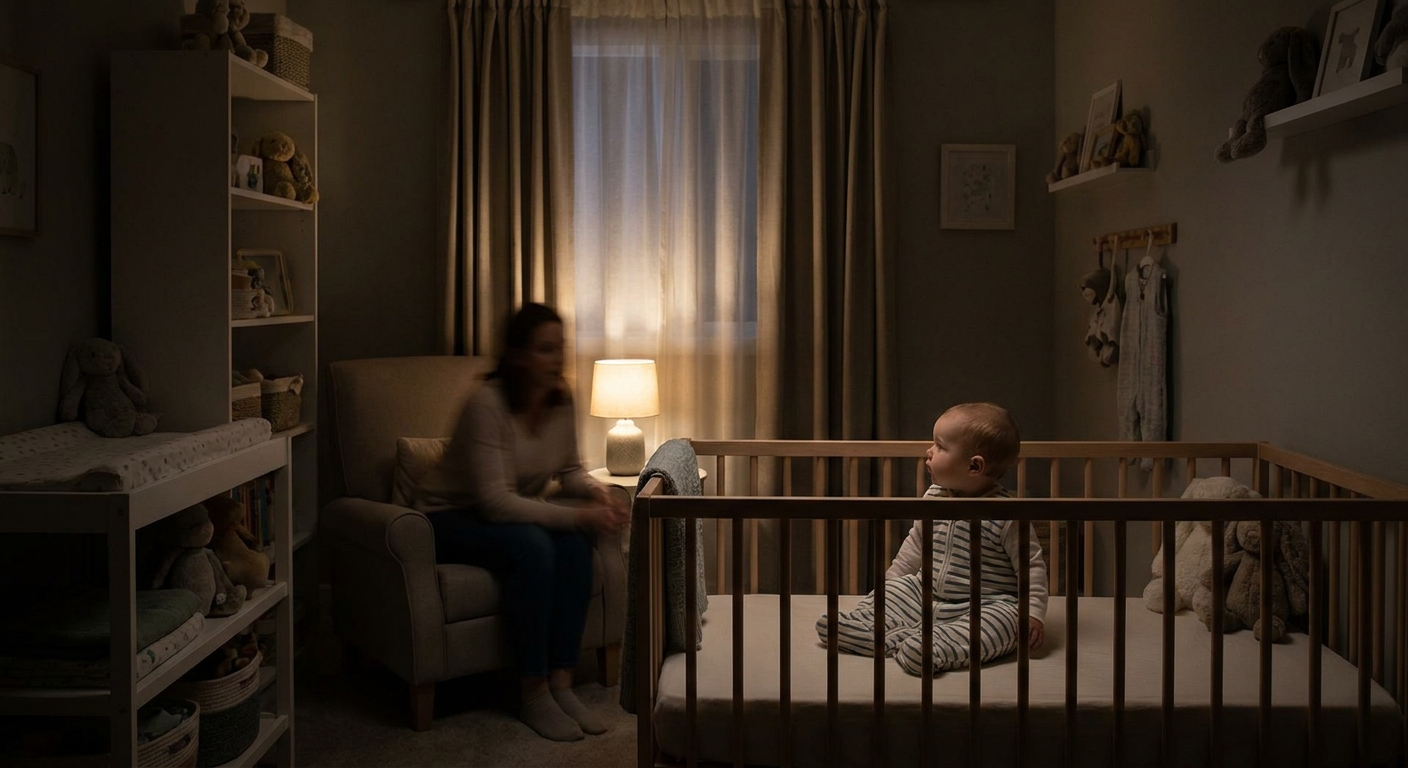
A calm, evidence-based guide to AAP safe sleep (2022): back to sleep, firm flat surface, empty crib, room-sharing, swaddling safety (avoid weighted products)...
Baby Sleep and Travel

Sarah Mitchell
Sarah Mitchell is a Registered Pediatric Nurse and a mother of three who has spent over a decade helping families navigate the beautiful, chaotic early years of childhood. She combines evidence-based medical knowledge with real-world parenting experience to offer practical, compassionate advice. At Awesome Parent, Sarah's mission is to help exhausted parents find solutions, trust their instincts, and finally get some sleep.
Traveling with a baby can feel like you’re packing up your entire life, paying money to be more tired in a different zip code. And then jet lag shows up like an uninvited houseguest who refuses to leave.
The good news: baby sleep and travel can go surprisingly well when you understand two things: (1) body clocks shift because of light, and (2) your goal is not “perfect sleep,” it’s “safe sleep and a gentle return to normal.” Let’s make a plan you can actually follow even when you’re running on airport pretzels and hope.
Note: This is general education, not medical advice for your specific child. When in doubt, check in with your pediatrician.
What jet lag looks like in babies
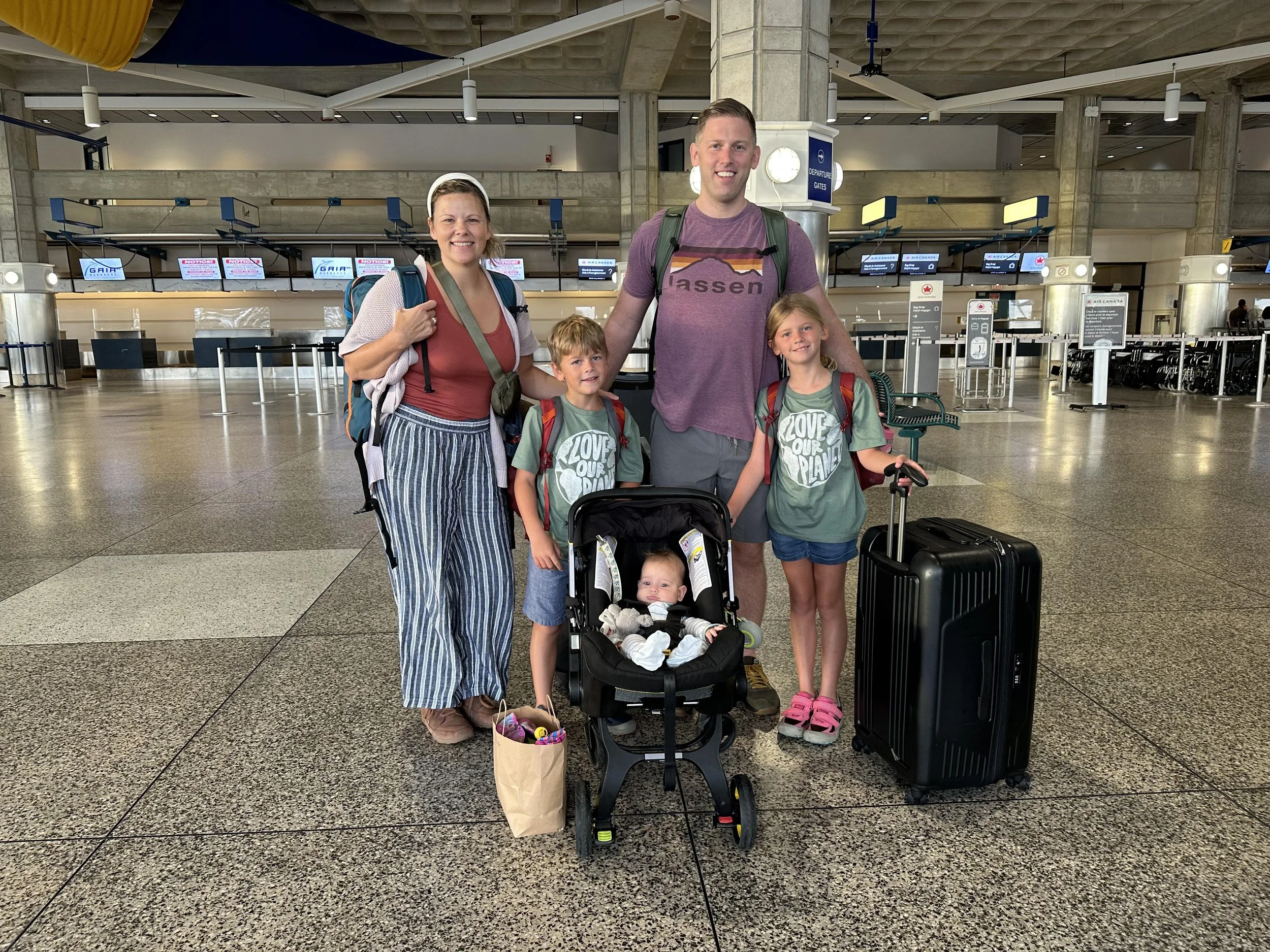
Jet lag is your baby’s internal clock (circadian rhythm) being out of sync with the local day and night. For babies and toddlers, it often shows up as:
- Early morning wake-ups or split nights
- Bedtime battles even though they seem exhausted
- Short naps or naps at strange times
- More night feeds, especially in younger babies
- Extra clinginess and cranky evenings
One important, sanity-saving note: if your baby is already in a phase of frequent night wakes at home, travel may highlight it, but it did not “ruin” your baby. Sleep skills do not evaporate forever because you crossed a few time zones.
The core rule: light sets the clock
If you take only one tip from this page, make it this: light is the lever. In general, light exposure earlier in the day tends to move the body clock earlier, and light later in the day tends to move it later. But the timing is more nuanced than “morning vs evening” because it depends on where your baby’s body clock thinks they are.
Your baby’s circadian rhythm responds to daylight through the eyes. And yes, even with those tiny baby eyelids, light exposure still matters.
Use light on purpose
- To adjust to an earlier time zone (traveling east): you usually want light earlier in the local day and dimmer evenings. For big jumps (about 4+ time zones east), be careful with very early morning light on day one or two because it can land in your baby’s “subjective night” and shift the clock the wrong way. Safer bet: aim for late morning to early afternoon outdoor light at first, then move it earlier over the next couple of days.
- To adjust to a later time zone (traveling west): allow more light in the late afternoon and early evening, and keep early mornings darker.
Indoor light helps a little. Outdoor daylight helps a lot. Even 15 to 30 minutes outside after waking (or at the best time for your direction of travel) can make a difference.
Should you shift the schedule before you leave?
Sometimes yes, often no. It depends on how many time zones you’re crossing and how long you’ll be there.
Quick decision guide
- 1 to 2 time zones: usually easiest to just travel and adjust on arrival.
- 3 or more time zones: consider shifting 15 to 30 minutes per day for 2 to 4 days before you leave if you have the bandwidth.
- Short trips (2 to 4 nights): many families do best keeping sleep closer to home time and staying flexible. Your baby can’t fully adjust before you’re headed back anyway.
- Longer trips (5+ nights): it is typically worth adjusting to local time.
Also, if pre-trip schedule shifting turns your house into a tiny sleep laboratory and everyone is miserable, you have my permission to skip it. Adjustment can happen after landing.
Age expectations
0 to 3 months
Circadian rhythms are still developing and day-night patterns may be inconsistent. Travel tends to be more about comfort, feeding, and safe sleep than “time zones.” Expect more cat naps and more feeds, and focus on:
- Keeping day bright and night dark at the destination
- Following wake windows loosely
- Prioritizing safe sleep set-ups wherever you are
4 to 6 months
This is when many babies start showing a clearer day-night pattern. Jet lag can hit harder. Expect 3 to 7 days of “off” sleep with big time changes. Keep anchors consistent (wake time, bedtime routine, feeding rhythm).
6 to 12 months
Babies this age often need a predictable schedule to sleep well. They are also more likely to form strong associations. Travel can temporarily increase night waking. The goal is to respond warmly without accidentally creating a brand-new, impossible-to-maintain sleep routine.
12 to 24 months
Toddlers can take longer to adjust because they are more alert, more opinionated, and more likely to fight sleep in unfamiliar places. Expect boundary-testing and early wakes. Keep naps protected and bedtime routine consistent.
2 years and up
With one nap or no nap, jet lag may show as bedtime drama and early mornings. Language and negotiation skills are high, so be clear and boring: “It’s sleep time. I’m right here.”
On travel day: protect the basics
Travel days are not when we chase the perfect nap schedule. Travel days are when we keep everyone fed, hydrated, and regulated enough to sleep at some point.
Do this on the plane or in the car
- Let naps happen. A nap in a carrier or car seat (during travel) is still a nap. For safety, if your baby falls asleep in a car seat, move them to a firm, flat sleep space once you are no longer driving and it is practical to do so.
- Aim for “good enough” wake windows. If your baby falls asleep 30 minutes early, it’s fine. If they stay up longer than usual, also fine.
- Keep bedtime routine portable. Bring 2 to 3 familiar cues: pajamas, a short book, a song, a sleep sack.
- Feed normally. Changes in hydration and appetite are common. Offer feeds regularly, especially if air travel feels drying for them.
If your baby has a hard time equalizing ear pressure during takeoff and landing, offering a breast, bottle, or pacifier can help. If you have concerns about ear infections or pain with flights, check in with your pediatrician before you go.
Night feeds while traveling
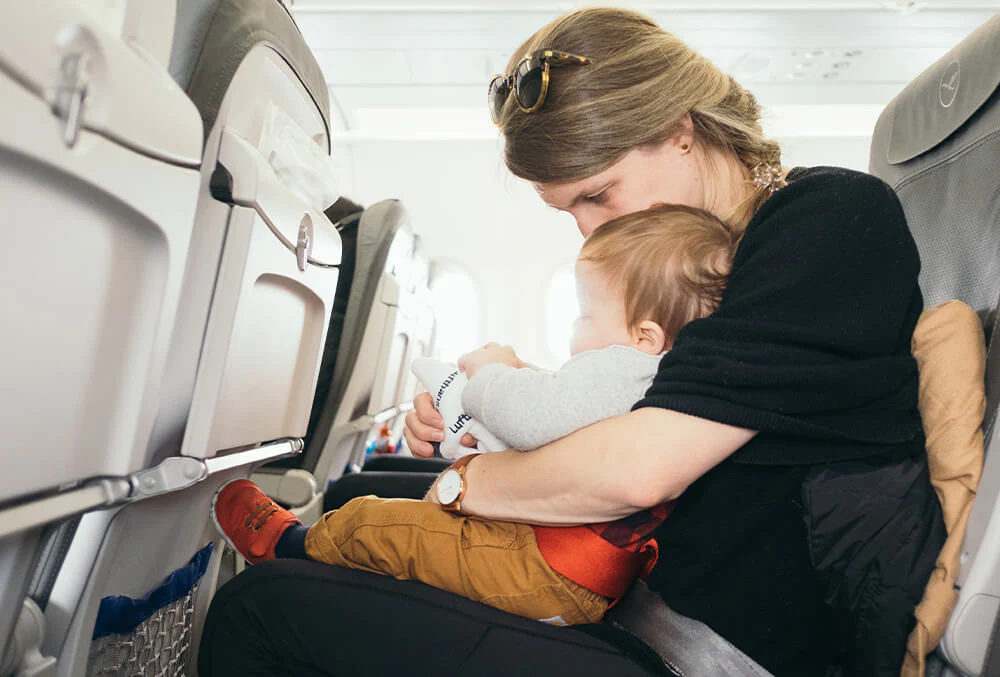
Travel often increases night waking. Sometimes it is genuine hunger. Sometimes it is “Where am I and why does this room smell different?” Both are valid.
If your baby normally feeds at night
- Keep feeds calm, dim, and boring.
- Try not to add new entertainment like scrolling your phone with bright light.
- If you are shifting to local time, offer feeds based on baby cues, but aim to keep the longest stretch of sleep aligned with local nighttime.
If your baby is usually night-weaned
You have two reasonable options, and neither makes you a “bad sleeper parent.”
- Option A: temporary support. Offer a quick feed or extra comfort for 1 to 3 nights to get everyone through, then return to your usual plan once settled.
- Option B: hold the boundary. Respond with your normal soothing routine without feeding, especially if you are confident hunger is not the issue.
What I would avoid is accidentally introducing a whole new pattern, like a full feeding plus an hour of awake playtime at 2 AM. Comfort, yes. Midnight party, no.
A realistic reset plan
Many babies adjust at a pace of about one time zone per day, but it varies. It is often slower when traveling east, especially with bigger jumps.
Step 1: Pick two anchors
- Morning wake time (within a 30 to 60 minute window)
- Bedtime routine start time (same order, same cues)
Even if naps are messy, anchors help the whole day stabilize.
Step 2: Get outside at the right time
Aim for outdoor light daily. For westbound travel, late afternoon light can help. For eastbound travel, morning light usually helps, but for major eastward trips start with late morning or early afternoon light for a day or two, then shift it earlier as your baby’s clock catches up.
Step 3: Offer naps, but cap the “disaster nap”
If your baby is taking a very late, very long nap that will blow up bedtime, consider a gentle cap. Not every nap needs capping, but a 2.5-hour nap that ends at 5:30 PM is a classic jet lag trap.
Step 4: Use bedtime strategically
- If your baby is falling asleep way too early (like 5 PM local time), try a brief, calming stretch with appropriate light exposure and an early bedtime closer to 6:30 or 7 PM.
- If your baby is wide awake at midnight local time, keep lights dim and interactions minimal, then use outdoor light at the best time the next day to help shift.
When in doubt, choose earlier bedtime rather than pushing an overtired baby too late. Overtired babies often sleep worse, not better.
Sleep setup on the road
New spaces can be stimulating. Your goal is “close enough to home” that your baby’s brain gets the message: sleep happens here too.
Bring a mini sleep kit
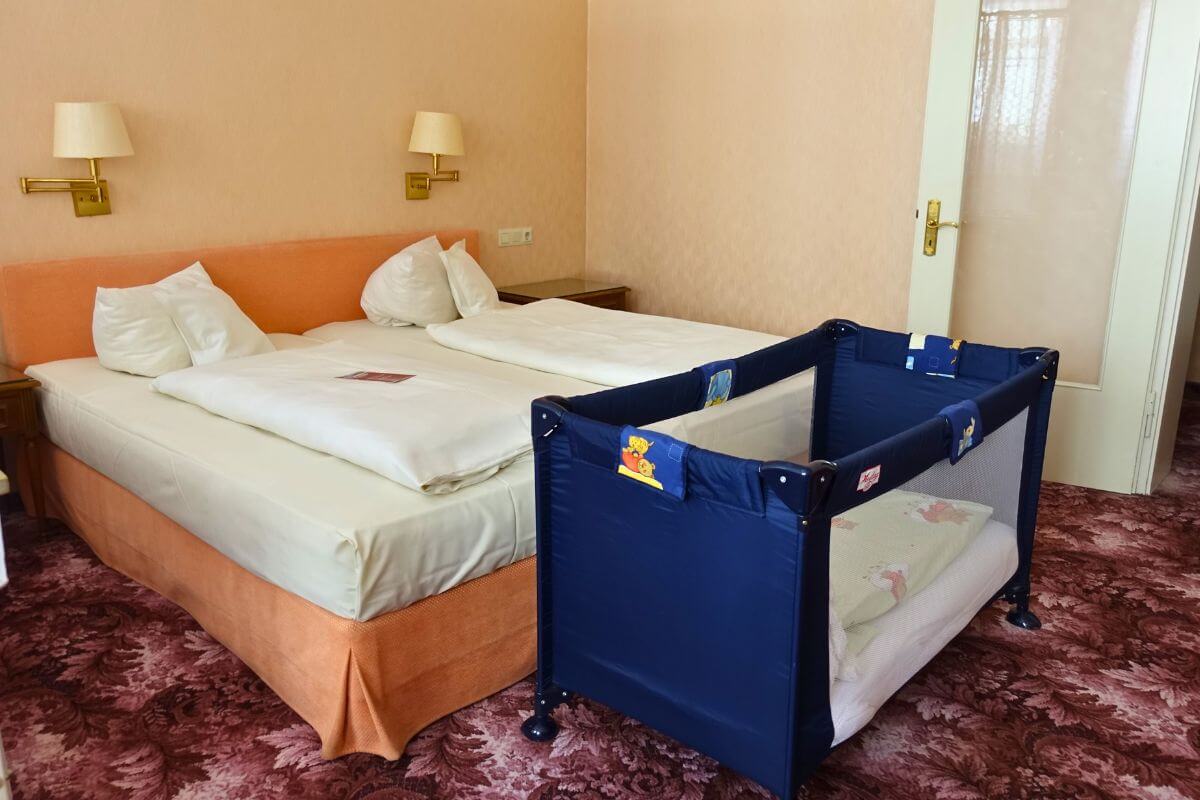
- Portable crib or travel bassinet that meets safety standards and is assembled correctly
- Familiar sleep sack
- White noise machine (or a phone app at a safe distance)
- Blackout solution (travel blackout curtain, or temporary window covering used safely)
- Two fitted sheets in case of leaks or spit-up
About blackout hacks: Some families use dark plastic and tape in a pinch. If you do, keep any plastic completely out of reach, avoid blocking ventilation, and make sure you are not interfering with safe exit routes. If it feels even a little sketchy, skip it and use a portable blackout curtain instead.
Safe sleep reminder: Use a firm, flat sleep surface with a fitted sheet only. Avoid pillows, loose blankets, positioners, and sleeping on couches or armchairs. If you have questions about your travel sleep setup, your pediatrician is a great resource.
Coming home
Returning home can be its own jet lag event. The biggest mistake I see (as a nurse and as a mom) is trying to “fix everything” in one day.
Try this 3-day reset
Day 1: light and anchors
- Get outside in the morning (or at the best time for your direction of travel).
- Keep bedtime routine consistent.
- Allow an earlier bedtime if everyone is fried.
Day 2: tighten naps gently
- Guide naps toward usual times.
- Cap a late nap if needed to protect bedtime.
Day 3: return to your normal plan
- Resume typical wake time window.
- Resume your normal night response approach (feeds, soothing method, etc.).
If your child is in daycare, that schedule can help pull them back into rhythm quickly. If you are home, outdoor light and a consistent wake time do most of the heavy lifting.
Common problems
Problem: 4 AM wake-ups
- Keep the room dark and boring.
- Treat it like night for as long as you reasonably can.
- Get outdoor light at your desired morning wake time.
- Consider an earlier bedtime for a few nights.
Problem: Bedtime takes forever
- Check nap timing. A very late nap can push bedtime late.
- Dim lights 60 to 90 minutes before bedtime.
- Keep routine short and predictable.
Problem: Extra night waking in a new place
- Increase daytime connection and calm play. Travel can be overstimulating.
- Use white noise and make the room as dark as possible.
- Respond consistently. Decide ahead of time if you are offering feeds, rocking, or check-ins.
Problem: Refusing the travel crib
- Let them play in it during the day with you nearby.
- Use a familiar sheet from home (washed and fitted properly).
- Prioritize a safe setup over a perfect one. If needed, consider a room-sharing arrangement that still keeps baby on a safe surface.
How long does it take?
For many babies, jet lag improves within:
- 1 to 3 days for small changes (1 to 2 time zones)
- 3 to 7 days for bigger changes (3+ time zones), often longer when traveling east
Toddlers can take longer, and that is not a parenting failure. It is biology plus big feelings plus new surroundings.
If you’re in the thick of it, remember this: your baby is not giving you a hard time. They are having a hard time. You can be the steady, calm “home base” while their body clock catches up.
Melatonin?
You are not the only parent wondering. For babies and young toddlers, melatonin is not a DIY travel hack. If you are considering it for an older child, talk with your pediatrician first so you can weigh safety, age, and whether it fits your situation.
When to call your pediatrician
Most travel sleep disruptions are normal and temporary. Reach out to your pediatrician if:
- Your baby is under 3 months and has a fever, poor feeding, or fewer wet diapers
- You suspect illness (ear pain, persistent vomiting, breathing concerns)
- Sleep changes come with significant lethargy or your parent gut says something is off
You are never “overreacting” by asking. I’d rather talk to a tired parent early than see a worried one later.
Quick cheat sheet
- Light is the lever. Use outdoor light at the right time for east vs west travel (and be cautious with very early light after big eastbound jumps).
- Pick anchors: wake time window plus bedtime routine.
- Travel day naps count. Perfection is not required.
- Keep nights boring. Dim lights, minimal interaction.
- Reset gently at home over 3 days, not 3 hours.
If you want, jot down your current schedule, where you’re traveling, how many time zones, and your baby’s age. I can help you map a realistic shift plan that keeps everyone as rested as possible.
Sarah Mitchell
Sarah Mitchell is a Registered Pediatric Nurse and a mother of three who has spent over a decade helping families navigate the beautiful, chaotic early years of childhood. She combines evidence-based medical knowledge with real-world parenting experience to offer practical, compassionate advice. At Awesome Parent, Sarah's mission is to help exhausted parents find solutions, trust their instincts, and finally get some sleep.