Baby Teething Order: When Each Tooth Comes In

Sarah Mitchell
Sarah Mitchell is a Registered Pediatric Nurse and a mother of three who has spent over a decade helping families navigate the beautiful, chaotic early years of childhood. She combines evidence-based medical knowledge with real-world parenting experience to offer practical, compassionate advice. At Awesome Parent, Sarah's mission is to help exhausted parents find solutions, trust their instincts, and finally get some sleep.
Teething can feel like it lasts approximately one thousand years. One week your baby is all gummy smiles, and the next you are Googling “is this drool normal” at 3 AM while someone angrily chews their own fist.
The good news: there is a typical baby teething order, and most kids follow it closely enough that you can plan for what’s next. The other good news: there is a wide range of normal. Early teeth, late teeth, teeth that come in out of order, and teeth that appear in pairs like they are coordinating a surprise party all happen.
Clinical note: The general sequence below is consistent with guidance commonly used by pediatric clinicians and pediatric dentists (including the American Academy of Pediatrics and the American Academy of Pediatric Dentistry). Exact age ranges vary by reference and by child.
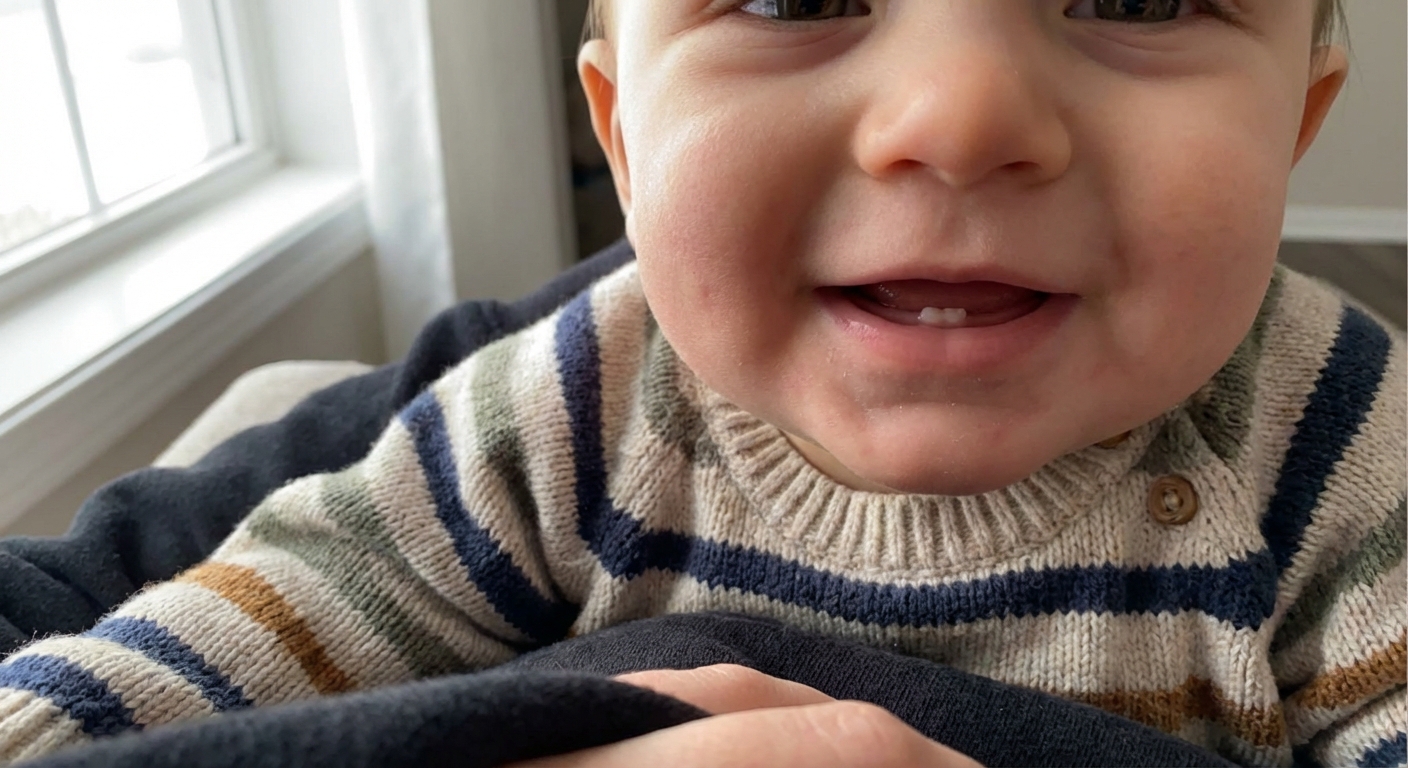
Quick timeline: typical teething order by age
Most babies get their first tooth around 6 months, and most have a full set of 20 primary teeth by age 2 to 3.
Below is the classic eruption sequence with typical age ranges. Remember, these are averages, not deadlines.
| Tooth (primary/baby) | Typical age it appears | Where it shows up |
|---|---|---|
| Central incisors | 6 to 10 months | Bottom front (usually first) |
| Central incisors | 8 to 12 months | Top front |
| Lateral incisors | 9 to 13 months | Top, next to the front teeth |
| Lateral incisors | 10 to 16 months | Bottom, next to the front teeth |
| First molars | 13 to 19 months | Top, back chewing teeth |
| First molars | 14 to 18 months | Bottom, back chewing teeth |
| Canines (cuspids) | 16 to 22 months | Top, pointy teeth between incisors and molars |
| Canines (cuspids) | 17 to 23 months | Bottom, pointy teeth |
| Second molars | 23 to 31 months | Top, very back chewing teeth |
| Second molars | 25 to 33 months | Bottom, very back chewing teeth |
Most common pattern: bottom front two first, then top front two, then the “neighbors,” then molars, then canines, then the last molars.
What’s normal with teething
Here’s the truth: teething is predictable in the big picture and wildly unpredictable week to week.
- Teeth can come in pairs (or one at a time). Both are normal.
- One side can come in first. The matching tooth may follow days or weeks later.
- Symptoms often peak before you see the tooth. The gum can be irritated for days, then suddenly you spot the edge.
- Order can vary, especially with lateral incisors and canines. Mild out-of-order eruption is usually fine.
- Big range of timing. A healthy baby might pop the first tooth at 4 months or wait until 12 months.
When teething is late
Many parents worry when there are no teeth by 9 months. Often, it is just family genetics.
In general, some clinicians start to look more closely if there are no teeth by about 12 to 15 months, especially if there are other growth or development concerns. If there are still no teeth by 18 months, it’s a good idea to discuss it with your pediatrician or a pediatric dentist.
When to ask your pediatrician or dentist
- No teeth by 12 to 15 months (discuss), or still none by 18 months (get evaluated)
- Teeth erupting with unusual discoloration or obvious defects
- Severe pain with poor feeding or dehydration signs (fewer wet diapers, very dry mouth)
- Gum swelling that looks like a pus-filled bump or a foul smell from the mouth
- Any illness signs you are worried about (especially in young infants)
If you are ever unsure, it is absolutely reasonable to call. “This seems off” is a valid parenting instinct.
Stage by stage: what to expect
Let’s walk through each typical wave of teeth, what symptoms are common, and what tends to help in real life.
1) Bottom front teeth (6 to 10 months)
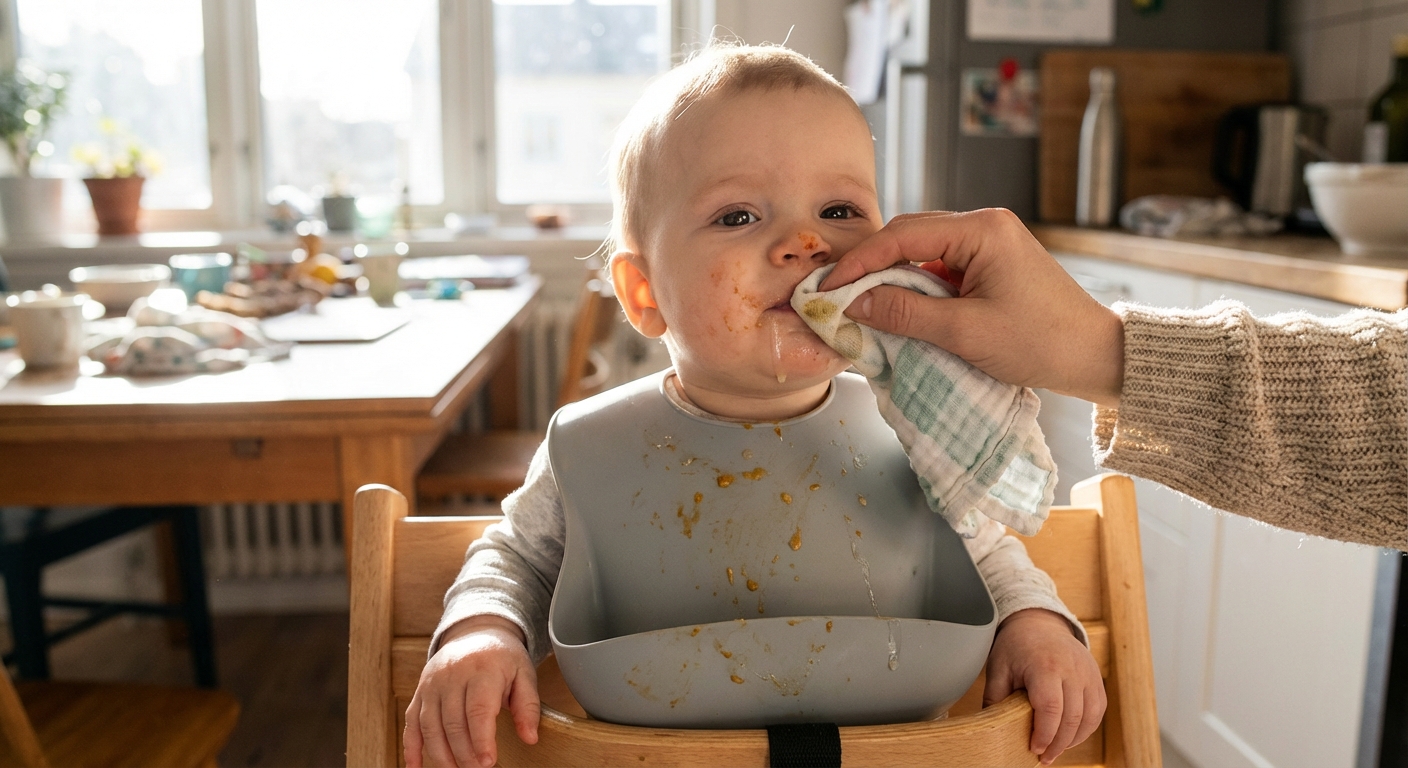
What’s happening: The first teeth usually appear on the bottom front. This is often the beginning of the drool era.
Common symptoms:
- Extra drooling and a drool rash on the chin or chest
- Chewing on hands, toys, your shoulder, the remote
- Fussiness in the evening
- Mild gum swelling
What helps:
- Cool teething ring (chilled in the fridge, not frozen solid)
- Clean finger gum massage for 1 to 2 minutes
- Wipe drool and use a thin barrier ointment on irritated skin
2) Top front teeth (8 to 12 months)
What’s happening: The top front teeth often follow soon after, which can make biting feel suddenly more intense.
Common symptoms:
- More biting during nursing or bottle feeds
- Disrupted sleep for a few nights
- Increased clinginess
What helps:
- Offer a teether before feeds if baby is “bitey”
- If nursing, calmly break latch when biting happens, then re-latch after a pause
- Stick with your bedtime routine. Teething can be bumpy, but routines keep everyone grounded.
3) Teeth next to the front (9 to 16 months)
What’s happening: These are the teeth next to the front two. Many babies get multiple incisors in a short stretch.
Common symptoms:
- Very frequent chewing
- Red, puffy gums in the front
- Occasional decreased appetite for solids
What helps:
- Cold washcloth: wet, twist, chill, then let baby chew while supervised
- Cold, soft foods if your baby is already safely eating solids: chilled yogurt, applesauce, or a cold puree in a feeder. Always supervise and follow your choking safety plan.
- Keep brushing even if baby protests. A quick brush is better than no brush.

4) First molars (13 to 19 months)
What’s happening: Molars are bigger, and they come in farther back. This stage can feel tougher because the pressure is spread over a larger area.
Common symptoms:
- More intense fussiness and night waking
- Chewing on everything, especially with the back gums
- Ear tugging (referred discomfort is common)
What helps:
- Offer teethers designed to reach the back gums
- Cold foods like refrigerated fruit puree or yogurt (age-appropriate)
- If your child seems truly uncomfortable, ask your pediatrician about proper dosing of acetaminophen or ibuprofen for age and weight. (Ibuprofen is typically used after 6 months.)
Quick reality check: Teething can cause gum tenderness and irritability, and some kids run a slight temp rise. A temperature of 100.4°F (38°C) or higher is more likely illness than teething, so treat that as a separate issue.
5) Canines (16 to 23 months)
What’s happening: Canines are the pointy teeth between incisors and molars. They can take their sweet time.
Common symptoms:
- Localized swelling near the corners of the mouth
- More biting and mouthiness
- Temporary crankiness or sleep disruption
What helps:
- Back to basics: cold teether, gum massage, consistent routine
- Model gentle biting alternatives: “Teether is for biting, people are not.” Repetition counts.
6) Second molars (2 to 3 years)
What’s happening: These are the last baby teeth, way in the back. Many toddlers get them around the same time as big life changes like daycare transitions or potty training. Fun timing, nature.
Common symptoms:
- Chewing, drooling, and irritability
- More tantrums (toddlers are already emotional, and discomfort lowers their coping skills)
- Night waking or early morning wakeups
What helps:
- Extra comfort and connection. Your toddler is not “regressing,” they are uncomfortable.
- Cold snacks and lots of water
- Keep brushing twice a day, even if it takes two grown-ups and a short song

Teething symptoms: what’s real, what’s not
Teething gets blamed for basically everything. Some of that is fair, and some of it sends parents down the wrong path.
Common, normal teething symptoms
- Drooling
- Chewing and biting
- Fussiness, especially evenings
- Mild gum swelling or tenderness
- Slightly decreased appetite
- Sleep disruption for a few days
- Slight temp rise (generally below 100.4°F/38°C)
Myth buster: diarrhea and diaper rash
A very common belief is that teething causes “acidic poop,” diarrhea, or a diaper rash from swallowed drool. In reality, teething should not cause persistent diarrhea. Some babies have a looser stool here or there (they also put everything in their mouth during teething, which is its own germ situation), but ongoing diarrhea or a significant diaper rash deserves a separate look.
Symptoms to treat as “something else”
- Fever of 100.4°F (38°C) or higher
- Vomiting
- Diarrhea that is persistent or severe
- Rash beyond a simple drool rash
- Persistent crying or inconsolability
- Refusing fluids or fewer wet diapers
If your baby is sick, trust that. Teething can happen at the same time as a cold, but teething does not protect them from germs.
How to care for new teeth
The goal is not perfect dental care. The goal is steady habits that protect tiny teeth while you are also keeping a tiny human alive.
Brushing basics
- Start brushing when the first tooth appears. Use a soft, small toothbrush.
- Use fluoride toothpaste. For kids under 3, use a smear the size of a grain of rice (AAPD guidance).
- At age 3, you can typically move to a pea-sized amount once your child can reliably spit (still supervised).
- Brush twice a day, especially before bed.
Flossing
Once two teeth touch, it’s time to start flossing between them. It can be quick and imperfect. Consistency beats perfection.
Feeding habits that protect teeth
- Avoid letting baby fall asleep with a bottle of milk or juice. (If they need comfort sucking, ask your pediatrician about safer options.)
- Limit sugary drinks. Water is your friend.
- If nursing to sleep is working for your family, you are not “doing it wrong.” Just be consistent about brushing as teeth come in, and talk with your dentist if you have concerns.
First dentist visit
Most pediatric dental groups (including the AAPD) recommend the first dental visit by age 1 or within 6 months of the first tooth, whichever comes first. If that feels early, think of it as a coaching appointment, not a cavity hunt.
Safe teething relief
Usually helpful
- Chilled (not frozen) teethers
- Cold washcloth chewing with supervision
- Gentle gum massage
- Age-appropriate pain medication when needed, dosed by weight and guided by your pediatrician
Use caution or skip
- Benzocaine teething gels: The FDA warns against use in children under 2 due to rare but serious methemoglobinemia risk, and benefit is limited.
- Homeopathic teething tablets: Quality and ingredient consistency can be an issue.
- Amber teething necklaces: choking and strangulation risks, and they do not reliably relieve pain.
- Frozen solid items: very hard, very cold objects can injure gums.
If you are ever tempted to try something because you are desperate, you are not a bad parent. You are tired. Run it by your pediatrician first so you can get relief without adding risk.
Checklist: teeth by age
If you like a quick gut-check, here’s a simple way to think about it (counts include erupted teeth, even if they are only partially through):
- By 1 year: usually 2 to 8 teeth (often the front incisors)
- By 18 months: usually 8 to 16 teeth (incisors plus first molars starting)
- By 2 years: usually 16 to 20 teeth (canines in, second molars starting)
- By 3 years: typically all 20 primary teeth
Again, wide normal range. Some perfectly healthy kids do not read the teething timeline memo.
FAQ
What order do baby teeth come in?
Most babies get the bottom front two teeth first (central incisors), followed by the top front two, then the teeth next to them (lateral incisors), then first molars, then canines, and finally second molars.
When do babies start teething?
Many babies show teething behaviors (drooling, chewing) by 3 to 4 months, but the first tooth typically appears around 6 months. Some babies get teeth earlier or later.
Is it normal for teeth to come in out of order?
Yes, mild variation is common. If your child’s teeth seem very unusual in position, color, or shape, or if there are no teeth by 12 to 15 months (or still none by 18 months), check in with your pediatrician or dentist.
Does teething cause fever?
Teething can make babies fussy and uncomfortable, and some kids run a slight temperature rise. A temperature of 100.4°F (38°C) or higher is more likely illness than teething, so consider other causes and contact your clinician as appropriate.
A final note
Teething comes in waves, and each wave feels like it might be the one that breaks your routine. Most of the time, it passes in a few days, the tooth shows up, and your baby goes right back to being their usual self.
If you want, keep a tiny note in your phone: which tooth, what day symptoms started, what helped. Future-you will thank you when the next mystery cranky week arrives.