Step-by-step congestion relief for babies using saline, suction, humidifiers, and shower steam plus red flags that mean it’s time to call the pediatrician.
Baby’s First Cold: Home Care, Fever Guidance, and Red Flags

Sarah Mitchell
Sarah Mitchell is a Registered Pediatric Nurse and a mother of three who has spent over a decade helping families navigate the beautiful, chaotic early years of childhood. She combines evidence-based medical knowledge with real-world parenting experience to offer practical, compassionate advice. At Awesome Parent, Sarah's mission is to help exhausted parents find solutions, trust their instincts, and finally get some sleep.
If you are reading this with one hand while holding a stuffy, cranky baby with the other, I see you. A first cold can feel bigger than it is because your baby is little, their nose is tiny, and their opinion about saline drops is loud. The good news: most colds are annoying, not dangerous. The key is knowing what helps, what is not worth it, and which symptoms should move you from “home care” to “call the doctor now.”
At a glance
- Home care: saline + gentle suction, fluids, cool-mist humidity, rest, safe sleep.
- Call your clinician today: baby is under 3 months and not feeding well (even without fever), breathing looks harder than usual, wet diapers drop, symptoms are worsening, or you are worried.
- ER now: trouble breathing, blue/gray color, hard to wake, pauses in breathing, severe dehydration, or under 12 weeks with a rectal temp of 100.4°F (38°C) or higher.
Guidance varies by clinic and your baby’s risk factors. When in doubt, call your pediatrician or local nurse line. References at the end include AAP guidance on fever in young infants and safe sleep recommendations.
What is a cold?
A typical cold is an upper respiratory infection caused by a virus. It usually means:
- Runny or stuffy nose
- Sneezing
- Mild cough
- Fussiness
- Less interest in feeding
- Fever or no fever
Symptoms often peak around days 2 to 4, then slowly improve. In little ones, it is common for symptoms to last about 7 to 14 days, and the cough can linger longer. (Typical course varies by child and virus.)
Home care that helps
With babies, cold care is mostly about making breathing and feeding easier, and keeping them comfortably hydrated.
1) Clear the nose before feeds and sleep
If your baby cannot breathe through their nose, feeding becomes a workout. Try this simple routine:
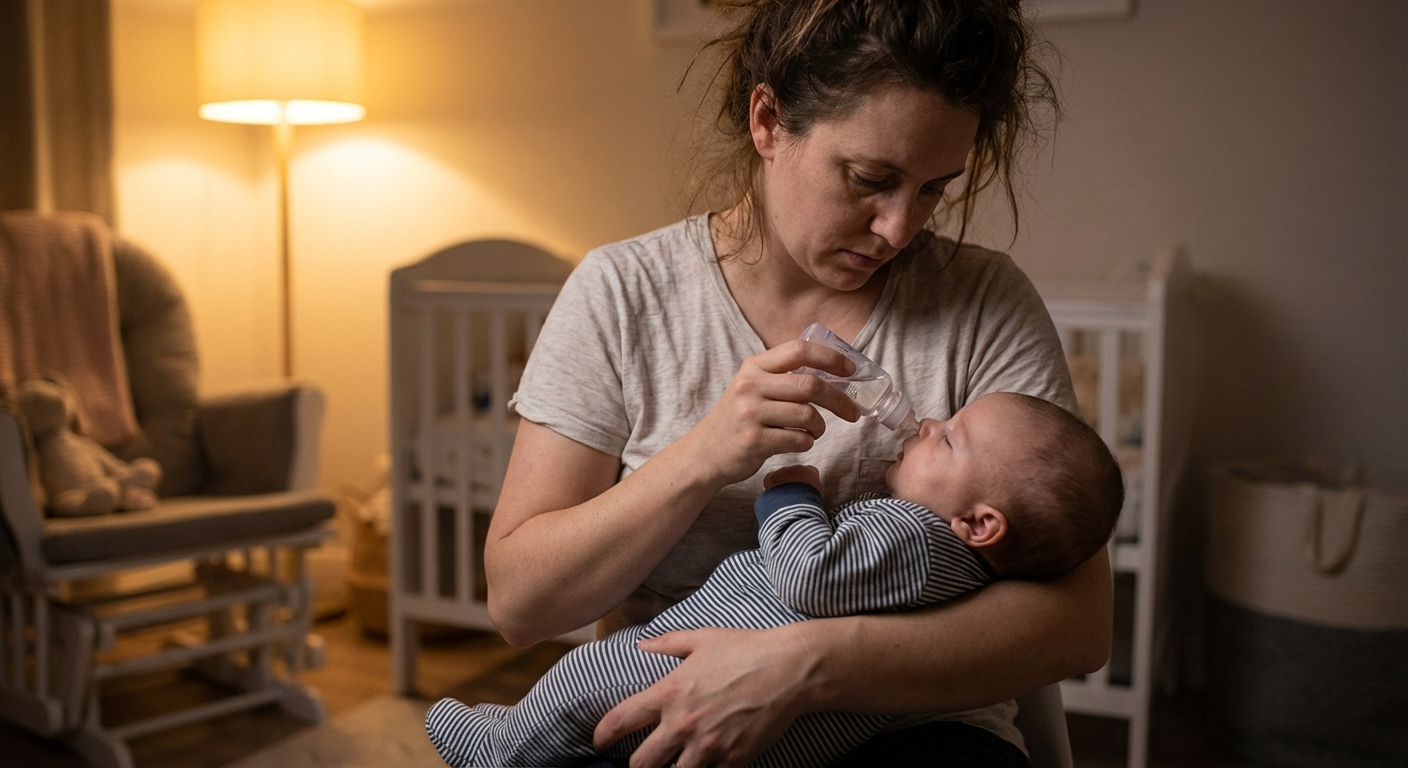
- Saline first: 1 to 2 drops (or a short spray) of saline in each nostril.
- Wait 30 to 60 seconds to let it loosen mucus.
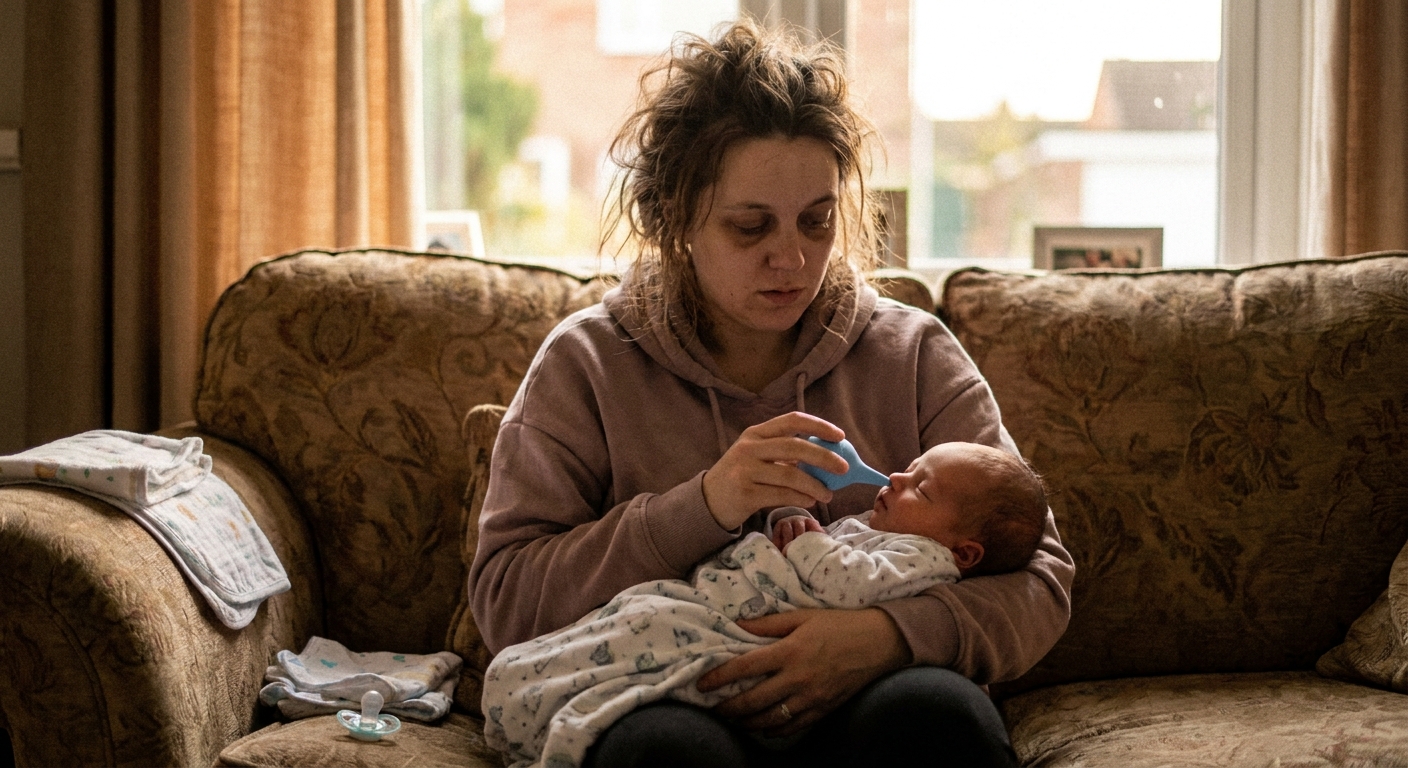
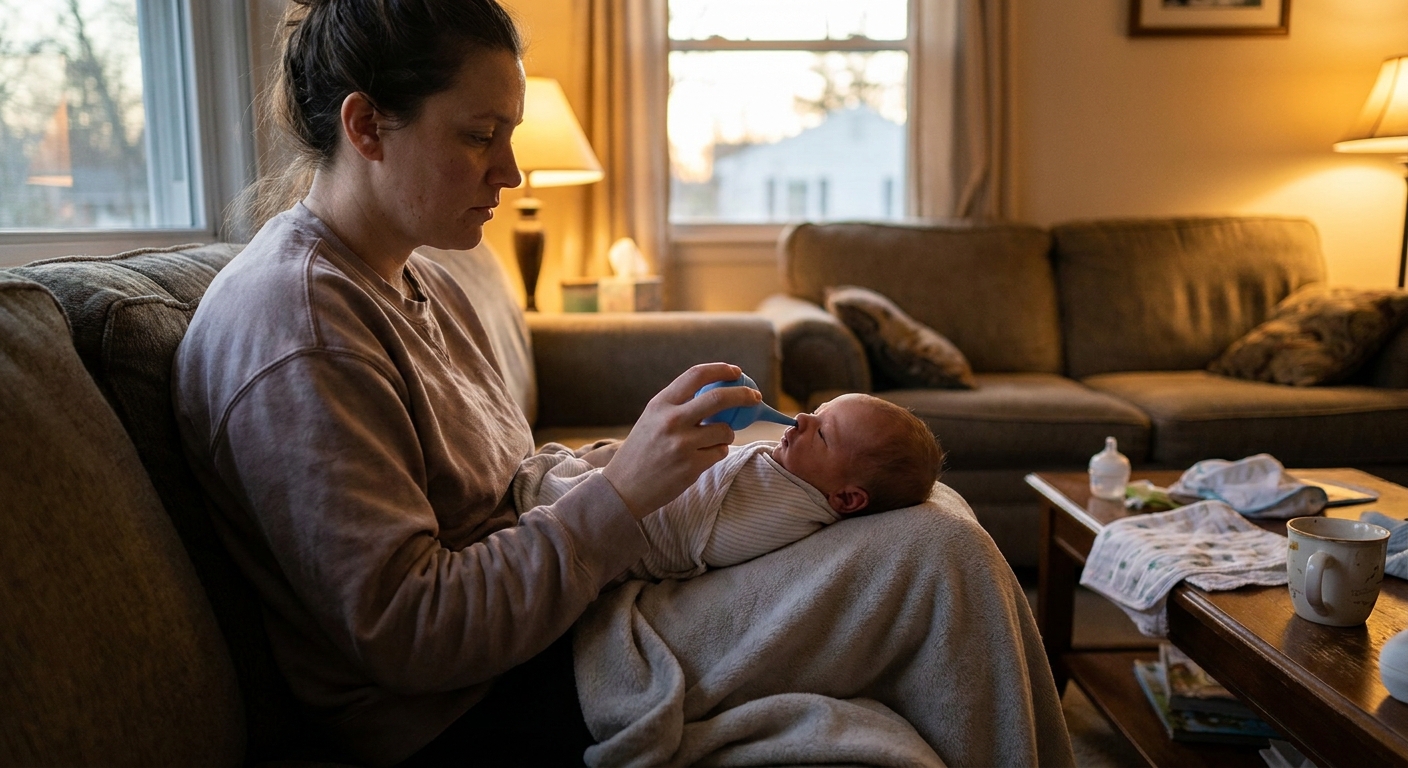
- Gentle suction with a bulb syringe or a manual/electric aspirator.
Tip from the triage desk: suctioning too often can irritate the nose and make swelling worse. Aim for before feeds and bedtime, and keep it to a few times a day unless your clinician advises otherwise.
2) Offer more fluids, more often
Hydration keeps mucus thinner and helps prevent dehydration when appetite dips.
- Under 6 months: breast milk or formula only, unless your clinician recommends otherwise.
- 6 months and up: continue breast milk/formula; some babies can have small sips of water with meals if your pediatrician has okayed it.
Wet diapers matter. A common rule of thumb after the first week of life is around 6 or more wet diapers in 24 hours, but patterns vary. Call your pediatrician if wet diapers are clearly dropping, urine is very dark, your baby has a very dry mouth, or you are not sure they are staying hydrated.
3) Humidity and comfort
- Cool-mist humidifier can ease congestion. Empty and dry it daily, and disinfect it as the manufacturer directs to prevent mold and germs.
- Warm bath or steamy bathroom for a few minutes can loosen mucus. Warm and steamy is enough.
- Rest matters. Expect extra naps and earlier bedtimes.
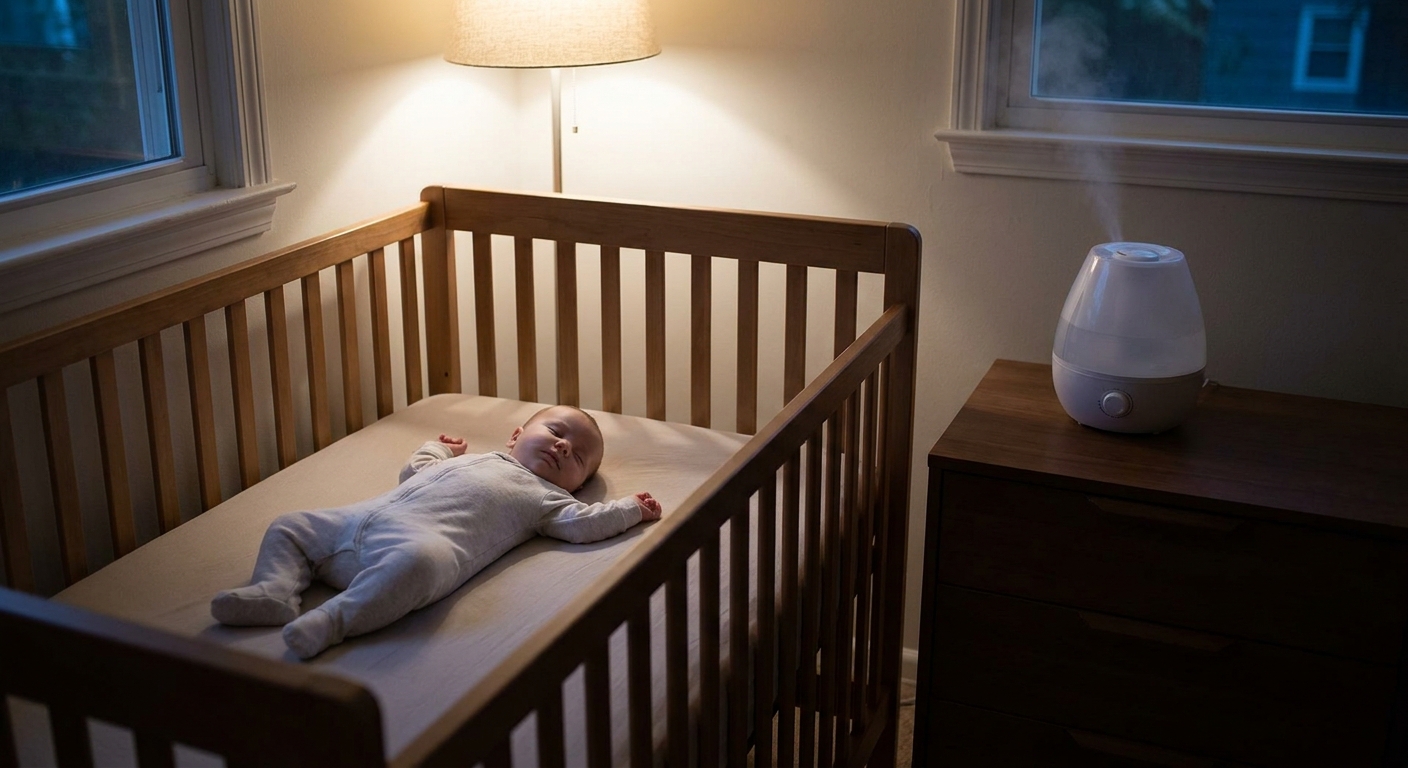
Safe sleep with congestion
This is where well-meaning internet advice can get risky. When your baby is congested, the safest sleep is still:
- On their back
- On a firm, flat sleep surface
- With an empty crib or bassinet (no pillows, blankets, positioners, or stuffed animals)
Important notes:
- Do not use wedges or incline sleep products for congestion. They increase the risk of unsafe sleep and do not reliably improve breathing.
- Do not prop the mattress with towels or books. It is not considered safe.
- A car seat is for travel, not routine sleep, especially when sick. If your baby falls asleep in it, move them to a safe sleep space as soon as possible.
If the congestion is loud but your baby is breathing comfortably, feeding adequately, and has normal color, it is usually okay to monitor and focus on nasal care and hydration.
Fever by age
Fever is one of the biggest panic triggers for new parents, so here is the calm, practical version. Clinics vary on exact cutoffs and what “call” means, so treat this as a safety-first guide and follow your pediatrician’s instructions when they differ.
How to check
- Under 3 months: a rectal temperature is the most accurate method.
- Older babies and toddlers: rectal is still most accurate, but your pediatrician may guide you on other methods depending on age.
When to contact your clinician
- Under 12 weeks: 100.4°F (38°C) or higher (rectal) needs urgent medical evaluation, even if your baby looks okay. (AAP guidance.)
- 3 to 6 months: contact your clinician for 100.4°F (38°C) or higher, especially if your baby is more irritable, sleepy, feeding poorly, or looks unwell.
- Over 6 months: contact your clinician if fever is around 102°F (38.9°C) or higher, lasts more than about 2 to 3 days, or your child looks very sick.
Also contact your clinician sooner if your baby has a chronic medical condition, was born very premature, or has immune system concerns.
Medicine cautions
Most cold medicines are not recommended for babies and young toddlers because they do not help much and can cause side effects. (AAP and FDA guidance.)
Skip these unless your clinician tells you to use them
- Cough and cold combination medicines for children under 4, and especially under 2
- Decongestants for babies and toddlers
- Honey for children under 12 months (risk of infant botulism)
- Essential oils: do not apply directly to infant skin or under/near the nose. Avoid diffusing around young infants unless your clinician says it is safe for your situation (irritation and breathing risks).
What can be okay
- Saline drops/spray and suction
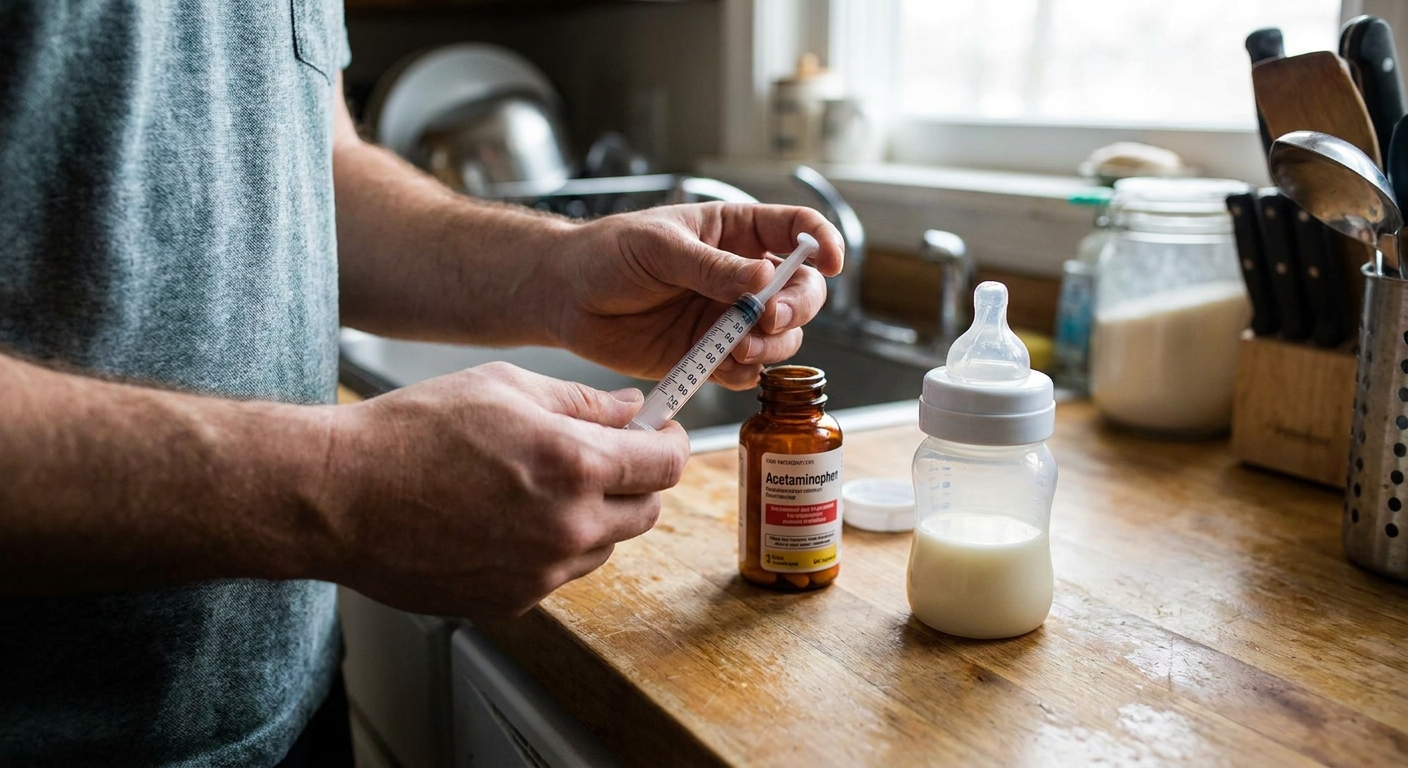
- Acetaminophen for discomfort or fever, if your child is old enough and you use the correct weight-based dose
- Ibuprofen for babies 6 months and older (again, correct weight-based dosing)
Safety note: always dose by your child’s current weight using the product’s dosing device. If you are not sure, call your pediatrician or pharmacist. Avoid alternating fever medicines unless your clinician has specifically advised it for your situation.
Cold or something else?
Many illnesses start with “cold” symptoms. Here is a high-level way to think about common look-alikes.
Bronchiolitis (often RSV) vs. a simple cold
Bronchiolitis affects the small airways in the lungs, so breathing symptoms are more prominent. You may notice:
- Wheezing or a whistling sound
- Faster breathing than usual
- Chest retractions (skin pulling in between ribs or at the base of the throat)
- Struggling to feed because breathing is hard work
If you see signs of increased work of breathing, that is a “call now” situation.
Ear infection vs. a cold
Ear infections often follow a cold. Clues include:
- New or worsening fussiness, especially when lying down
- Difficulty sleeping more than you would expect from congestion alone
- Ear pulling (not always reliable, but can be a hint)
- Fever that appears later in the illness or returns after improving
Not every fussy, sleepless baby has an ear infection, but if symptoms spike after a few days of cold signs, it is worth a check.
Allergies vs. a cold
- Itchy eyes, lots of sneezing, clear runny nose
- No fever
- Symptoms that last weeks and track with seasons or exposures (more common in older toddlers)
Flu or COVID
Flu and COVID can look like a cold at first, especially in kids. Consider testing and call your clinician if your baby has significant fever, known exposure, rapidly worsening symptoms, or if your household includes high-risk family members. Your clinician can also advise whether antiviral treatment is appropriate for flu in your child’s age group.
Red flags
If your gut says something is off, trust it. From a triage nurse who has heard thousands of worried parent voices, these are the signs we take seriously.
ER now
- Has trouble breathing: grunting, persistent flaring nostrils, chest retractions, breathing very fast, or cannot cry normally because they are working to breathe
- Looks blue, gray, or very pale around lips or face
- Is hard to wake, unusually limp, or not responding normally
- Has pauses in breathing
- Has signs of severe dehydration: very dry mouth, no tears when crying, or markedly fewer wet diapers
- Is under 12 weeks with a rectal temperature of 100.4°F (38°C) or higher
Call your clinician today
- Under 3 months and feeding much less than usual, unusually sleepy, or “just not right” even without a fever
- Is feeding much less than usual or vomiting repeatedly
- Has a cough that is worsening, especially if it disrupts breathing or sleep
- Has fever that lasts more than 48 to 72 hours (age dependent) or returns after improving
- Has ear pain signs or new intense fussiness
- Has underlying medical conditions (prematurity, heart or lung disease, immune concerns)
Getting through the night
When congestion ramps up at night, aim for a simple, repeatable plan:
- Saline and suction right before the longest stretch of sleep
- Humidifier on, room comfortably cool
- Extra feeds if your baby will take them
- Keep your baby upright in your arms for a few minutes after feeds if the cough triggers spit-up
And yes, you are allowed to lower the bar. Paper plates. Laundry mountain. Screen time for the older kid. This is survival mode, not a performance review.
Preventing the next one
- Hand hygiene: wash hands before holding the baby, after wiping noses, and after daycare pickup.
- Limit exposure when you can: avoid close contact with sick visitors, especially for young infants.
- Clean the high-touch stuff: phones, pacifiers, teethers, doorknobs.
Daycare note: Many babies can return when they are fever-free for 24 hours (without fever-reducing medicine), breathing comfortably, and able to participate in care. Daycares have their own rules, so check yours.
When will my baby feel better?
Most babies start to turn a corner within a week, but it is common for the runny nose and cough to hang around up to two weeks. If symptoms are not improving at all by day 7 to 10, or your baby is getting worse, check in with your pediatrician.
If you want one simple takeaway: focus on breathing and hydration. A stuffy nose is miserable, but a baby who is breathing comfortably, staying hydrated, and waking to feed is usually on a safe path through a very normal childhood milestone: their first cold.
Sources
- American Academy of Pediatrics (HealthyChildren.org): Fever in infants and children; guidance for young infants with fever (100.4°F/38°C).
- American Academy of Pediatrics: Safe Sleep recommendations (back to sleep, firm flat surface, empty sleep space).
- U.S. FDA and AAP guidance on OTC cough and cold medicines in young children.