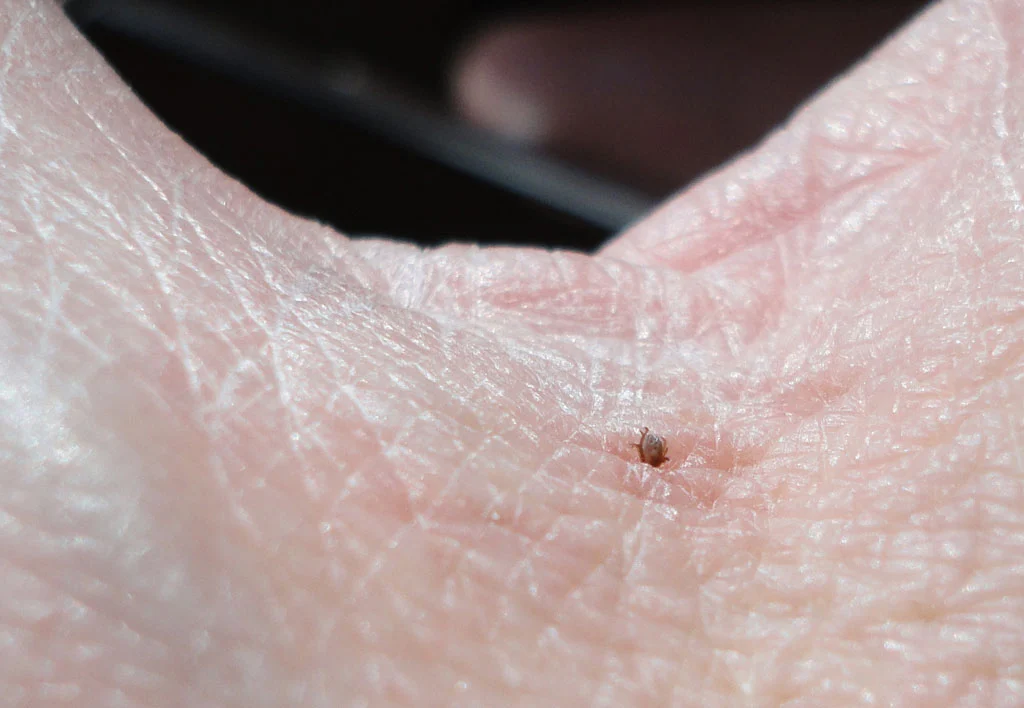
How to check for ticks, remove them safely, recognize early Lyme symptoms (including the bullseye rash), understand when antibiotics are needed, and prevent ...
Bell’s Palsy in Kids: Sudden Facial Weakness

Sarah Mitchell
Sarah Mitchell is a Registered Pediatric Nurse and a mother of three who has spent over a decade helping families navigate the beautiful, chaotic early years of childhood. She combines evidence-based medical knowledge with real-world parenting experience to offer practical, compassionate advice. At Awesome Parent, Sarah's mission is to help exhausted parents find solutions, trust their instincts, and finally get some sleep.
If your child suddenly looks like half their smile stopped working, your brain goes straight to the scariest place. I get it. As a pediatric triage nurse, I took a lot of calls that started with, “My child’s face is drooping, is this a stroke?” In kids, a common cause is Bell’s palsy, a temporary weakness of the facial nerve. It can look dramatic and feel urgent, but it is often treatable and usually improves. In some regions, especially where ticks are common, Lyme disease is also an important (and treatable) cause of facial droop, so location and exposure history matter.
This page will walk you through what Bell’s palsy can look like, how it differs from other emergencies, what the evaluation typically involves, how to protect your child’s eye, and what happens next.
What it is
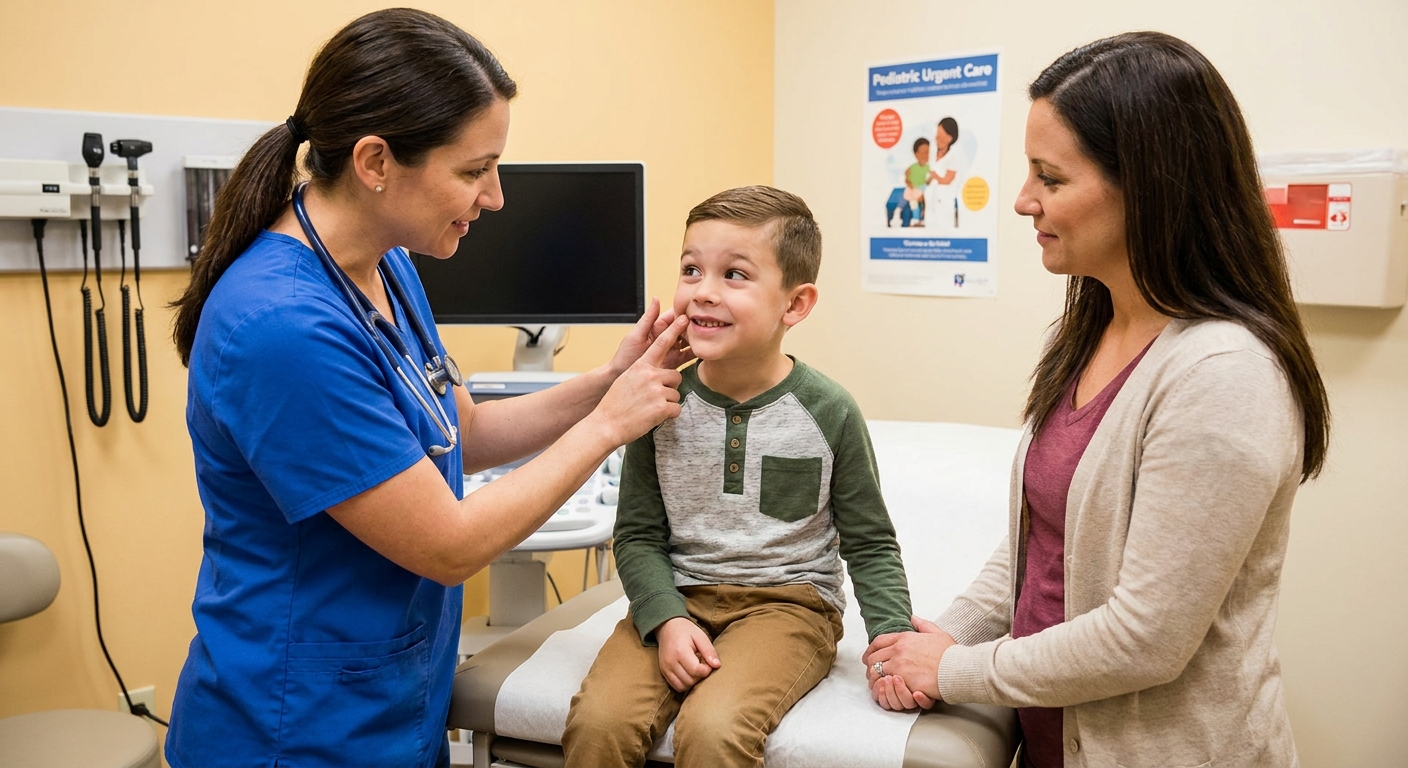
Bell’s palsy is a sudden weakness or paralysis of the facial nerve (the nerve that helps control facial muscles). It is usually one-sided and can come on over hours or seemingly overnight.
In many cases, it is linked to inflammation around the nerve, often after a viral illness. The key point for parents is this: Bell’s palsy affects the facial nerve itself, not your child’s thinking or understanding. Speech can sound slurred because the lips do not move normally, but it should not cause trouble finding words, understanding you, or using their arms and legs.
What it looks like
Bell’s palsy can show up in different ways depending on your child’s age and how strong the weakness is. Common signs include:
- One-sided facial droop, especially noticeable when smiling
- Trouble closing one eye all the way
- Flattened forehead wrinkles on the affected side (they may not be able to raise that eyebrow)
- Drooling or liquids leaking from one side of the mouth
- Speech sounding “off” mainly because the lips do not move normally
- Food getting stuck between gum and cheek on the weak side
- Ear pain or discomfort around or behind the ear (common)
- Sound sensitivity in one ear (less common, but can happen)
- Taste changes (some kids notice things taste different)
- Dry eye or fewer tears on the affected side
Bell’s palsy is often not very painful, though ear pain or facial discomfort is common. If there is severe headache, neck stiffness, high fever, or your child seems very ill, that is a different category and needs prompt evaluation.
Bell’s palsy vs stroke
Let’s be very clear: any new facial droop in a child should be evaluated urgently. Childhood stroke is rare, but it can happen, and it is time-sensitive.
A note about a common “clue” you may hear: in Bell’s palsy, the forehead is often involved (the eyebrow does not lift well). In some types of stroke, the forehead can be less affected. This is not foolproof, which is why clinicians look at the whole neurologic picture, not just one feature.
A Bell’s palsy pattern
- Only the face is involved, usually one side
- The forehead is affected too (they cannot raise the eyebrow well on that side)
- No weakness in an arm or leg
- No new trouble walking, balancing, or using one hand
- No new confusion or unusual sleepiness
Stroke red flags (call 911)
If your child has facial droop plus any of the following, treat it like an emergency:
- Arm or leg weakness on one side
- Trouble speaking (new difficulty getting words out) or trouble understanding
- Severe sudden headache, especially “worst headache” or with vomiting
- New trouble walking, dizziness, loss of balance, or clumsiness
- Seizure
- Loss of consciousness, extreme sleepiness, or difficult to arouse
When in doubt, get urgent help. I would always rather you “overreact” than sit on a true emergency.
Other causes to consider
Bell’s palsy is common, but clinicians also consider other causes of facial weakness, including:
- Ear infection or inflammation near the facial nerve
- Lyme disease (in areas where ticks are common, facial palsy can be an early sign)
- Ramsay Hunt syndrome (a shingles-related condition, sometimes with ear pain and a rash or blisters in or around the ear)
- Head injury
- Brain or nerve conditions (uncommon, but important not to miss)
Some “not typical for Bell’s palsy” patterns that usually prompt a broader workup include gradual onset over weeks, recurrent episodes, both sides of the face affected, or facial weakness with significant hearing changes or persistent vertigo.
That is why a new facial droop should not be diagnosed at home.
What to expect at urgent care
The visit is usually focused: history and physical exam first, then targeted testing if needed.
Questions you will be asked
- When did symptoms start, and did they come on suddenly or gradually?
- Any recent cold, fever, or viral illness?
- Any tick bites, hiking or camping, or pets that bring ticks inside?
- Ear pain, ear drainage, or recent ear infection?
- Any rash or blisters near the ear or in the mouth?
- Any weakness elsewhere, trouble walking, severe headache, or confusion?
What the exam may include
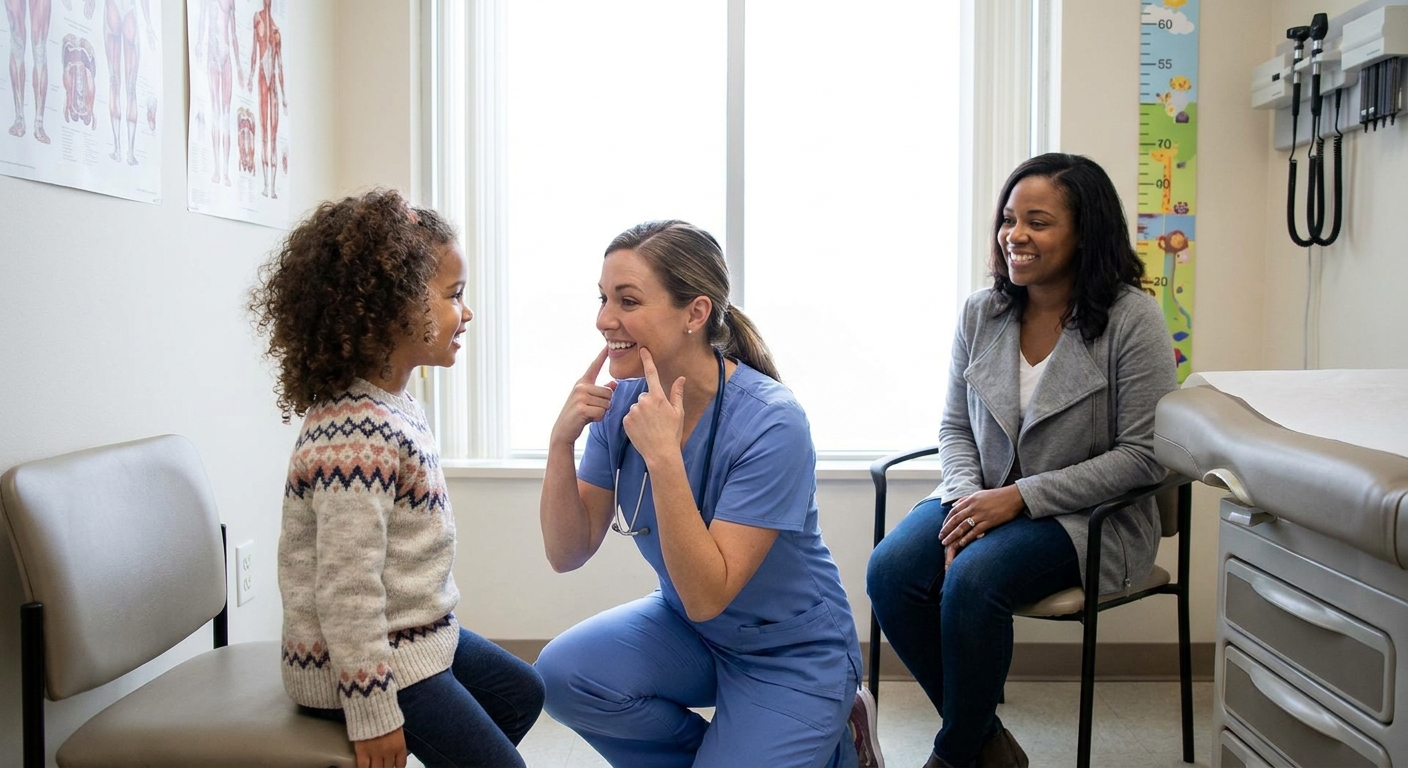
- Checking facial movements: smile, puff cheeks, raise eyebrows, close eyes tightly
- Neurologic exam: strength, balance, coordination, speech, understanding
- Ear exam (very important in kids)
- Eye check if the eyelid is not closing fully
Will they do imaging?
Not every child needs a CT or MRI for typical Bell’s palsy. Imaging is more likely if there are atypical features (other neurologic symptoms, repeated episodes, very severe headache, trauma, gradual onset, or concerns on exam).
Will they do bloodwork?
Sometimes. In tick-prone regions or when exposure is possible, clinicians may order Lyme testing. One tricky detail is that Lyme blood tests can be negative early, so clinicians also use regional risk, exposure history, and exam findings when deciding on testing and treatment.
Treatment
Treatment depends on the likely cause and how quickly your child is seen.
Steroids
Many clinicians consider a short course of oral steroids for Bell’s palsy, especially when started early (often within the first couple of days). The goal is to reduce nerve inflammation. In children, the evidence is not as strong as it is in adults, and practice varies. Your child’s provider will weigh benefits and risks based on age, severity, timing, and medical history.
Antivirals
Antiviral medication is not always needed. It may be considered in certain situations, especially if there are signs pointing toward a herpes virus cause (for example, shingles-related facial palsy) .
Antibiotics
Antibiotics are not used for standard Bell’s palsy, but they are used if there is concern for a bacterial infection (like certain ear infections) or if Lyme disease is suspected or confirmed, depending on local guidelines and the clinical picture.
Facial therapy
For most children, gentle normal use of the face is enough. Some kids with persistent weakness may benefit from guided therapy. Your clinician may recommend waiting a bit first, because many children improve on their own over weeks.
Eye protection
If your child cannot fully close one eye, the surface of the eye can dry out and get irritated. This is the part I do not want you to wait and see on.
How to protect the eye
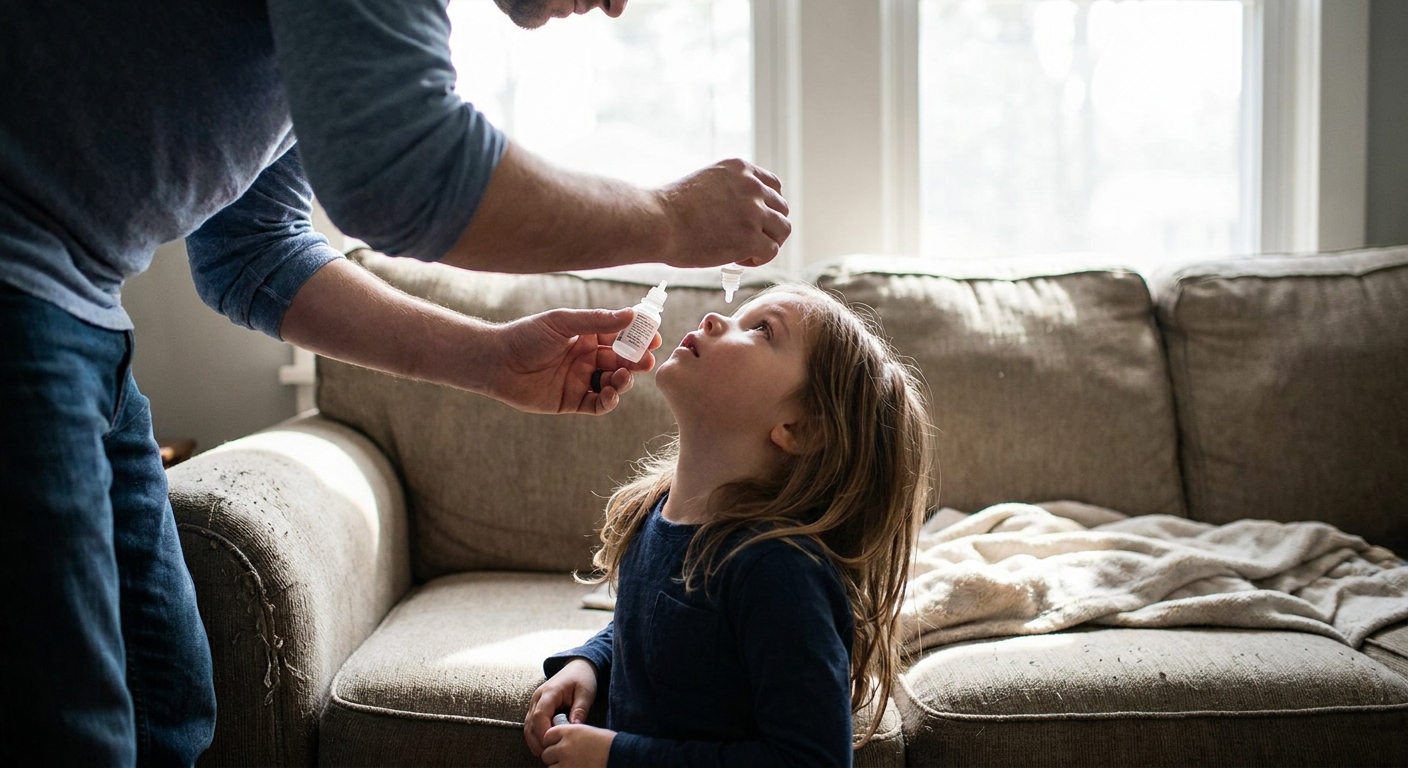
- Lubricating eye drops (often called artificial tears) during the day, as directed by your clinician
- Lubricating eye ointment at bedtime if the eye stays partly open during sleep
- Protective eyewear outdoors (wind and sun can worsen dryness)
- Night protection: your clinician may recommend taping the eyelid closed for sleep or using an eye patch. Do not tape the eye shut unless you are instructed on safe technique.
Call same day for eye symptoms
- Eye pain
- Redness that is worsening
- New discharge
- Light sensitivity
- Vision changes
Eye issues are very treatable, but they do need prompt attention.
Recovery timeline
Most children improve significantly, and many recover fully.
- First few days: Weakness can worsen slightly before it stabilizes.
- 2 to 6 weeks: Many kids start to regain noticeable movement.
- Within 3 to 6 months: A large portion recover close to baseline or fully, depending on severity and cause.
Some children have lingering mild asymmetry or tightness, especially after more severe cases. If symptoms are not improving at all by a few weeks, or if they are getting worse, your child should be rechecked.
Follow-up plan
In most cases, you should plan on follow-up with your child’s pediatrician within a few days after the initial visit, sooner if symptoms change. They can confirm the plan, review test results (like Lyme testing), and make sure eye protection is working.
Ophthalmology (eye specialist) is often recommended if your child cannot fully close the eye, needs frequent drops or ointment, or has any signs of corneal irritation (pain, light sensitivity, worsening redness, or vision changes).
School and daycare
Bell’s palsy can look alarming to people who do not know what it is, so a quick heads-up can prevent a lot of worry.
What you can share
- Your child has a temporary facial nerve weakness affecting one side of the face.
- They may have trouble blinking, and the eye may need drops.
- Speech may sound slightly different, and eating may be messier on one side.
- They are not contagious (unless they have a separate viral illness).
Practical tips
- Eye drops plan: If drops are needed at school, ask your clinician for a note and follow the school medication policy.
- Lunch help: Younger kids may need reminders to chew slowly and sip water to clear food from the cheek.
- Recess protection: Sunglasses can help with wind and bright light if the eye is dry.
- Social support: Some kids feel self-conscious. A simple script helps: “My face is healing, it will get better.”
When to seek urgent care again
Get urgent evaluation right away if:
- Facial droop is accompanied by arm or leg weakness, trouble walking, severe headache, confusion, seizure, or trouble speaking or understanding
- Your child develops high fever, stiff neck, or looks very ill
- There is new or worsening eye pain, redness, light sensitivity, or vision changes
- Symptoms are rapidly worsening
- Your child has ear pain plus a new rash or blisters near the ear
- You live in a Lyme region and your child has possible tick exposure or additional symptoms like headache, fatigue, joint pains, or rash
- The facial weakness is coming on gradually, is happening again, or is affecting both sides
If you are not sure, call your pediatrician, an after-hours nurse line, or go in. This is one of those symptoms that deserves a real-time assessment.
How to support your child
Kids often take their emotional cues from us. If you can stay calm and matter-of-fact, it helps a lot.
- Validate feelings: “It is weird and annoying, I know.”
- Keep photos minimal: A progress photo every few days can be useful, but constant checking can increase anxiety.
- Focus on function: Hydration, comfortable meals, eye care, and sleep do more than staring in the mirror.
Parenting truth from the triage desk: it is completely normal to feel panicked when you see facial droop. Getting checked quickly is the right call. After that, your job becomes boring, steady care and giving your child time to heal.
Common questions
Is Bell’s palsy contagious?
Bell’s palsy itself is not contagious. If it follows a cold or viral illness, that separate illness might be.
Can my child still play sports?
Often yes, once they feel well, but eye protection matters if blinking is reduced. Ask your clinician if your child’s specific situation needs restrictions.
Should my child see a specialist?
Your pediatrician may recommend ENT, neurology, or ophthalmology depending on severity, eye closure, recurrence, exposure risks (like Lyme), or if recovery is slower than expected.
Safety note
This article is general education and cannot diagnose your child online. If your child has new facial weakness, especially with other neurologic symptoms, seek urgent medical care.