A realistic look at 18-month speech: typical ranges vs CDC milestones, understanding vs talking, gestures, bilingual development, early red flags, and exactl...
Bilingual Babies and Toddlers: Milestones, Mixing Languages, and When to Worry
Sarah Mitchell
Sarah Mitchell is a Registered Pediatric Nurse and a mother of three who has spent over a decade helping families navigate the beautiful, chaotic early years of childhood. She combines evidence-based medical knowledge with real-world parenting experience to offer practical, compassionate advice. At Awesome Parent, Sarah's mission is to help exhausted parents find solutions, trust their instincts, and finally get some sleep.
If you are raising a bilingual child, you have probably had at least one late-night worry spiral that goes something like this: “She understands everything in both languages… but she only says a few words. Is bilingualism slowing her down?”
Let me be the calm voice with the lukewarm coffee: bilingualism does not typically cause speech or language delays. As a speech-language pathologist (SLP), I have worked with bilingual families across a wide range of timelines and personalities. Bilingual kids can hit milestones on a slightly different schedule, their vocabulary is often spread across two languages, and mixing languages is usually a sign their brain is doing exactly what it should.
One important note, because it matters: bilingual children can still have speech or language delays or disorders, just like monolingual children. The key is that the underlying issue is not caused by learning two languages.
This article will help you understand what is typical, how to track progress in a bilingual home, and what signs deserve a closer look. It is not meant to replace medical advice, but it will help you know what to ask for and when.
What is typical in bilingual language development?
Bilingual language development is best thought of as one language system with two toolboxes. In plain terms: your child is learning how communication works, and those skills can transfer between languages. It is not “two separate brains” developing in isolation.
Common things parents notice that are usually normal:
- A “quiet period” when a child is exposed to a new language and spends weeks or months mostly listening.
- Uneven skills, like stronger understanding in one language but more speaking in the other.
- Code-mixing, meaning using words from both languages in one sentence.
- Vocabulary that looks smaller in each language, but is often comparable to monolingual peers when you count both languages together (total vocabulary).
One key point: language ability is about more than words. Notice whether your child is learning new ways to communicate, understanding more over time, and engaging socially. Those are big green flags.
Milestones: birth to age 3
Milestones for bilingual kids look a lot like monolingual kids, with one important twist: you should count skills across both languages. If your toddler says “milk” in English and “agua” in Spanish, those are two real words. Your child does not need to know each word twice for it to “count.”
Also worth saying out loud: if your child uses consistent signs (baby sign language) to communicate, those count too. A reliable sign for “more” is functional communication, just like a spoken word.
0 to 6 months
- Coos, gurgles, and different cries for different needs
- Turns toward voices and calms to familiar caregivers
- Smiles and makes eye contact during interaction
6 to 12 months
- Babbling (like “bababa” or “dadada”), often with lots of variety
- Responds to their name
- Understands a few common words or routines (like “bye-bye” or “bottle”)
- Uses gestures: reaching, waving, pointing (often closer to 9 to 12 months)
12 to 18 months
- First words often emerge sometime in this window
- Understands more than they can say
- Uses gestures plus sounds, words, or signs to get needs met
- Follows simple directions with context (like “get your shoes” when shoes are nearby)
18 to 24 months
- Vocabulary growth picks up, often in bursts
- Starts combining words (examples: “more milk,” “mama up”) in either language or mixed
- Understands simple questions and familiar routines
2 to 3 years
- Uses short phrases and sentences
- Can usually communicate basic wants and ideas to familiar adults
- Understanding expands quickly, including concepts like size, location, and simple categories
- Speech becomes more understandable over time, though some sounds are still developing
Helpful (not rigid) anchors: Many toddlers have around 50 total words (across both languages) and are starting two-word combinations around age 2. Some children are earlier, some later. What we want to see is steady progress and growing functional communication.
Real-life benchmark that helps: Is your child making progress month to month? A bilingual child does not need to be perfectly balanced. But we do want to see forward movement in communication, understanding, and social connection.
Why toddlers mix languages
Code-mixing can sound startling if you are expecting clean separation, like one brain drawer labeled “English” and another labeled “French.” In real life, the drawers are connected.
Mixing languages is typically normal and often happens because:
- Efficiency: They know the word in one language but not the other.
- Context: They associate certain people, places, or routines with one language.
- Brain development: They are practicing flexible thinking and communication choices.
- Borrowing: Sometimes a word just fits better, or they hear it more often.
In the clinic, I used to tell parents: if your toddler can successfully get their point across by using both languages, that is not confusion. That is problem-solving.
How to track milestones
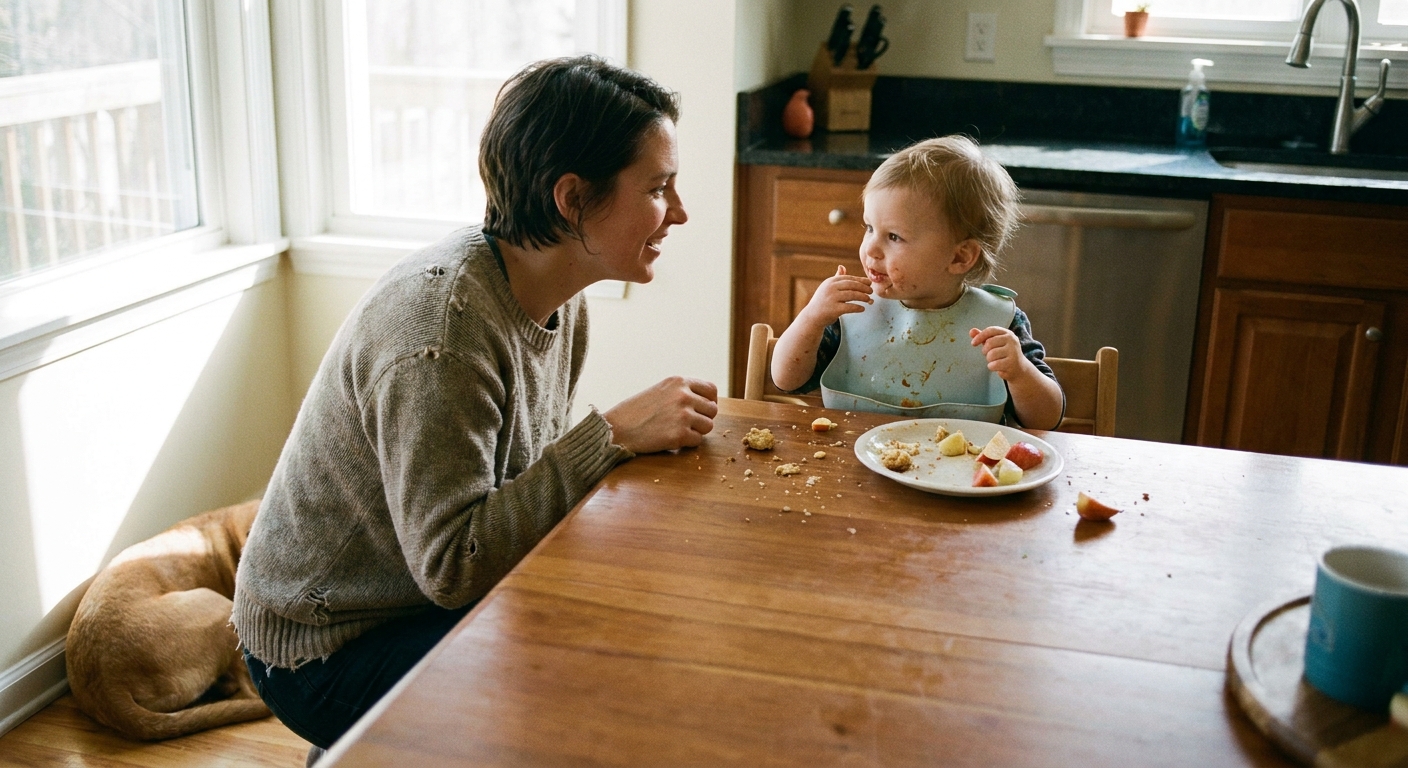
Tracking language can be helpful, but it can also become a hobby you did not ask for. Here is a realistic way to monitor progress without turning your notes app into a dissertation.
1) Count total vocabulary
Make a quick list every couple of months. Include words from both languages. Also include animal sounds and consistent word-like approximations that your family understands.
And yes, consistent baby signs count as words for tracking. If your child uses the same sign consistently, with clear meaning (like “more,” “milk,” “all done”), that is a real communication milestone.
2) Track functional communication
- Do they point to show you something interesting?
- Do they bring you items to help or to share?
- Do they attempt to imitate words, signs, or sounds?
- Do they follow simple directions more easily over time?
3) Notice growth in understanding
Understanding usually grows before speech. Increasing comprehension is a strong sign the language system is developing.
4) Consider exposure
A child who hears Language A 80 percent of the time and Language B 20 percent of the time will usually express more in Language A. That is not a failure. It is math, plus opportunity.
5) Ask: “Are they progressing in at least one language?”
If there is steady growth in one language and consistent exposure to the other, the second language may catch up with time and increased meaningful exposure.
Home strategies that help
You do not need expensive programs. The most effective tools are simple, consistent, and built into daily life.
Connection first
Kids learn language best in warm, back-and-forth interactions. If you are more comfortable in one language, it is okay to use it. A rich language model in any language beats a strained one.
Simple routines per language
Some families naturally do “one parent, one language.” Others do “home language” and “community language,” or certain routines in certain languages. Choose what is sustainable.
Sportscaster talk
Narrate what you are doing in short, simple sentences. Example: “Shoes on. One shoe. Two shoes. Now we go.” This helps toddlers map words to actions without feeling quizzed.
Repetition that works
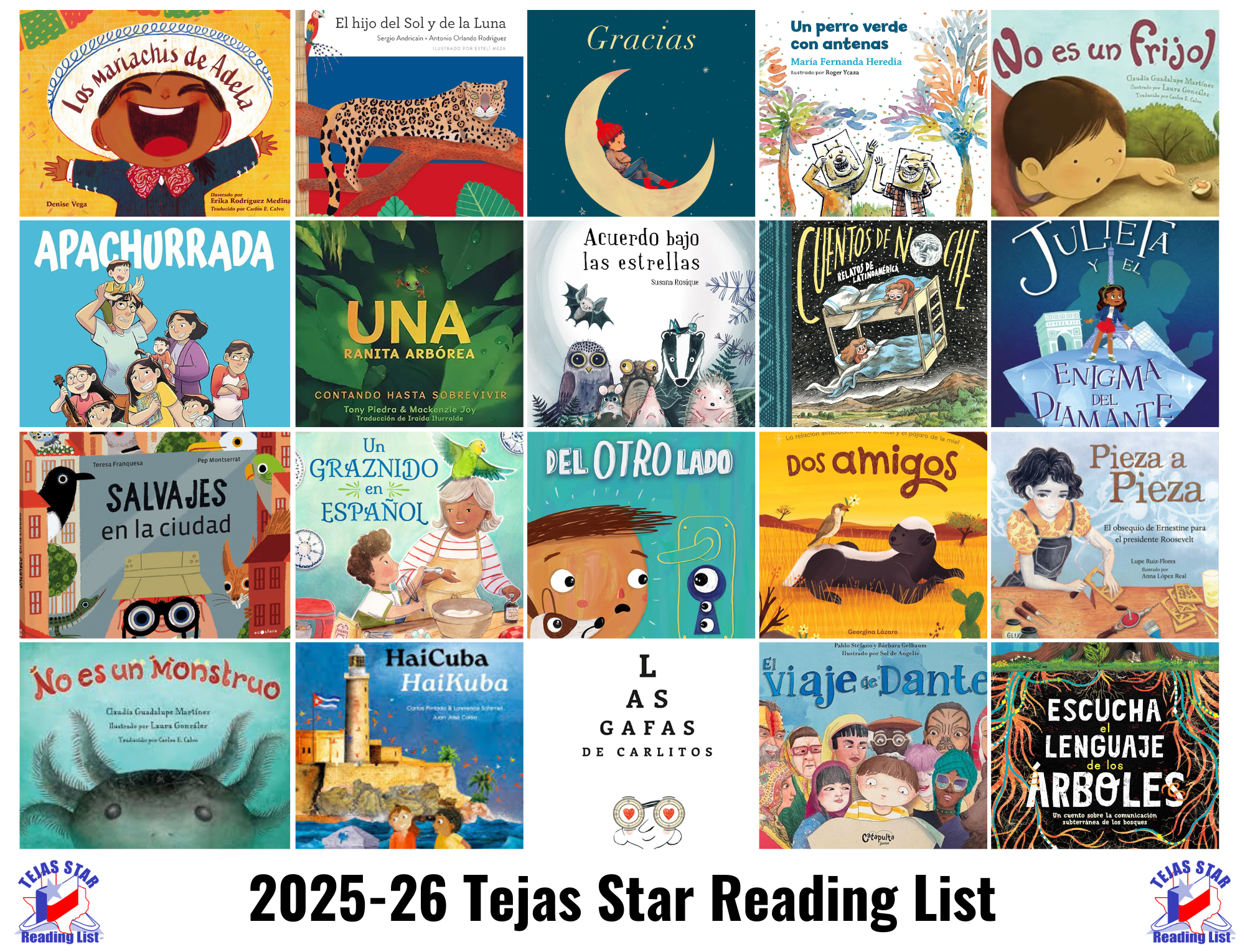
- Read the same books again and again in each language
- Sing the same songs and fingerplays
- Use favorite phrases during routines (bath, diaper, bedtime)
Translate strategically
If your child says a word in one language, you can respond naturally and offer the other word too.
- Child: “Agua!”
- You: “Agua, yes. Water. Here is your water.”
This gives them the vocabulary link without shutting down the conversation.
Protect the less-dominant language
If one language is getting crowded out, increase meaningful exposure:
- Regular video calls with relatives who speak that language
- Playdates with kids who use it
- Story time at the library in that language
- Music and audiobooks during car rides
If you are juggling three or more languages: the same principles apply. Total exposure, consistency, and warm interaction matter more than a “perfect” schedule.

Common myths
Myth: “Bilingual kids talk later.”
Reality: Many bilingual kids start talking on a typical timeline. Some talk a bit later, just like some monolingual kids do. Bilingualism itself is not the cause of a delay.
Myth: “Mixing languages means confusion.”
Reality: Mixing is normal and often temporary. It is also common in fluent bilingual adults, especially when switching contexts.
Myth: “We should drop one language until speech improves.”
Reality: If a child has a true language delay or disorder, you often see challenges across languages, even if it looks more obvious in the language they hear most. Dropping a home language can reduce connection with family and culture and does not fix the underlying issue. Support should be bilingual-aware, not language-subtractive.
Myth: “Only English at home will help in school.”
Reality: A strong foundation in a home language supports learning overall. Language skills can transfer, and emotional security matters.
When to worry
This is the part parents want, and I get it. You are not looking for perfection. You are looking for reassurance, or a clear sign to get help.
Consider a developmental evaluation (or at least a chat with your pediatrician) if you notice any of the following patterns, especially across your child’s languages (keeping exposure in mind):
- By 9 to 10 months: very limited babbling or vocal play
- By 12 to 15 months: not using gestures to communicate, especially pointing or showing to share interest
- By 16 to 18 months: no consistent words or meaningful signs in any language
- By 18 months: seems to understand very little in familiar routines (in the language they hear most)
- By 24 months: not combining two words in any language or very limited vocabulary/functional communication (cannot reliably communicate basic needs)
- Any age: loss of previously gained speech, babbling, or social skills
- Any age: limited eye contact, limited interest in social interaction, or rarely sharing enjoyment (like showing you toys)
- Speech sounds: your child is very hard to understand for familiar caregivers and it is not improving over time
Important nuance: Some bilingual toddlers are quiet with unfamiliar people, especially in the community language. That can be temperament, a quiet period, or anxiety. The bigger question is whether they communicate comfortably at home in at least one language and whether their skills are growing.
Also, if the concerns include social communication (like limited joint attention, limited sharing enjoyment, or regression), ask for a broader developmental evaluation, not only speech. Speech is part of the picture, not the whole picture.
How evaluations work
If you decide to seek help, you deserve an evaluation that respects bilingual development. A quality assessment looks at communication across languages and considers language exposure, dominance, and opportunities to use each language. It should not simply compare a bilingual child to monolingual English norms.
Who to start with
- Your pediatrician for a developmental screening and referrals
- Early Intervention (in the U.S., available in every state for children under 3, though eligibility and services vary by state)
- A speech-language pathologist (SLP) with experience assessing bilingual children, or who uses an interpreter appropriately
- A hearing test if there are any concerns about hearing, recurrent ear infections, or unclear speech. Hearing is a foundation skill, and it is always worth confirming.
What you can do before the appointment
- Write down which languages your child hears, and roughly how much in a typical week
- Bring a short list of words and signs they use in each language
- Note what they understand (directions, routines, questions)
- Share family history of speech or language difficulties if applicable
If an evaluator suggests stopping one language as a blanket recommendation, ask follow-up questions. The goal is to support communication and relationships, not shrink your child’s world.
Difference vs disorder
A bilingual language difference (like a smaller vocabulary in the less-used language, or mixing languages) is not the same as a language disorder. A disorder affects the child’s ability to learn and use language overall, and it tends to show up across languages, though it may look different depending on exposure and where the child has the most practice.
Quick checklist
If you are skimming this while your toddler uses your ribcage as a trampoline, here is your sanity-saving summary.
- Mixing languages is normal.
- Total vocabulary across both languages matters.
- Signs count, too. Consistent baby signs are real words for milestone tracking.
- Understanding and social communication are big signs of healthy development.
- More exposure usually equals more output. If one language is rarely heard and rarely practiced, it will be rarely spoken.
- If you are worried, you are allowed to ask for help early. Early support is not a label. It is a tool.
And from one tired parent to another: you do not have to do bilingualism perfectly. You just have to keep showing up, talking, reading, singing, and connecting. Your child is listening, even when it looks like they are not.
Call a professional now
Reach out promptly to your pediatrician or seek urgent guidance if you notice:
- Any loss of language or social skills
- No response to loud sounds, voices, or their name (possible hearing concern)
- Significant feeding or swallowing difficulties alongside communication concerns
- You have a gut feeling something is off and it is not improving
You never need to “wait and see” alone.
Sarah Mitchell
Sarah Mitchell is a Registered Pediatric Nurse and a mother of three who has spent over a decade helping families navigate the beautiful, chaotic early years of childhood. She combines evidence-based medical knowledge with real-world parenting experience to offer practical, compassionate advice. At Awesome Parent, Sarah's mission is to help exhausted parents find solutions, trust their instincts, and finally get some sleep.