Boils and Skin Abscesses in Kids

Sarah Mitchell
Sarah Mitchell is a Registered Pediatric Nurse and a mother of three who has spent over a decade helping families navigate the beautiful, chaotic early years of childhood. She combines evidence-based medical knowledge with real-world parenting experience to offer practical, compassionate advice. At Awesome Parent, Sarah's mission is to help exhausted parents find solutions, trust their instincts, and finally get some sleep.
If your child has a painful, red bump that seems to be getting bigger, you are not alone. I saw this constantly in clinic. Most of the time, a “mystery bump” is something common like an irritated pimple, a bug bite that got scratched, or a small skin infection that has turned into a boil or abscess.
Quick caveat: Other causes exist, including cysts, impetigo, contact dermatitis, hidradenitis, herpes, a foreign body (like a splinter), tick bites, or allergic reactions. If your child seems very sick, has rapidly spreading redness, or you have a bad gut feeling, it is worth getting evaluated.
Here is the reassuring part: many boils improve with simple, safe care at home. And when they do need medical help, the plan is usually straightforward. I will walk you through what you are looking at, what you can do tonight, and the exact signs that mean it is time to be seen.
Medical note: This is general education, not a diagnosis. If you are worried, call your pediatrician or seek urgent care.
Boil, abscess, pimple, or bug bite?
These can look annoyingly similar at first. The differences are mostly about pain, depth, and how fast it changes.
Pimple or clogged pore
- Usually small, surface-level, and not very tender.
- May have a tiny white tip (whitehead).
- Often improves in a couple of days with gentle washing.
Bug bite or sting
- Itchy is the main feature (kids will tell you it is “so itchy”).
- Often has a visible bite mark or central dot.
- Swelling can look dramatic, especially on faces and around eyes, but pain is usually mild.
- Improves with cold compresses and anti-itch care. Warm compresses are not usually the first move for bites.
Boil (furuncle)
- A boil is a deeper infection of a hair follicle.
- Tends to be painful and warm, more than itchy.
- Often starts as a firm red bump that gradually becomes more tender and may develop a “head.”
- Common areas: buttocks, thighs, armpits, groin, waistband area, and anywhere sweaty or rubbed by clothing.
Skin abscess
- An abscess is a pocket of pus under the skin.
- Often feels fluctuant (like a water balloon under the skin), though early abscesses can feel firm.
- Can grow quickly over 24 to 72 hours.
- May have drainage, crusting, or a visible opening.
Parent reality check: You do not have to diagnose this perfectly. Your job is to notice whether it is painful, enlarging, and acting like an infection, then respond safely.
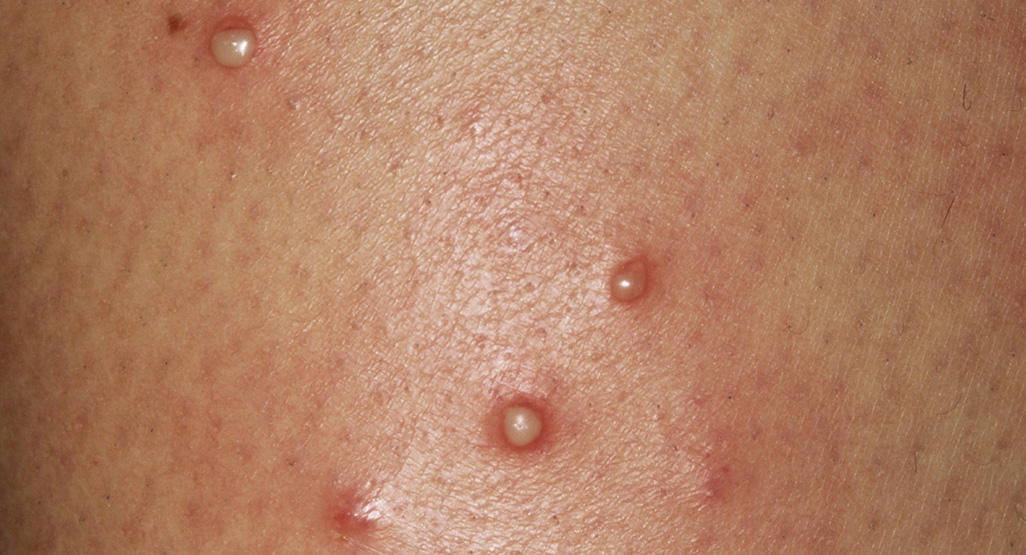
MRSA basics
MRSA stands for methicillin-resistant Staphylococcus aureus. That sounds scary. At the parent level, what matters is this:
- Staph bacteria commonly live on human skin and in noses. Most of the time, they cause no problems.
- If bacteria get into a tiny break in the skin, they can cause boils and abscesses.
- MRSA is a type of staph that is resistant to some common antibiotics. It is one reason providers sometimes choose specific antibiotics, and why drainage is often the key treatment for abscesses.
- In many communities, MRSA is a common cause of skin infections. The good news is there are still effective treatments.
MRSA is not a sign of being “dirty” or doing something wrong. In real life, it spreads through skin-to-skin contact and shared items like towels, sports gear, and razors, especially in settings with close contact.
What you can do at home (and what to avoid)
1) Warm compresses
Warmth increases blood flow and can help a boil, and sometimes a very small early abscess, come to a head and drain on its own.
- Use a warm (not hot) wet washcloth.
- Hold it on the area for 10 to 15 minutes.
- Repeat 3 to 4 times per day.
- Wash hands before and after. Use a clean cloth each time.
Important: Let it drain on its own if it is going to. Do not squeeze, “milk,” or try to force drainage.
Safety note: Avoid heating pads on young kids or numb areas. Burns happen fast, especially overnight when everyone is tired.
2) Keep it clean and covered
If the bump is draining or likely to rub on clothing, a simple dressing protects your child and helps prevent spread.
- Wash gently with mild soap and water once daily.
- Pat dry.
- Cover with a nonstick gauze pad and paper tape or a breathable bandage.
- Change the dressing when wet, dirty, or at least daily.
3) Pain control
- Use age-appropriate acetaminophen or ibuprofen if your child is uncomfortable.
- Loose clothing reduces friction pain.
4) What not to do
- Do not squeeze, pop, or poke it with a needle. This can push infection deeper and worsen scarring.
- Do not use leftover antibiotics. Wrong drug and wrong dose are common, and it can complicate care.
- Avoid hydrogen peroxide or rubbing alcohol on a boil or abscess. They can irritate tissue and slow healing.
- Do not share towels, washcloths, razors, or clothing that touches the area while it is draining.
- If there is active drainage, avoid shared baths or soaking together. It is not the main way these spread, but it is an easy risk to remove.
When to get medical care
In triage, these are the “please get seen” triggers I take seriously.
Call your pediatrician or go to urgent care within 24 hours if:
- The area is getting bigger or more painful after 24 to 48 hours of warm compresses.
- Your child has a fever or feels unwell.
- The bump is larger than a grape (roughly 2 to 3 cm), or you suspect a true abscess pocket.
- It is on the face, especially near the eye or nose.
- It is on the hand, foot, or genitals.
- Your child is an infant, immunocompromised, or has significant eczema or skin breakdown.
- There are multiple boils or frequent recurrences.
Seek urgent or emergency care now if:
- Redness is rapidly spreading over hours.
- You see red streaks moving away from the area.
- Your child has severe pain, trouble moving a nearby joint, or looks very ill.
- The area is on the face with swelling around the eye.
- Your child has high fever, lethargy, or signs of dehydration.
Why we worry about face bumps: Infections near the eye and nose can spread to deeper tissues more easily, so clinicians take those locations seriously.
One practical tip: Take a photo once or twice a day, in similar lighting, from the same distance. It helps you notice real changes and helps your clinician if you go in.
When does it need to be drained?
This is the part parents worry about most. Here is the honest truth: if there is a true abscess pocket, antibiotics alone often are not enough. Pus is walled off, and medicine has trouble reaching it. That is why clinicians talk about incision and drainage (I&D).
Clues it may need drainage
- A soft, squishy center (fluctuant).
- A visible head that keeps enlarging.
- Persistent pain and swelling despite warm compresses.
- Ongoing or worsening drainage with a lump underneath.
What drainage looks like in clinic
Most pediatric clinics and urgent cares will:
- Numb the area (topical numbing medicine, local anesthetic injection, or sometimes both).
- Make a small opening so the pus can drain.
- Sometimes send a swab for culture to identify the bacteria and guide antibiotics.
- Decide whether antibiotics are needed based on size, location, surrounding cellulitis, fever, age, and risk factors.
If you are wondering, “Will my child be traumatized forever?” Most kids do better than we expect when pain is controlled and the adults stay calm. Bring a comfort item, a screen, and your best steady voice. You are their nervous system right now.
Signs the infection is spreading
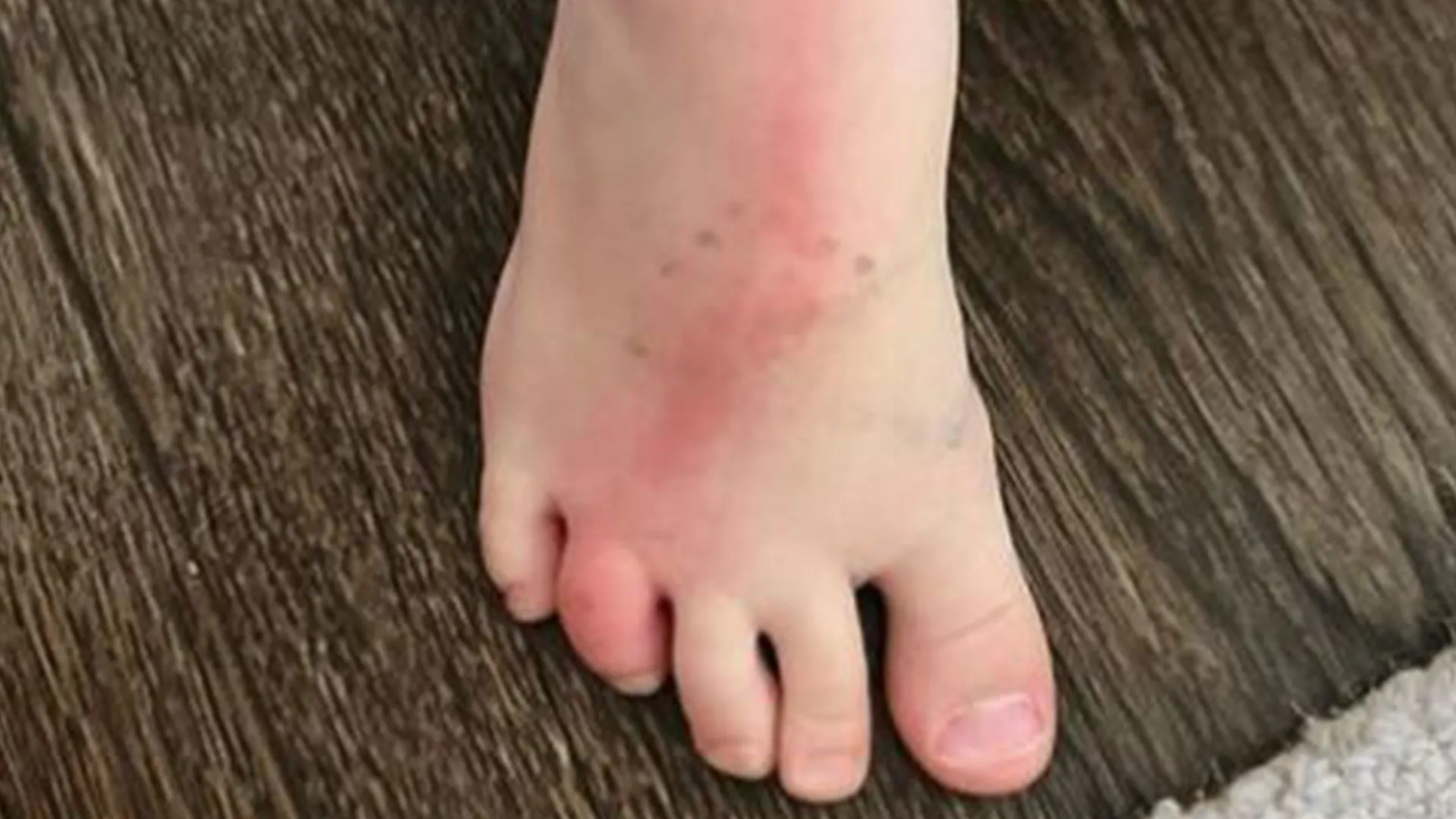
Boils and abscesses can come with surrounding cellulitis, which is a skin infection spreading through the tissue. Watch for:
- Expanding redness or warmth beyond the bump.
- Skin that looks tight, shiny, or increasingly swollen.
- Fever or chills.
- New tender lumps nearby (swollen lymph nodes).
- Increasing pain rather than a slow easing.
If you want a quick at-home marker, you can lightly mark the edge of redness with a pen. If redness clearly extends beyond the line within hours, that is a sign to be seen promptly.
Aftercare if treated in clinic
If your child had drainage or was prescribed antibiotics, the next few days matter. This is where families either heal smoothly or end up back in urgent care, and I want you in the first group.
Dressing and wound care
- Follow the specific instructions you were given. Different clinics use different dressings.
- Expect some drainage for a day or two. That does not automatically mean “it is getting worse.”
- Keep the area covered until drainage stops and the skin is closing.
- Wash hands before and after every dressing change.
If antibiotics were prescribed
- Give them exactly as directed and finish the course unless your clinician advises otherwise.
- Call if your child develops rash, hives, vomiting that prevents doses, or severe diarrhea.
Comfort and activity
- Pain should improve within 24 to 48 hours after effective drainage and treatment.
- Sports and swimming: ask your clinician. In general, avoid contact sports and public pools while actively draining.
Return precautions
Go back or call if:
- Fever starts or returns.
- Redness expands, pain worsens, or swelling increases after an initial improvement.
- Drainage becomes foul-smelling, or your child seems more ill.
- The wound closes too quickly and a painful lump reforms underneath.
- You cannot keep the dressing in place or the area cannot be kept clean (very common with toddlers, no judgment).
School and daycare
Most kids can usually attend school or daycare if they feel well and the area can be fully covered with a clean, secure dressing. If it is actively draining and cannot stay covered, or your child is having fevers, they should stay home and be evaluated. Avoid close-contact sports while draining.
Protect the rest of the family
When boils are draining, bacteria can spread. A few realistic habits go a long way.
- Do not share towels, washcloths, razors, clothing that touches the area, or sports gear.
- Wash bedding, towels, and clothes in hot water when possible, and dry thoroughly.
- Wipe down high-touch bathroom surfaces.
- Keep nails short and discourage picking or squeezing.
- If your child is in sports, make sure equipment and pads are cleaned and fully dried.
If boils keep coming back in your household, ask your pediatrician about a recurrence plan. Sometimes targeted steps like antiseptic washes or nasal ointment are considered for certain families, but it should be guided by a clinician. Do not start a “decolonization” plan on your own without medical advice.
Quick checklist for tonight
- Warm compress 10 to 15 minutes, 3 to 4 times per day.
- Clean gently once daily, then cover with a nonstick dressing.
- No squeezing, poking, or forcing drainage.
- Use appropriate pain relief if needed.
- Watch for spreading redness, fever, fast worsening, or face and eye involvement.
- If you are unsure, call your pediatrician. You are not “overreacting.” You are parenting.
And if you are reading this in the middle of the night with one eye open, I see you. Do the warm compress, cover it, and put yourself back to bed. Most of the time, the morning brings a clearer answer and a calmer plan.
Common questions
Will a boil go away on its own?
Many small boils do, especially with warm compresses and keeping the area clean and covered. If it is enlarging, very painful, or your child has fever, it needs medical evaluation.
Should I use antibiotic ointment?
For a closed, deep boil or abscess, topical ointment often does not reach the infection. It is fine for minor surface scrapes, but it is not a substitute for drainage or oral antibiotics when those are needed. When in doubt, ask your pediatrician before applying multiple products.
Is it contagious?
The bacteria can spread, especially if there is drainage. Covering it and not sharing towels or clothing that touches the area greatly reduces risk.
What if it already popped?
Let it drain naturally. Gently clean with soap and water, apply a nonstick dressing, and wash hands carefully. If pain, redness, or swelling are increasing, or if fever is present, get it checked.