
Practical ways to slow an overactive letdown, keep baby comfortable, and reduce clog and mastitis risk with positions, conservative block feeding, and smart ...
Breast Engorgement When Milk Comes In

Sarah Mitchell
Sarah Mitchell is a Registered Pediatric Nurse and a mother of three who has spent over a decade helping families navigate the beautiful, chaotic early years of childhood. She combines evidence-based medical knowledge with real-world parenting experience to offer practical, compassionate advice. At Awesome Parent, Sarah's mission is to help exhausted parents find solutions, trust their instincts, and finally get some sleep.
If you are reading this with a rock-hard chest, leaky shirt, and a baby who suddenly looks offended by your nipples, take a breath. That intense swelling when your milk comes in is incredibly common, usually temporary, and there are ways to get comfortable without accidentally training your body to make even more milk.
As a pediatric nurse and a mom of three, I will tell you what I told families in triage: the goal in these first days is to soften and drain enough for baby to latch, not “empty the breasts.” That one mindset shift can save you a lot of pain.

Engorgement vs oversupply
Not all “too much milk” situations are the same. The right fix depends on what is actually happening.
Typical early engorgement (most common)
This often hits around days 2 to 5 after birth, when colostrum transitions to transitional milk and your body also moves extra fluid into the breast tissue. That means the swelling is not just milk. It is also tissue edema (fluid) and inflammation from delivery and early feeding. It can be even more intense if you had lots of IV fluids during labor or a cesarean.
- What it feels like: breasts are tight, shiny, hot, heavy, and sometimes lumpy all over.
- What baby does: may struggle to latch because the areola is too firm for baby to grasp.
- What usually happens next: it improves over several days as milk removal gets established and swelling settles.
Ongoing oversupply (later pattern)
Oversupply is more of a longer-term rhythm, often showing up after the first week or two, or after frequent pumping “to empty,” power pumping, or using a pump to cope with early engorgement.
- What it looks like: frequent leaking, forceful letdown, baby coughing or sputtering at the breast, lots of spitty episodes (frequent spit-ups), or persistent breast fullness even with regular feeds.
- What helps: usually a different plan than acute engorgement, often guided by a lactation consultant.
If you are in that day-2-to-5 window, treat this like a short-term swelling problem and aim for gentle, frequent milk removal.
What relief should do
When milk comes in, you are trying to do three things at once:
- Make the areola soft enough for a deep latch.
- Keep milk moving to protect supply and reduce the risk of plugged ducts.
- Lower swelling and pain without stimulating more production than your baby needs.
That is a narrow target, but it is doable.
Warm + cold plan
Think of warmth as a tool to get milk flowing, and cold as a tool to turn down swelling.
Before feeding: brief warmth
- Apply a warm compress or take a warm shower for 2 to 5 minutes.
- Follow with gentle lymphatic massage for swelling: use light, sweeping strokes on the breast and chest away from the nipple, moving toward the armpit and collarbone. Think “feather-light,” not deep tissue.
- If you want to add a little milk-moving help, keep it gentle and surface-level. Avoid pushing swelling into the areola.
Why brief matters: long, hot heat can increase swelling for some parents. Short warmth helps trigger letdown without making the “puffy” part worse. (Letdown is the milk ejection reflex, when milk starts flowing more steadily.)
After feeding: cold for swelling
- Use a cold pack or a bag of frozen peas wrapped in a thin cloth for 10 to 15 minutes.
- Repeat as needed, especially in the first 48 hours of engorgement.

Anti-inflammatory pain relief (ask if safe for you)
If your provider has okayed it, an anti-inflammatory such as ibuprofen can reduce inflammation and pain in the early engorgement phase. Acetaminophen can help with pain too. Always follow your discharge instructions and any medical advice specific to your health history.
Gentle milk removal
Engorgement improves fastest when milk removal is frequent and gentle. The two big mistakes I see are (1) waiting too long between feeds because it hurts and (2) pumping a lot to feel fully empty.
Feed early and often
- Aim for 8 to 12 feeds in 24 hours.
- If baby is sleepy, use skin-to-skin and offer feeds more often until things settle.
Reverse pressure softening
If baby cannot latch because the area around the nipple is swollen and hard, try this quick trick:
- Wash hands.
- Place your fingertips around the base of the nipple.
- Press straight back toward your chest wall for about 60 seconds.
- Rotate finger positions and repeat once if needed.
This temporarily moves swelling away from the areola so baby can latch deeper.
Hand express for a minute or two
Before latching, express just enough milk to soften the nipple area. A few teaspoons can make a huge difference.
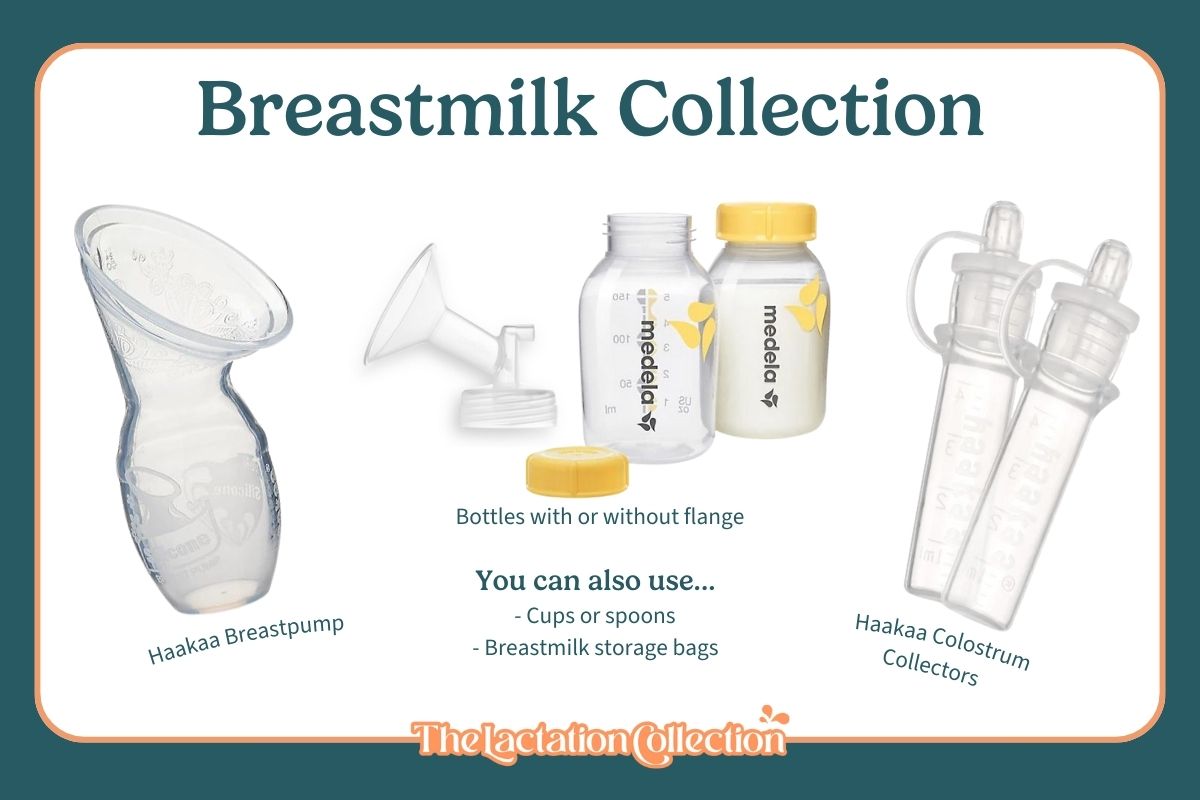
If you must pump
Sometimes baby cannot latch yet, you are separated, or you are in too much pain to wait. Pumping can be useful, but in early engorgement it can also contribute to oversupply by signaling your body to make more over time.
- Keep sessions short: 5 to 10 minutes.
- Stop when comfortable: you are aiming for “softer,” not “empty.”
- Use gentle settings: higher suction is not better. Use the strongest setting that is comfortable.
- Match baby’s pattern: if you pump, try to do it roughly when baby would feed.
If pumping is your primary method right now, consider a lactation consult to help set a plan that protects supply without accidentally creating oversupply.
Latch tweaks
A shallow latch can turn engorgement into a painful cycle. Baby transfers less milk, you stay full, and nipples get sore, which makes you want to feed less. Here are a few practical tweaks that often help immediately.
Start on the less-full side
If one breast is painfully tight, soften it first with 1 to 2 minutes of hand expression, then consider starting on the less-full side so baby settles into a good rhythm before tackling the “hard mode” breast.
Try laid-back or side-lying
Positions where your body supports baby can help you relax your shoulders and let baby open wider.
Support, do not squeeze
A firm “C-hold” behind the areola can help, but avoid compressing right at the nipple which can make swelling worse and frustrate baby.
What not to do
- Do not apply prolonged high heat. It can increase swelling for some parents.
- Do not “pump to empty” to fix early engorgement. That can signal your body to make more milk, leading to ongoing oversupply.
- Do not aggressively massage hard lumps. Deep, painful kneading can irritate tissue and worsen inflammation. If you massage at all, keep it light and consider lymphatic strokes away from the nipple.
- Do not skip feeds to “let things slow down.” In the early days, that often backfires and increases your risk of plugged ducts and infection.
- Avoid tight pressure points on your breasts. A supportive bra is helpful, but watch for digging seams or underwire that presses into tissue.
When to get help
Engorgement should gradually improve over a few days as feeding gets established. Reach out for hands-on help sooner rather than later if:
- Baby cannot latch at all, or feeds are consistently very short and frustrated.
- You have cracked, bleeding nipples or pain that makes you dread every feeding.
- Your breasts stay severely engorged beyond the first week.
- You are pumping and nursing but still feel constantly overfull.
- You are worried baby is not getting enough milk (very low wet diapers, persistent sleepiness at the breast, worsening jaundice, or baby is not regaining weight as expected). Call your pediatrician for intake concerns.
A lactation consultant can often make a dramatic difference in one visit, especially with latch and milk transfer.
Mastitis warning signs
This article is meant to complement our clogged-duct and mastitis resources, so I will keep this focused on quick recognition. Engorgement alone can cause tenderness and warmth. Mastitis is a different level and can be infectious or primarily inflammatory.
Call your healthcare provider urgently if you have:
- Fever (generally 100.4°F / 38°C or higher) or chills. Also take seriously severe symptoms even without a high fever.
- Flu-like body aches and feeling suddenly unwell.
- A rapidly worsening, painful area of the breast, especially if it is red and spreading.
- Symptoms that are not improving within 12 to 24 hours with effective milk removal, rest, and anti-inflammatory measures.
Also seek care right away if you suspect an abscess (a very painful, localized swelling that may feel fluctuant) or if you are immunocompromised.
A 24-hour plan
If you want a simple structure for the next day, try this:
- Every feed: 2 to 5 minutes warmth, then lymphatic strokes away from the nipple if you are puffy, then latch or hand express to soften the areola.
- After feeds: 10 to 15 minutes cold pack.
- Between feeds: supportive bra that is snug but not digging in, hydrate, eat something with protein, and rest when baby rests.
- If baby cannot latch: hand express or pump 5 to 10 minutes to comfort, then try again next feed.
Most parents feel a noticeable difference within 12 to 24 hours once milk is moving well and swelling is being treated with cold.
One last reassurance
The “milk came in” moment can feel like your body is doing something to you instead of for you. But engorgement is usually a short-lived bridge between birth and a steadier supply. Keep it gentle, keep milk moving, use cold for swelling, and ask for help early if latch is not happening. You are not failing. You are in the thick of a very intense, very normal transition.
Sarah Mitchell
Sarah Mitchell is a Registered Pediatric Nurse and a mother of three who has spent over a decade helping families navigate the beautiful, chaotic early years of childhood. She combines evidence-based medical knowledge with real-world parenting experience to offer practical, compassionate advice. At Awesome Parent, Sarah's mission is to help exhausted parents find solutions, trust their instincts, and finally get some sleep.