Breath-Holding Spells in Toddlers

Sarah Mitchell
Sarah Mitchell is a Registered Pediatric Nurse and a mother of three who has spent over a decade helping families navigate the beautiful, chaotic early years of childhood. She combines evidence-based medical knowledge with real-world parenting experience to offer practical, compassionate advice. At Awesome Parent, Sarah's mission is to help exhausted parents find solutions, trust their instincts, and finally get some sleep.
If you have ever watched your toddler get upset, let out a cry, then suddenly go silent and stop breathing, you already know this is not the kind of parenting moment you forget. It is fast, dramatic, and deeply scary.
Here is the reassuring truth: breath-holding spells are common in toddlers, they are involuntary, and they are almost always harmless, even though they can look like an emergency. Still, it is reasonable to get an evaluation, especially the first time, so your pediatrician can confirm the pattern and rule out less common causes.
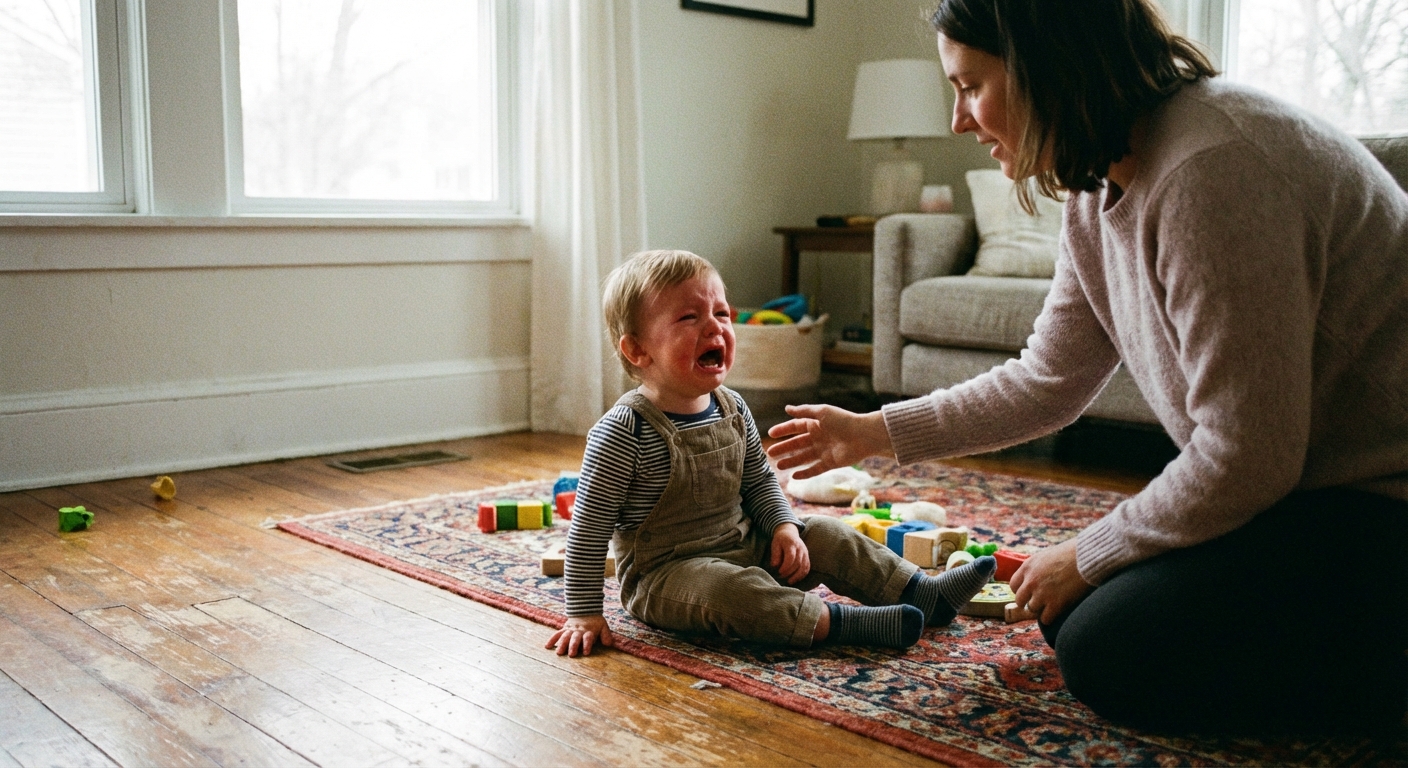
In this guide, I will walk you through what breath-holding spells are (including the two main types), why they happen, what to do during an episode, how to prevent some of them, and when it is time to talk with your pediatrician.
What is a breath-holding spell?
A breath-holding spell is a reflex episode where a child briefly stops breathing, usually after a strong emotion or sudden pain. Some children may briefly pass out. A few may stiffen or have a short, seizure-like shake after they faint.
Breath-holding spells typically happen in children from about 6 months to 5 to 6 years, most commonly between 1 and 3 years.
The key thing to know
Your child is not choosing this and it is not a behavior they can simply stop on command. A breath-holding spell is an involuntary nervous system response, similar to fainting.
Cyanotic vs. pallid spells
There are two classic patterns. Knowing which one you are seeing can make it feel a little less mysterious.
Cyanotic spells
Most breath-holding spells are cyanotic. They often happen after frustration, anger, or being told “no.”
- Trigger: tantrum, frustration, being upset
- What you might see: crying, then a silent pause, breath-holding, lips or face turning bluish, sometimes brief limpness or passing out
- Why the color change: a brief pause in breathing can cause a short-lived drop in oxygen
Pallid spells
Pallid spells are less common and are often triggered by a sudden scare or pain, like a fall, bump, or surprise.
- Trigger: pain, startle, fear
- What you might see: child may not cry much, suddenly goes pale or gray, becomes limp, may briefly pass out
- What is happening: a vagal reflex can briefly slow the heart rate, which can lead to fainting
Both types can look intense. Both are typically brief. And in the vast majority of kids, both are benign.
Why do they happen?
Breath-holding spells are thought to involve a combination of big feelings, an immature nervous system, and a reflex that briefly disrupts normal breathing or heart rate.
Common triggers include:
- Frustration or anger: being denied something, transitions, overtired moments
- Pain: a fall, a pinched finger, bumping a head
- Startle: a loud noise, sudden scare, surprise
Is it a tantrum tactic?
This is where parents feel understandably conflicted. It often starts during a tantrum, so it can look “on purpose.” But breath-holding spells are not intentional manipulation. Once the reflex kicks in, your child cannot will themselves to breathe any more than an adult can decide not to faint.
What about iron deficiency?
There is a well-established association between iron deficiency (with or without anemia) and breath-holding spells in some children. Not every child with spells is iron-deficient, but it is common enough that pediatricians often consider checking iron levels, especially if spells are frequent or severe.
Do they run in families?
Sometimes, yes. Breath-holding spells can cluster in families, and some children are simply more prone to this reflex.
What it looks like
Most episodes follow a pattern:
- Trigger (frustration, pain, startle)
- Cry or gasp (or little to no cry in pallid spells)
- Breath-holding and color change (blue or pale)
- Possible brief loss of consciousness
- Quick recovery, sometimes followed by sleepiness or clinginess
Most spells last less than 1 minute. Many are over in 20 to 30 seconds. It feels much longer when you are watching it happen.
Frequency varies a lot. Some kids have occasional spells. Others have periods where they happen more often, then fade again.
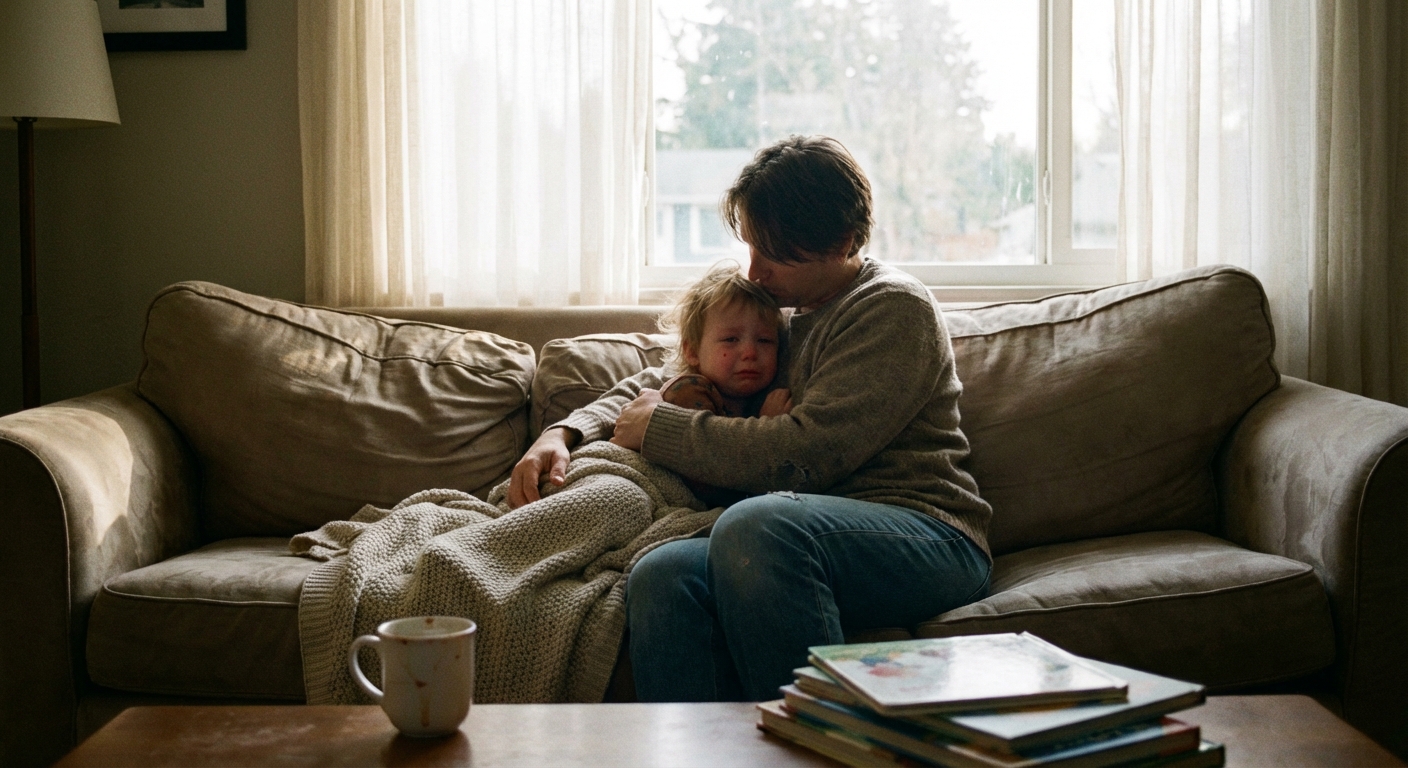
Occasionally, a child may have a short stiffening or a few jerky movements after they pass out. This can be terrifying, but it is often a result of the brief faint rather than epilepsy. Still, any first-time episode that includes shaking should be discussed with your pediatrician.
What to do during a spell
Your job is to keep your child safe until their body resets and starts breathing normally again.
Step by step
- Stay as calm as you can. I know, easier said than done. But your calm helps you make good decisions.
- Lay your child down on their side on the floor or a safe flat surface. This helps prevent injury if they faint.
- Move objects away so they cannot hit their head or face.
- Do not put anything in their mouth. No fingers, no spoons, no medicine.
- Do not shake them, slap them, or splash water on them. It does not help and can cause harm.
- Watch the clock. If you can, note how long it lasts and what triggered it. That information is very helpful later.
Should I do CPR?
In a typical breath-holding spell, children start breathing again on their own. CPR is not usually needed.
Call emergency services if breathing does not resume promptly (around a minute), if your child remains unresponsive, if they have persistent blue color or trouble breathing afterward, or if anything about the episode feels different from prior spells.
After the episode
- Comfort them. Many kids are confused or extra clingy for a bit.
- Return to normal. Once they are okay, try not to dramatically change the boundary or give in to a demand specifically because of the spell. You are not punishing them. You are just avoiding accidentally teaching that the episode changes the outcome.
- Do not shame or punish. Your child did not choose this. Focus on calm connection, then move forward.
- Write it down. Trigger, color change, whether they fainted, how long it lasted, and how they recovered.
How doctors diagnose it
Most of the time, diagnosis is based on the story and the pattern: a clear trigger, a brief episode, and quick recovery. Your pediatrician may ask detailed questions, review a video if you have one, and do a normal exam.
Depending on the history, they might also:
- Check iron studies (especially if spells are frequent, your child is a picky eater, or there are signs of iron deficiency)
- Order an ECG if there are red flags for a heart rhythm issue (for example, a strong family history, episodes without a trigger, or episodes with exertion)
How to help prevent spells
You cannot prevent every episode, because you cannot prevent every toddler emotion or bump. But you can reduce the frequency for many kids.
Practical tips
- Prioritize sleep and snacks. Exhaustion and hunger lower coping skills for everyone, including tiny people.
- Give transition warnings. “Two more minutes, then we get in the car.” Toddlers do better when surprises are fewer.
- Offer controlled choices. “Do you want the red cup or the blue cup?” It reduces power struggles.
- Stay steady during tantrums. Calm voice, simple phrases, and fewer words.
- Ask your pediatrician about iron. Especially if spells are frequent, prolonged, or your child is a picky eater.
Also, please do not blame yourself. Some children are simply more prone to this reflex, and it tends to peak in the toddler years.
When do they go away?
Most children outgrow breath-holding spells by age 4, and almost all by age 6. Episodes often become less frequent over time.
When to call the pediatrician
If your child has had what seems like a breath-holding spell, it is reasonable to let your pediatrician know, especially the first time. Sometimes the plan is simply reassurance. Other times your clinician may want to rule out other causes or check iron.
Make an appointment soon if:
- This is the first episode or you are unsure it was a breath-holding spell
- Spells are frequent or increasing in intensity
- Your child passes out during spells
- There is shaking, stiffening, or prolonged confusion afterward
- Your child has poor growth, unusual fatigue, very limited diet, or signs of possible iron deficiency
- There is a family history of heart rhythm problems or sudden unexplained death
Get urgent or emergency help if:
- The episode is prolonged or your child is not recovering quickly
- Your child has trouble breathing after the spell ends or has persistent bluish color
- Your child has a spell without a clear trigger (no frustration, pain, or startle)
- Spells happen during sleep or with exercise
- There is a serious injury involved (fall from height, head injury with concerning symptoms)
- Your child is under 6 months or the episode resembles an apnea event in an infant
If you are ever in that panicky gray zone of “this seems different,” trust your instincts and get evaluated.
Common 3 AM questions
Can spells cause brain damage?
Breath-holding spells are typically too brief to cause brain damage. They look dramatic, but the body resumes breathing on its own.
Is this the same as a seizure?
Not usually. Some kids have brief stiffening or shaking after they faint, which can mimic a seizure. True seizures often happen without an emotional trigger and may have a longer recovery phase. Because it can be hard to tell, talk with your pediatrician about any episode involving shaking, especially the first one.
Also reassuring: breath-holding spells do not increase a child’s risk of developing epilepsy.
Should I give mouth-to-mouth?
No. In a typical breath-holding spell, rescue breaths are not needed. Focus on safe positioning, preventing injury, and monitoring. If your child does not resume normal breathing promptly or remains unresponsive, call emergency services.
Will my child do this forever?
No. This is a toddler and preschool phase for nearly all children who experience it.
Final reassurance
Breath-holding spells are one of those parenting experiences that feel like a horror movie scene, even when the medical explanation is boring and benign. If it happens again, your best tools are safety, calm, and a quick mental checklist: lay them down, watch the clock, and let the reflex pass.
And if you want extra peace of mind, bring a detailed description or a video (if you can safely take one) to your pediatrician. You deserve reassurance from a real human who can look at your child’s full history, not just the internet at 3 AM.