Bronchiolitis in Babies: Symptoms, Treatment, and When to Go to the ER

Sarah Mitchell
Sarah Mitchell is a Registered Pediatric Nurse and a mother of three who has spent over a decade helping families navigate the beautiful, chaotic early years of childhood. She combines evidence-based medical knowledge with real-world parenting experience to offer practical, compassionate advice. At Awesome Parent, Sarah's mission is to help exhausted parents find solutions, trust their instincts, and finally get some sleep.
If your baby has a cold and suddenly sounds wheezy, is breathing faster than usual, or looks like they are working hard just to get air in, it is absolutely normal to feel alarmed. Bronchiolitis is one of the most common reasons babies end up needing medical care during cold and flu season, and it can look scary even when it is mild.
Take a breath with me. Most cases can be managed at home with simple supportive care, but there are a few specific red flags that mean you should be seen urgently.
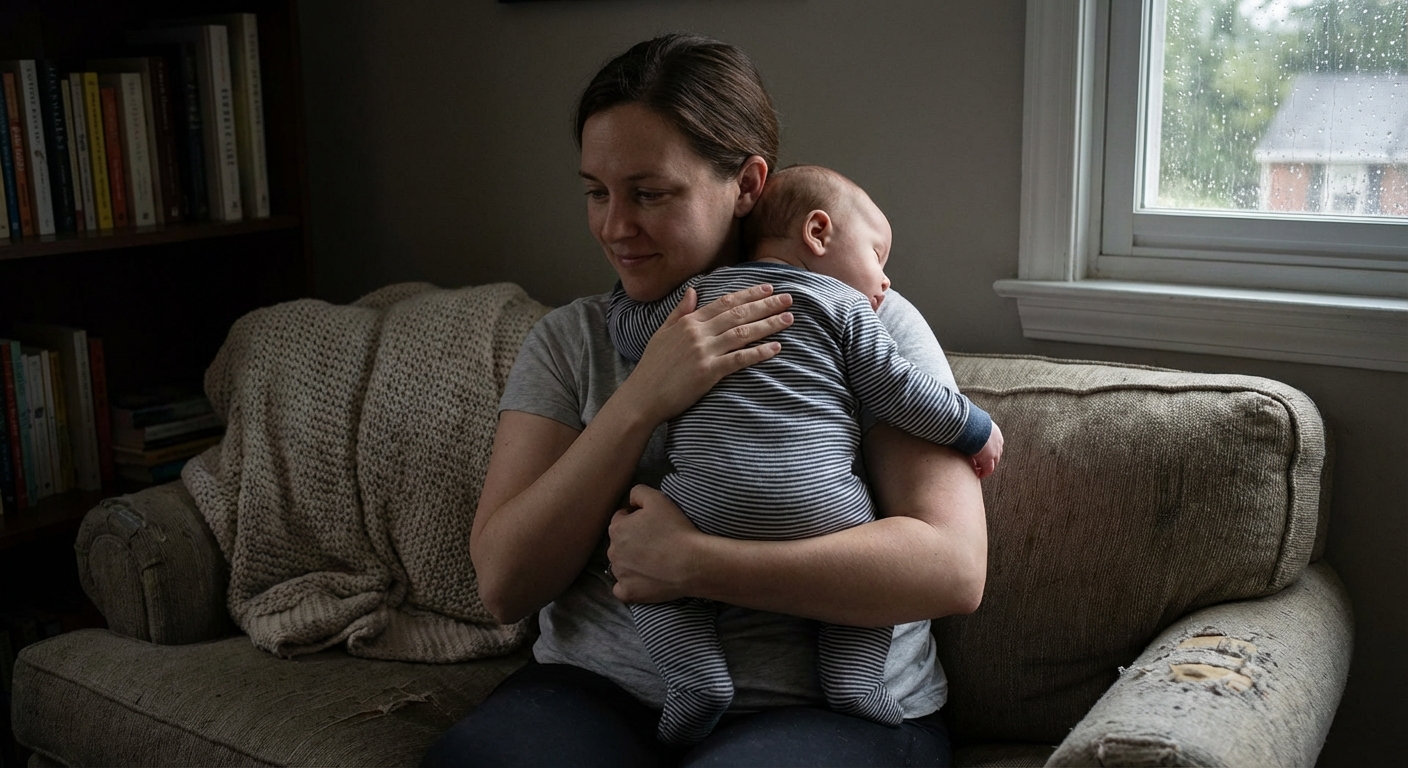
What bronchiolitis is
Bronchiolitis is inflammation of the smallest airways in the lungs, called bronchioles. In babies and young toddlers, these tiny airways can swell and fill with mucus during a viral infection. Because the airways are already small, even a little swelling can make breathing noisier and harder.
Bronchiolitis most often affects babies under age 2, with the peak severity usually in infants under 12 months. It is most common in late fall through early spring.
Is bronchiolitis the same as RSV?
Not exactly. RSV is a virus. Bronchiolitis is a diagnosis, meaning it describes what the infection is doing in the lungs.
- RSV is the most common cause of bronchiolitis, but it is not the only one.
- Other viruses can cause bronchiolitis too, including rhinovirus (common cold viruses), human metapneumovirus, parainfluenza, influenza, adenovirus, and more.
- Your child can have RSV and have a mild cold, or have RSV and develop bronchiolitis. Same virus, different level of lower airway involvement.
In clinic, parents often hear “RSV” and “bronchiolitis” used close together. It can feel confusing. The practical takeaway is this: bronchiolitis is typically treated with supportive care regardless of which virus caused it.
Bronchiolitis vs a regular cold
A standard cold mainly affects the nose and throat. Bronchiolitis starts like a cold, then moves into the chest.
Typical timeline
- Days 1 to 3: runny nose, congestion, mild cough, maybe a low fever.
- Days 3 to 5: cough often worsens, wheezing may appear, breathing can get faster or more labored. This is often the peak.
- Days 6 to 10: gradual improvement, though the cough can hang around for 2 to 3 weeks.
This “gets worse before it gets better” pattern is one reason bronchiolitis can be so unsettling for families.
Symptoms to watch for
Bronchiolitis symptoms can range from mild to severe. Here is what parents commonly notice at home.
Common symptoms
- Stuffy or runny nose
- Cough that becomes more frequent
- Fever (not always present)
- Decreased appetite or shorter feeds
- More fussiness or fatigue
Chest symptoms that suggest bronchiolitis
- Wheezing: a whistling or musical sound, usually when breathing out
- Rapid breathing or breathing that looks “hard”
- Retractions: skin pulling in between the ribs, under the ribs, or above the collarbones with each breath
- Nasal flaring: nostrils widening with each breath
- Grunting (a short sound on the exhale, a sign baby is trying to keep airways open)
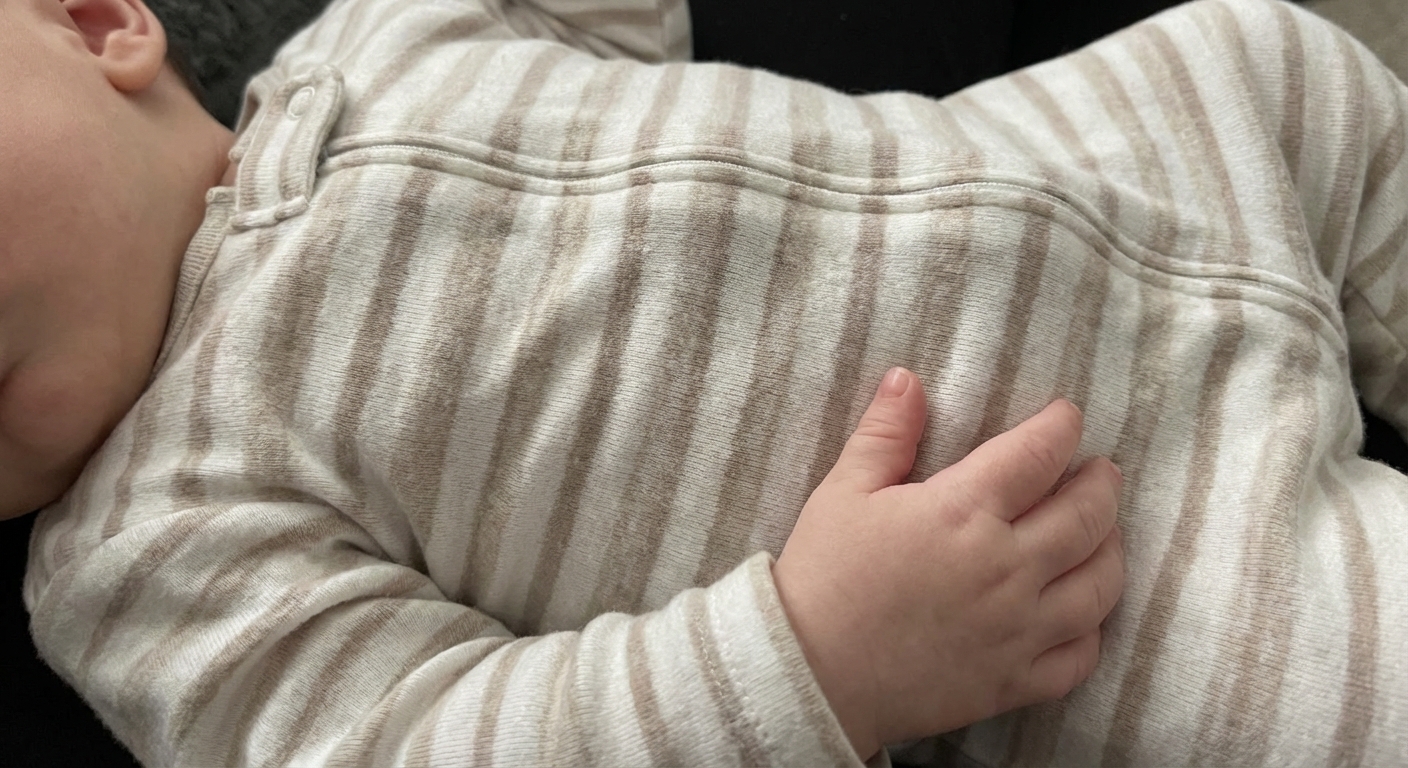
How doctors diagnose bronchiolitis
Bronchiolitis is usually diagnosed based on your child’s age, symptoms, and a physical exam. Many clinics do not need an X-ray or viral testing to diagnose it, especially if your baby is otherwise healthy and the symptoms fit.
In triage we focus on a few key questions:
- How is the breathing effort and oxygen level?
- Is baby staying hydrated?
- How old is the baby and were they born premature?
- Any underlying heart, lung, or immune conditions?
Sometimes a clinician will order a viral test or chest X-ray if the presentation is unusual, symptoms are severe, or they are considering other diagnoses.
Home care that actually helps
Bronchiolitis treatment is mostly supportive, which is a frustrating way of saying: we help your baby breathe and drink comfortably while the virus runs its course.
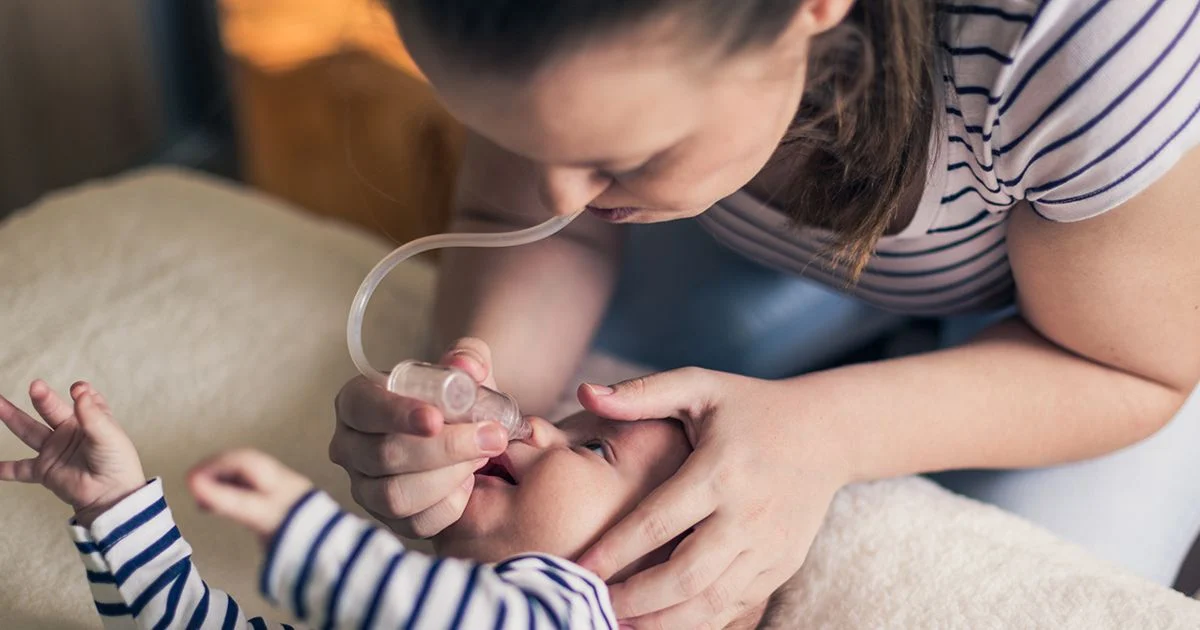
1) Clear the nose like it is your job
Babies are nose breathers. A stuffed nose can make feeding and sleeping so much harder.
- Use saline drops or mist to loosen mucus.
- Gently suction with a bulb syringe or suction device, especially before feeds and sleep.
- If your baby fights suctioning, you are not alone. Aim for “effective,” not “perfect.”
2) Keep fluids up
Hydration is one of the biggest factors that determines whether babies can stay home or need extra support.
- Offer smaller, more frequent feeds.
- If breastfeeding, consider shorter, more frequent nursing sessions.
- For formula-fed babies, smaller bottles more often can be easier to manage when they are congested.
- If your baby is old enough for solids, it is okay if they eat less for a few days. Fluids matter most.
Helpful hydration check: count wet diapers. Fewer wet diapers can be an early sign they need medical evaluation.
3) Humid air and comfortable positioning
- A cool-mist humidifier can help thin mucus and make coughing less irritating.
- Keeping baby upright after feeds can reduce coughing and spit-up triggered by mucus.
Important: For sleep, always follow safe sleep guidance. Baby should sleep flat on their back on a firm surface without pillows, wedges, or positioners, even when congested.
4) Fever and comfort care
If your baby is uncomfortable with fever, ask your pediatrician about appropriate dosing for age and weight.
- Acetaminophen is commonly used in young infants, but dosing should be confirmed.
- Ibuprofen is generally used only in babies 6 months and older, unless your clinician advises otherwise.
Avoid over-the-counter cold and cough medicines in babies and young toddlers unless specifically directed by your child’s clinician.
Treatments you might hear about
This is the part that surprises many parents: bronchiolitis is not routinely treated with antibiotics, steroids, or breathing treatments for most babies.
Antibiotics
Bronchiolitis is almost always viral. Antibiotics do not treat viruses. They are only used if your baby also has a bacterial infection, like an ear infection or pneumonia.
Albuterol or “nebulizer treatments”
Some children improve with bronchodilators, but many infants with bronchiolitis do not. Your clinician may do a monitored trial dose to see if it clearly helps. If there is no meaningful improvement, it is typically not continued.
Steroids
Steroids are not routinely recommended for typical bronchiolitis. They may be considered in specific situations, especially if there is concern for asthma-like airway reactivity, but that is more common in older toddlers than in young infants.
Oxygen and hospital support
If oxygen levels are low or work of breathing is high, the main hospital treatments are supportive:
- Supplemental oxygen
- IV fluids or feeding support if dehydration is a concern
- High-flow nasal cannula support in more significant cases
When to call your pediatrician today
If you are unsure, it is always okay to call. I would rather talk a tired parent off the ledge than miss a baby who needs help.
- Breathing looks faster than usual, even if baby is still alert
- Wheezing is new or worsening
- Feeding has dropped off noticeably
- Fewer wet diapers than normal
- Fever of 100.4°F (38°C) or higher in a baby under 2 to 3 months old
- Your baby was born premature or has heart or lung disease
Go to the ER now
Trust your gut here. If your baby looks like they are struggling, do not wait it out.
- Hard breathing: significant retractions, grunting, or nasal flaring
- Pauses in breathing or episodes where breathing seems to stop
- Blue, gray, or very pale color around lips or face
- Very sleepy, difficult to wake, or unusually limp
- Unable to feed or signs of dehydration (very dry mouth, no tears when crying, significantly fewer wet diapers)
- Oxygen saturation concerns if you were told a number to watch and it is low
If you are seeing blue discoloration, pauses in breathing, or severe breathing effort, call emergency services.
How contagious is bronchiolitis?
Very. Bronchiolitis spreads the same way common respiratory viruses spread: droplets, close contact, and contaminated hands and surfaces.
Simple prevention that works
- Handwashing before touching baby
- Keep sick siblings from sharing cups, utensils, or pacifiers
- Wipe down high-touch surfaces
- Avoid crowded indoor spaces during peak season when possible
Ask your pediatrician about RSV prevention for your family. Current guidance recommends RSV immunization for most infants entering their first RSV season, including many babies under 8 months. Options may include a long-acting RSV antibody for the baby (nirsevimab) or vaccination during pregnancy to help protect newborns. Availability and timing can vary, so your child’s clinician is the best source for what applies locally.
How long does bronchiolitis last?
Most babies are noticeably worse for a few days, then gradually improve. A common pattern is:
- Peak symptoms around days 3 to 5
- Improvement over the next week
- Cough lingering 2 to 3 weeks
If your baby improves and then suddenly gets worse again, especially with new fever or new breathing difficulty, call your pediatrician. Sometimes a second infection or an ear infection shows up during recovery.
Monitors and home pulse oximeters
I get the appeal. When your baby is wheezing at 2 AM, you want numbers. But consumer pulse oximeters can be inaccurate in wiggly babies, and chasing a number can increase anxiety without improving safety.
If you are using one, focus more on your baby’s work of breathing, alertness, and hydration. And if you are worried, call your pediatrician’s office or nurse triage line, or seek urgent evaluation instead of trying to troubleshoot equipment.
Bottom line
Bronchiolitis is a common viral infection that inflames the tiny airways in a baby’s lungs. It often starts like a cold and then shifts into more coughing, wheezing, and faster breathing. Most babies do well with supportive home care, especially nasal suction and keeping fluids up. But breathing distress, poor feeding, dehydration, color change, or pauses in breathing are reasons to get urgent care right away.
If you are not sure where your baby fits, call your pediatrician’s office or after-hours nurse line. Tell them your baby’s age, how breathing looks, how feeding is going, and how many wet diapers you are seeing. You are not bothering them. This is exactly what they are there for.