Grunting, wheezing, retractions, and nasal flaring can be scary. Here’s what’s normal in newborns, what warning signs look like, and clear ER thresholds.
BRUE in Infants: What It Means and When to Follow Up

Sarah Mitchell
Sarah Mitchell is a Registered Pediatric Nurse and a mother of three who has spent over a decade helping families navigate the beautiful, chaotic early years of childhood. She combines evidence-based medical knowledge with real-world parenting experience to offer practical, compassionate advice. At Awesome Parent, Sarah's mission is to help exhausted parents find solutions, trust their instincts, and finally get some sleep.
If you have ever watched your baby suddenly go quiet, change color, or seem “not quite there” for a few seconds, you already know this truth: a short event can feel like an eternity.
In pediatrics, one label you might hear after a scary episode that resolves quickly is BRUE , short for Brief Resolved Unexplained Event. It is not a diagnosis so much as a description, and it comes with a very specific question: Is there an underlying medical problem we need to find, or was this a one-time blip?
You may also see older articles that use the term ALTE (apparent life-threatening event). BRUE is the newer term used by the American Academy of Pediatrics (AAP) to better define which events are truly unexplained after an exam.
This guide will help you understand what BRUE means, how it differs from choking and other common infant behaviors, what clinicians look for, and how to know when an episode still deserves urgent care.

What is a BRUE?
BRUE stands for Brief Resolved Unexplained Event. It is a term clinicians use for an event in a baby younger than 1 year old that:
- Happened suddenly
- Lasted a short time, typically under 1 minute (many are closer to 20 to 30 seconds)
- Resolved on its own (baby returns to baseline)
- Is unexplained after a careful history and exam
A BRUE typically includes one or more of the following observed changes:
- Color change (pale, blue, or gray)
- Breathing change (absent, decreased, or irregular breathing)
- Change in tone (limp or unusually stiff)
- Change in responsiveness (seems less responsive than usual)
Key point: BRUE is only used when, after evaluating your baby, the clinician cannot find an obvious explanation like choking on milk, a fever illness, or a seizure.
BRUE vs choking vs normal newborn quirks
Babies are tiny, noisy, unpredictable creatures. They can do things that look dramatic but are actually common. Here is how BRUE usually differs from a few frequent look-alikes.
BRUE vs choking or gagging
Choking involves an airway problem with a clear trigger, often feeding. You might see coughing, gagging, sputtering, milk coming from the mouth or nose, or signs your baby is struggling during a feed.
BRUE is used when there is no clear choking episode and the event remains unexplained after the exam.
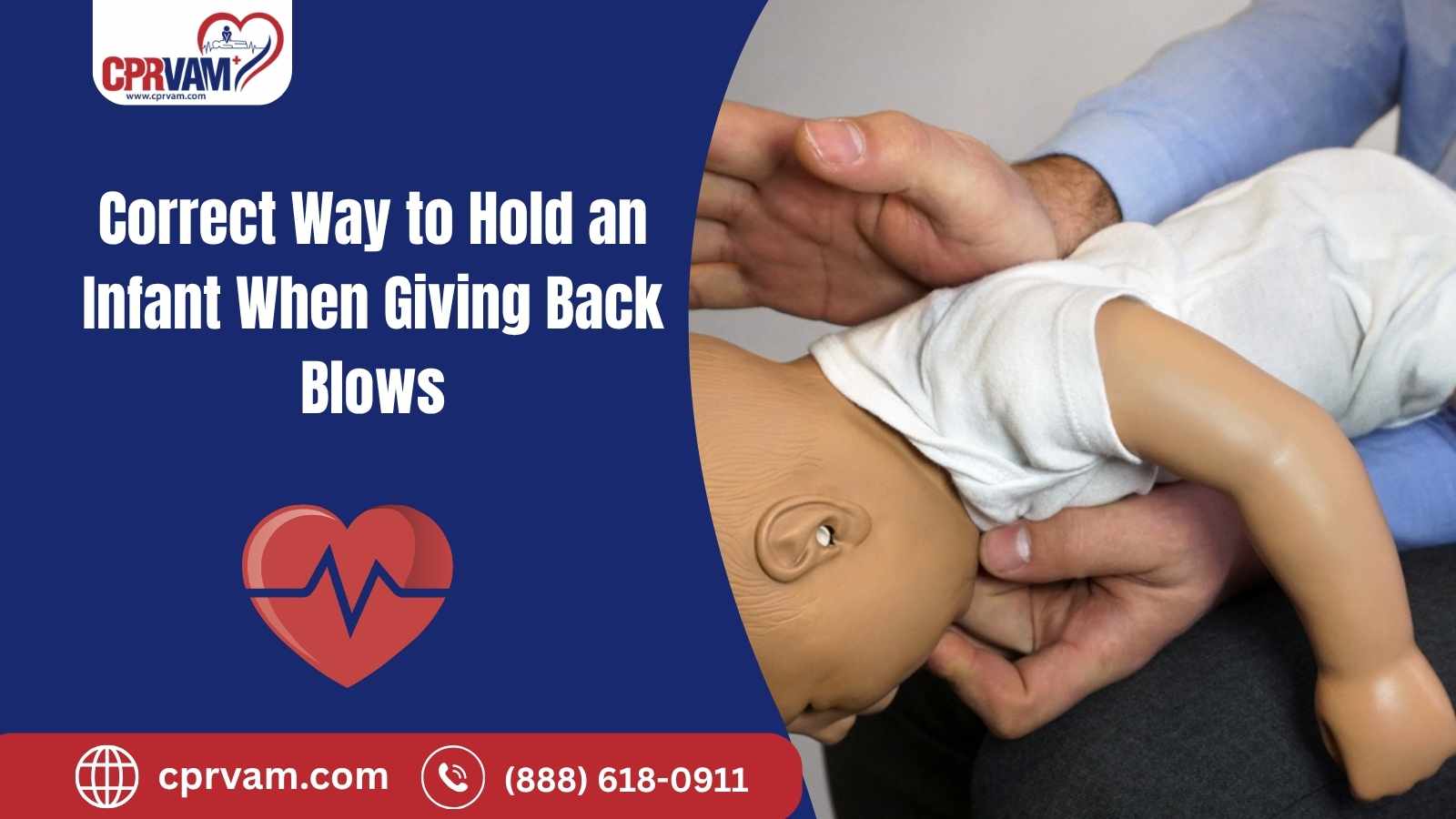
If your baby is actively choking and cannot breathe or cough, that is an emergency. Call 911 and start age-appropriate choking first aid.
BRUE vs reflux (spit-up)
Reflux can cause gagging, brief coughing, or red-faced discomfort. Babies can look upset, arch, or spit up. That can be scary, but it is usually not BRUE if the episode is clearly related to spit-up or feeding.
Two helpful clarifications:
- Reflux is an uncommon proven cause of true apnea or cyanosis.
- In a clearly low-risk BRUE, the AAP generally recommends avoiding routine reflux testing and avoiding empiric acid-suppressing medicines unless there are other reasons to suspect a reflux complication.
That said, reflux-like symptoms plus color change, limpness, or unusual sleepiness still deserve medical evaluation.
BRUE vs breath-holding spells
Breath-holding spells are more common in older infants and toddlers. They usually happen after crying, frustration, or pain, and a child may briefly turn blue or pass out.
BRUE is used for infants under 1 year, and especially for younger babies, when the event is not clearly tied to crying or an emotional trigger.
BRUE vs periodic breathing
Newborns often have periodic breathing, meaning they breathe fast for a few breaths, then slower, and may pause briefly (often under about 10 seconds) without any color change or limpness. This can look unsettling at 3 AM, but it is usually normal.
A BRUE is more than a tiny pause. It involves a significant change in breathing, color, tone, or responsiveness that alarms a caregiver. If pauses are longer, repetitive, or paired with color or tone change, it is worth getting checked.

When it is an emergency
Even though BRUE is, by definition, brief and resolved, some events are not “watch and wait” situations. Call 911 or seek emergency care immediately if your baby:
- Is having trouble breathing now, breathing is noisy or labored, or pauses keep happening
- Has blue or gray lips or face that does not quickly resolve
- Is unresponsive, unusually hard to wake, or significantly less responsive than normal
- Has seizure-like movements (rhythmic jerking, repeated eye deviation, stiffening with loss of awareness)
- Has a fever and is under 3 months old (100.4°F or 38°C or higher; rectal temperature is often the most accurate in young infants)
- Had an event after a head injury or concerning fall
- Has repeated episodes in a short period, or the episode lasted longer than a minute
- Looks seriously ill to you, even if you cannot explain why
Trust your gut here. You do not need perfect wording to call for help. “My baby stopped breathing and changed color” is enough.
What doctors look for
When a clinician evaluates a possible BRUE, the most important “test” is usually the history. I know that can feel frustrating when you want a quick scan or a single definitive test, but in pediatrics, the details of what happened often point us toward the right explanation.
Questions you will be asked
- How old is your baby? Was your baby born early (premature)?
- Exactly what did you see first: color change, breathing change, limpness, stiffness, or unresponsiveness?
- How long did it last? Did it resolve on its own?
- What was happening right before it started (sleep, feeding, crying, bathing)?
- What position was your baby in (back, belly, in a swing, in a car seat)?
- Did you see choking, gagging, spit-up, coughing, or drooling?
- Was there any fever, congestion, vomiting, diarrhea, or poor feeding?
- Has it happened before? Any family history of seizures, heart rhythm problems, or sudden unexplained deaths?
- Did anyone do CPR?
What the exam focuses on
- Breathing effort and oxygen level
- Heart rate and rhythm
- Hydration and feeding ability
- Neurologic status, tone, and alertness
- Signs of infection
- Growth patterns, weight gain, and overall development
Depending on the story and your baby’s age, the clinician may recommend observation, an ECG (to look at heart rhythm), viral testing, or other targeted tests. The key word is targeted. A BRUE workup is not one-size-fits-all.
Low-risk vs higher-risk
Clinicians often sort BRUE into “lower-risk” and “higher-risk” categories. This helps decide whether a baby can be safely observed and followed closely, or needs more urgent evaluation and monitoring.
Often lower-risk
- Age over 60 days
- Born at 32 weeks gestation or later and corrected age is at least 45 weeks
- First and only event
- Lasted less than 1 minute
- CPR was not required and was not performed by a trained medical provider
- Normal history and normal exam
Often higher-risk
- Age under 60 days
- Born very premature, or still very young by corrected age
- More than one event
- Longer episode, persistent symptoms, or not fully back to baseline
- Concerning history like feeding difficulties, poor weight gain, significant congestion, or family history of arrhythmia
- Abnormal exam findings
Higher-risk does not mean something terrible is happening. It means the margin for error is smaller, and clinicians usually want closer monitoring or additional evaluation.
Outlook
Most babies who meet low-risk BRUE criteria do well, and serious underlying diagnoses are uncommon in that group. Your care team’s job is to make sure your baby truly fits the low-risk pattern and to watch for clues that this was not actually “unexplained.”
What to track at home
If your baby was evaluated and sent home, you might still feel like you are listening for every breath. That is a normal reaction. Here is what actually helps your pediatrician, urgent care clinician, or ER team if symptoms return.
Write down details
- Date and time
- What baby was doing (feeding, sleeping, crying, diaper change)
- Position (back, side, tummy, car seat, swing)
- What you saw: color, breathing, tone, responsiveness
- How long it lasted (guessing is fine, but use a timer if it happens again)
- How it ended (spontaneously, after stimulation like rubbing the back, after suctioning, after burping)
- Anything unusual earlier that day (less feeding, fewer wet diapers, fever, congestion)
If it happens again, consider a quick video
If your baby is safe and you are not delaying emergency care, a short video can be incredibly helpful for clinicians. Many “BRUE” events turn out to be something explainable once we see it.
Track feeding and diapers
- How much and how often your baby feeds
- Any coughing, gagging, or color change during feeds
- Wet diapers and stools
- Any vomiting that is forceful or green
Safe sleep check
Keep sleep as boring and safe as possible: alone, on the back, in a crib or bassinet with a firm mattress and no loose bedding. Avoid positioners and inclined sleepers. Car seats are for travel, not routine sleep. If your baby fell asleep in a car seat, swing, or bouncer, move them to a safe sleep space as soon as practical.

Do home monitors help?
This is one of the most common questions I hear, usually right after a parent says, “I have not slept since it happened.”
For most families, commercially available home cardiorespiratory monitors are not recommended as a way to prevent SIDS, and they can create a lot of anxiety due to false alarms. The best-supported steps to reduce sleep-related infant death risk are the AAP safe sleep recommendations (back sleeping, firm flat surface, no soft bedding, and avoiding overheating).
In select medical situations, your pediatrician or specialist may recommend monitoring, but it should be a decision made with your care team.
If you are considering a monitor mainly because you are scared, tell your pediatrician that. We can talk about what it can and cannot do, and also build a plan that actually supports sleep and safety.
Follow-up questions
Even if the ER or urgent care felt reassured, it is reasonable to arrange pediatric follow-up, especially for younger infants or if you are still unsettled.
- Based on our baby’s age and story, do you consider this low-risk or higher-risk?
- Do we need any testing, like an ECG, or a feeding assessment?
- Should we change anything about feeding technique (pacing, nipple flow, burping, positioning)?
- What symptoms should prompt us to return immediately?
- Is CPR training recommended for our household?
If your baby has another event, bring your notes and any video. It can shorten the road to an answer.
One last reassurance
A BRUE is scary because it is sudden and it steals your sense of certainty. But many infants who have a single brief resolved event go on to do completely fine.
Your job is not to diagnose it at home. Your job is to recognize what you saw, get urgent help when it is needed, and give your pediatrician the clearest story you can. That is excellent parenting, even if you were shaking while you did it.
If you ever feel that “something is off,” you are allowed to seek care even if the episode has already passed. You are not overreacting. You are gathering information while your baby is still small enough that we take every story seriously.
Quick checklist
Get emergency help now if
- Breathing trouble now, blue or gray color, unresponsive, repeated events, or seizure-like movements
- Fever in a baby under 3 months (100.4°F or 38°C or higher)
Track and follow up if
- Baby is back to baseline but the event involved color, breathing, tone, or responsiveness changes
- You are unsure whether it was choking, reflux, or something else
When in doubt, call your pediatrician’s nurse line or seek urgent evaluation. I would rather talk you down from something benign than miss something important.
This article is for general education and is not medical advice. If you are worried about your baby right now, seek urgent care.