Bug Bites and Bee Stings in Kids

Sarah Mitchell
Sarah Mitchell is a Registered Pediatric Nurse and a mother of three who has spent over a decade helping families navigate the beautiful, chaotic early years of childhood. She combines evidence-based medical knowledge with real-world parenting experience to offer practical, compassionate advice. At Awesome Parent, Sarah's mission is to help exhausted parents find solutions, trust their instincts, and finally get some sleep.
If you are reading this with a kiddo who just came inside scratching, crying, or proudly announcing, “A bee got me,” take a breath. Most bug bites and stings look dramatic, feel miserable, and still turn out to be totally manageable at home.
As a pediatric nurse and a mom, here is my bottom line: you are watching for breathing problems, swelling of the lips or face, widespread hives, severe pain, or signs of infection. Everything else is usually about comfort and time.
First: Quick safety check
Before you zoom in on the bite itself, do a 10-second scan of your child.
Call 911 now if any of these are happening
- Trouble breathing, wheezing, repetitive coughing, or the child cannot speak in full sentences
- Swelling of the lips, tongue, face, or throat
- Widespread hives or rash plus any other symptom (vomiting, dizziness, breathing changes)
- Fainting, extreme sleepiness, confusion, or “something is very off”
- Known severe allergy and an epinephrine auto-injector was used or should be used
If you have an epinephrine auto-injector (EpiPen or similar) and you suspect anaphylaxis, use it immediately, then call 911. Do not wait to see if it “passes.”
Parent-to-parent: The scary allergic reactions usually involve the whole body, not just a big local bump. A huge swollen ankle after a mosquito bite can be normal. A swollen lip plus coughing is not.
Common bites and stings: what they usually look like
Bug bites can look different depending on a child’s skin tone, sensitivity, and how much they scratch. These descriptions are “most common,” not “always.” When you are unsure, focus on symptoms and exposure history (woods, tall grass, bed, pets, food outdoors).
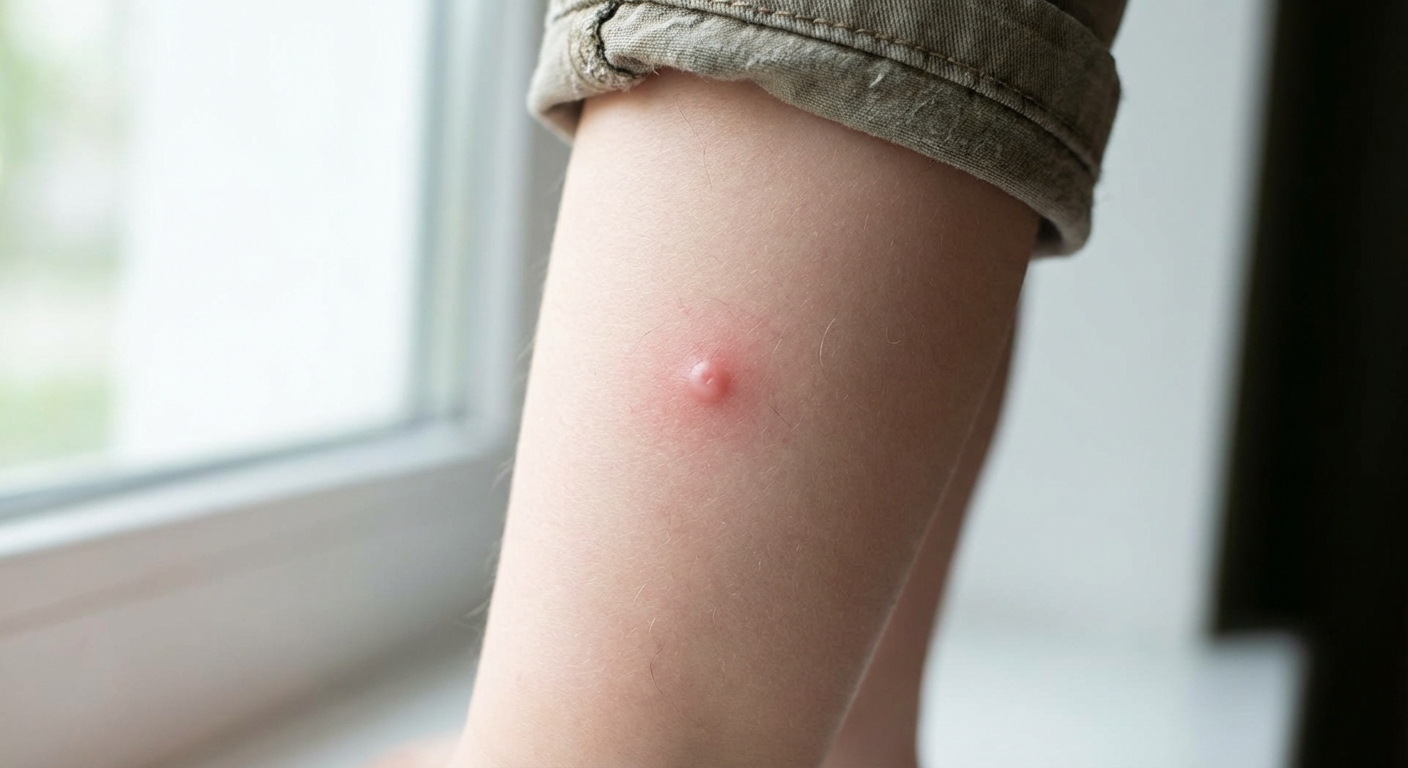
Mosquito bites
Typical look: Small to medium itchy bump (wheal) that can be pink, red, or skin-colored, sometimes with a tiny dot in the center. In some kids, especially toddlers, the swelling can be large and firm.
Common pattern: Random, exposed areas like legs, arms, cheeks, and neck. Itch tends to peak in the first 24 to 48 hours.
Bee and wasp stings
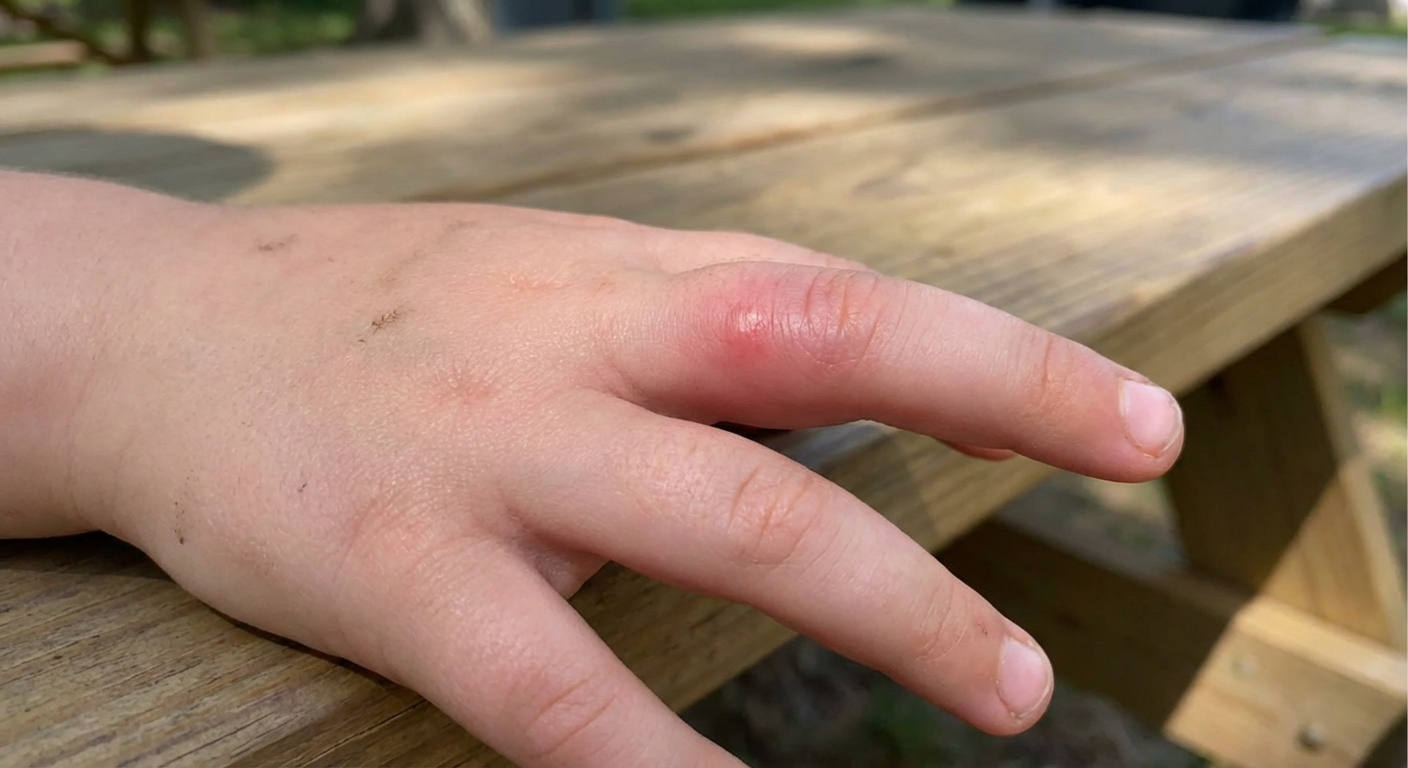
Typical look: Sudden pain, then redness and swelling. A single sting site is common, usually on feet, hands, arms, or anywhere that was uncovered.
Clue: A honeybee can leave a stinger behind. Wasps and yellow jackets typically do not, and they can sting more than once.
Fire ants and other ants
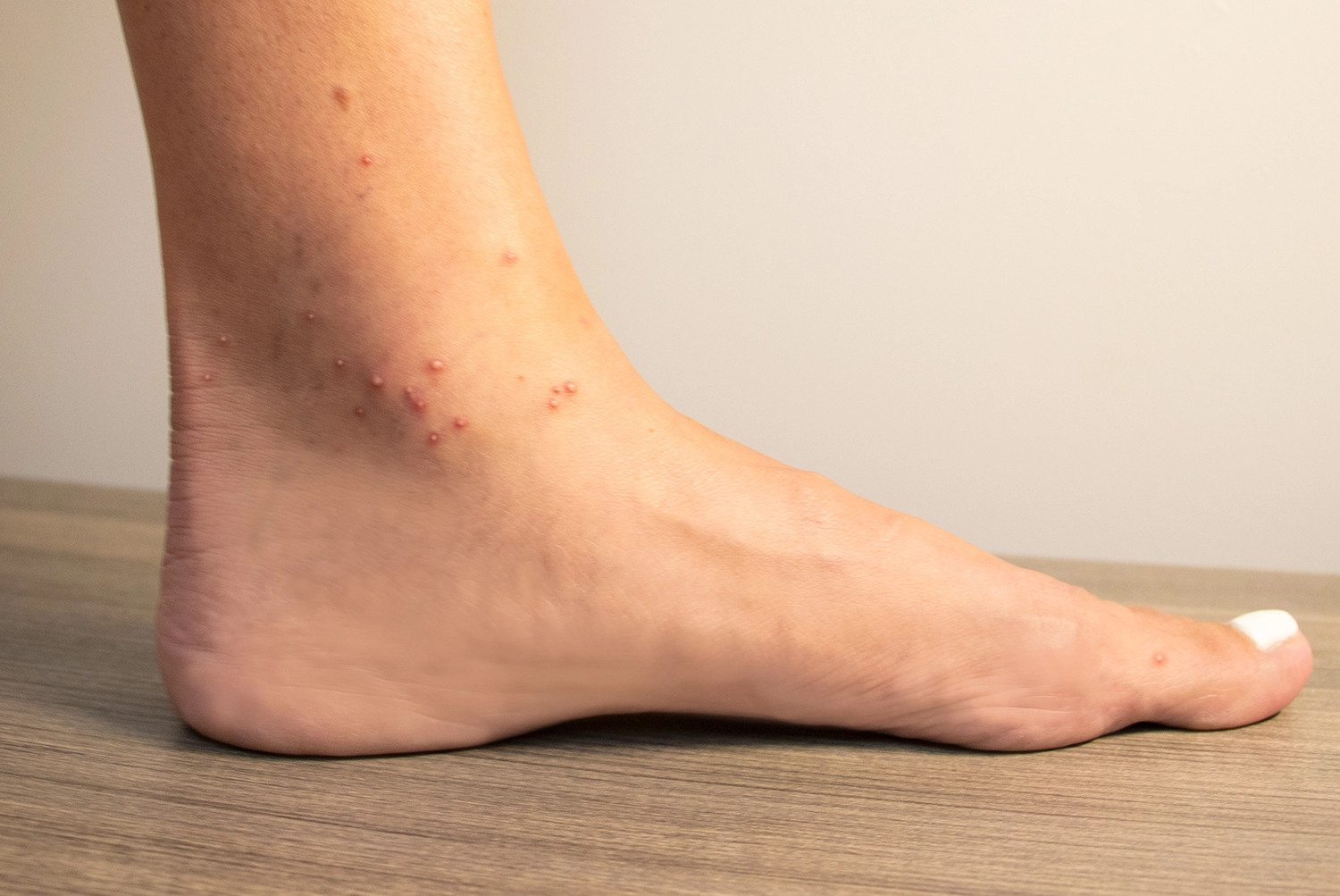
Typical look: Burning or stinging at first, then small raised bumps that can turn into tiny white-topped blisters or pustules within a day.
Common pattern: Multiple spots on feet or lower legs after playing in grass or near a mound.
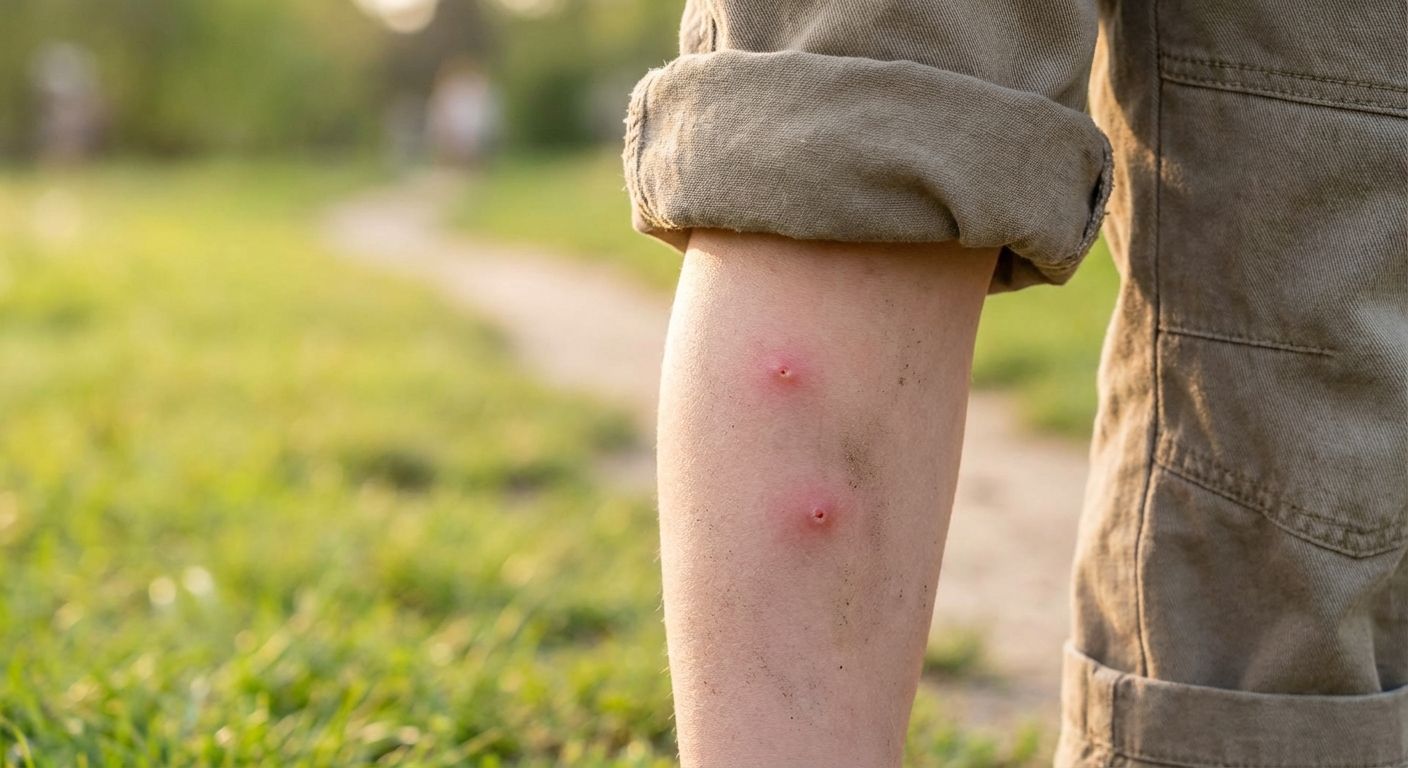
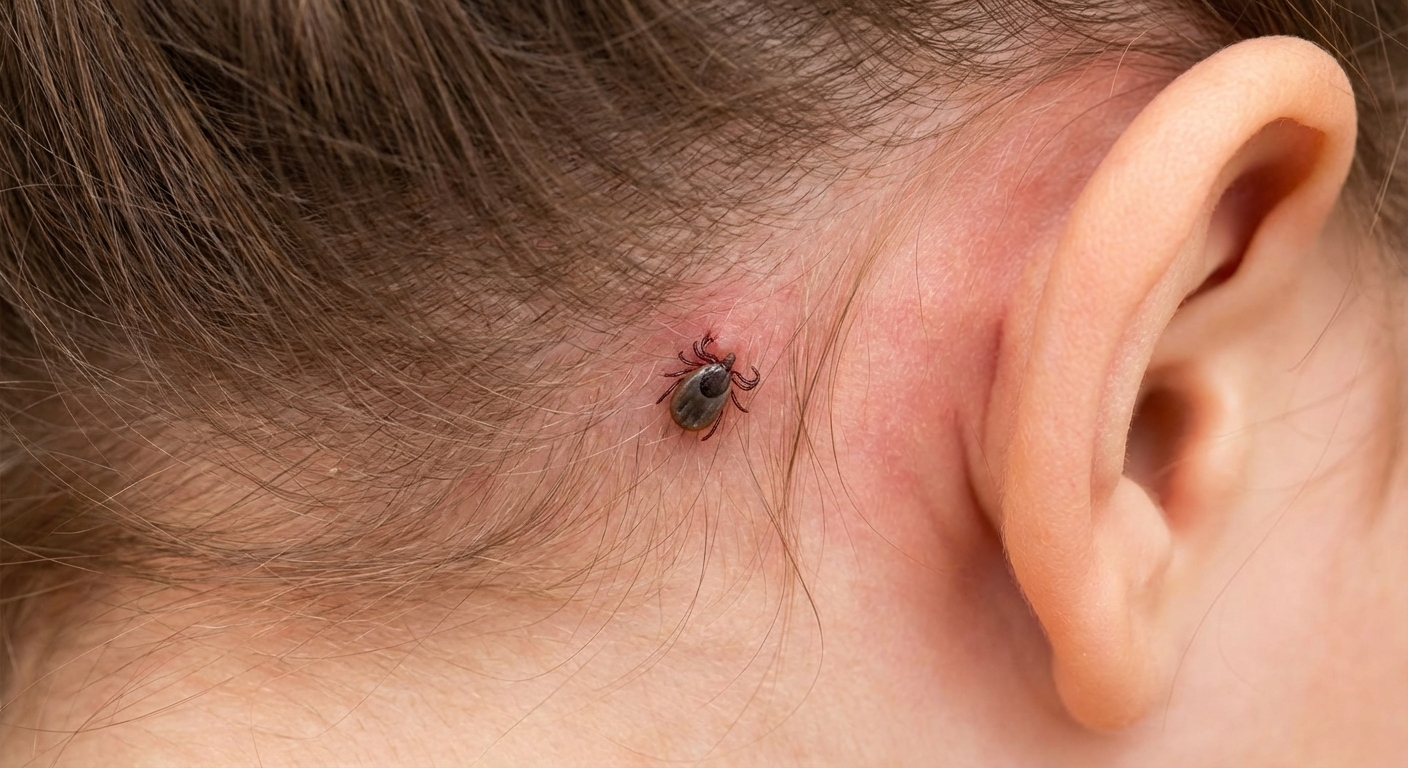
Ticks
Typical look: You may see the tick attached. After removal, a small red bump is common. A larger expanding rash is not typical and should be assessed. (And a quick note: the Lyme rash can be a classic “bull’s-eye,” but it can also be a solid expanding red patch.)
Common pattern: Found after wooded or grassy exposure. Favorite hiding spots include scalp, behind ears, armpits, waistband, groin, behind knees.
Spiders
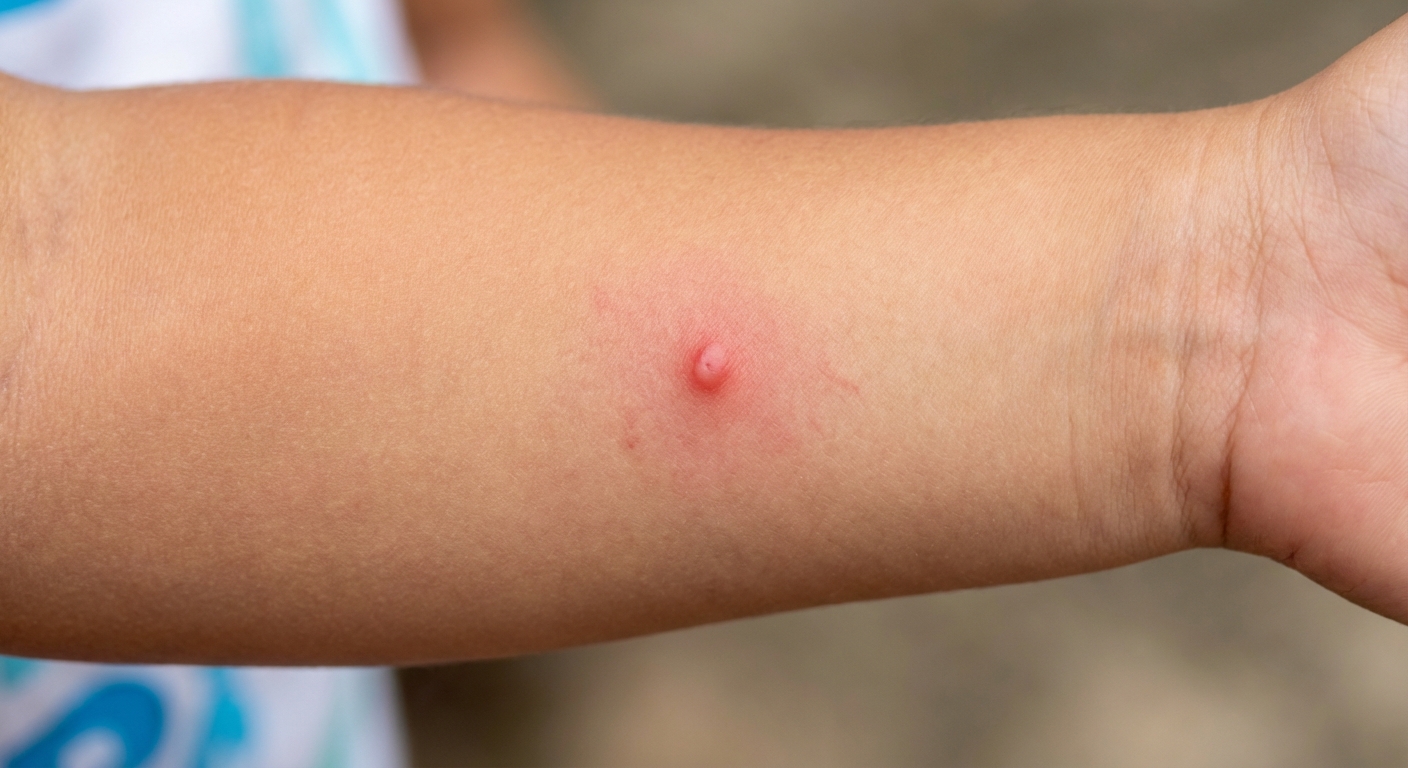
Typical look: Most suspected “spider bites” are actually something else (mosquito, ant, irritation, small infection). When a spider bite does happen, it often looks like a single tender red bump.
When to worry more: Rapidly worsening pain, blistering, skin turning dark, drainage, fever, or a child who looks unwell. True medically significant spider bites are uncommon, but severe symptoms should be checked. If you live in an area with black widows or brown recluses and symptoms are intense (severe muscle cramps, spreading pain, or a rapidly worsening wound), get seen.
Bed bugs (a common surprise)
Typical look: Itchy red bumps, often in lines or clusters, commonly on arms, shoulders, neck, or face.
Clue: New bites after sleep, especially when traveling or after a used mattress or furniture.
Chiggers and biting flies
Typical look: Very itchy red bumps that can swell dramatically in sensitive kids. Chigger bites often show up around sock lines, waistbands, or tight clothing. Biting flies (like black flies and gnats) can cause painful, puffy welts on exposed skin.
Normal reaction vs allergic reaction
Normal, expected reactions
- Redness, swelling, and itch at the bite or sting site
- A firm lump that lasts several days
- Warmth right around the bite (localized inflammation can feel warm)
- For stings: pain that improves over a few hours
Large local reaction (common and still usually not dangerous)
Some kids get swelling that looks intense: an entire hand puffs up after a sting on a finger, or a whole eyelid swells after a bite near the eyebrow. This can be a large local reaction. It is uncomfortable and dramatic, but it is still confined to the area.
Call your pediatrician the same day if swelling keeps spreading quickly, involves the eye itself (not just eyelid), or pain is significant.
Allergic reaction that needs urgent care
Allergic symptoms usually involve more than the bite site, like:
- Hives in multiple areas of the body
- Swollen lips, face, or tongue
- Vomiting, belly pain, or diarrhea after a sting
- Cough, wheeze, hoarse voice, throat tightness
- Dizziness, fainting, pale or clammy skin
Anaphylaxis (medical emergency)
Anaphylaxis is a severe allergic reaction that can escalate quickly. Use epinephrine if prescribed and call 911 if you suspect it. Antihistamines can help hives and itch, but they do not treat airway swelling or shock.
Home treatment: what actually helps
Your goals are simple: stop the itch, reduce swelling, prevent infection from scratching, and keep your child comfortable.
Step-by-step for most bites
- Wash with soap and water.
- Cold compress for 10 minutes on, 10 minutes off as tolerated.
- Itch control with one of these:
- 1% hydrocortisone cream thin layer 1 to 2 times daily for a few days (avoid broken skin; follow label age guidance and your pediatrician’s advice).
- Oral antihistamine if itching is significant (more details below).
- Calamine can be soothing for mild itch.
- Trim nails and consider socks or mittens for sleep in younger kids who scratch until they bleed.
- Pain relief if needed: acetaminophen or ibuprofen (use age-appropriate dosing from your pediatrician; never give aspirin to children).
For bee or wasp stings
- Remove the stinger if you see one (see next section).
- If a hand, wrist, foot, or ankle is swelling, remove rings, bracelets, or tight shoes early so they do not get stuck.
- Cold compress and elevation if the sting is on a hand or foot.
- For pain (often the biggest issue with stings in the first hour or two), acetaminophen or ibuprofen can help.
- Hydrocortisone and or an antihistamine for itch and swelling.
For itchy bites near the eye
Swollen eyelids from a nearby bite are very common in little kids because facial tissue is loose and puffs easily. Use a cool compress and an oral antihistamine if your child can take it.
Seek urgent care if there is fever, eye pain, pain with eye movement, vision changes, the eye looks like it is bulging forward, or redness is spreading quickly across the face. Puffy swelling alone can look scary, but it is often just a big local reaction.
How to remove a bee stinger
If a honeybee stinger is present, remove it as soon as you can. The goal is speed, not perfection.
- Scrape it out with a fingernail, the edge of a credit card, or a similar flat object.
- Tweezers are also OK if that is what you have and it is the fastest way. Older advice warned about squeezing more venom in. In real life, removing it quickly matters most.
- Then wash with soap and water and use a cold compress.
Tick removal
Ticks are gross, yes. But removing them correctly is straightforward. Most tick bites do not lead to illness, and the risk varies by region, tick species, and how long the tick was attached.
What you need
- Fine-tipped tweezers
- Soap and water or rubbing alcohol
- A small sealed container or zip bag (optional, to save the tick)
Steps
- Grab the tick close to the skin with tweezers, right at the head or mouthparts.
- Pull straight up with steady, even pressure. Standard guidance is not to twist or jerk.
- Clean the skin with soap and water or alcohol.
- Wash your hands.
What not to do
- Do not use petroleum jelly, nail polish, heat, or “smothering” methods.
- Do not try to burn it off.
If the mouthparts break off
If a tiny piece remains and you cannot easily remove it, do not dig. The skin often pushes it out on its own, like a splinter. Keep the area clean and watch for infection.
Saving the tick (optional)
If you want to save it, place it in a sealed bag or container (a tiny bit of rubbing alcohol on a cotton ball can help). Label it with the date and bite location on the body, and store it in the refrigerator. Do not stress if you already threw it away.
When to call the pediatrician after a tick bite
- The tick may have been attached for a long time (often estimated as 36 hours or more) or looks very engorged
- Your child develops fever, headache, muscle aches, or unusual fatigue in the weeks after
- A rash appears, especially one that is expanding (it may be a target shape or a solid expanding patch)
- The bite becomes increasingly red, painful, and hot with spreading redness
Depending on where you live and how long the tick was attached, your clinician may discuss testing or preventive antibiotics. Do not start leftover antibiotics at home.
Antihistamines
Antihistamines can be very helpful for itch and hives from bites and stings.
Oral antihistamines
- Non-drowsy options like cetirizine or loratadine are often used for daytime itch.
- Diphenhydramine (Benadryl) can work quickly but may cause significant drowsiness or, in some kids, paradoxical hyperactivity.
Use the product’s age and weight dosing, or follow your pediatrician’s advice. If your child is under 2, call your pediatrician before giving an oral antihistamine unless you have already been instructed on dosing.
Topical antihistamines
In general, I prefer sticking with topical hydrocortisone and cold compresses rather than topical antihistamine gels, which can sometimes irritate sensitive skin. When in doubt, ask your pediatrician.
Signs a bite is infected
Scratching is the main reason bites get infected. Early infection can look like “it is getting worse instead of better.”
More likely normal inflammation
- Itchy
- Redness that stays close to the bite
- Swelling that peaks in 24 to 48 hours then slowly improves
More concerning for infection
- Redness that is spreading outward over time
- Increasing pain (itch usually decreases as it heals; pain increasing is a red flag)
- Skin feels very hot, tight, or tender
- Pus, yellow crusting, or a new open sore
- Fever
- Red streaking moving away from the bite
If you see these signs, contact your pediatrician the same day or seek urgent care, especially if your child is young or the bite is on the face.
When to worry more
Call 911
- Any signs of anaphylaxis: breathing trouble, facial or tongue swelling, widespread hives with other symptoms, fainting
- Sting inside the mouth or throat (especially if swelling or drooling starts)
Urgent care today
- Eye symptoms: fever, eye pain, pain with eye movement, vision changes, bulging eye, or rapidly spreading facial redness
- Severe pain, blistering, skin turning dark, or your child looks ill
- Multiple stings with vomiting, headache, or widespread symptoms
- Signs of infection: spreading redness, pus, fever, red streaking
Call within 24 hours
- Large local swelling that continues to grow beyond 48 hours
- Tick bite with likely prolonged attachment, or new fever or rash within the next few weeks
- Any child with a history of serious sting reactions who was stung again
Watch at home
- Typical mosquito bites and mild stings that improve with cold compresses and itch control
- Small localized swelling and itch without fever or spreading redness
Prevention that works
Bug spray basics
- Use an EPA-registered repellent. Two common options parents recognize are DEET and picaridin. Follow the label carefully.
- Sunscreen first, then bug spray. Sunscreen needs more frequent reapplication than repellent, so skip combination sunscreen and bug spray products.
- Apply repellent to your hands first, then rub on your child’s skin. Avoid eyes, mouth, hands, and broken skin.
- Use long sleeves and pants in heavy tick areas when possible.
- If you use oil of lemon eucalyptus (OLE) products, follow the label and age guidance. Many labels say not for kids under 3.
Tick checks
In tick season, a quick daily check after outdoor play makes a big difference. Pay special attention to scalp, behind ears, armpits, waistband, groin, and behind knees.
Outdoor habits
- Wear shoes outside, especially in grass where bees and ants can be active.
- Avoid drinking from open soda cans outdoors (wasps love them).
- Skip scented lotions on heavy bug days.
Frequently asked questions
Why do bites look worse the next day?
The immune response ramps up over time. Many bites are itchier and puffier at 24 to 48 hours than they were at hour one. That can be normal.
My child has a huge swollen spot from a mosquito bite. Is that an allergy?
It can be a strong local reaction, which is common in young kids. If swelling is localized and your child is otherwise well, home care is usually enough. Call your pediatrician if it keeps expanding, becomes very painful, or you see fever or spreading redness.
Should I pop the little white bumps from ant stings?
No. Keep them clean, discourage scratching, and treat itch. Popping increases infection risk.
Do I need to save the tick?
Optional. Some families like to save it in a sealed bag or container in the refrigerator in case symptoms develop and a clinician wants to know what it looked like. Do not stress if you already flushed it.
A quick “3 AM” recap
- Most bites and stings are treat-at-home: wash, cold compress, hydrocortisone, antihistamine if needed.
- Stings hurt first: use a cold compress, consider acetaminophen or ibuprofen, and remove rings if a hand is swelling.
- Ticks: tweezers, grab close to skin, pull straight up, clean well.
- Big local swelling can be normal, especially on faces, hands, and feet.
- Call 911 for anaphylaxis signs: breathing trouble, facial swelling, widespread hives with other symptoms, fainting.
- Watch for infection: spreading redness, increasing pain, pus, fever, red streaking.
If you are unsure and your gut says this is more than a simple bite, trust that instinct and call your pediatrician or nurse line. You do not have to figure it out alone.