A calm, practical guide to spotting dehydration in infants and toddlers, including wet diaper patterns by age, soft spot clues, ORS tips, and when to seek ur...
C. Diff in Kids: Watery Diarrhea After Antibiotics

Sarah Mitchell
Sarah Mitchell is a Registered Pediatric Nurse and a mother of three who has spent over a decade helping families navigate the beautiful, chaotic early years of childhood. She combines evidence-based medical knowledge with real-world parenting experience to offer practical, compassionate advice. At Awesome Parent, Sarah's mission is to help exhausted parents find solutions, trust their instincts, and finally get some sleep.
If your child started having watery diarrhea during or after a course of antibiotics, it is normal to feel alarmed. You may have heard about C. diff (short for Clostridioides difficile) and wondered if this is “the scary one.” Take a breath. Most antibiotic-related diarrhea in kids is not C. diff, and many children can be safely managed at home with good hydration and the right guidance. But C. diff can happen, and it is worth knowing what to watch for and when testing actually helps.
What C. diff is (and why antibiotics matter)
C. diff is a type of bacteria that can overgrow in the gut and produce toxins that irritate the colon. In older kids and adults, it is often linked to antibiotic use because antibiotics can disrupt the normal, protective gut bacteria that keep C. diff under control.
Two important child-specific notes:
- Antibiotics can cause diarrhea without C. diff. Many children get loose stools on antibiotics, especially amoxicillin-clavulanate, certain cephalosporins, and clindamycin. That does not automatically mean infection.
- Babies can carry C. diff without being sick. Infants and some toddlers can have C. diff in their stool and test “positive” even when it is not the cause of their symptoms. This is why age and symptom pattern matter so much when deciding to test.
How C. diff presents in children
In kids who truly have C. diff illness, the most common symptom is watery diarrhea that is more than just a couple of loose stools.
Typical symptoms
- Watery diarrhea, often several times a day
- Belly pain or cramping
- Fever (not always)
- Nausea or decreased appetite
- Fatigue
Less typical (but can happen)
- Blood or mucus in the stool (this can also point to other causes)
- Very foul-smelling stools (smell is not diagnostic, but parents often notice a change)
A practical rule of thumb from the triage desk: watery diarrhea that persists or escalates after antibiotics is more concerning than one rough day, especially if your child also looks unwell, has significant belly pain, or is getting dehydrated.
Who is at higher risk
C. diff is more likely when a child has risk factors that either disrupt gut bacteria or increase exposure to C. diff spores.
Common risk factors
- Antibiotic use within the last few weeks (sometimes up to 8 to 12 weeks)
- Recent hospitalization or time in a healthcare setting
- Chronic medical conditions (for example inflammatory bowel disease)
- Weakened immune system (due to certain illnesses or medications)
- Feeding tubes or frequent medical procedures
Healthy children can still get C. diff, but the odds go up with these exposures.
Watery diarrhea after antibiotics: what to do tonight
Before you spiral into the internet abyss, focus on the two things that matter most in the first 24 hours: hydration and watching for red flags.
Hydration basics
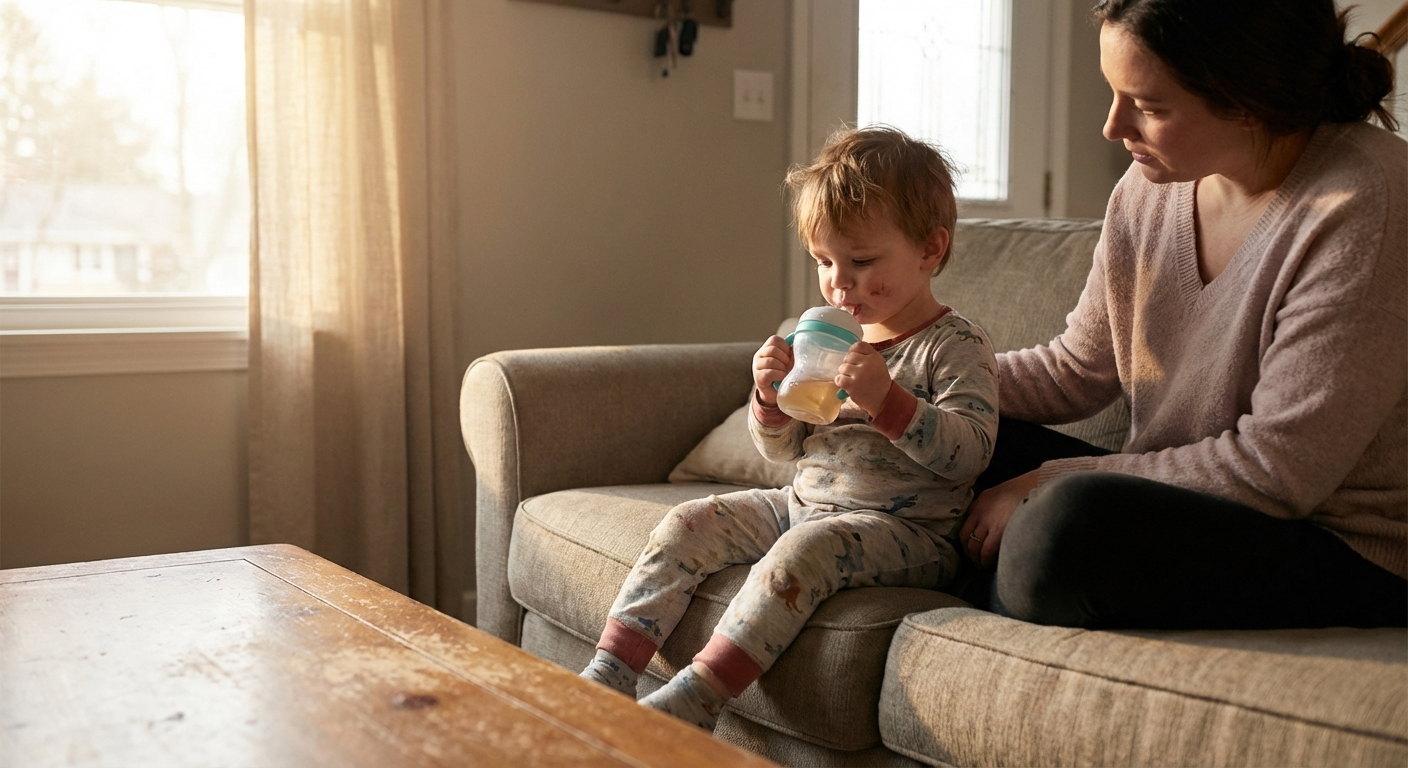
- Use an oral rehydration solution (ORS) if stools are frequent or very watery. Small, frequent sips often work better than big cups.
- Keep offering usual foods if your child is interested. Bland is fine, but you do not need an ultra-restrictive “BRAT” diet.
- Breastmilk or formula can usually continue for babies unless your clinician tells you otherwise.
- Avoid sugary drinks like soda, juice, sports drinks, and sweetened teas. These can worsen diarrhea.
How to gauge dehydration at home
- Pee frequency: fewer wet diapers or trips to the bathroom is a key clue.
- Mouth and eyes: dry mouth, no tears when crying
- Energy: unusually sleepy, weak, or hard to wake
If you are unsure, it is always reasonable to call your pediatrician’s nurse line. This is exactly what it is for.
About the antibiotic
If your child’s diarrhea is mild and they otherwise look well, do not stop an antibiotic on your own. Call the prescriber and describe what is happening. Sometimes the best plan is to finish the course, and sometimes the antibiotic is stopped or switched, especially if symptoms are significant or C. diff is suspected.
A quick word about anti-diarrheal meds
Avoid over-the-counter anti-diarrheal medicines (like loperamide) unless your clinician specifically tells you to use them, especially if C. diff is on the table.
When C. diff testing helps (and when it does not)
This is where many urgent care visits get confusing. A “positive” test does not always mean your child’s diarrhea is caused by C. diff. The goal is to test the right kid with the right symptoms, so the result actually helps.
Testing is often considered when
- Your child has 3 or more watery stools in 24 hours, especially if it lasts more than a day or is not improving
- There is recent antibiotic use or recent hospitalization
- Your child also has fever, significant abdominal pain, or looks ill
- There is a history of C. diff or a high-risk medical condition (like IBD)
Testing is often not recommended when
- Infants under 12 months with diarrhea, unless a specialist is guiding evaluation (high colonization rates make positives hard to interpret)
- Toddlers 12 to 24 months with diarrhea, unless symptoms are strong and other causes have been thoughtfully ruled out (this age group can still have colonization)
- Your child has formed stools (C. diff testing is meant for unformed, diarrheal stool)
- Diarrhea is mild and clearly improving
- The main symptom is vomiting without diarrhea (think viral stomach bug first)
Stool PCR: what it tells you
Many clinics use a stool PCR test, which detects genetic material from toxigenic C. diff. PCR is sensitive, which is helpful, but it can also detect colonization. Some locations use a two-step approach (like antigen and toxin testing with PCR backup) to improve accuracy. The exact test varies by lab.
Bottom line: testing decisions should be symptom-driven. If your child is having significant watery diarrhea and has the right risk factors, talk with your pediatrician about whether stool testing is appropriate.
If the test is positive: what treatment looks like
If your child truly has C. diff infection, treatment is usually very straightforward, and your pediatrician will tailor it to age, severity, and medical history.
- Stopping or changing the triggering antibiotic is often step one, but do this with the prescriber’s guidance.
- A targeted antibiotic may be started to treat C. diff itself. Common options include oral vancomycin or fidaxomicin (the choice depends on the situation and local guidance).
- Hydration and close follow-up remain important, even when the right medicine is started.
Most children improve with appropriate treatment, but call your pediatrician promptly if symptoms are worsening, not improving, or returning after seeming to resolve.
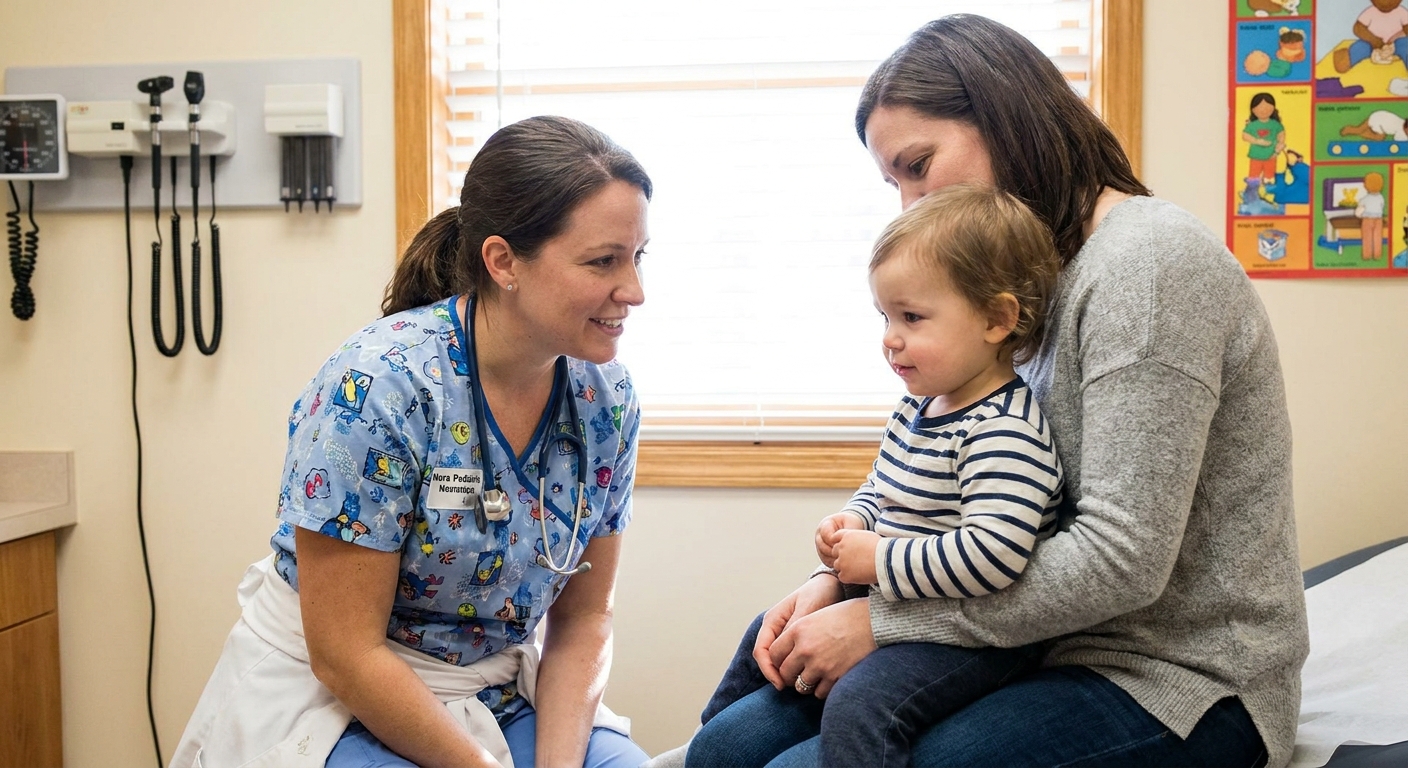
If your child is being evaluated: what to expect
Depending on how your child looks, clinicians may:
- Ask about recent antibiotics, hospital stays, and daycare exposures
- Check vitals and do an abdominal exam
- Order a stool test if criteria are met
- Consider blood work if severe illness is suspected (not routine for mild cases)
- Give a plan for hydration and when to return
Do not be surprised if they also consider other causes, like viral gastroenteritis, food-related diarrhea, or other bacterial infections. In pediatrics, the context matters as much as the stool test.
Isolation and infection control at home
C. diff spreads through spores that can live on surfaces. The good news is that you do not need to panic clean your house at 2 AM. You do need a few targeted habits to protect siblings and caregivers.
Bathroom and diapering basics
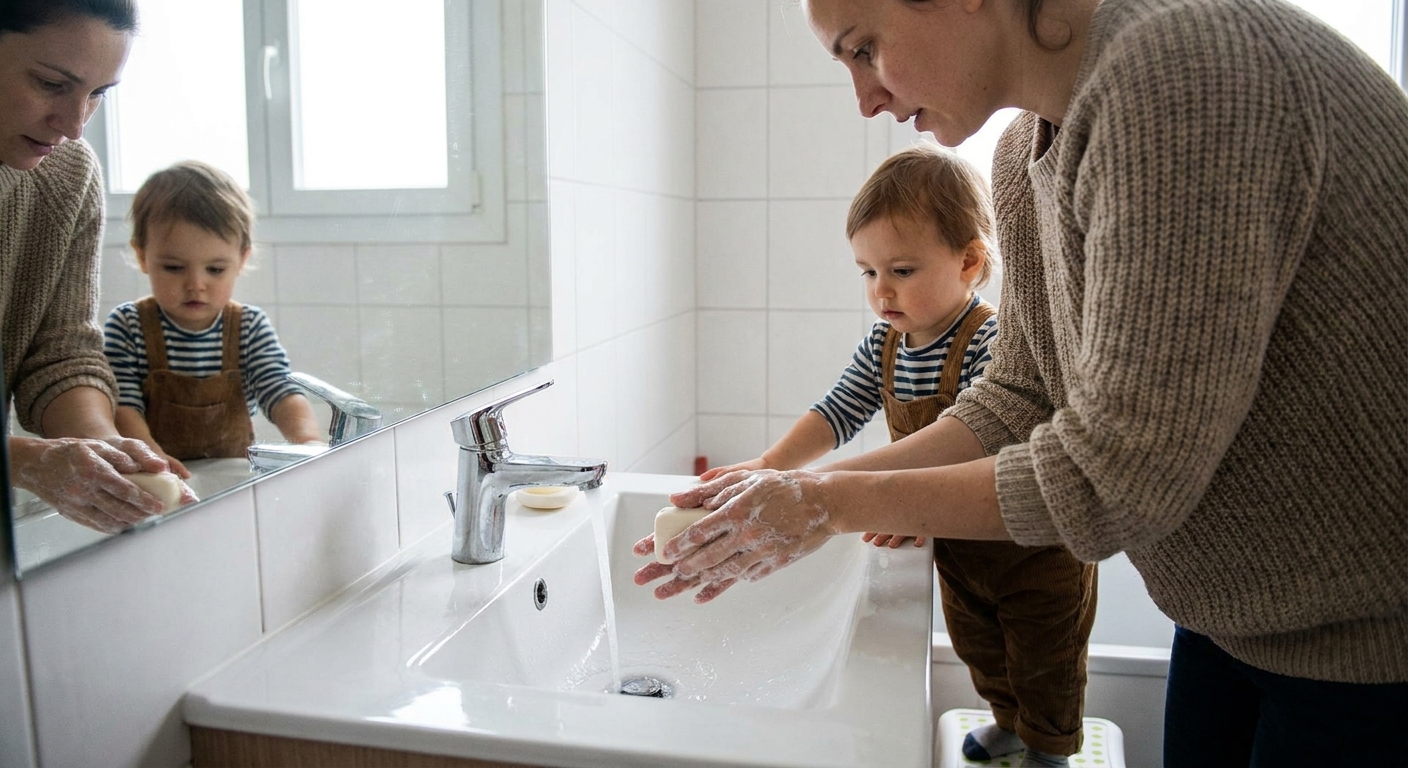
- Handwashing with soap and water after every diaper change or bathroom trip. Alcohol hand sanitizer is not as reliable against C. diff spores.
- Use gloves for diaper changes if you have them, especially if there is a lot of stooling. Not mandatory, but helpful.
- Separate towels for the sick child if possible.
- Closing the toilet lid before flushing may reduce how far germs spread. Helpful if you can, not something to stress about.
Cleaning that actually matters
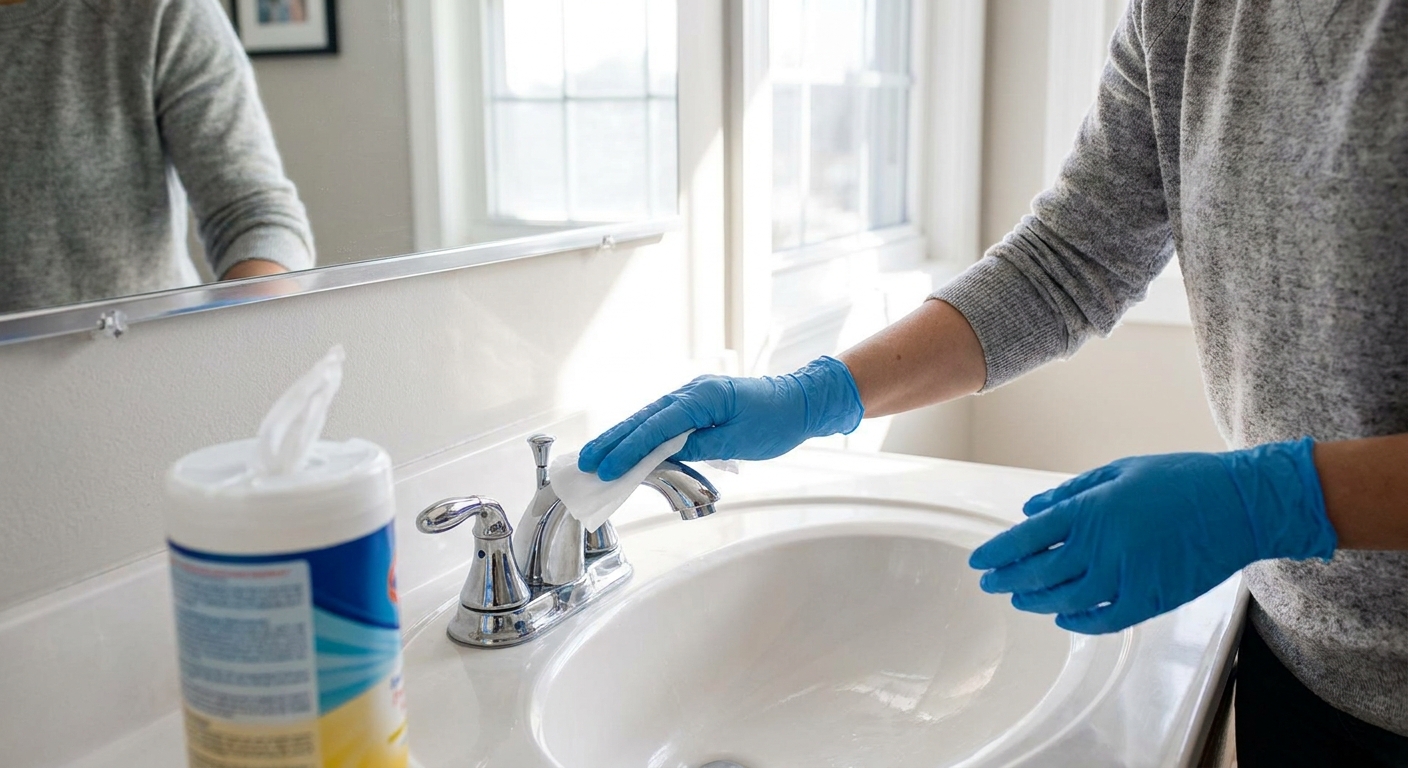
- Focus on high-touch surfaces: toilet handle, faucet handles, light switches, doorknobs, changing table, and bathroom counters.
- If C. diff is suspected or confirmed, use a cleaner that is bleach-based or EPA-listed for C. diff spores (follow label directions for contact time).
- Laundry: wash soiled clothing and bedding promptly, using hot water if fabric allows, and dry thoroughly.
Can my child go to daycare or school?
In general, kids should stay home until diarrhea is improving and they can manage toileting without frequent accidents. Many daycares have a rule like 24 hours diarrhea-free or significantly improved stools. Policies vary, and some centers may ask for clinician clearance if C. diff is diagnosed. Most importantly, a child with ongoing watery diarrhea should not be in group care, both for their comfort and to reduce spread.
Red flags for severe colitis (get urgent care now)
C. diff can, rarely, cause severe inflammation of the colon. Seek urgent evaluation or emergency care if your child has any of the following:
- Signs of dehydration: very little urine, no tears, very dry mouth, lethargy, dizziness, or sunken eyes
- Severe or worsening belly pain , a hard distended belly, or pain with walking
- Blood in stool or black, tarry stools
- High fever or a child who looks very ill
- Persistent vomiting or inability to keep fluids down
- Rapid breathing, unusual sleepiness, or difficulty waking
- Diarrhea that is very frequent (for example, hourly) or worsening quickly
Trust your gut. If your child looks “off” in a way you cannot quite explain, that is reason enough to be seen.
Common parent questions
Is every diarrhea episode after antibiotics C. diff?
No. Many kids get temporary loose stools from antibiotics alone. C. diff is more likely when diarrhea is frequent, watery, persistent, and paired with risk factors or a sicker-looking child.
Should I give probiotics?
Some probiotics may reduce antibiotic-associated diarrhea for some children, but the evidence is mixed and products vary by strain and dose. Trials with specific strains (like Lactobacillus rhamnosus GG and Saccharomyces boulardii) are often cited, but not every probiotic on the shelf is equivalent. If your child is immunocompromised, medically complex, premature, or has a central line, do not start probiotics without medical guidance (rare bloodstream infections have been reported in high-risk patients, particularly with S. boulardii). For otherwise healthy kids, ask your pediatrician which product and dose they recommend.
Can my child get C. diff more than once?
Yes. Recurrence can happen, especially if another antibiotic course is needed later. If symptoms return after a recently treated episode, call your pediatrician before assuming it is “just a virus.”
What to tell your pediatrician (quick checklist)
If you call or go in, these details help clinicians decide whether C. diff testing or treatment is appropriate:
- Name and start date of the antibiotic, and when the last dose was taken
- Number of watery stools in the last 24 hours (and for how many days)
- Any fever, belly pain, vomiting, or blood in stool
- Hydration: how many times they have peed today
- Recent hospital stay, procedures, or exposure to someone with C. diff
- Any underlying conditions, especially IBD or immune issues
The calm takeaway
Watery diarrhea after antibiotics is common, and most cases are not dangerous. C. diff is a real possibility, especially with recent antibiotics or healthcare exposure, but testing should be targeted so results are meaningful. Your job tonight is simple and important: hydrate, watch for red flags, and loop in your pediatrician if diarrhea is frequent, persistent, or your child looks unwell.
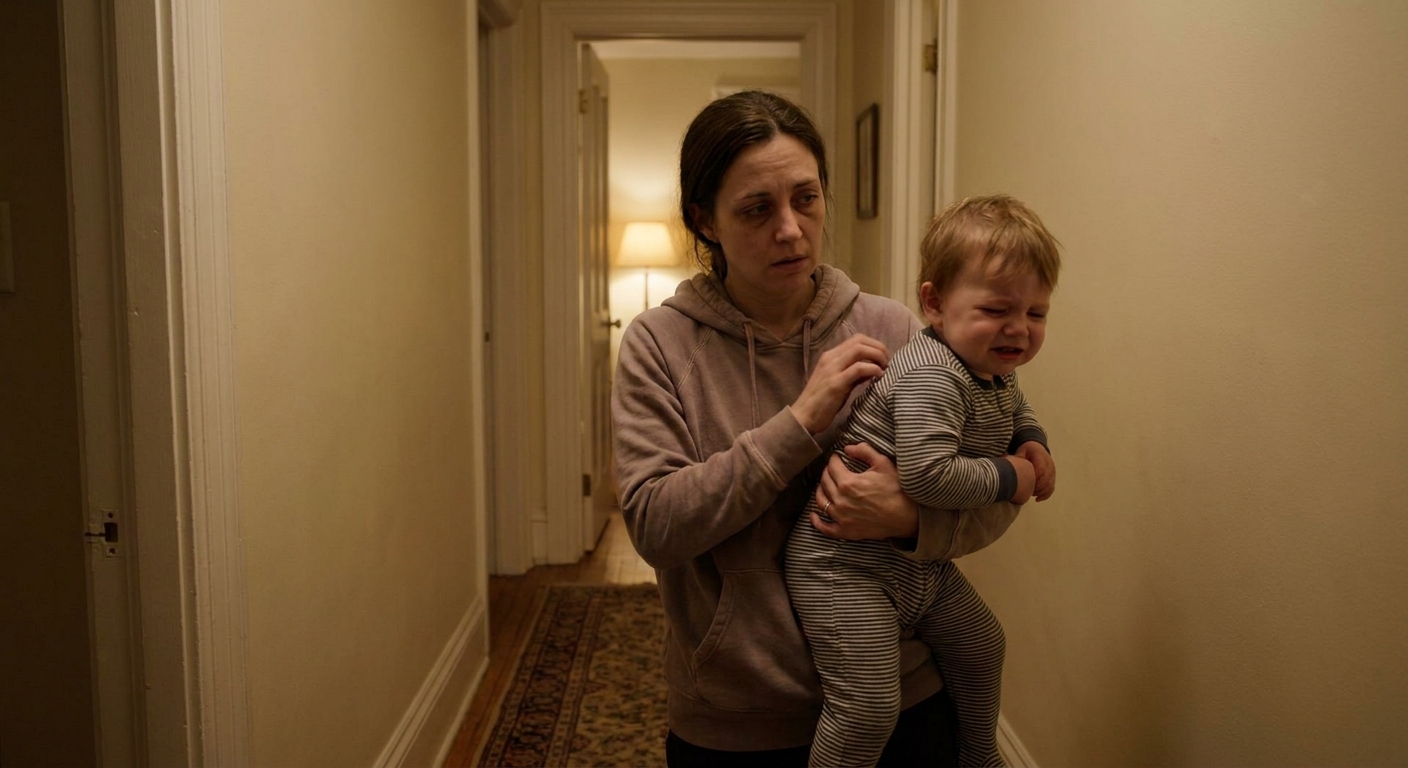
And if you are reading this at 3 AM, holding a cranky toddler and Googling with one thumb, I am sending you the strongest nurse mom permission slip: you are not overreacting. You are paying attention. That is good parenting.