From diet changes to toddler’s diarrhea, here’s what can cause loose stools, what to feed, how to hydrate, how to prevent spread, and when it’s time to...
Can Teething Cause Diarrhea in Babies and Toddlers?

Sarah Mitchell
Sarah Mitchell is a Registered Pediatric Nurse and a mother of three who has spent over a decade helping families navigate the beautiful, chaotic early years of childhood. She combines evidence-based medical knowledge with real-world parenting experience to offer practical, compassionate advice. At Awesome Parent, Sarah's mission is to help exhausted parents find solutions, trust their instincts, and finally get some sleep.
If you’ve ever had a baby who is drooling like a leaky faucet and chewing the coffee table, you’ve probably also heard this classic line: “Oh, it’s just teething. That’s why the diapers are… intense.”
So let’s talk about it calmly and clearly: teething can coincide with poop that looks a little different, but teething is not a reliable cause of true diarrhea. When a baby or toddler has frequent watery stools, we should at least consider other causes, because some of them need quick attention.
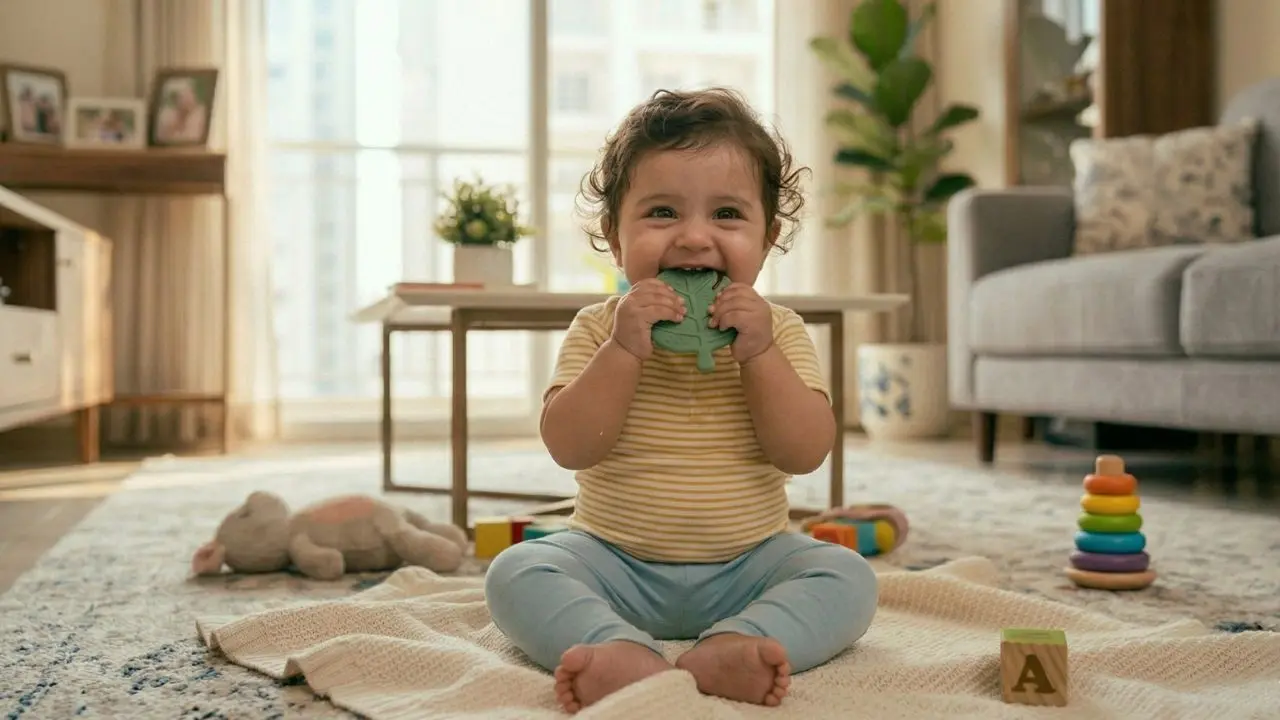
Quick answer: Is teething diarrhea real?
Teething can be linked with slightly looser, more frequent stools in some babies and toddlers. This may happen because they swallow extra saliva and may change how they eat and drink while their gums hurt.
But teething should not cause ongoing watery diarrhea, large-volume stools, or diarrhea that comes with significant symptoms like dehydration, high fever, or blood in the stool. When parents tell me, “It’s like water and it’s happening all day,” my triage-nurse brain immediately starts looking beyond teething.
What counts as “true diarrhea”?
Parents are not expected to measure stool volume like it’s a science project, but this quick definition helps:
- Looser poop: softer or slightly runnier stools, maybe a bit more frequent, but still has some form.
- True diarrhea: watery stools (often soaking into the diaper) and a clear increase in frequency and fluid loss.
If it is truly watery or happening repeatedly through the day, treat it like diarrhea and focus on hydration.
Why do loose stools happen during teething?
Here are the most plausible, non-scary reasons poop can change around the same time a tooth is coming in:
- More swallowed saliva: Babies can produce a lot of extra drool while teething. Swallowing it may make stools a bit looser in some kids.
- Diet changes: Some babies want more breast milk or formula and less solid food for a few days. Others want more cold fruit or purees. Either way, poop can shift.
- More hand-to-mouth germs: Teething babies chew everything. That also means they can pick up viruses more easily, which can cause true diarrhea. The timing makes it look like “teething diarrhea,” but the cause is often a bug.
The key takeaway: teething can be the backdrop, but it is often not the main actor.
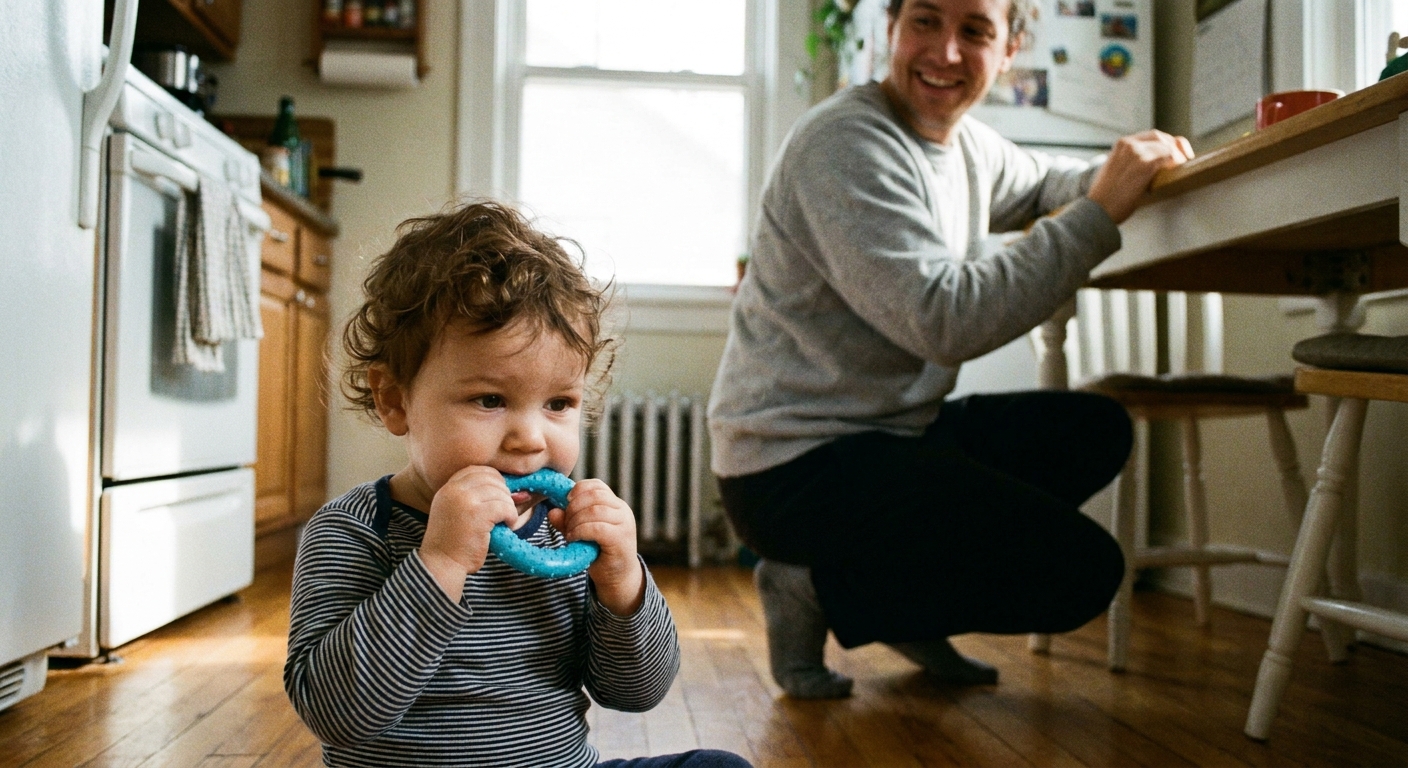
Myth vs reality
More normal during teething
- Slightly looser stools for a day or two
- A mild increase in stool frequency
- Diaper rash from extra moisture
- A baby who is otherwise acting fairly normal: playing between fussy moments, drinking okay, peeing regularly
Less likely to be “just teething”
- Watery diarrhea (especially multiple times per day)
- Diarrhea lasting more than 48 hours
- Blood or mucus in the stool
- Vomiting that is persistent or severe
- Moderate to severe belly pain or a child who cannot be consoled
- Signs of dehydration (more on that below)
Common causes blamed on teething
If your child has true diarrhea, these are the big categories I want parents to think about:
Viral stomach illness
In otherwise healthy babies and toddlers, viruses are the most common cause of diarrhea. It often comes with:
- Watery stools
- Vomiting (sometimes)
- Fever (sometimes)
- Decreased appetite
- Family members getting sick too
Diet changes
Poop is basically a running commentary on what your child ate. Diarrhea or looser stools can happen with:
- New foods or a sudden increase in fruit or juice
- More high-fiber foods than usual
- Switching formulas (sometimes)
- Lots of dairy after a stomach bug (temporary lactose intolerance can happen)
Antibiotics
Antibiotics can change the gut’s normal bacteria and trigger loose stools. Call your pediatrician if:
- Diarrhea is severe, very frequent, or persistent
- Your child has belly pain or fever
- You see blood in the stool
Food sensitivity or allergy (less common, but important)
If diarrhea repeats with the same food exposure or you notice other signs like hives, wheezing, swelling, or repeated vomiting, that deserves a prompt call to your pediatrician. Breathing symptoms are an emergency.
Other infections
Ear infections do not cause diarrhea directly, but illness can change appetite and hydration. Some infections, including urinary tract infections, can cause fever and poor intake that complicates diarrhea.
How to handle diarrhea at home
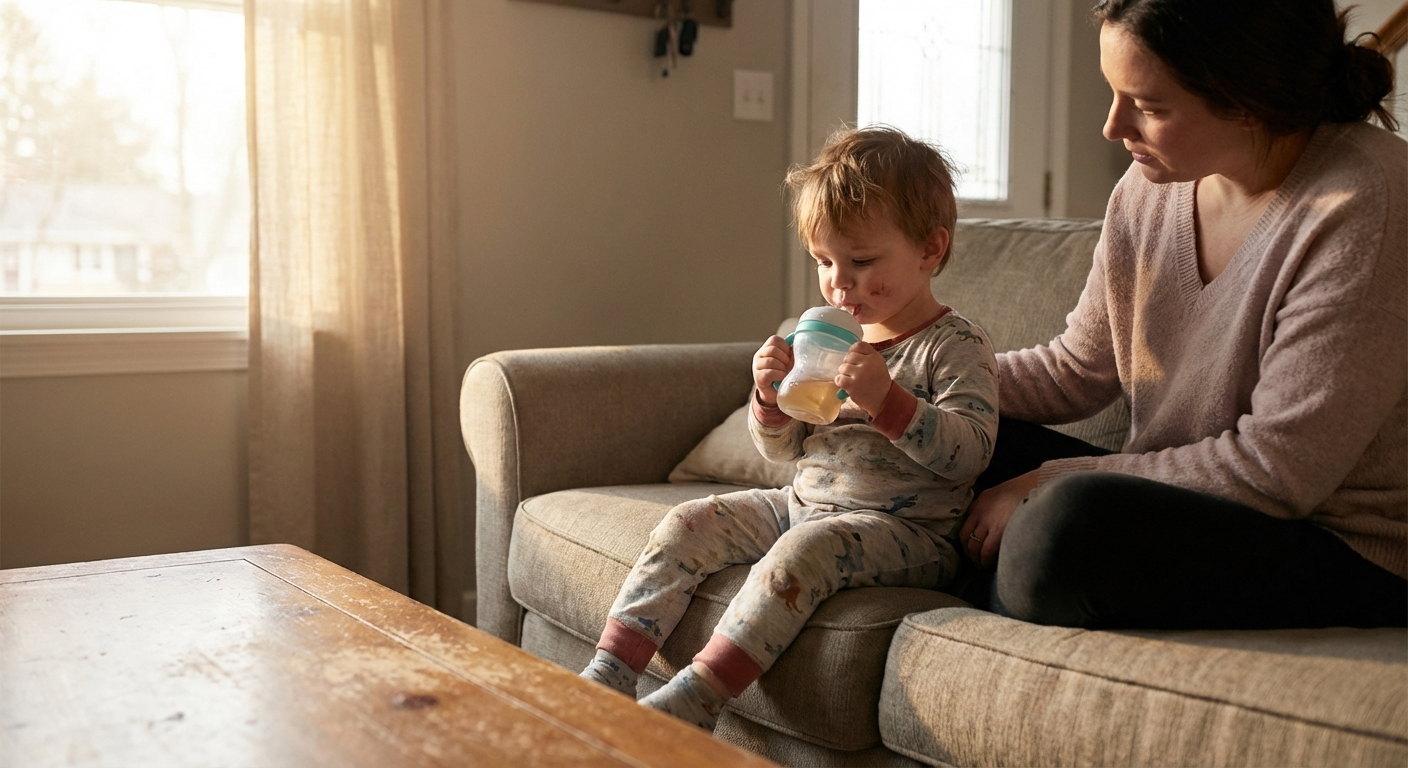
If your child is otherwise well-appearing, the main goal is simple: keep them hydrated.
Hydration tips that actually work
- Keep breast milk or formula going for infants. Offer smaller, more frequent feeds if they are hesitant.
- Use an oral rehydration solution (ORS) for watery diarrhea, especially if your child is having multiple stools per day. It replaces fluids and electrolytes better than plain water or juice.
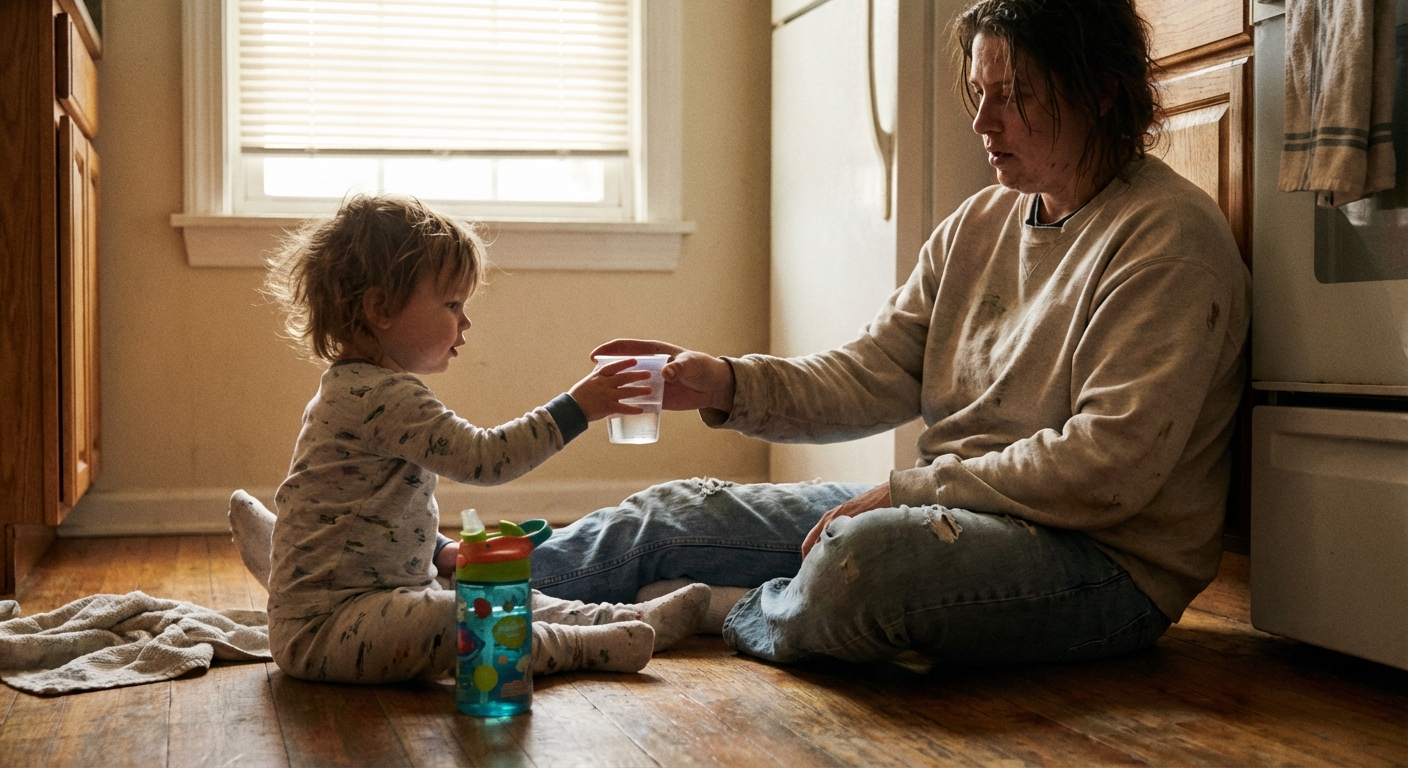
- Offer frequent sips if your toddler refuses cups. Popsicles made from ORS can be a lifesaver.
- Avoid juice and sugary drinks during diarrhea, especially apple and pear juice. They can pull more water into the gut and worsen stools.
What to feed
For many kids, it helps to stick with easy foods while you focus on fluids:
- Bananas, rice, applesauce, toast, oatmeal
- Crackers, noodles, potatoes
- Lean proteins if they want them
Try to avoid greasy, fried, or highly processed foods for a bit, since they can be harder on the gut. If they want their normal diet and they are keeping it down, that is often fine too. The bigger priority is hydration and watching for red flags.
Diaper rash prevention
Loose stool plus teething drool is basically a recipe for irritated skin. Try:
- Barrier cream with each change
- Warm water rinse or fragrance-free wipes
- Short diaper-free time if you can swing it
Quick medication note: Over-the-counter anti-diarrheal medicines (like loperamide) are generally not recommended for young children unless your clinician tells you to use them.
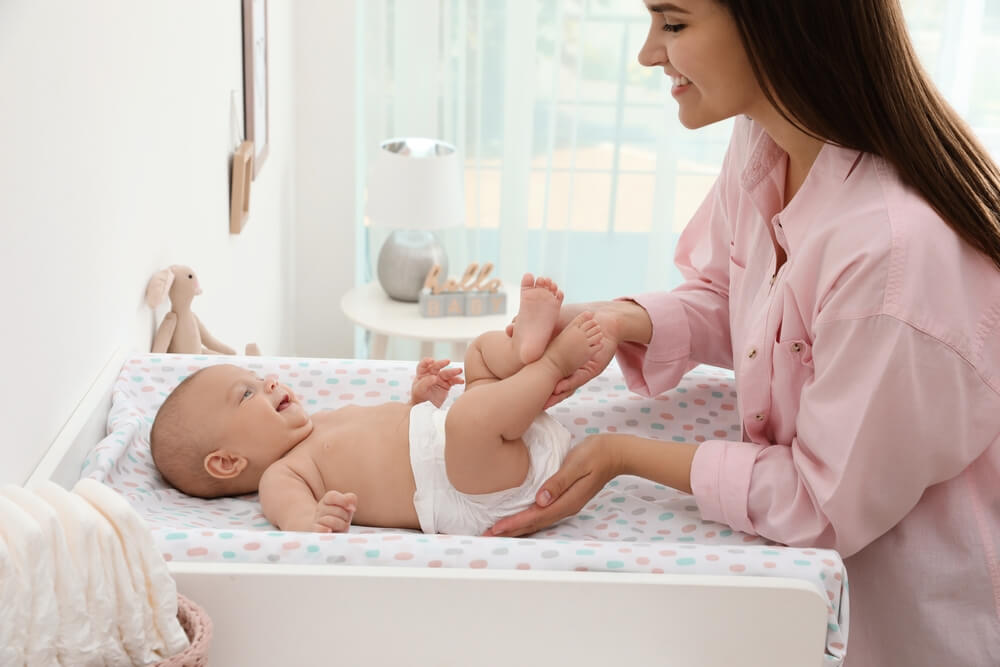
Dehydration red flags
Diarrhea is usually more dangerous because of fluid loss, not because of the poop itself. Seek medical advice urgently if you notice:
- Fewer wet diapers than usual
- No urine for 6 to 8 hours in young infants, or 8 to 12 hours in older babies and toddlers
- Very dark urine
- Dry mouth, no tears when crying
- Sunken eyes or sunken soft spot (in young infants)
- Unusual sleepiness, weakness, or your child is hard to wake
- Fast breathing or a very fast heartbeat
Trust your instincts here. If your child looks “not like themselves” and fluids are not staying in, it is worth a call.
When to get same-day care
Call your pediatrician for same-day advice or go to urgent care depending on what’s available if your baby or toddler has:
- Blood in the stool (red) or black stools that look sticky or tar-like (not just dark)
- Signs of dehydration
- Severe or worsening belly pain
- Persistent vomiting or cannot keep fluids down
- Diarrhea lasting more than 48 hours, or earlier if your child is very young
- High fever (especially in young infants) or a fever that concerns you along with diarrhea
- Age under 3 months with diarrhea of any significance
- Recent antibiotic use plus significant diarrhea
If your child has trouble breathing, is very lethargic, or you are genuinely worried they are getting worse quickly, that is emergency care territory.
What to tell yourself at 3 AM
Here’s the reassuring middle ground I wish every exhausted parent could hear:
- Yes, teething can coincide with looser poop.
- No, teething should not cause significant watery diarrhea for days.
- If stools are truly watery or frequent, think hydration first and consider common culprits like viruses, diet changes, and antibiotics.
- When in doubt, call your pediatrician. That is not overreacting. That is parenting.
You do not need to figure this out perfectly. You just need to keep your child safe and yourself supported, one diaper at a time.
FAQ
How long can teething-related loose stools last?
If teething is truly the only factor, stools are usually only slightly looser and for a short window, often a day or two. Longer-lasting diarrhea deserves a closer look for illness or diet triggers.
Can teething cause diaper rash?
Absolutely. More drool, more moisture, and sometimes looser stools can irritate skin quickly. Barrier cream early and often helps a lot.
Should I stop solids during diarrhea?
Not necessarily. If your child wants to eat and is not vomiting, simple foods are fine. The priority is fluids. If your child refuses food but drinks well, that is usually okay short-term.
Is mucus in the stool normal with teething?
Mucus can happen for many reasons, including irritation from infection. If you see a lot of mucus, it persists, or it comes with blood, fever, or a child who seems unwell, call your pediatrician.
Sarah Mitchell
Sarah Mitchell is a Registered Pediatric Nurse and a mother of three who has spent over a decade helping families navigate the beautiful, chaotic early years of childhood. She combines evidence-based medical knowledge with real-world parenting experience to offer practical, compassionate advice. At Awesome Parent, Sarah's mission is to help exhausted parents find solutions, trust their instincts, and finally get some sleep.