Carbon Monoxide Poisoning in Kids: Symptoms and When to Call 911

Sarah Mitchell
Sarah Mitchell is a Registered Pediatric Nurse and a mother of three who has spent over a decade helping families navigate the beautiful, chaotic early years of childhood. She combines evidence-based medical knowledge with real-world parenting experience to offer practical, compassionate advice. At Awesome Parent, Sarah's mission is to help exhausted parents find solutions, trust their instincts, and finally get some sleep.
If your child wakes up acting “flu-ish” out of nowhere, it is natural to assume it is a virus. But there is one dangerous problem that can look exactly like the flu and needs a totally different response: carbon monoxide (CO) poisoning.
As a pediatric nurse and a mom, I want you to have a simple, calm plan. CO is scary because you cannot see it, smell it, or taste it. The good news is that with the right steps and working detectors, it is also very preventable.
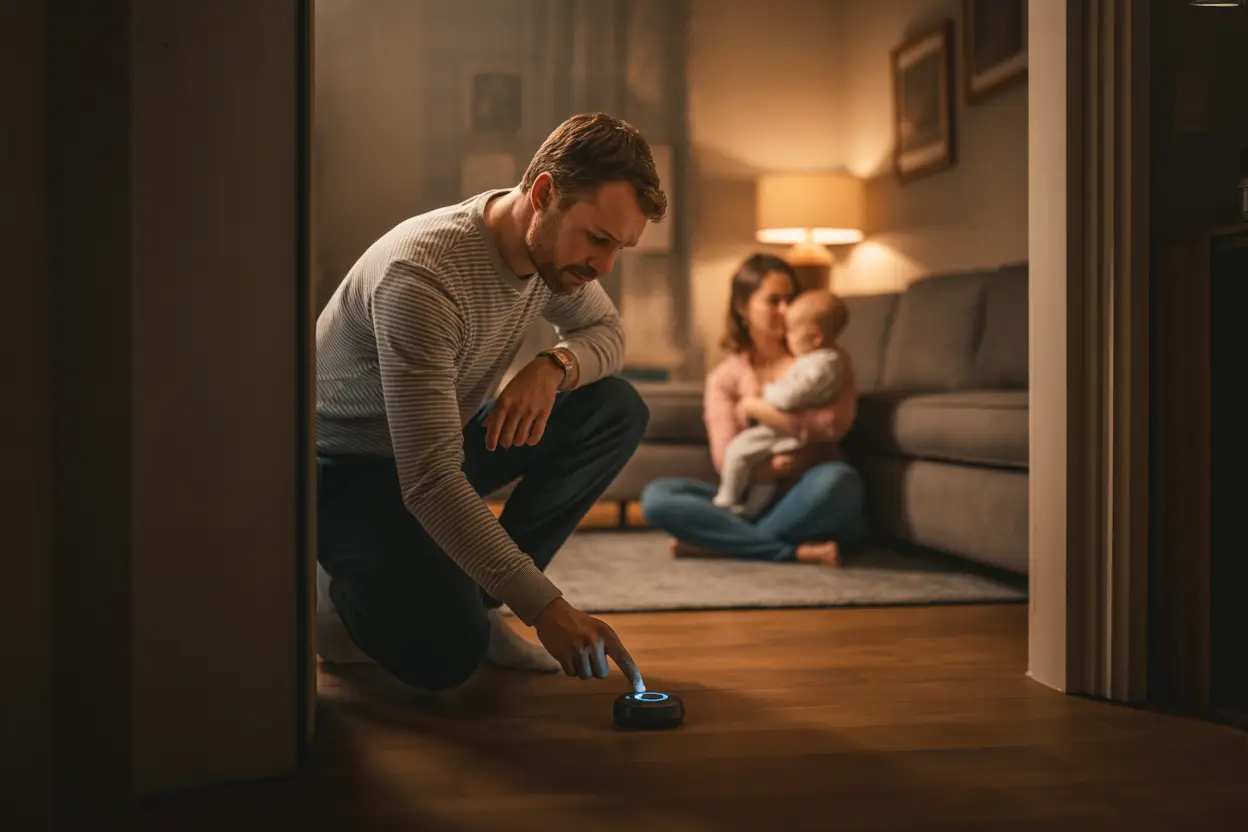
What CO is and why it is dangerous
Carbon monoxide is a gas made when fuel does not burn completely. Common fuels include natural gas, propane, gasoline, wood, charcoal, and kerosene.
When CO builds up in an enclosed space, you can breathe it in without realizing it. The danger is what it does inside the body.
Here is the key point: CO binds to hemoglobin (the oxygen-carrying part of blood) much more strongly than oxygen does. That means your child’s organs, especially the brain and heart, can be starved of oxygen even while they are still breathing.
Why kids can get sick faster
Children often show symptoms sooner than adults because:
- They breathe faster, so they take in more CO for their body size.
- They have smaller bodies, so the same exposure can create a higher dose effect.
- Babies and toddlers cannot explain symptoms well, so adults may not recognize what is happening until it worsens.
- They may be sleeping during exposure, which makes detection harder and delays getting fresh air.
Pregnant people are also at higher risk, and CO exposure can harm a fetus, even when a parent feels a little off.
Symptoms in kids
CO poisoning is known for causing nonspecific symptoms, meaning it can mimic common childhood illnesses. Severity depends on the concentration of CO and how long the exposure lasts.
Early or mild symptoms
- Headache
- Dizziness or feeling wobbly
- Nausea or vomiting
- Fatigue, sleepiness, or unusual fussiness
- Shortness of breath with minimal activity
- Flu-like symptoms without a fever (often a clue)
More serious symptoms
- Confusion, acting drunk, or not making sense
- Chest pain or heart pounding
- Fainting or collapse
- Seizure
- Severe trouble breathing
- Blue or very pale lips/skin
Some people mention cherry red lips as a sign. In real life, that is uncommon and not something you should wait to see.

Clues it might be CO
When I triaged families in clinic, these were the red flags that made me think possible carbon monoxide instead of typical flu:
- Multiple people in the home feel sick at the same time (kids, adults, visitors).
- Symptoms improve when you leave the house and return when you go back inside.
- No fever with flu-like symptoms.
- Symptoms are worse in the morning or after time spent in a particular room (like a basement bedroom).
- A CO alarm is sounding, chirping, or you are not sure it is working.
- Pets seem suddenly sleepy, wobbly, or are vomiting, especially if people also feel off. Pets can show symptoms quickly.
- Recent use of a fuel-burning device like a heater, fireplace, generator, grill, or running car in/near the garage.
Common home sources
CO problems often happen during cold snaps, power outages, or winter storms. They also happen when vents get blocked or appliances malfunction.
Inside the home
- Gas furnaces, boilers, or water heaters that are damaged or poorly vented
- Gas stoves or ovens used to heat the home
- Fireplaces and wood-burning stoves with blocked chimneys
- Portable fuel-burning heaters used indoors (kerosene, propane, etc.)
- Gas dryers with improper venting or backdrafting (electric dryers are not a CO source)
Garage and nearby areas
- Car left running in a garage, even with the door open
- Remote-start warming up a car in an attached garage
- Gas-powered tools used in the garage
During outages or outdoor use
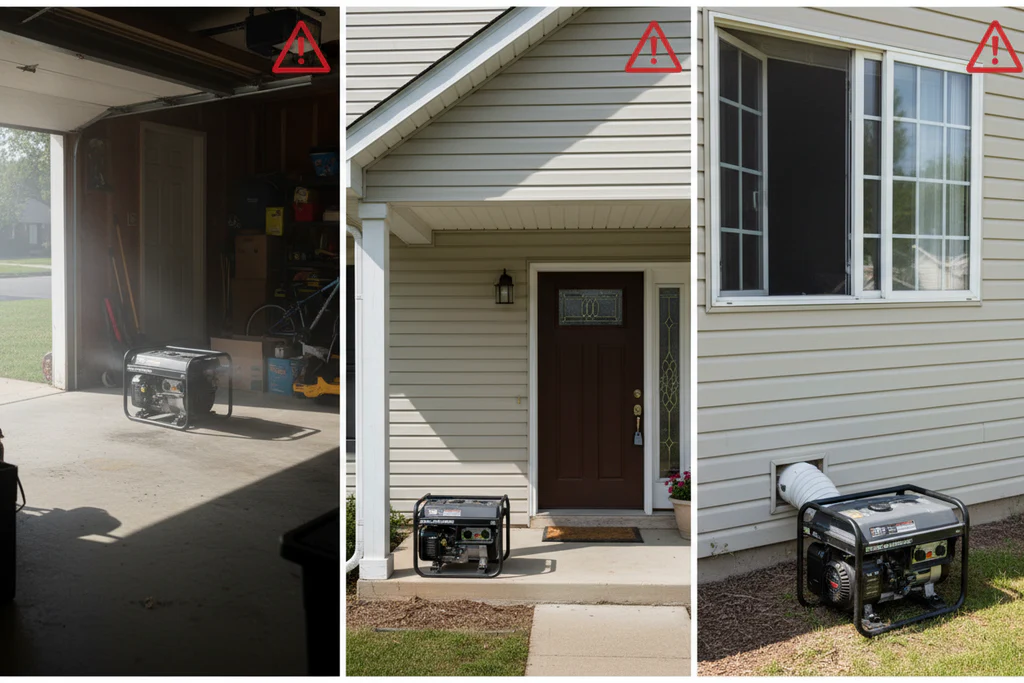
- Generators used too close to the home, windows, doors, or vents
- Charcoal grills used indoors, in a garage, or near open windows
- Camping stoves used inside tents, RVs, cabins, or enclosed porches
When to call 911
Call 911 right away if:
- Your carbon monoxide alarm is sounding and anyone has symptoms
- Anyone is unconscious, hard to wake, confused, or has fainted
- Your child has trouble breathing, chest pain, or turns pale/blue
- Your child has a seizure
- You suspect significant exposure and you are not able to safely get everyone outside quickly
If your CO alarm is going off but no one has symptoms, treat it seriously. Get everyone outside and call your fire department or utility company for guidance. Do not assume it is a false alarm.
If you are outside and stable but worried, you can also call your local poison control center for guidance in the US at 1-800-222-1222. They are excellent and they do this all day, every day.
What to do right away
Here is the safest sequence, and yes, it is okay if you are shaky while doing it.
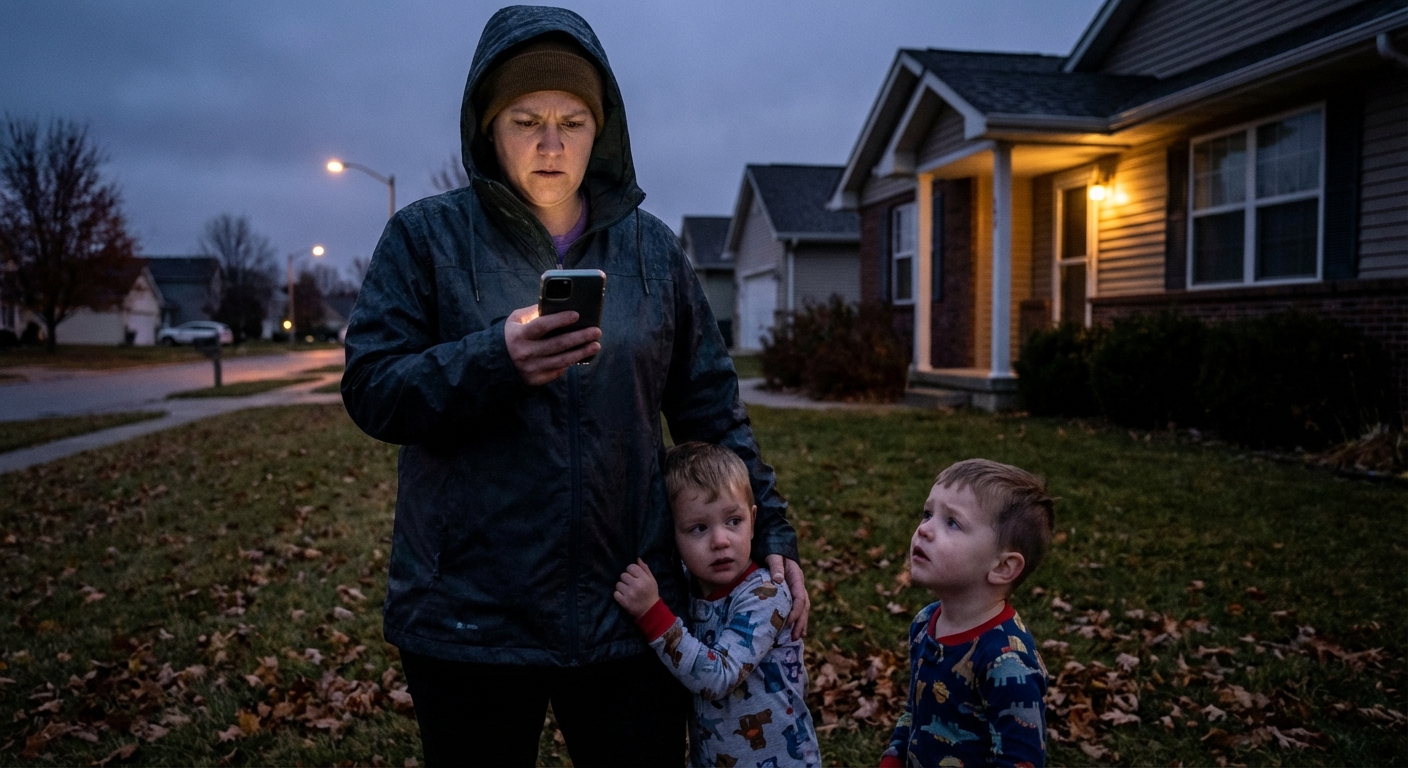
- Get everyone into fresh air immediately. Go outside. If you can do it safely and quickly as you leave, open a door behind you. Do not try to air out the house first.
- Do not ignore symptoms. If anyone is very ill, call 911 from outside.
- Do not re-enter the home until firefighters or your utility company says it is safe.
- Seek medical care if your child has symptoms, even if they seem better once outside.
Why the do not re-enter rule matters: CO can build quickly, and people have collapsed while trying to rescue pets or grab belongings. Firefighters have protective equipment for a reason.
What happens at urgent care or the ER
If a child is evaluated for possible carbon monoxide poisoning, clinicians typically focus on:
- Oxygen support. Many patients receive high-flow oxygen because it helps the body clear CO faster.
- History of exposure. What appliances were running, whether a detector alarmed, who else is sick.
- Testing. Some facilities measure carboxyhemoglobin (CO level in the blood). A regular pulse oximeter (the finger clip) can look normal even during CO poisoning. A multiwavelength device called a CO-oximeter and blood testing are used to assess this more accurately.
- Observation. Symptoms can change, especially in young children.
In more serious cases, a specialized treatment called hyperbaric oxygen therapy may be considered. That decision depends on symptoms, CO level, pregnancy status, and clinical judgment.
One more reason we take exposure seriously: some people can have delayed neurologic symptoms after significant CO poisoning. If your child had a major exposure, follow your discharge instructions closely and seek care if new confusion, behavior changes, headaches, or balance issues show up later.
CO detectors
Detectors save lives, but only if they are installed correctly and maintained.
Placement basics
- Put a CO detector on every level of your home.
- Place one near sleeping areas so it can wake you at night.
- Follow the manufacturer’s instructions for height and placement. CO mixes with air, so correct placement is device-specific.
- Avoid placing alarms in corners, behind curtains, or other dead-air spaces unless the manual says it is fine.
- Keep detectors away from humid bathrooms and avoid placing them right next to fuel-burning appliances unless the instructions recommend it.
Maintenance
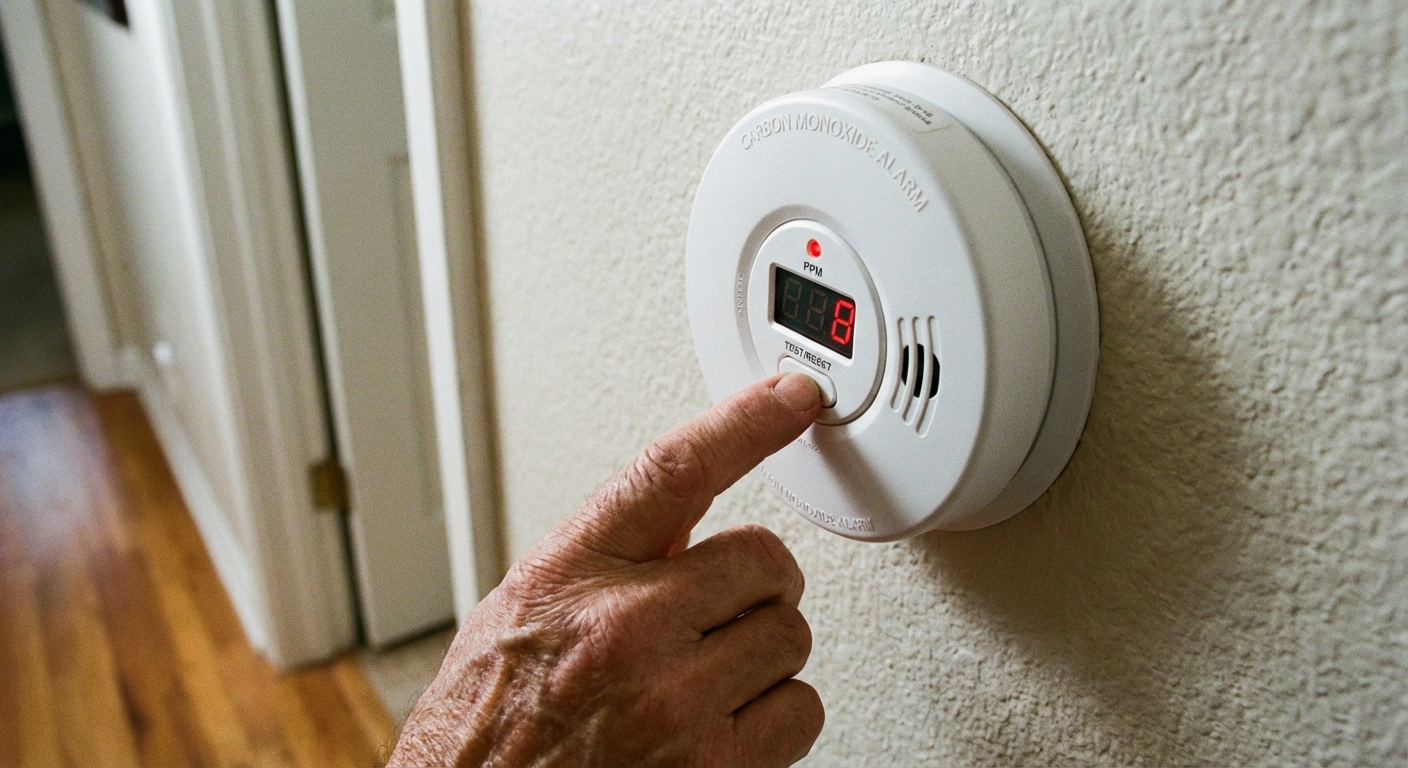
- Test monthly (add it to the same day you change toothbrushes or pay a bill, whatever you will remember).
- Replace batteries as directed or whenever the unit chirps.
- Replace the entire unit when it reaches its end-of-life date (often 5 to 10 years).
Prevention habits
- Never run a generator in a garage, basement, or near open windows or doors. As a general safety rule, keep generators at least 20 feet from the home and away from openings. Always follow the manufacturer instructions and local guidance.
- Never use a grill or charcoal indoors or in a garage, even with the door open.
- Do not warm up cars in an attached garage.
- Have fuel-burning appliances serviced regularly, especially before winter.
- Keep vents and chimneys clear of snow, debris, and animal nests.
- Teach babysitters and grandparents what your CO alarm sounds like and what to do if it goes off.
FAQ
Can CO poisoning look like a stomach bug?
Yes. Nausea, vomiting, and fatigue are common. If more than one family member is sick, there is no fever, or symptoms improve when you leave the house, think CO and get fresh air.
My child feels better outside. Do we still need medical care?
If your child had symptoms that could fit CO poisoning, it is worth calling your pediatrician, poison control (1-800-222-1222 in the US), or seeking urgent evaluation. Improvement with fresh air is a clue, not a guarantee that everything is fine.
Can we just open windows instead of leaving?
No. If you suspect CO, the safest move is to get everyone outside immediately and call for help. Opening windows can waste precious time, and CO can still be present.
Is this medical advice?
This article is general education, not personalized medical advice. If you think there is an emergency, call your local emergency number right away.
Bottom line
Carbon monoxide poisoning is one of those parenting fears that is real, but manageable. Trust the pattern: flu-like symptoms without a fever, multiple people sick, and feeling better in fresh air. If you suspect CO, get out, stay out, and get help.
If you are reading this at 3 AM and wondering whether you are overreacting, you are not. You are paying attention. That is good parenting.