Celiac Disease in Toddlers: Clues After Gluten

Sarah Mitchell
Sarah Mitchell is a Registered Pediatric Nurse and a mother of three who has spent over a decade helping families navigate the beautiful, chaotic early years of childhood. She combines evidence-based medical knowledge with real-world parenting experience to offer practical, compassionate advice. At Awesome Parent, Sarah's mission is to help exhausted parents find solutions, trust their instincts, and finally get some sleep.
If you’re reading this after yet another diaper blowout, a week of mysterious belly aches, or a toddler who seems constantly cranky and uncomfortable, I see you. Celiac disease can show up in toddlers in ways that look like a dozen other “normal toddler things” at first. But when symptoms keep coming back, especially after gluten (foods made with wheat, barley, or rye), it’s worth putting celiac on the shortlist to discuss with your child’s pediatrician.
Let’s walk through the digestive and behavioral clues parents often notice, what “failure to thrive” really means in plain language, how testing typically works, and why going gluten-free is not a casual trial when celiac is on the table.

What celiac is (and is not)
Celiac disease is an autoimmune condition. When someone with celiac eats gluten, their immune system reacts and damages the lining of the small intestine. Over time, that damage can make it harder to absorb nutrients like iron, calcium, folate, and vitamin D.
Two important clarifications:
- Celiac disease is not a wheat allergy. Allergies can cause hives, swelling, wheezing, or vomiting soon after exposure. Celiac is an immune reaction that primarily affects the gut over time.
- Celiac disease is not the same as non-celiac gluten sensitivity. Some people feel better avoiding gluten without having celiac. The management and medical follow-up are different.
In toddlers, symptoms can be subtle or surprisingly “not about the gut.” Some kids even have minimal symptoms but still have intestinal inflammation and nutrient issues, which is one reason clinicians take screening seriously in higher-risk families.
Digestive clues after gluten
Toddlers can’t always describe what’s happening, so we end up reading patterns. These are common digestive signs that can fit celiac disease:
- Chronic diarrhea (especially loose, frequent stools that don’t improve over weeks)
- Bulky, pale, greasy, or very smelly stools that may float or seem hard to wipe
- Constipation (yes, celiac can present this way too)
- Belly pain or frequent tummy-holding, especially after meals
- Bloating or a rounded belly that seems out of proportion to the rest of the body
- Nausea or vomiting that keeps recurring
- Poor appetite or sudden picky eating that feels driven by discomfort
A key clue is persistence or a repeating pattern. One virus can cause diarrhea for a week. Celiac can look more like symptoms that never fully resolve, or that improve then flare again.

Behavior and mood clues
When a toddler feels crummy, their behavior changes. And when the gut is inflamed, sleep and mood can unravel fast. Some families notice:
- Irritability or frequent meltdowns that feel out of character
- Low energy, seeming unusually tired
- Sleep disruption, including frequent night waking
- Increased anxiety or clinginess
- Difficulty focusing (often more noticeable in older toddlers, closer to age 3, and preschoolers)
Are these signs specific to celiac? Not at all. They can be caused by iron deficiency, poor sleep, chronic pain, toddler stress, or any number of medical issues. But when you see these alongside ongoing digestive symptoms or slow growth, it strengthens the case to test.
Slow growth, explained
“Failure to thrive” is one of those phrases that can make a parent’s stomach drop. In real life, it usually means a child is not gaining weight or growing in height as expected over time, or they’ve crossed down multiple growth percentiles.
In toddlers, celiac can contribute to:
- Poor weight gain or weight loss
- Short stature or slowing height growth
- Muscle wasting or looking thin in arms and legs
- Delayed developmental milestones in some cases
It is not a judgment of your parenting. It is a clinical flag that says, “Let’s look for a reason,” including malabsorption from conditions like celiac.
Other health clues
Celiac can affect the whole body. Some additional signs pediatricians consider:
- Iron-deficiency anemia (often shows up as tiredness, pallor, or lab findings)
- Mouth sores or frequent canker sores
- Skin rash that is very itchy and persistent (a specific rash called dermatitis herpetiformis is classic in older kids and adults and is less common in toddlers, but any chronic rash should be evaluated)
- Dental enamel defects (changes in tooth appearance as teeth come in)
- Ongoing symptoms without a clear reason (especially paired with poor growth or nutrient deficiencies)
None of these proves celiac. But patterns matter, and you are the world’s leading expert on your child’s pattern.
Higher-risk kids
Celiac disease runs in families. Your toddler’s risk is higher if they have a close relative with:
- Celiac disease
- Type 1 diabetes
- Autoimmune thyroid disease
- Down syndrome or certain other genetic conditions
If celiac is in the family, pediatricians may recommend screening even if symptoms are mild, because some kids have “quiet” celiac that still impacts nutrient absorption.
Do not go gluten-free yet
Here’s the part I wish every parent heard clearly the first time: Do not start a gluten-free diet before testing unless your pediatrician specifically tells you to.
Why? Most celiac tests look for immune markers that show up when gluten is being eaten regularly. If you remove gluten, those markers can drop and tests can come back falsely normal. Then you’re stuck in the frustrating position of needing a “gluten challenge” later (adding gluten back) to get accurate results.
If you suspect celiac, keep your toddler’s usual diet and call your pediatrician to discuss testing.
How testing works
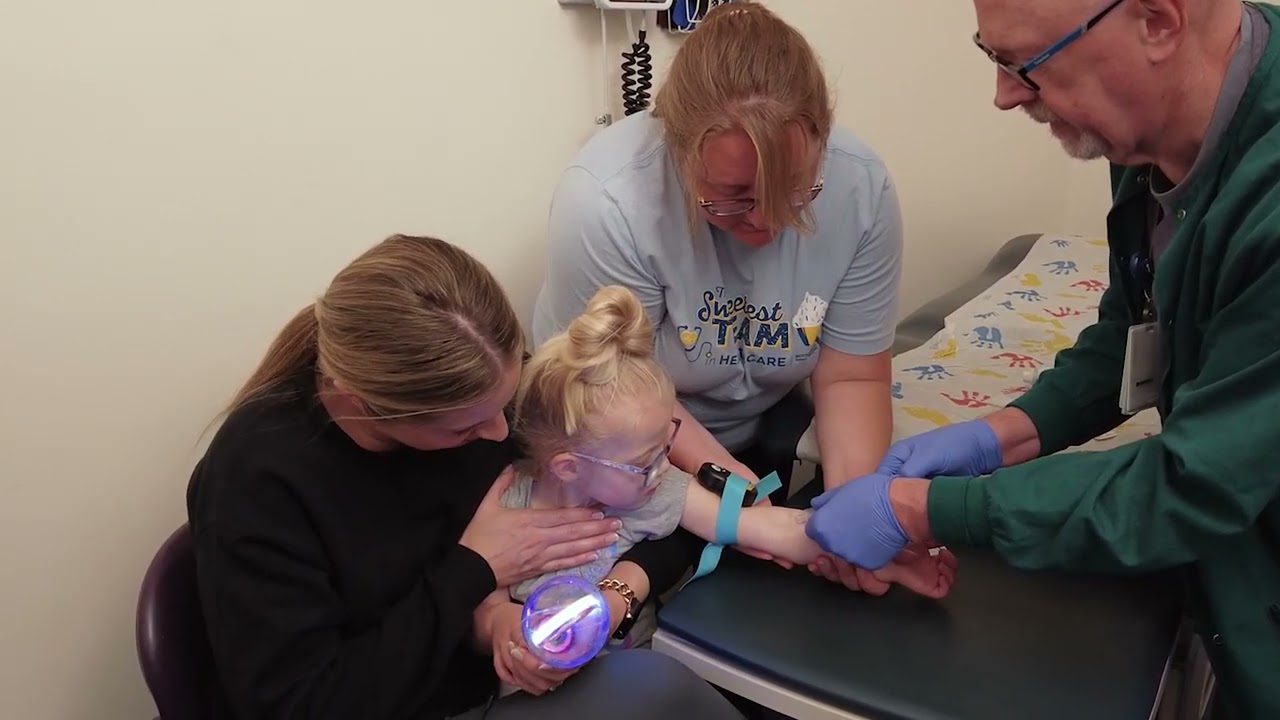
Testing is typically guided by your pediatrician and sometimes a pediatric gastroenterologist (GI). The exact approach depends on symptoms, age, and family history, but it often includes:
1) Blood tests
The first step is usually a blood test looking for celiac-related antibodies. Commonly used tests include:
- tTG-IgA (tissue transglutaminase IgA), often the main screening test
- Total IgA to make sure your child makes enough IgA for the test to be reliable
- Additional antibody tests in certain situations (for example, if IgA is low, results are unclear, or your child is very young)
Toddler nuance: In children under about age 2, tTG-IgA can be less sensitive. Many clinicians add deamidated gliadin peptide (DGP) antibodies (often DGP-IgG, sometimes DGP-IgA) to improve detection in this age group.
Your child needs to be eating gluten regularly for these tests to be meaningful. There are specific “gluten challenge” protocols for kids who have already reduced gluten. If that’s your situation, ask your pediatrician or GI what amount and duration they recommend for your child.
2) Biopsy (sometimes)
If blood tests suggest celiac, a pediatric GI may recommend an upper endoscopy to take tiny samples (biopsies) from the small intestine. This is done under anesthesia. The goal is to confirm the diagnosis and assess intestinal damage.
In some pediatric cases, certain guidelines allow diagnosis without biopsy, but it is not a casual shortcut. It is typically reserved for a specific pattern such as very high tTG-IgA (often at least 10 times the lab’s upper limit of normal) plus confirmatory testing (commonly endomysial antibodies, EMA) and the right clinical context. Whether that applies to your child is a decision for your medical team.
3) Nutrient checks
Because celiac can affect absorption, pediatricians often check for anemia (iron) and other deficiencies (for example vitamin D), and monitor growth. This helps guide treatment and follow-up.
If tests are negative
Negative celiac testing does not mean “nothing is wrong.” It means celiac is less likely, especially if your toddler was eating gluten consistently and the testing was done at the right time and interpreted appropriately.
Other conditions can mimic celiac symptoms, including:
- Toddler’s diarrhea (benign chronic loose stools in some healthy toddlers)
- Lactose intolerance (sometimes temporary after a stomach bug)
- Constipation with overflow diarrhea
- Food intolerances or allergies
- Inflammatory bowel disease (less common in toddlers, but evaluated when symptoms are significant)
- Parasites or chronic infection in certain settings
If you feel stuck, ask about a pediatric GI referral. A good workup is not overreacting. It is advocating.
Strict gluten-free means strict
If your toddler has celiac disease, the treatment is a strict, lifelong gluten-free diet. Not “mostly.” Not “on weekdays.” Strict. Even small amounts of gluten can trigger intestinal inflammation, sometimes without obvious immediate symptoms. The exact threshold varies by person, so the goal is to minimize exposure as much as realistically possible.
Foods with gluten
- Wheat (including spelt, durum, farina, semolina)
- Barley
- Rye
- Most standard breads, pasta, crackers, cereals, pancakes, cookies, and many baked goods
Oats note
Oats are a common point of confusion. Plain oats do not contain gluten, but they are frequently contaminated with wheat during processing. If your child’s GI team says oats are okay, choose certified gluten-free oats. Also, a small subset of people with celiac still react to oats, so follow your team’s guidance.
Surprise sources
- Some sauces and gravies (thickened with flour)
- Some soups, broths, and seasoning blends
- Processed meats or meat substitutes
- Some candies and snacks
- Play products like certain doughs (ask your GI team what they recommend for your child)
Cross-contact matters
For celiac, cross-contact is a big deal. This is when gluten-free food touches gluten through shared surfaces or tools, like:
- A toaster used for regular bread
- The same butter knife going into a shared jar after touching wheat bread
- Shared cutting boards with crumbs
Many families find it easiest to set up a small gluten-free “safe zone” in the kitchen with dedicated items like a toaster, colander, and cutting board.

Daycare and parties
This is where the rubber meets the road. Toddlers eat whatever is handed to them, and they do it fast. A few practical steps that help:
- Create a one-page cheat sheet for caregivers: what gluten is, safe snacks, and what to do after an accidental exposure.
- Keep a “safe snack stash” at daycare and in the car.
- Plan party food in advance: bring a gluten-free cupcake or cookie so your child can participate without drama.
- Teach simple language as your toddler grows: “My tummy gets sick with that food.”
Safety is the goal. You will get better at this with time, and most caregivers want to do the right thing once they understand how important it is.
After diagnosis
If your toddler is diagnosed with celiac disease, ask your pediatrician or GI team about:
- Dietitian support (this can be a game-changer for label reading, balanced meals, and daycare planning)
- Follow-up labs (repeat celiac antibodies and checks for iron and vitamin D are common)
- Growth tracking to make sure weight and height rebound
- Family screening, since close relatives have a higher risk
When to call urgently
Celiac symptoms are usually chronic rather than sudden emergencies, but you should seek urgent medical care if your toddler has:
- Signs of dehydration (very dry mouth, no tears, significantly fewer wet diapers, extreme sleepiness)
- Blood in stool or black, tarry stool
- Severe belly pain, a very swollen belly, or persistent vomiting
- Rapid weight loss or refusal to drink
If your child is stable but you’re worried, schedule a visit and bring notes.
A symptom tracker
You don’t need a fancy app. For 1 to 2 weeks, jot down:
- What your toddler ate (especially gluten-containing foods)
- Stool pattern (frequency and consistency)
- Belly pain or bloating (yes or no)
- Sleep quality
- Big behavior shifts (more irritable, more tired)
Bring it to the appointment. It can speed up the conversation and help your pediatrician decide what tests make sense.
Bottom line
Celiac disease in toddlers can look like chronic diarrhea, belly pain, slow growth, and a kiddo who just seems perpetually uncomfortable or irritable. Family history raises the stakes. The most important takeaway is this: get medical guidance and testing before cutting gluten, so you don’t accidentally make diagnosis harder.
If you’re in the 3 AM worry spiral, you’re not being dramatic. You’re noticing a pattern. That is good parenting.
Quick next step: Call your pediatrician and ask, “Can we discuss celiac screening? My toddler has ongoing GI symptoms and I want to test before changing the diet.”