Cold Turkey vs. Binky Fairy: Pacifier Weaning That Works

Sarah Mitchell
Sarah Mitchell is a Registered Pediatric Nurse and a mother of three who has spent over a decade helping families navigate the beautiful, chaotic early years of childhood. She combines evidence-based medical knowledge with real-world parenting experience to offer practical, compassionate advice. At Awesome Parent, Sarah's mission is to help exhausted parents find solutions, trust their instincts, and finally get some sleep.
If you are reading this at an unreasonable hour while your toddler sleeps with a pacifier wedged in their mouth like it is their job, I see you. Pacifiers are magic until they are… not. At some point you start wondering: Is this messing with teeth? Speech? Sleep? And how do I take it away without creating a tiny, furious roommate?
The good news: there are a few approaches that work well for toddlers, and you do not need to do it “perfectly” for it to stick. Let’s compare two of the most reliable options, the Cold Turkey method and the Binky Fairy method, so you can choose the one that fits your child’s temperament, your sanity level, and your household reality.
Quick note for parents of younger babies: Pacifier guidance is different in infancy (pacifiers can be protective for SIDS during sleep in the first year). This article is for toddlers. If your child is under 12 months, ask your pediatrician before making big changes.

When to wean
In clinic, I usually talk pacifiers in terms of function and timing. Many kids can use a pacifier safely for soothing in babyhood, but as toddlerhood hits, the trade-offs can start to show up.
Common signs it is time
- Using it more often (sleep-only becomes all-day, in the car, at daycare pickup, during play, during tantrums).
- Keeping it in while talking, so speech sounds “mushy” or less clear.
- Hearing about bite changes from your dentist (for example, an open bite or changes in how teeth line up).
- Waking to replace it because your toddler cannot find or reinsert the pacifier.
- Getting frequent ear infections (pacifier use is associated with a small increased risk in some children, especially with heavy use, but it does not prove it is the cause).
Dental guidance varies a bit, but many pediatric dentists encourage weaning in the toddler years, often between 2 and 3, and many note that bite changes are more likely to improve when pacifier use stops by about age 3. If you have specific dental concerns, your pediatric dentist is the best person to guide your exact timing.
That said, the “best” time is the time you can follow through. Consistency beats an ideal birthday deadline every time.
Times to avoid starting (if you can)
- Right before or after moving, travel, starting daycare, or bringing home a new sibling
- During an illness when sleep and comfort are already fragile
- When you cannot tolerate several cranky nights (because you are solo parenting or on a work deadline)
Two methods at a glance
Here is the simplest truth: both methods work because they remove access and build a new routine. The difference is how quickly you remove it and how much “story” you wrap around the transition.
| Method | Best for | Hard part | Typical timeline |
|---|---|---|---|
| Cold Turkey | Kids who do better with clear rules and fast change, parents who want it done | Big feelings up front | Many families see major improvement in about 3 to 7 days |
| Binky Fairy | Kids who love rituals, rewards, and “big kid” stories | Requires prep and follow-through so it does not turn into bargaining | About 1 to 2 weeks including prep, then a few tough days |
Method 1: Cold Turkey
Cold turkey means the pacifiers are gone in one swoop. Not hidden “just in case.” Not left in the diaper bag. Gone. This is the method I recommend when parents are ready for a short, intense transition instead of a long, drawn-out negotiation.
Why it works
- No mixed message. Your toddler cannot keep trying different angles if the answer is consistently “no.”
- The brain adapts quickly. Many toddlers show noticeable improvement after a few nights once they realize the pacifier is truly not coming back.
- Fewer power struggles. There is nothing to bargain over if it no longer exists.
How to do it in 6 steps
- Pick a start date. Ideally a long weekend or a stretch of calmer days.
- Choose your boundary. Most families do either (a) no pacifier at all, or (b) remove daytime first and keep for sleep briefly, then remove completely. If your child is 2.5+, going fully done is often easier if you can manage it.
- Announce it simply. “Pacifiers are all done. You can be sad. I will help you.” Keep it short and boring.
- Remove every pacifier you own. Check the car, stroller, grandparents’ house, couch cushions, and that mysterious drawer you never open.
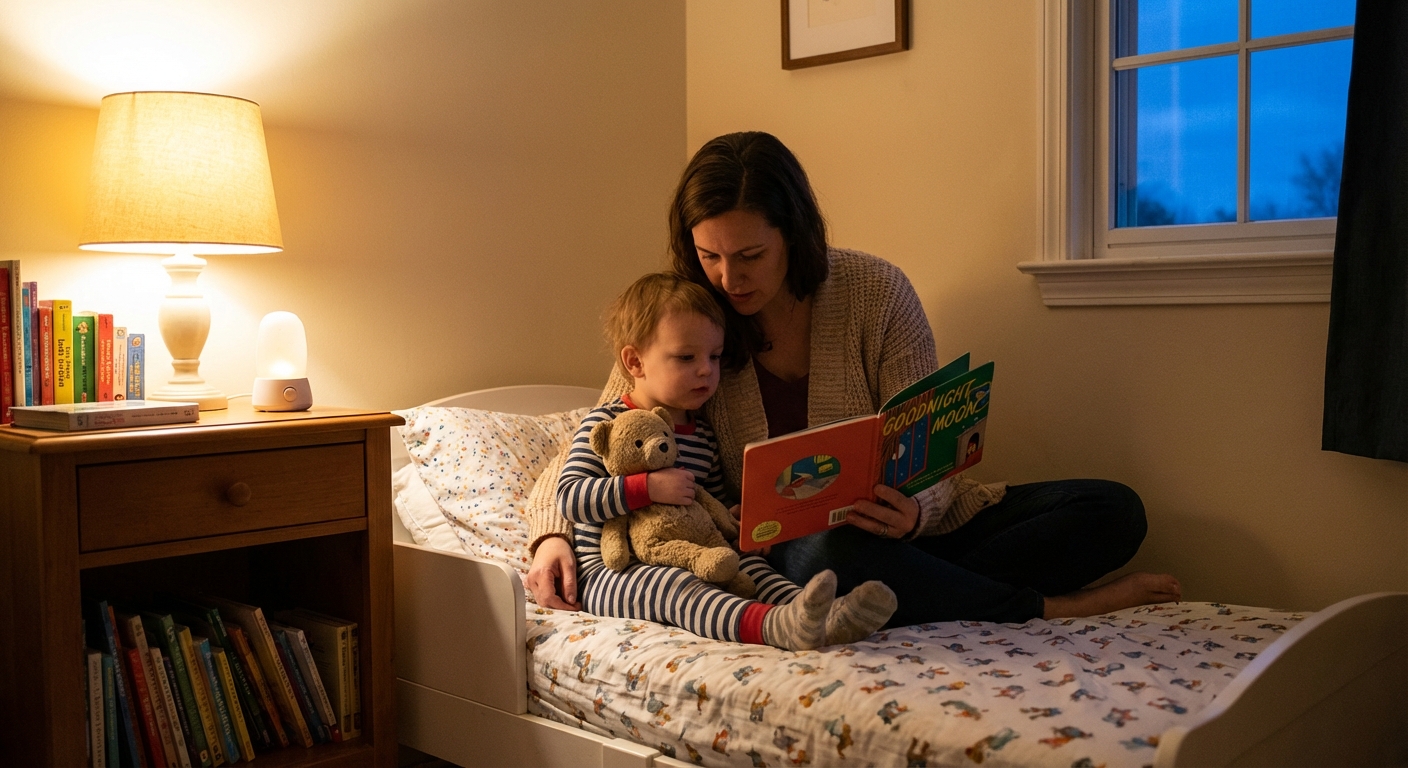
- Replace the soothing routine. Add something you can repeat: special stuffed animal, back rub, lullaby, a water cup, two bedtime books.
- Hold the line with empathy. Crying is allowed. Your job is calm leadership, not eliminating all tears.
What to expect
- Nights 1 to 3: often more crying at bedtime, extra wake-ups, and daytime clinginess.
- Nights 4 to 7: many toddlers start settling faster, asking less, and accepting the new routine.
- Week 2: for a lot of kids, it fades into a “remember when you were little” story.
If your child is a thumb-sucker, watch closely. Some toddlers swap pacifier for thumb, which can be harder to undo later. If you see a strong switch, talk with your pediatric dentist about next steps.
Method 2: Binky Fairy
The Binky Fairy method turns pacifier weaning into a ceremony. Your toddler “gives” their pacifiers to the Binky Fairy, who takes them to babies who need them and leaves a small gift in return. It does not have to be literal to be effective for toddlers. It just has to be consistent.
Why it works
- It creates meaning. Toddlers tolerate change better when it feels like a “big kid” milestone.
- It gives closure. The pacifiers are not just taken, they are “given away.”
- It builds ownership. Your child participates, which reduces the sense of being controlled.
How to do it in 7 steps
- Start talking about it 5 to 10 days ahead. Mention it casually, not like a threat. “Soon we will give your binkies to the Binky Fairy.”
- Set a clear date. Circle it on a calendar if your toddler likes visuals.
- Practice limits first (optional). If your child uses it constantly, start with “binky stays in the crib” for a few days before the big day.
- Let your toddler help collect them. Put pacifiers in a small bag or box.
- Create the hand-off moment. Many families place the bag by the front door or outside the bedroom door at bedtime.
- Swap overnight. Pacifiers disappear, a small gift appears. Think: stuffed animal, special cup, a new book, a small toy. Nothing huge. You are marking a transition, not starting a bidding war.
- Repeat the same story. “You gave your binkies away. That was kind. You are safe. I will help you.”
Common pitfalls
- Pitfall: Keeping one “emergency binky.”
Fix: Emergencies become Tuesday at 2 AM. Commit to zero. - Pitfall: Letting your toddler negotiate the gift afterward.
Fix: The gift is already decided. Stay cheerful and firm. - Pitfall: Your child demands the fairy bring them back.
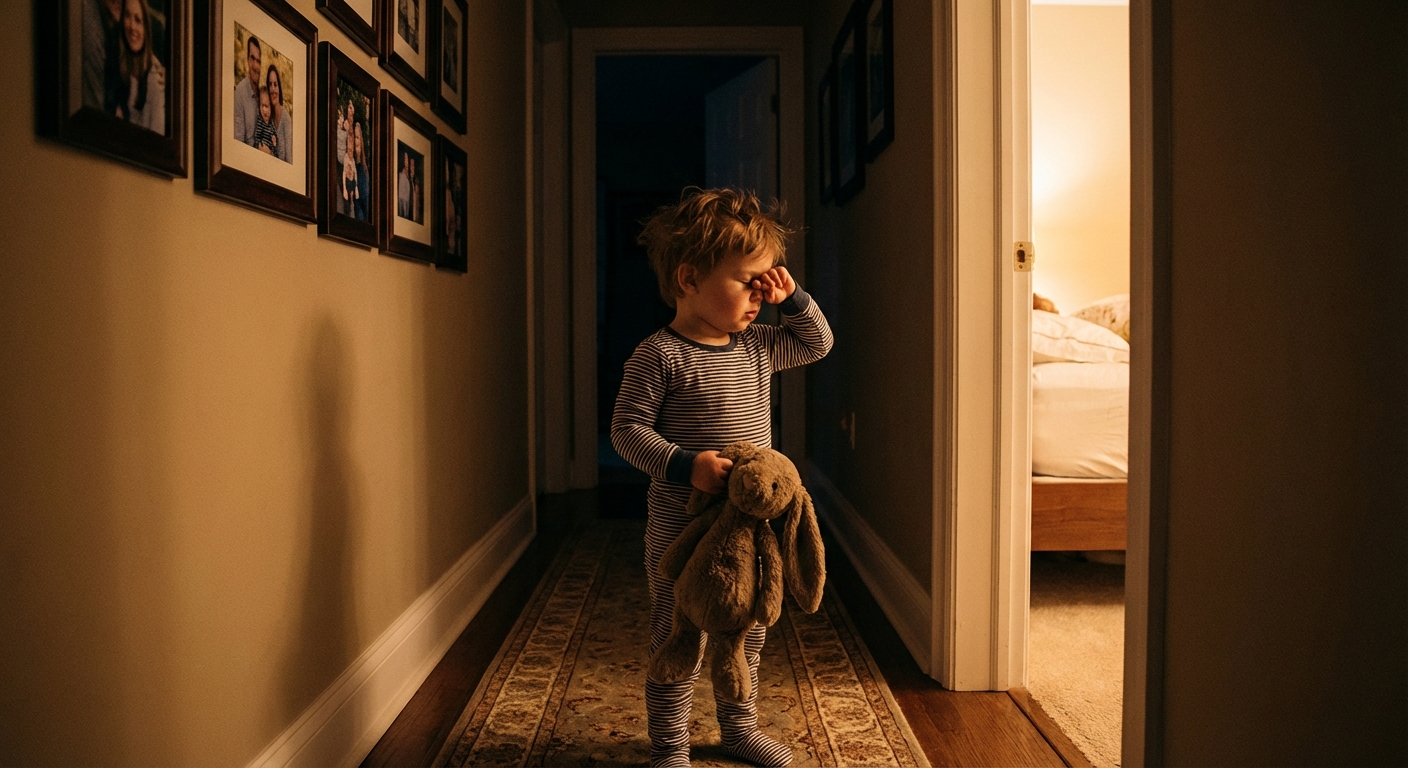
Fix: Validate and redirect. “You miss them. The fairy already took them to babies. Let’s hug your new stuffie.”
If you want gradual
If cold turkey feels too intense and the Binky Fairy is not your vibe, you can go gradual. It is slower, but it can be a good fit for some kids and some households.
A simple gradual option
- Step 1: Pacifier is only in the crib or bed (not in the car, not during play).
- Step 2: Pacifier is only for falling asleep (then you remove it once they are asleep if they tolerate that).
- Step 3: Remove completely on a clear date.
Gradual works best when you keep the rules very clear and do not slide backward. If you notice you are negotiating daily, that is a sign to switch to a cleaner boundary.
How to choose
Temperament matters. The “best” method is the one your child can tolerate and you can execute without backtracking.
Cold turkey may be best if your toddler
- Gets more upset with prolonged change than with a clean break
- Does well with clear rules and routines
- Becomes a master negotiator the second you leave wiggle room
- Wakes often to replace the pacifier
Binky Fairy may be best if your toddler
- Loves pretend play, stories, and special rituals
- Is very attached and benefits from closure
- Does better with transitions when they feel involved
- Is motivated by being a “big kid”
If you are on the fence
Can I hold a boundary at 2 AM? If your honest answer is “maybe,” the Binky Fairy’s ceremony can help you stay consistent because you have a script. If your honest answer is “only if the pacifiers are physically gone,” cold turkey sets you up for success.
Prep that helps
1) Pick a replacement comfort
Pacifiers meet a real need: soothing. Replace it with something you can offer consistently.
- A stuffed animal or lovey
- A toddler-safe blanket (if age-appropriate)
- A bedtime routine add-on like a back rub, rocking for a set time, or a song
- A water bottle by the bed
2) Tighten the bedtime routine
When families struggle, it is often because the pacifier was doing half the bedtime work. Add structure:
- Snack, bath, pajamas
- Brush teeth
- Two short books
- Lights dim, white noise on
- Song, cuddle, into bed (awake if that is your goal, or drowsy if that works better for your family)
3) Loop in caregivers
Consistency is the secret sauce. Let everyone know your plan and your exact rule: “No pacifier at all” or “Only for sleep for the next 3 days.”
4) Make daycare naps a plan
If your toddler used a pacifier for naps, tell daycare ahead of time and give them a simple script and a replacement. Example: “We are done with pacifiers. Please offer their lovey and back pats instead.” If daycare requires a specific comfort item, label it and send two if you can.
Troubleshooting
“My toddler is screaming like I have ruined their life.”
They are grieving a comfort tool, and that is real to them. You are not harming them by holding a calm boundary. Try:
- Name it: “You are mad. You want your binky.”
- Hold the limit: “Binky is all done.”
- Offer a replacement: “You can hug your bear or hold my hand.”
Keep your voice steady. Toddlers borrow our nervous systems. If you can stay regulated, it helps them get regulated faster.
“Bedtime is taking forever now.”
For the first week, expect longer bedtime. Set a supportive but finite plan, like: books, cuddle for 3 minutes, then you sit in the chair. Each night, reduce your involvement slightly (the classic fade-out).
“They only used it for sleep. Should I still stop?”
If it is truly sleep-only and not causing wake-ups or dental concerns, you may have time. But many families still choose to stop because it often becomes harder later. If you continue for a bit, keep it strictly in the crib and out of the daytime routine.
“My child keeps asking for it during the day.”
Daytime is where you build new coping skills. Offer choices: “Do you want a hug or to stomp your feet?” “Do you want your water or your lovey?” It sounds silly, but choices give toddlers a sense of control without giving back the pacifier.
“What if they start sucking their thumb?”
Some kids will. If you see a strong switch, address it early with your pediatrician or dentist. A pacifier is easier to remove than a thumb, so we want to avoid trading one habit for another when possible.
Dental and health notes
As a pediatric nurse, I am firmly in the “no fear-mongering at midnight” camp. Here are the evidence-based points parents actually need:
- Teeth and bite: Prolonged pacifier use can affect tooth alignment, especially with frequent use as kids get older. Many changes improve after stopping, particularly when you stop by about age 3. Your dentist can tell you what they are seeing in your child’s mouth.
- Speech: Pacifiers do not automatically cause speech delays, but keeping one in the mouth during talking time can reduce practice and make articulation less clear. Limiting daytime use helps.
- Ear infections: Some studies show an association between pacifier use and more ear infections, especially in younger children and with heavy use. It is an association, not proof, but it is one modifiable piece.
- Safety and hygiene: Check pacifiers often for cracks or stickiness and replace per manufacturer guidance. Do not attach to long cords. Do not share pacifiers between children.
A simple 7-day plan
Use this as a flexible roadmap, not a promise. Some kids move faster, some need a little longer.
Day 0: Prep
- Pick your method and date
- Choose a replacement comfort item
- Gather pacifiers so you know where they all are
- Tell caregivers and daycare your exact rule
Day 1: The change
- Cold turkey: remove all pacifiers and start your new routine
- Binky Fairy: do the hand-off at bedtime, swap overnight
- Gradual: start “pacifier stays in bed” and do not break that rule
Days 2 to 3: Big feelings
- Repeat the same short script
- Offer comfort, not the pacifier
- Move bedtime slightly earlier if your toddler is overtired
Days 4 to 7: Lock it in
- Keep routines consistent
- Praise effort, not toughness: “You were sad and you did it.”
- If you find a stray pacifier, do not reintroduce it. Dispose of it quietly.
When to call your pediatrician
Pacifier weaning is usually a behavioral transition, not a medical issue. But reach out if:
- Your toddler’s sleep collapses for more than 2 weeks with no improvement
- You suspect pain (ear pain, mouth sores, significant snoring, or breathing concerns)
- Your child has developmental, sensory, or feeding needs and the pacifier is a primary regulation tool, and you want an individualized plan
Gentle reminder from a nurse and a mom: a few rough nights does not mean you did the wrong thing. It usually means your toddler is learning a new skill, and your steady presence is what makes it safe.
The bottom line
If you want the quickest route, choose cold turkey and commit hard for about a week.
If your toddler does best with stories and rituals, choose the Binky Fairy, make the transition feel meaningful, then stay consistent when the big feelings show up.
If you need something slower, choose a gradual plan with clear rules, and still pick an end date so you do not get stuck negotiating forever.
Either way, you are not taking away comfort. You are helping your child build new ways to feel safe. And yes, many families get more sleep on the other side.