A calm, practical guide to toddler hives: common triggers, what hives look like, safe treatment options, comfort care, and the red flags for anaphylaxis.
Cold Urticaria in Kids

Sarah Mitchell
Sarah Mitchell is a Registered Pediatric Nurse and a mother of three who has spent over a decade helping families navigate the beautiful, chaotic early years of childhood. She combines evidence-based medical knowledge with real-world parenting experience to offer practical, compassionate advice. At Awesome Parent, Sarah's mission is to help exhausted parents find solutions, trust their instincts, and finally get some sleep.
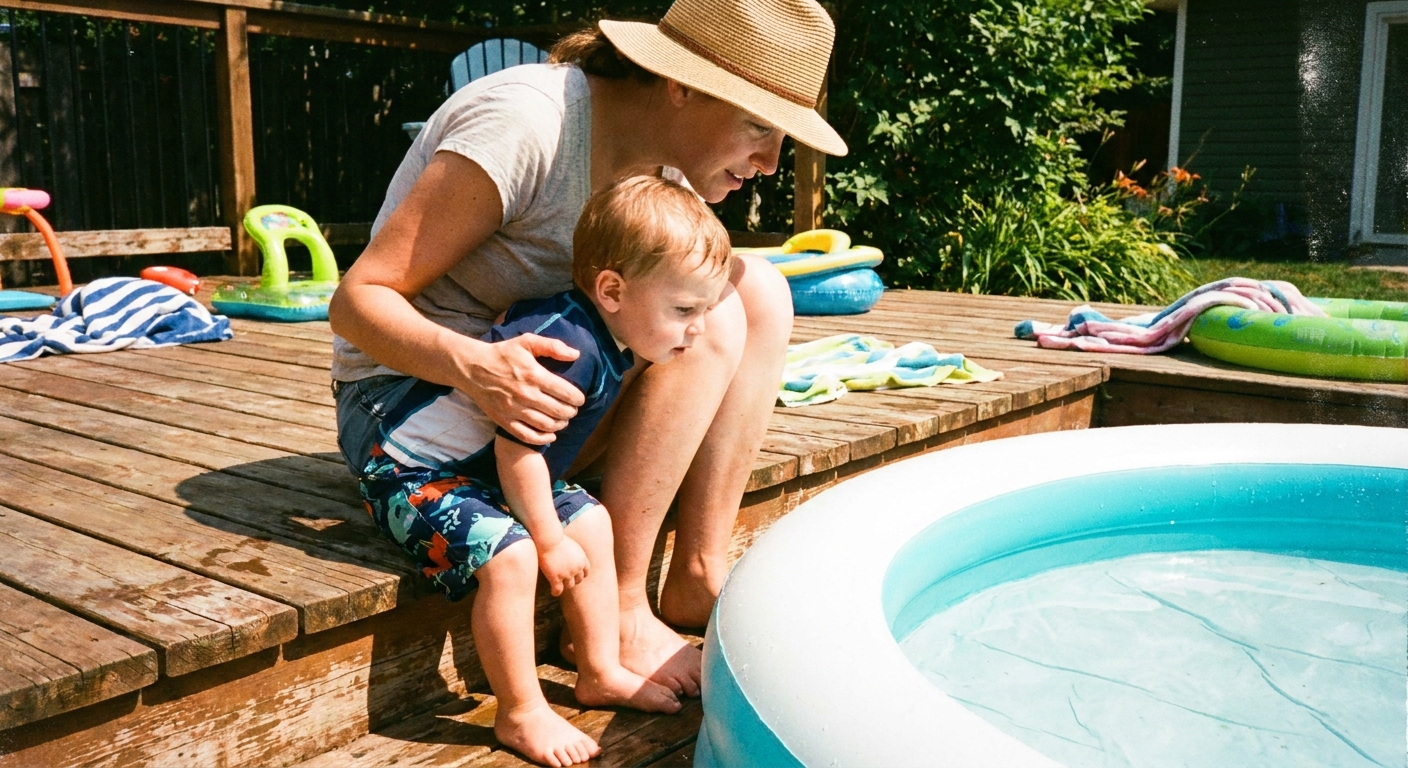
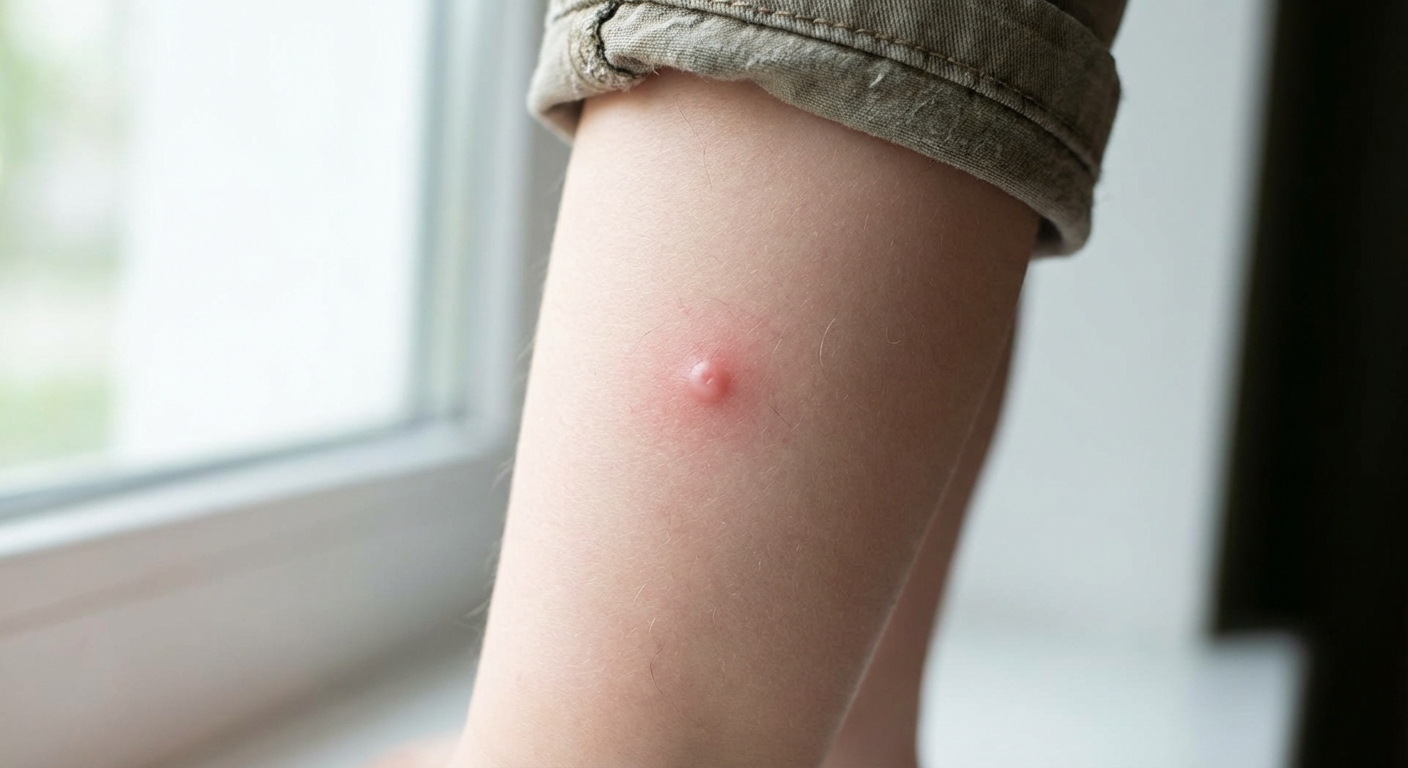
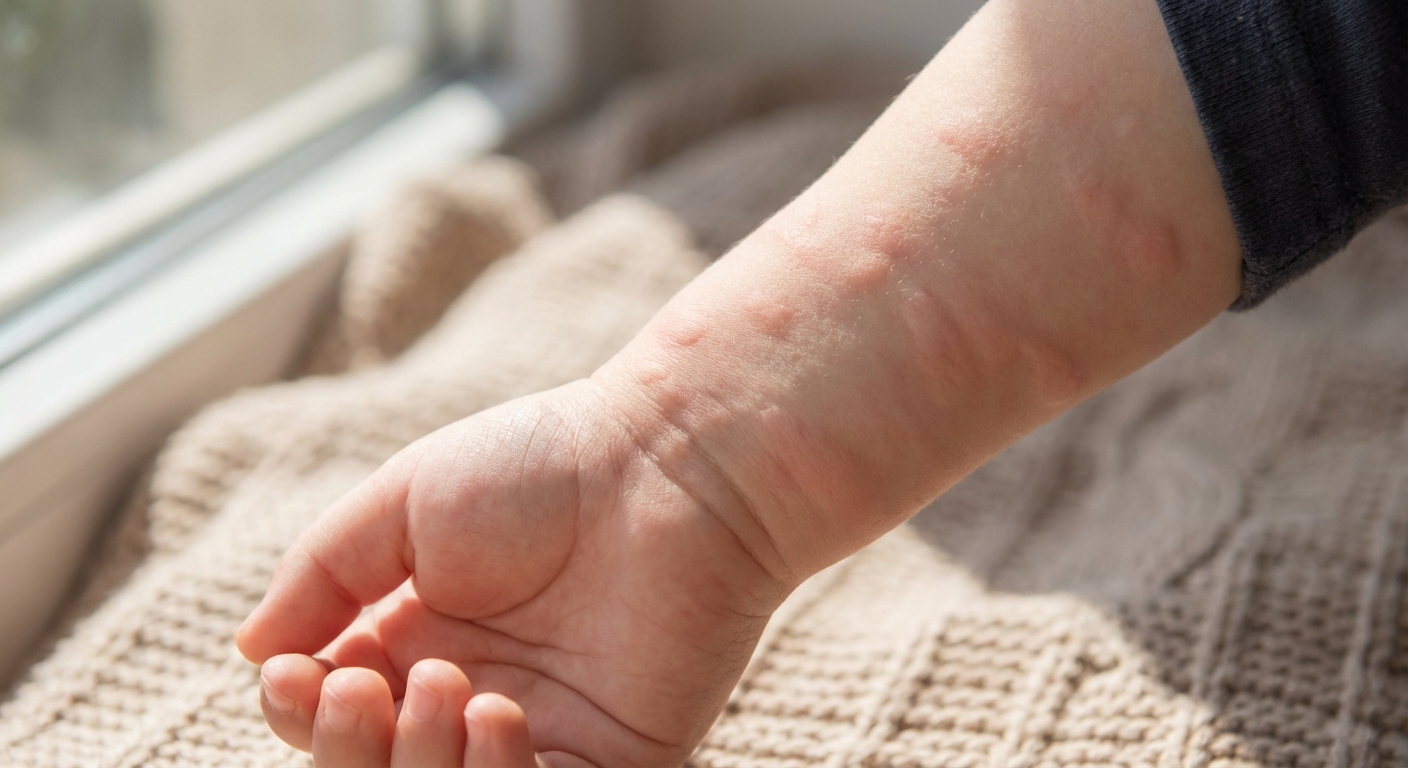
If your child pops up with itchy welts after jumping in a cold pool, running outside on a windy day, or holding an ice pop, you are not imagining it. There is a specific type of hives called cold urticaria where skin reacts to cold exposure.
Most hives in kids are still caused by everyday viral illnesses and clear up on their own. The reason cold urticaria deserves its own little spotlight is that water activities and sudden whole-body cold exposure can carry a higher safety risk than “routine” hives.
What it is
Cold urticaria means hives are triggered by cold temperatures. This can include:
- Swimming in a chilly pool, lake, or ocean
- Cold wind on the face and ears
- Holding ice, ice packs, or frozen foods
- Cold drinks touching the lips or mouth
- Air conditioning blowing directly on damp skin
It is different from hives that happen during a cold (viral illness). This is about temperature exposure, not catching a cold.
Cold urticaria can be short-lived and mild, or it can be more significant. Many kids mainly get itchy welts on exposed skin. A smaller group can have more widespread symptoms with bigger exposures.
One reassuring, practical note: cold urticaria is often idiopathic (meaning we never find a single clear cause). Sometimes it follows an infection, and rarely it can be associated with other medical conditions. If your child’s clinician recommends a deeper evaluation, it is usually to make sure nothing is being missed, not because something serious is expected.
Cold hives vs viral hives
The most helpful question is simple: Does the timing match cold exposure?
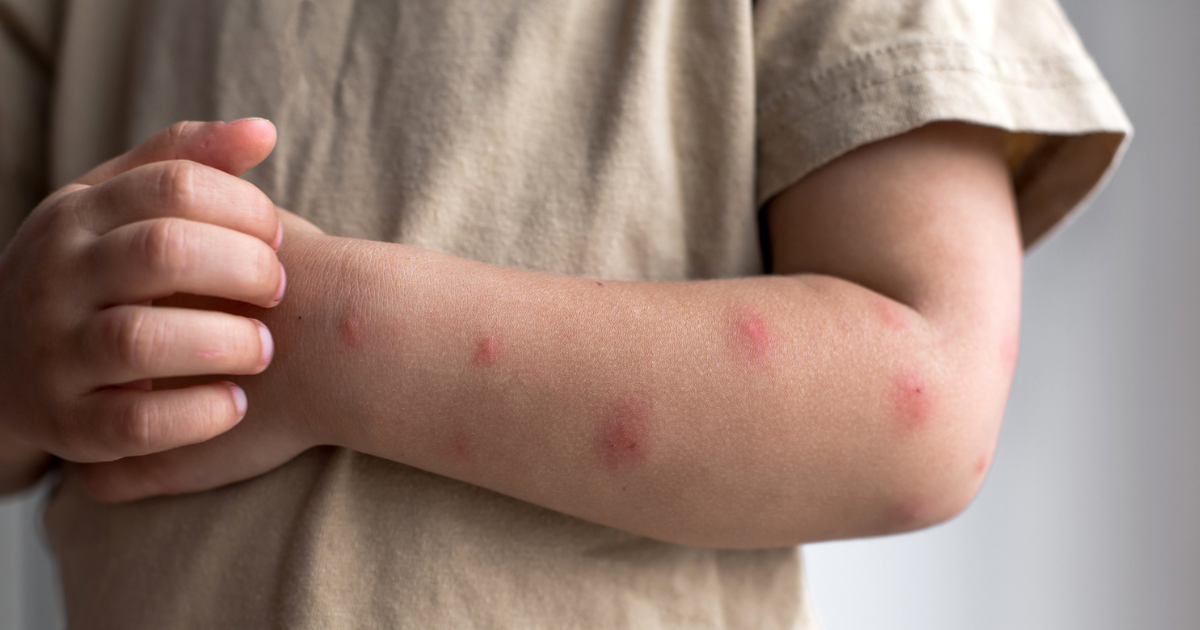
Cold urticaria often looks like this
- Hives show up within minutes of cold exposure, or after rewarming (sometimes the reaction is most obvious as skin warms up)
- Hives cluster on exposed areas like cheeks, hands, legs, or wherever cold water touched
- The reaction is repeatable, meaning it happens again with a similar cold trigger
- Swelling can happen too, especially on hands, lips, eyelids, or after cold foods
Viral hives more commonly look like this
- Hives come and go over hours to days with no consistent trigger
- They may move around the body and appear “random”
- Your child may have other signs of a virus like runny nose, cough, fever, or diarrhea
- Episodes often resolve within several days, but they can last longer (sometimes up to a couple weeks) and still be viral
Important note: sometimes kids can have both. A mild virus can make skin extra reactive, and then cold exposure becomes the obvious spark.
The ice cube clue
Clinicians often talk about an “ice cube test” because it is a classic clue for cold urticaria.
Here is what that means in real life: if a cold trigger is the cause, a small patch of skin exposed to something cold may develop a hive right in that spot, often most noticeable within minutes after rewarming.
Please do not test this at home
I know it is tempting. Parents are practical and you want a clear answer. But here is the issue: even if your child usually only gets a few hives, deliberate cold exposure can trigger a bigger reaction. When testing is needed, it is typically done in a standardized way in clinic under medical guidance.
If you suspect cold urticaria, it is better to:
- Take clear photos of the rash
- Write down what happened right before it started (pool, wind, popsicle, etc.)
- Call your child’s clinician and ask whether an allergy referral makes sense
Why swimming matters
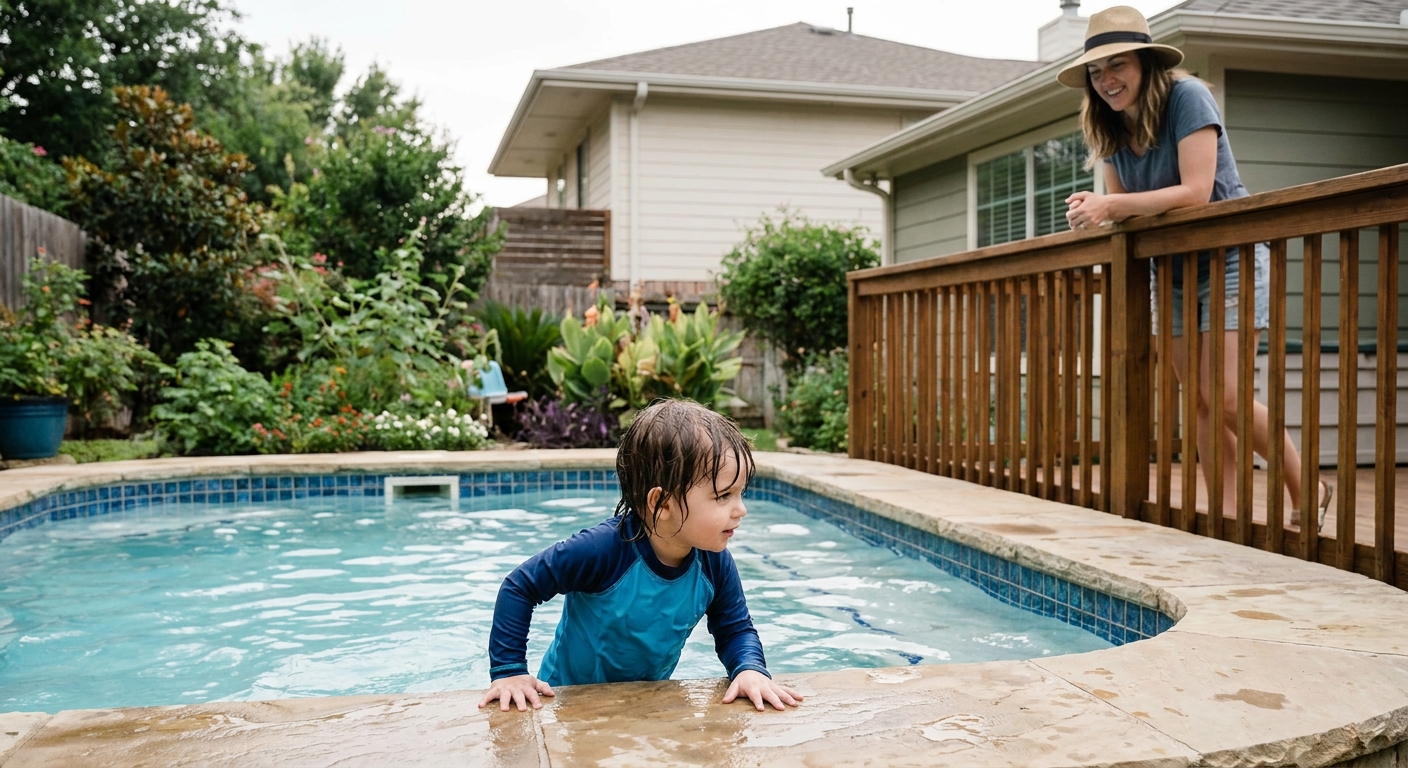
Swimming is the big one because it can combine three things at once: cold + large skin exposure + sudden temperature change.
Most kids with cold urticaria will only get hives and itching. But a small number can develop more serious symptoms, including:
- Widespread hives
- Facial or lip swelling
- Cough, wheeze, or throat tightness
- Dizziness, fainting, or looking pale, limp, or unusually weak
Those symptoms can be part of anaphylaxis, which is a medical emergency. Anaphylaxis is diagnosed by a pattern of symptoms (clinicians use specific criteria), and skin symptoms are not required. If your gut says your child is not okay, treat it as urgent.
Swimming safety
- Do not allow solo swimming. Use direct adult supervision within arm’s reach.
- Avoid sudden jumps into cold water. Ease in slowly and watch for early signs.
- Skip very cold water days (lakes in early summer, ocean on windy days, unheated pools).
- Warm up quickly if hives start: towel off, dry clothing, warm environment.
- Ask your clinician if your child should carry an epinephrine auto-injector, especially if there has been any breathing trouble, fainting, vomiting with hives, or whole-body reactions.

Other triggers
- Cold weather: wind on cheeks and ears, especially with damp skin
- Winter sports: sledding, skiing, ice skating, snow play
- Cold foods and drinks: ice cream, smoothies, popsicles, iced water
- Ice packs: on injuries or after dental work
- Cold rooms: strong air conditioning, sitting under a vent
If cold foods trigger lip or tongue swelling, bring that up specifically with your child’s clinician. Reactions around the mouth can feel scary and are a helpful diagnostic clue.
What to do
If your child is stable and only has hives or itching, these steps are typically helpful:
- Get them warm: dry off, change clothes, move to a warmer area.
- Try a non-drowsy antihistamine if your clinician has said it is ok for your child (common options include cetirizine or loratadine).
- Avoid rubbing or scratching (especially with heat). Lukewarm showers and gentle moisturizer can soothe skin.
- Watch closely for escalation for at least the next hour, especially after water exposure.
If cold-triggered hives keep happening, do not just “power through it.” Many clinicians manage cold urticaria with a plan that may include daily non-drowsy antihistamines for prevention, with dosing guided by your child’s clinician.
Emergency signs
Call emergency services or go to the ER right away if your child has any of the following after cold exposure:
- Trouble breathing, wheezing, repetitive coughing, or noisy breathing
- Throat tightness, hoarse voice, drooling, or trouble swallowing
- Swelling of the lips, tongue, or face that is spreading
- Dizziness, fainting, confusion, or extreme sleepiness
- Blue or gray lips, or your child looks suddenly very unwell
- Widespread hives plus vomiting or severe belly pain
If your child has been prescribed epinephrine and meets the criteria you were taught, use it first and then call emergency services. Epinephrine is time-sensitive, and waiting to “see if it passes” is the mistake we most want parents to avoid.
When to get evaluated
It is reasonable to ask for an allergy or dermatology evaluation when:
- Hives are clearly triggered by cold exposure more than once
- Reactions are affecting swimming, outdoor play, school, or sports
- There is any history of systemic symptoms (fainting, breathing symptoms, vomiting with hives)
- Your child needs frequent antihistamines to prevent symptoms
- You want guidance on whether epinephrine is recommended
At the visit, the clinician will usually review the story carefully, consider in-office testing when appropriate, and help you build a practical avoidance and treatment plan for your child’s specific triggers.
If symptoms do not clearly line up with cold exposure, or if there are fevers, joint swelling, recurrent severe belly pain, or repeated episodes that seem “bigger than hives,” bring that up. Sometimes other conditions can mimic or overlap with hives, and your clinician can help sort it out.
FAQ
Is this a “true allergy” to cold?
Not in the way we think of peanut or pollen allergy. It is more like the immune system is overreacting to temperature change. The end result can still be serious, which is why we treat it with respect.
Will my child outgrow it?
Some children do improve over time, but the timeline is variable. Some cases last for years. Your clinician can guide follow-up and whether preventive antihistamines or carrying epinephrine makes sense.
Can my child still swim?
Many kids can, with a plan. The safest approach depends on your child’s reaction history and the water conditions. This is one of the best reasons to get an allergy evaluation so you are not guessing.
A calm next step
If your child gets hives after cold water, cold weather, or ice, take a breath. Most cases are manageable, and you did the right thing by looking for a clear answer instead of spiraling through scary internet rabbit holes.
Snap a photo, note the trigger and timing, and talk with your child’s clinician about whether cold urticaria fits. With the right precautions, kids can usually keep being kids, even if we have to be a little more thoughtful about pools and popsicles.
Sarah Mitchell
Sarah Mitchell is a Registered Pediatric Nurse and a mother of three who has spent over a decade helping families navigate the beautiful, chaotic early years of childhood. She combines evidence-based medical knowledge with real-world parenting experience to offer practical, compassionate advice. At Awesome Parent, Sarah's mission is to help exhausted parents find solutions, trust their instincts, and finally get some sleep.