A calm, nurse-backed guide to head bumps: concussion signs, warning symptoms like repeated vomiting or unequal pupils, when to call 911 vs. go to the ER, plu...
Concussion in Toddlers and Young Kids: Signs After a Bump or Fall

Sarah Mitchell
Sarah Mitchell is a Registered Pediatric Nurse and a mother of three who has spent over a decade helping families navigate the beautiful, chaotic early years of childhood. She combines evidence-based medical knowledge with real-world parenting experience to offer practical, compassionate advice. At Awesome Parent, Sarah's mission is to help exhausted parents find solutions, trust their instincts, and finally get some sleep.
Kids bonk their heads. A lot. If you are reading this late at night with one hand on your child’s forehead and the other refreshing Google, take a breath. Most head bumps in toddlers and young kids are minor and get better with simple home care. A concussion is different, but it is also very manageable when you know what to watch for and when to get help.
I am going to walk you through what concussion symptoms can look like at different ages, what matters most in the first 24 to 48 hours, and the clear red flags that mean: do not wait.
Concussion vs. a minor bump
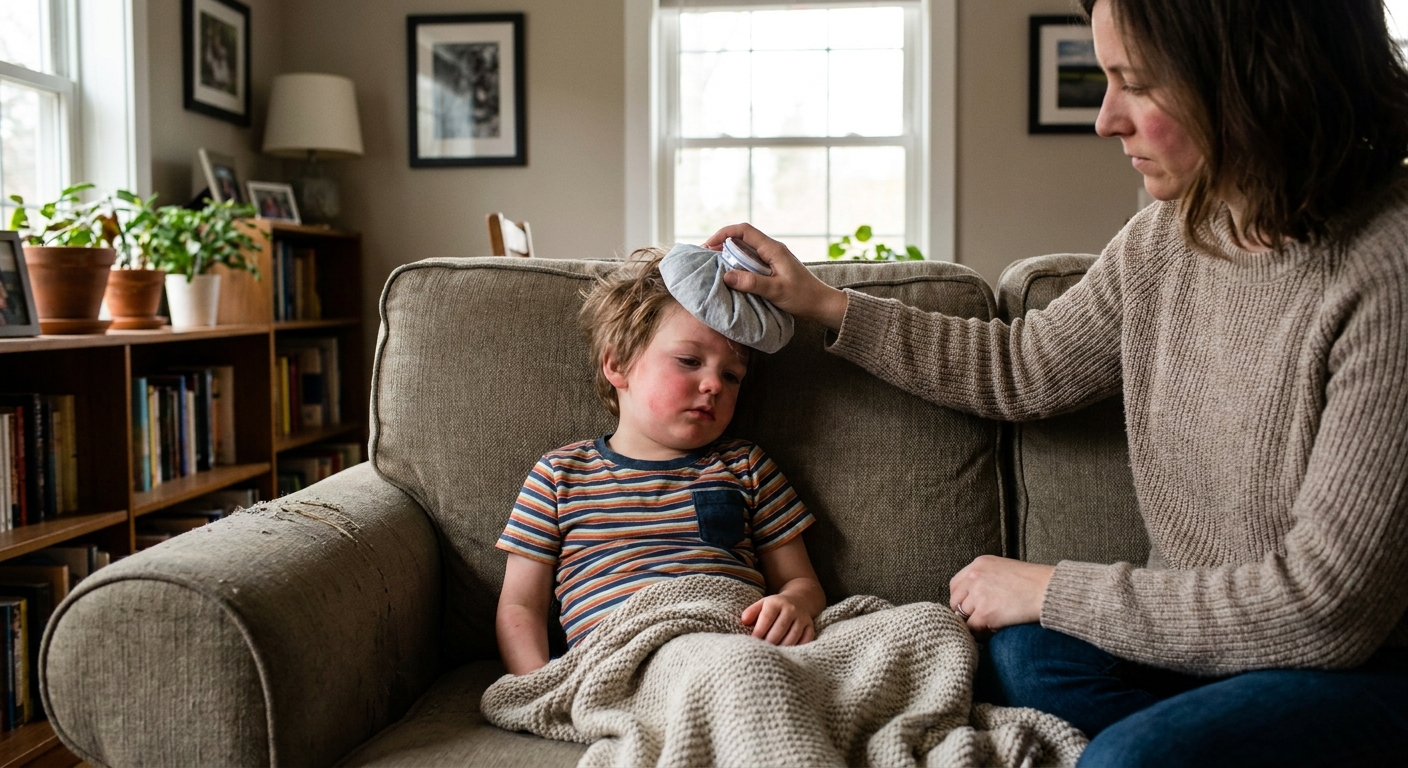
A minor bump usually means a brief cry, a forehead goose egg, and then your child goes back to playing, acting like themselves. They may be a little tired or cranky, but overall you can recognize your kid.
A concussion is a type of brain injury caused by a blow or jolt to the head or body that makes the brain move inside the skull. It does not require a loss of consciousness. Symptoms can be subtle, especially in toddlers, because they cannot always explain what they feel.
What makes me more suspicious?
- They are not acting like themselves after they have calmed down (think beyond the first 10 to 20 minutes)
- They seem confused, unusually sleepy, very irritable, or “off”
- They have symptoms like vomiting, headache, dizziness, balance problems, or light sensitivity
- Sleep, mood, or appetite is noticeably different after the injury
Symptoms by age
Concussion symptoms can show up right away, or they can creep in over several hours. Younger kids often show behavior changes more than they describe symptoms.
Babies and young toddlers (0 to 2 years)
At this age, you are watching for changes in behavior and body cues.
- Inconsolable crying or unusual fussiness
- Refusing to eat or nurse, or repeated gagging or spitting up more than usual
- Vomiting, especially if it repeats
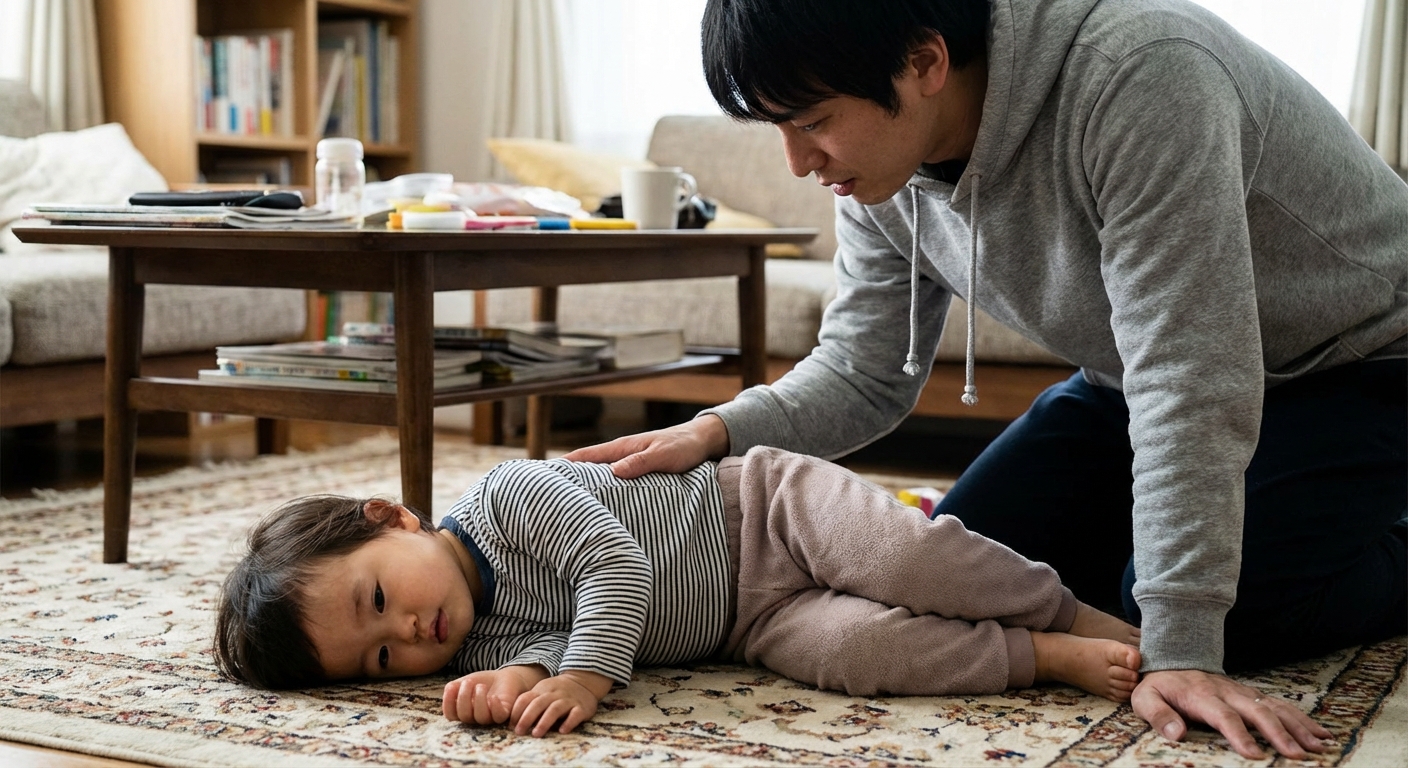
- More sleepy than usual, hard to wake, or unusually low energy
- Loss of interest in toys or people
- Unsteady sitting, crawling, or walking compared to their baseline
- Staring spells, abnormal eye movements, or seizures
- Soft spot (fontanelle) bulging in an infant
Toddlers (2 to 4 years)
Toddlers can sometimes tell you “head hurts,” but a lot of the clues are still behavioral.
- New clumsiness, stumbling, or trouble walking normally
- More tantrums than usual, agitation, or unusually intense meltdowns
- Not wanting to play, seeming “zoned out,” or less interactive
- Headache, head pressure, or holding or rubbing their head
- Nausea or vomiting
- Sleep changes: hard to fall asleep, waking more, or wanting to sleep constantly
- Light or noise bothering them (covering eyes or ears, hiding)
Preschool and early school-age (4 to 8 years)
Older kids can usually describe symptoms more clearly.
- Headache, dizziness, nausea
- Blurred vision or “seeing double”
- Balance problems
- Confusion, trouble remembering what happened
- Feeling slowed down or “not right”
- Difficulty concentrating, more emotional, easily frustrated
- Worse symptoms with screens, reading, noisy environments, or running around
First 24 to 48 hours
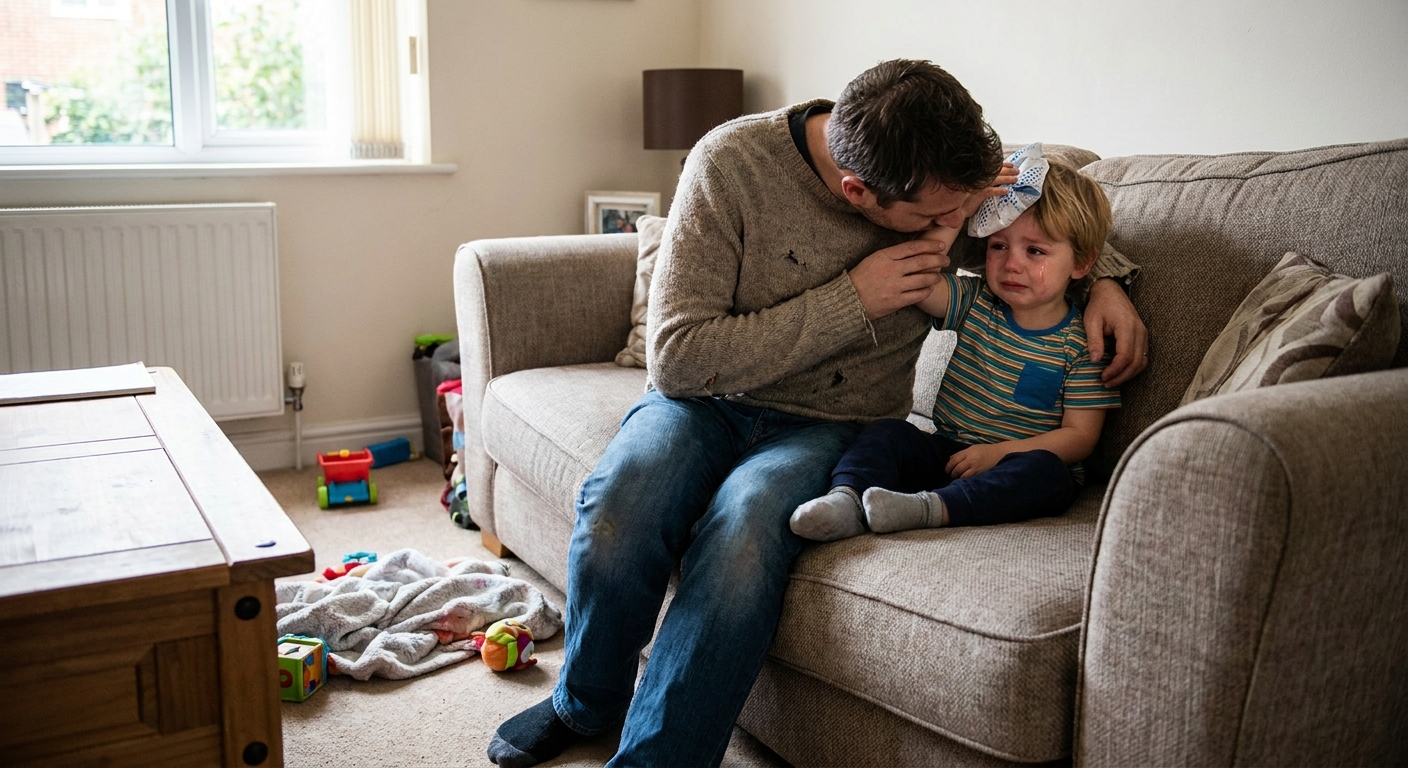
Most serious complications from head injuries show up in the first several hours to 24 hours. Rarely, symptoms can worsen later. If anything changes in a way that worries you, get checked even if the bump was yesterday.
The first few hours
- Did they recover from the initial shock and return closer to baseline?
- Are they walking and using their arms and legs normally for them?
- Are they able to talk, make eye contact, and respond normally for their age?
- Do symptoms get worse instead of better?
Overnight: can they sleep?
Yes. Sleep is healing. If your child is otherwise stable and you have no red flags (see below), it is okay to let them sleep.
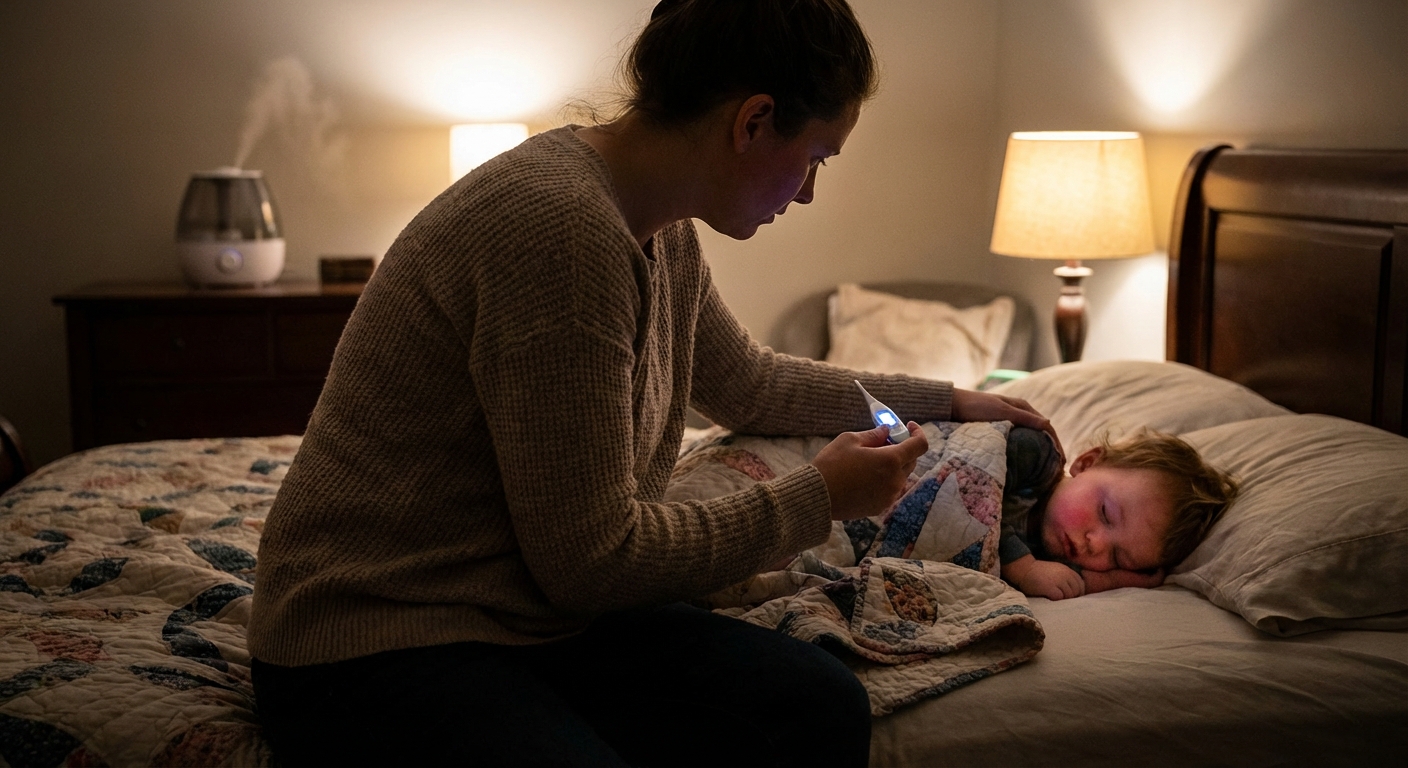
What I usually recommend as a triage nurse is a quick check-in once or twice during the first night: make sure you can rouse them enough to recognize you, respond, or fuss normally. You do not need to keep them fully awake.
The next day
Some kids look fine the day of the bump and feel worse the next day. Watch for:
- Headache that is getting worse
- New nausea or vomiting, or vomiting that repeats
- More sensitivity to light or sound
- Big mood changes, irritability, or tearfulness
- Trouble focusing, more accidents, or clumsiness
- Symptoms that flare with activity, screens, or rough play
Red flags: ER now
Trust your gut. If something feels truly wrong, it is always appropriate to get urgent care. Go to the ER or call emergency services right away if your child has any of the following after a head injury:
- Loss of consciousness, even briefly
- Seizure, shaking episode, or unresponsive staring that is not normal for them
- Repeated vomiting or vomiting that continues
- Severe or worsening headache
- Increasing confusion, agitation, or behavior that is very abnormal
- Hard to wake, extremely sleepy, or you cannot keep them awake long enough to respond
- Weakness, numbness, trouble walking, or obvious new clumsiness
- Slurred speech or trouble speaking (in a child who normally speaks clearly)
- Unequal pupil size or new vision changes
- Blood or clear fluid leaking from the nose or ears
- A deep cut that may need stitches, or the skull looks dented
- Neck pain with limited movement after a significant fall or crash
- A high-risk mechanism: fall from significant height, car crash, being struck by a fast object, or suspected abuse
If your child is under 2 years old and you are unsure, I lean toward calling your pediatrician or nurse line even for “maybe” symptoms. Little ones can be harder to assess, and you deserve backup.
Extra note for infants and young toddlers with head bumps: a scalp “goose egg” can be normal, but in kids under 2, bumps that are large, growing, very tender, or located on the side or back of the head (not the forehead) deserve a lower threshold to call your clinician for guidance.
When to call your pediatrician
Call your pediatrician the same day or within 24 hours if:
- You suspect a concussion based on symptoms, even if there are no ER red flags
- Symptoms are mild but not improving after 24 hours
- Your child has a history of previous concussions
- Your child has a bleeding disorder, is on blood thinners, or has a neurologic condition
- You need a school or daycare plan for rest and return to activity
A quick script
“My child hit their head at (time). They did or did not lose consciousness. Since then they have had (vomiting, headache, sleepiness, behavior changes). Right now they are (acting normal, irritable, sleeping but waking easily). I am worried about a concussion and want to know if they should be seen today.”
Do they need a CT scan?
No. Most children with a suspected concussion do not need imaging.
A CT scan is used to look for bleeding or a skull fracture, not to “prove” a concussion. Many concussions have a normal CT. Because CT uses radiation, clinicians weigh the benefits carefully, especially in young children.
When imaging is more likely
Doctors may consider a CT scan or hospital observation when there are red flags such as:
- Loss of consciousness
- Repeated vomiting
- Worsening headache or neurologic changes
- Abnormal mental status or persistent confusion
- Signs of skull fracture
- High-impact injury
If your clinician recommends observation instead of a CT, it does not mean they are brushing you off. It often means your child is in a lower-risk group and can be monitored safely without extra radiation exposure.
Home care
Step 1: Relative rest (24 to 48 hours)
Think “calm and easy,” not “bed prison.” The goal is to avoid symptom spikes.
- Skip rough play, climbing, bikes, scooters, trampolines, sports, and playground situations where falls are likely
- Keep lights and noise comfortable if your child seems sensitive
- Limit screens if they worsen symptoms (many kids get a headache quickly)
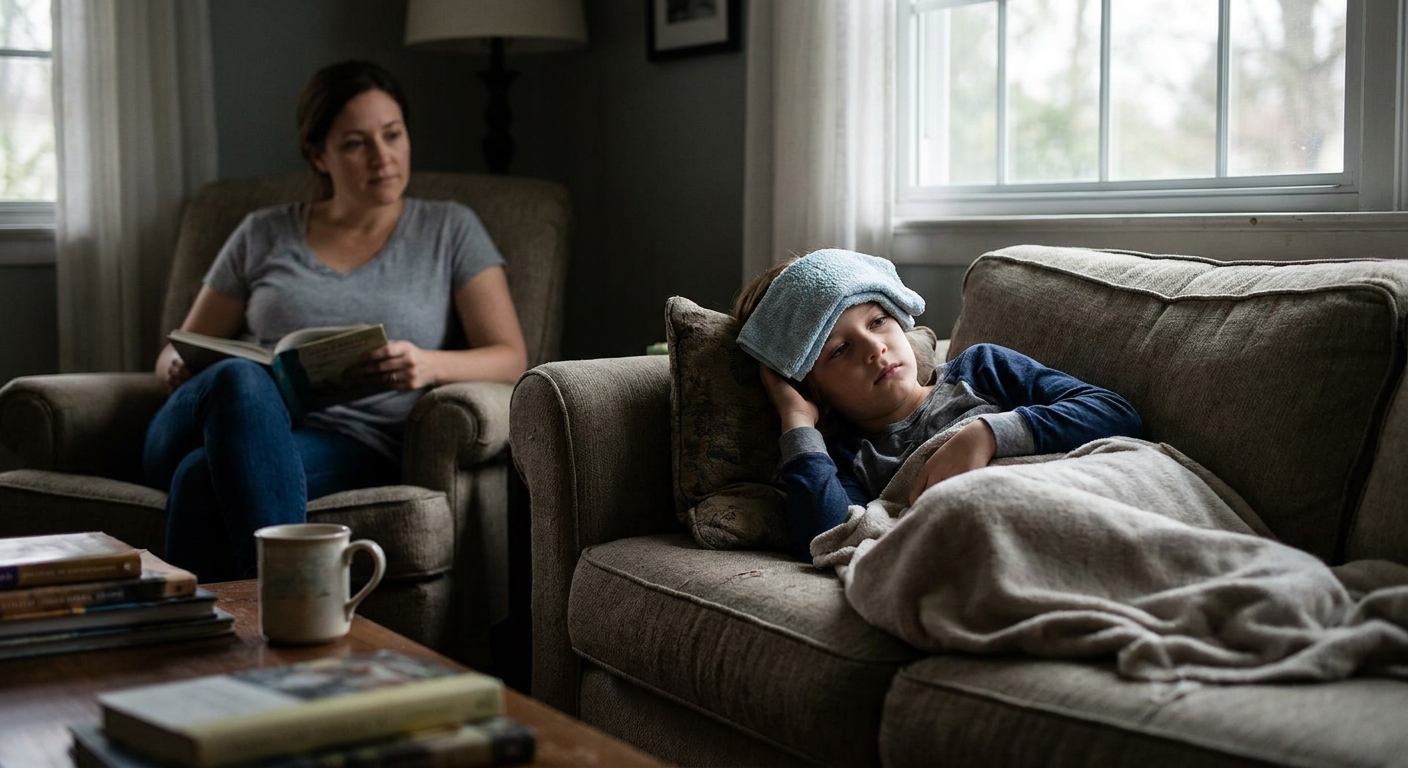
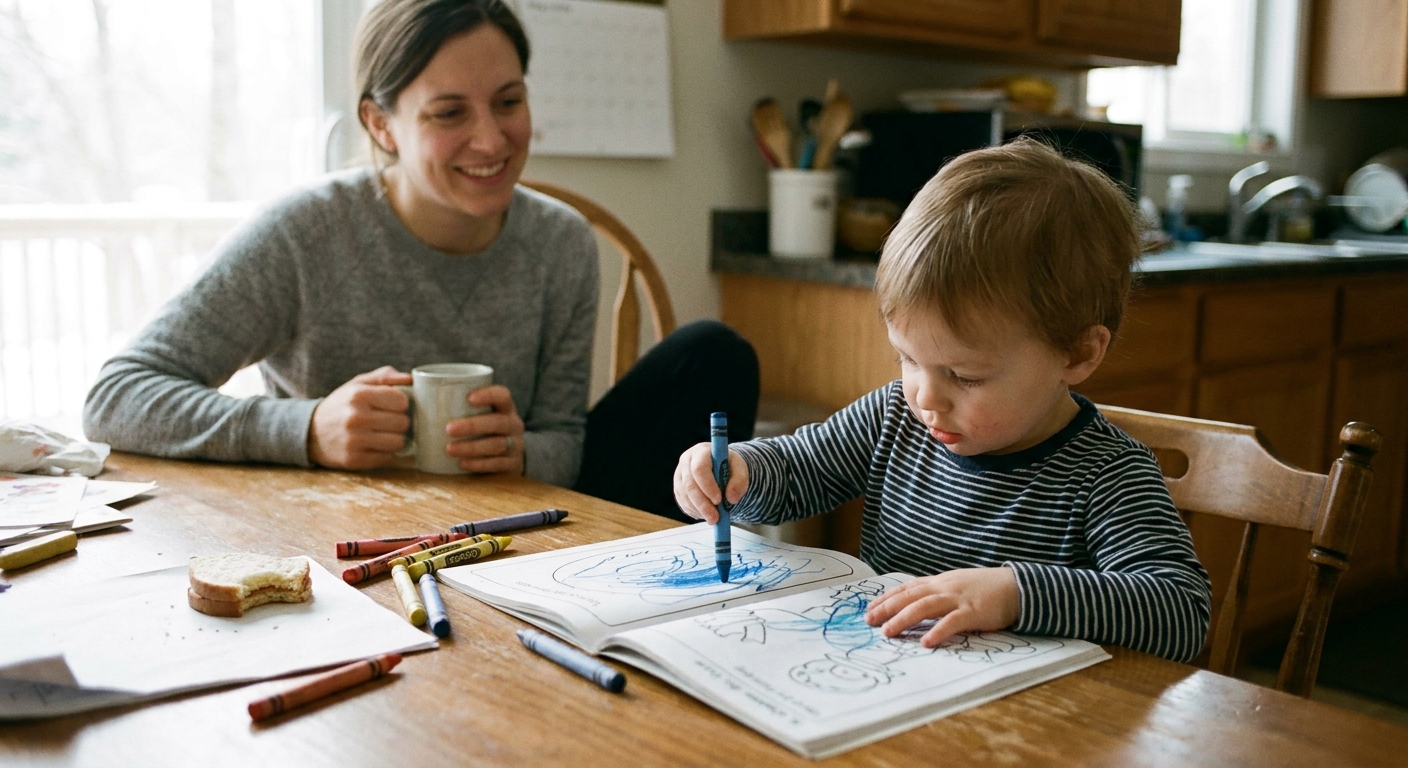
- Offer quiet activities: coloring, books, simple puzzles, pretend play on the floor
Step 2: Fluids, food, and pain relief
- Offer small, frequent fluids. Dehydration can make headaches worse.
- Food is “as tolerated.” Simple snacks are fine.
- Ask your pediatrician which pain medication is best for your child. Many clinicians start with acetaminophen in the first 24 hours because ibuprofen and other NSAIDs can, in theory, increase bleeding risk if there is an unrecognized bleed. The evidence and recommendations vary, so it is completely appropriate to ask if and when ibuprofen is okay.
- If you need pain medicine around-the-clock, symptoms keep breaking through it, or things are trending worse, call your pediatrician.
Step 3: Watch the trend
It is common to have mild headache, fatigue, or crankiness. What we do not like is a pattern in the wrong direction.
Return to school and play
With concussions, too much too soon tends to backfire. The safest path is gradual, with symptom-guided steps.
Same day rule
If you suspect a concussion, no sports or rough play the same day. Even if your child says they feel fine, their reaction time and balance may not be back to normal yet.
Back to daycare or school
Many kids can return within 1 to 3 days, sometimes sooner, if symptoms are mild and improving. Ask for temporary supports:
- Extra breaks and quiet time
- Shortened day if needed
- Reduced screen-based learning if it worsens symptoms
- Snack and water access
- Avoid high-risk activities (climbing, fast playground games, contact play) until symptoms are gone and you have guidance from your clinician or your school or sports policy requires clearance
Back to physical activity
A common approach is:
- Rest and calm play until symptoms are improving
- Light activity like short walks if symptoms do not worsen
- More active play still avoiding falls and contact
- Full play only after your child is symptom-free and cleared when required by school or sports policies
Why we are careful
Here is the simple version: a second hit before the brain has healed can cause worse symptoms and a longer recovery. That is why “no climbing” is so hard and so important for a bit.
One more practical tip from a mom: even when your kid “feels fine,” coordination and impulse control can lag. Plan for extra supervision around stairs, furniture, and playground equipment.
How long symptoms last
Many children start improving within a few days. Some have symptoms that last longer, especially if they return to full activity too quickly, have had prior concussions, or have migraines, ADHD, learning differences, or anxiety.
Follow up with your pediatrician if symptoms are not clearly improving within 7 to 10 days, or sooner if you are worried. Persistent symptoms may benefit from a structured return-to-learn plan or referral to a concussion specialist.
FAQ
My toddler has a goose egg. Is that a concussion?
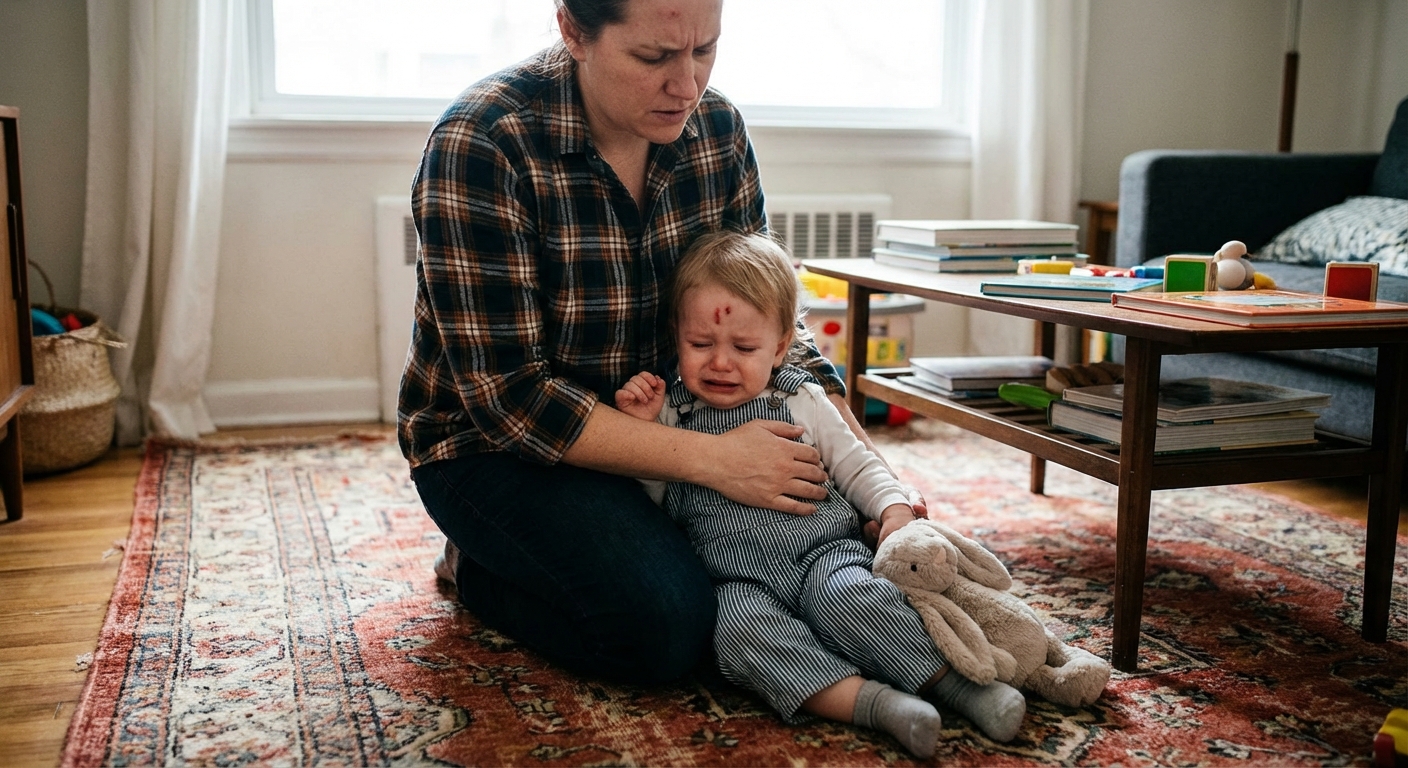
Not necessarily. A forehead bump can look dramatic because there is little tissue there and it swells quickly. What matters more is behavior and symptoms: vomiting that repeats, worsening headache, unusual sleepiness, confusion, balance problems, or “not acting right.”
Should I wake my child every hour?
Usually, no. If your child has no red flags and is waking normally, sleep is okay. A simple check once or twice overnight is reasonable for the first night. If you cannot rouse them enough to respond normally, that is an emergency.
What if my child seemed fine, then vomited once?
A single vomit can happen for lots of reasons, including crying hard, stress, or pain. Vomiting that repeats, continues, or comes with other concerning symptoms should be evaluated urgently.
Can a concussion happen without hitting the head?
Yes. A significant jolt to the body can cause the brain to move inside the skull, like in a car crash or a hard fall onto the body.
Should I check their pupils at home?
You do not need to do pupil checks at home. Pupil size can be tricky to interpret, even for professionals. Focus on what you can reliably track: alertness, behavior, walking and balance, vomiting, headache, and whether symptoms are improving or worsening. If you notice a new obvious difference in their eyes or vision, treat that as a reason to get urgent care.
Save this checklist
Likely minor bump
- Cried briefly, then returned to normal behavior
- No vomiting
- Walking and talking normally for age
- Alert, making eye contact, responding normally
- Symptoms are stable or improving
Possible concussion
- Headache, dizziness, nausea
- More tired, cranky, sensitive to light or noise
- Clumsier than usual
- Symptoms worsen with activity or screens
- No sports or rough play the same day
ER now
- Loss of consciousness, seizure, repeated vomiting
- Worsening headache or confusion
- Hard to wake or very abnormal behavior
- Weakness, trouble walking, slurred speech
- Blood or clear fluid from the nose or ears
One last nurse-mom note
If you are anxious, that is not you being “dramatic.” That is your protective brain doing its job. If your child is acting off and you cannot explain it, call your pediatrician or go in. Peace of mind is a valid reason to get help.
And if you do end up at the ER and everything is fine: that is still a win. The goal is not to be the parent who never worries. The goal is to be the parent who gets their child the right care at the right time.
Sources parents can trust: CDC HEADS UP concussion guidance, American Academy of Pediatrics (AAP) resources, and clinician decision tools such as PECARN (used by many ERs to assess head injuries in children).