COVID-19 in Toddlers and Young Kids: Symptoms, Contagious Period, and Daycare Return

Sarah Mitchell
Sarah Mitchell is a Registered Pediatric Nurse and a mother of three who has spent over a decade helping families navigate the beautiful, chaotic early years of childhood. She combines evidence-based medical knowledge with real-world parenting experience to offer practical, compassionate advice. At Awesome Parent, Sarah's mission is to help exhausted parents find solutions, trust their instincts, and finally get some sleep.
If you are reading this while your toddler is asleep on your chest and you are Googling with one eye open, I see you. COVID-19 in little kids can look a lot like every other daycare virus, and that is exactly why it is so stressful. This page will walk you through what symptoms are common, what the contagious window usually looks like, and how to think about returning to daycare in a way that is practical and kind to your family.
Quick note: This is general guidance, not a substitute for medical care or your daycare or local health rules. Recommendations can also change over time. If you are ever worried about breathing, hydration, or your child just seems “off,” trust that instinct and get checked.

Common COVID-19 symptoms in young kids
In young kids (roughly babies through kindergarten age), COVID-19 symptoms often overlap with colds, flu, RSV, and the endless mystery viruses that circulate in childcare. Some children have very mild illness, and some have a few rough days.
Symptoms you may see
- Fever (sometimes high, sometimes low-grade)
- Cough
- Runny or stuffy nose
- Sore throat (often shows up as refusing foods, drooling more, or saying it hurts)
- Fatigue and extra clinginess
- Headache or body aches (kids may just seem cranky or “not themselves”)
- Decreased appetite
- Nausea, vomiting, or diarrhea (can happen, especially in younger kids)
- Loss of taste or smell (hard to detect in toddlers, but older preschoolers may mention it)
Some kids also get pinkeye-like irritation or a rash, but those are less common and are not specific to COVID-19.
Can COVID-19 look mild?
Yes. Especially in vaccinated kids or kids who have had a prior infection, symptoms may be mild and short. Mild does not mean “not contagious,” though, which matters for daycare decisions.
How long symptoms usually last
Every child is different, but these are patterns I see often as a pediatric nurse and a parent. (And yes, I will always add: if your child’s course is not matching the “typical” timeline, it does not automatically mean something is wrong.)
Typical timeline
- Days 1 to 3: Fever, sore throat, fatigue, and crankiness often peak early. Some kids start with stomach symptoms.
- Days 3 to 5: Fever frequently improves. Cough and congestion may become more noticeable.
- Days 5 to 10: Many kids are clearly on the mend, but cough and runny nose can linger.
- After day 10: A lingering cough or congestion is common with lots of respiratory viruses, including COVID-19, especially if your child has asthma or reactive airways.
If symptoms are getting worse after day 5, your child is newly developing high fevers again after improving, or you are seeing breathing issues or dehydration signs, it is worth a call to your pediatrician.
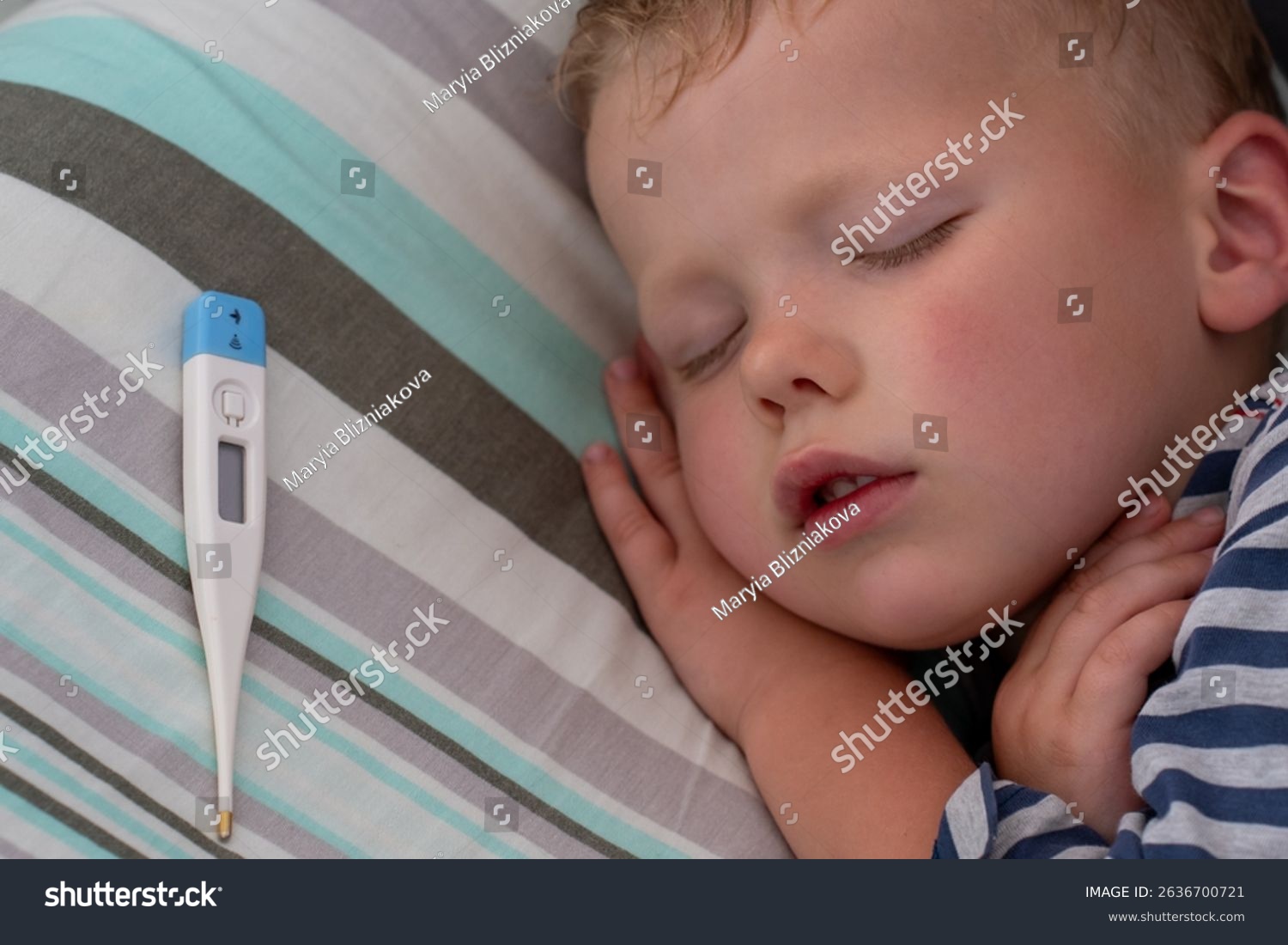
When are kids most contagious?
Here is the helpful but annoying truth: there is no perfect way to time contagiousness at home without repeated testing, and even then it is not exact. Infectiousness can vary by the specific virus variant, prior immunity (vaccination or past infection), and the individual child.
In general, kids tend to be most contagious around the day symptoms start and the next few days after, and some spread can happen before symptoms show up.
A practical contagious window
- Highest risk: often around days 1 to 4 of symptoms (and the day or two before symptoms, if you are looking backward).
- Still possible to spread: often days 5 to 10, especially if the child still has fever, is coughing frequently, or has lots of runny nose and sneezing.
- After day 10: risk is usually lower for most kids, but some can remain contagious longer, particularly if they are immunocompromised.
Does a negative test mean “not contagious”?
A negative rapid antigen test can be reassuring, but it is not a magic force field. A positive antigen test often lines up with higher contagiousness.
If you are using tests to guide daycare return, some families choose an extra-cautious, risk-reduction approach: improving symptoms plus two negative antigen tests on two days in a row, taken about 24 hours apart, when tests are available. This is optional and not a universal “test-to-return” rule, so always follow your daycare policy and local guidance.
Isolation and masking with toddlers
In a perfect world, sick kids would stay in one room, wear a mask, and not share snacks with siblings. In the real world, toddlers are tiny chaos librarians who specialize in distributing germs and demanding hugs.
If your child cannot mask
That is normal. Focus on the big levers that actually move the needle:
- Ventilation: open windows when possible, run a HEPA air purifier if you have one.
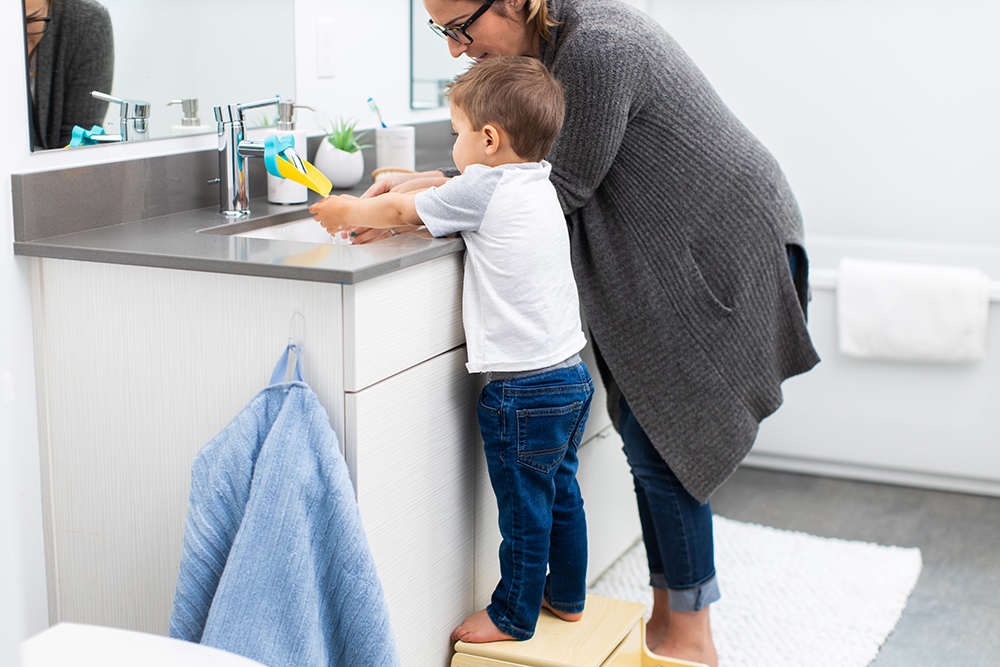
- Hand hygiene: wash hands after wiping noses, before meals, and after bathroom trips. For toddlers, sing one short song and call it good.
- High-touch surfaces: wipe doorknobs, faucet handles, and tablets once daily during the worst days.
- Separate cups and utensils: this is one of the easiest wins.
- Adult masking: if you are trying to protect a newborn, a medically fragile family member, or a grandparent, it often works better for the adult to mask than for the toddler to do it consistently.
If your child can mask sometimes
For many preschoolers, masking is possible in short bursts. Think of it like shoes: you can encourage it when leaving the house or when close to others, but you do not need to turn it into a battle during illness.
Daycare return basics
Daycare policies vary, and local recommendations can change. When in doubt, follow your childcare center’s rules, your pediatrician’s advice, and current CDC or local public health guidance.
In many places, the general idea is: stay home while your child is not improving and until they have been fever-free for at least 24 hours without fever-reducing medicine. After returning, consider a few days of extra precautions when you can (for example: skip visits with high-risk relatives, choose outdoor playdates, and be picky about crowded indoor activities). With toddlers, “extra precautions” is often more about adult choices than toddler behavior.
A simple return-to-daycare checklist
Consider your child ready to return when:
- Fever is gone for at least 24 hours without fever-reducing medicine (no acetaminophen or ibuprofen “just to get through the morning”).
- Symptoms are improving overall (a lingering runny nose is common, but they should be trending better).
- Your child can participate in normal activities without needing one-on-one care all day.
- Vomiting and diarrhea have stopped based on your daycare’s policy (many use 24 hours without vomiting; diarrhea rules vary).
What about the cough that will not quit?
A cough can linger even when contagiousness is dropping. Many daycares allow return if fever is gone and the child is improving, even with a residual cough. What matters most is whether the cough is frequent, worsening, or causing breathing trouble.
When testing fits in
If your daycare requests a test, follow their guidance. If they do not, you can still use rapid antigen tests at home as an optional way to reduce the odds of returning while highly contagious, especially in the first week.
Parent-to-parent honesty: if your child is so congested that they cannot sleep, eat, or go 10 minutes without a coughing fit, daycare is going to call you. Save yourself the trip.
When to seek medical care
Most kids recover at home with rest, fluids, and comfort care. But breathing issues and dehydration are the two big reasons I want parents to move from “watch and wait” to “call now.”
Get urgent care now or call emergency services if you see
- Struggling to breathe, breathing very fast, or working hard to breathe (you may see ribs pulling in, nostrils flaring, belly breathing, or grunting)
- Lips or face turning bluish or gray
- Pauses in breathing or your child is hard to wake
- Severe chest pain
- Signs of severe dehydration (very dry mouth, no tears when crying, no pee for 8 to 12 hours in a toddler, or significantly less urination than usual)
- Seizure
Call your pediatrician the same day if
- Fever lasts more than 3 days, or fever returns after improving
- Your child has ear pain, significant sore throat, or worsening cough
- Your child has asthma or reactive airway disease and needs rescue inhaler more than usual
- Vomiting or diarrhea is persistent and you are struggling to keep fluids down
- Your “parent gut” is waving a big red flag
If your child is under 3 months old with a fever, call your pediatrician right away, regardless of COVID-19.

Home care basics
You do not need a medicine cabinet that looks like a pharmacy. Focus on comfort and hydration.
- Fluids: small, frequent sips. Popsicles count. For vomiting, try 1 to 2 teaspoons every few minutes and slowly increase.
- Fever comfort: acetaminophen or ibuprofen (if age-appropriate) can help your child rest. Use the dose your pediatrician recommends for your child’s weight.
- Congestion relief: saline drops and suction for younger kids, a cool-mist humidifier, and steamy bathroom time for stubborn stuffiness.
- Honey for cough: for children over 1 year old, a small amount of honey can soothe cough at night.
- Rest: extra sleep and quiet play are medicine, too.
Avoid: over-the-counter cough and cold medicines in young kids unless your pediatrician specifically recommends them.
COVID treatments for kids
Most young children do not need COVID-specific medicine and do well with supportive care. That said, some children at higher risk for severe disease may qualify for treatment.
If your child has significant medical conditions (for example: moderate to severe asthma, chronic lung disease, heart disease, immune suppression, complex medical needs) or you have been told they are high-risk, call your pediatrician early, ideally within the first few days of symptoms, and ask whether any COVID-19 treatments are appropriate. Timing matters for the treatments that exist.
After COVID: what to watch for
Most kids bounce back. Still, it is worth knowing what to look for after the acute illness.
Call promptly if new symptoms show up weeks later
A rare but serious condition called MIS-C can happen after COVID-19, usually a few weeks later. Seek medical advice promptly if your child develops a persistent fever plus symptoms like severe belly pain, vomiting or diarrhea, rash, red eyes, unusual sleepiness, or signs of trouble breathing.
Lingering symptoms
If your child has ongoing fatigue, cough, shortness of breath with play, or other symptoms that are not steadily improving over a few weeks, check in with your pediatrician. You are not being dramatic. You are being appropriately annoying in the best parent way.
Protecting siblings and newborns
If you are trying to keep COVID from doing a full household tour, here are the most realistic moves:
- Prioritize the vulnerable: keep the sick child a bit more separate from newborns, grandparents, or immunocompromised family when you can (even if total isolation is impossible).
- Adults carry a lot of the prevention load: adult masking, handwashing, and better ventilation usually work better than trying to get a toddler to follow rules while sick.
- Skip sharing the highest-risk items: cups, utensils, toothbrushes, and bed pillows.
- Consider adult testing: if there is a high-risk person in the home, adults may want to test if they develop symptoms, and use that info to make choices about work, visits, and care duties.
FAQ
Can my child go to daycare if they feel fine but tested positive?
Many centers will ask you to keep them home for a period of time even if symptoms are mild, because a child can still spread the virus. Follow your daycare policy and local guidance. If your center allows return, consider the first few days after symptom onset or a positive test as higher risk for spreading.
What if my child refuses to wear a mask?
Very common. Focus on keeping them home while they are feverish and in the early, most contagious days when possible. When they return, prioritize handwashing and consider having adults mask around them if you are protecting a vulnerable family member.
How do I know if this is COVID-19 or another virus?
You often cannot tell by symptoms alone. Testing is the only way to know for sure. The good news is that home care and red-flag monitoring are very similar for most viral respiratory illnesses.
A final reassuring note
If your child has COVID-19, you are not failing. You are parenting through a virus that is still circulating, especially in group settings. Your job is not to control every germ. Your job is to keep your child safe, comfortable, and hydrated, and to get help when something feels wrong. You have got this, even if you are doing it in yesterday’s sweatshirt.