Dog Bites in Kids: First Aid and When to Call the Doctor

Sarah Mitchell
Sarah Mitchell is a Registered Pediatric Nurse and a mother of three who has spent over a decade helping families navigate the beautiful, chaotic early years of childhood. She combines evidence-based medical knowledge with real-world parenting experience to offer practical, compassionate advice. At Awesome Parent, Sarah's mission is to help exhausted parents find solutions, trust their instincts, and finally get some sleep.
Dog bites are scary, even when they look “small.” As a pediatric nurse and a mom, I can tell you this: most kids do just fine when you clean the wound well, watch closely, and get medical care when it is needed. The tricky part is knowing what counts as “needed” at 11 PM when everyone is rattled.
This guide walks you through what to do in the first 10 minutes, what to watch for over the next few days, and what questions to ask your child’s clinician about stitches, antibiotics, tetanus, and rabies.
Before first aid: Make sure everyone is safe
Before you focus on the wound, separate your child from the dog and secure the dog in another room, on a leash, or with a responsible adult. If your child is crying hard or panicking, slow your voice down and breathe with them. Calm helps you do good first aid.
- If the dog is unknown or loose: do not try to capture it yourself. Note where it went and call animal control.
- If it is a family dog: still treat this as a real injury. Bites can happen even with “good dogs,” especially when a child is close to the face, food, toys, or a sleeping dog.
First aid in the first 10 minutes
1) Check bleeding
If blood is spurting, pooling quickly, or soaking through cloth, treat it as urgent.
- Apply firm pressure with clean gauze or a clean cloth for 10 full minutes without peeking.
- If the bite is on an arm, hand, leg, or foot and you can do it comfortably, raise the injured area above heart level while holding pressure to help slow the bleeding.
- If the cloth soaks through, add another layer on top. Do not remove the first layer.
- If bleeding will not stop with firm pressure, or the bite is on the neck, face with heavy bleeding, or you suspect a deep injury, go to the ER now or call emergency services.
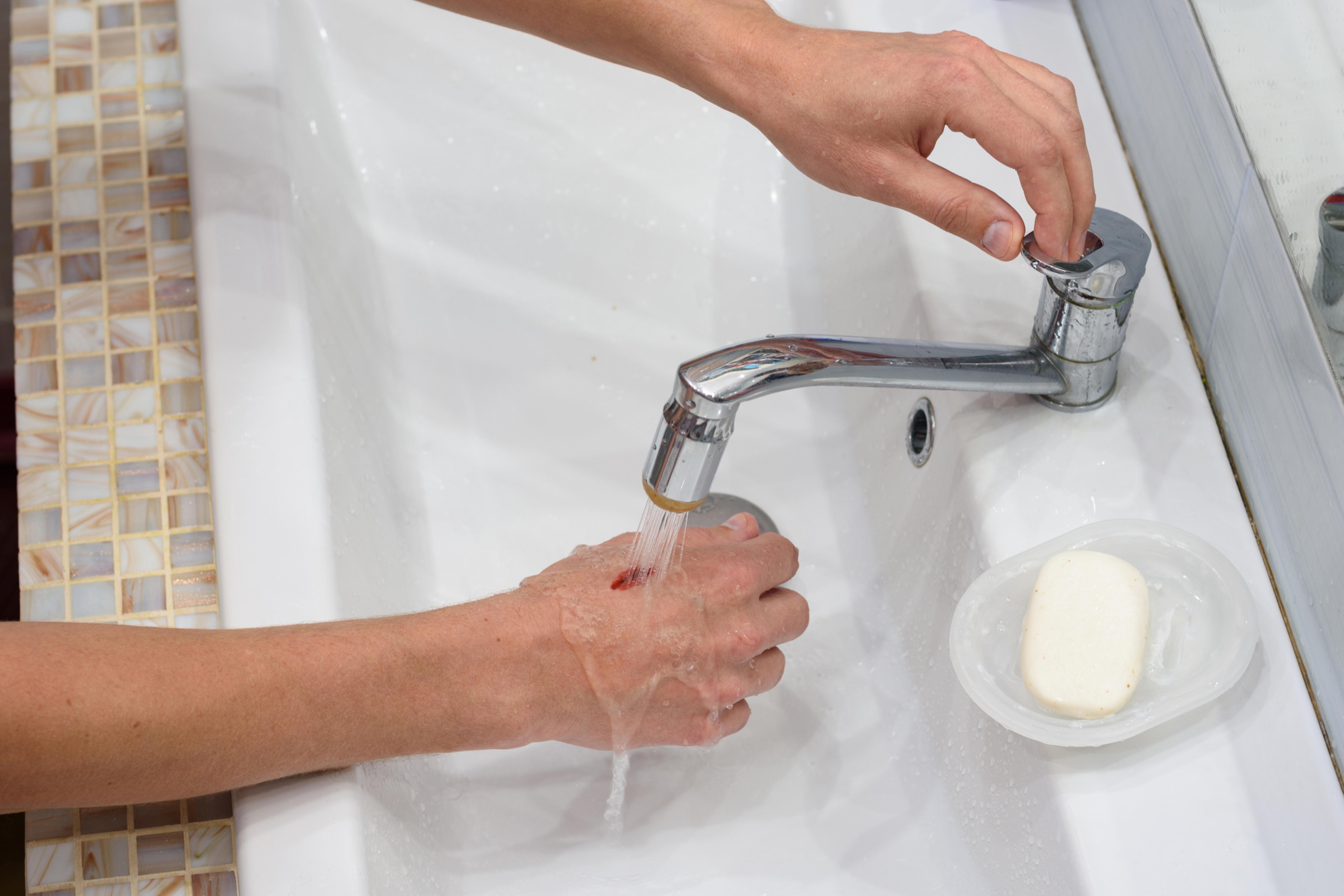
2) Wash the wound well
This is the most important step for preventing infection. Even if you plan to head to urgent care, a good rinse now helps.
- Wash your hands first if you can.
- Rinse the bite under running water for several minutes.
- Use mild soap around and gently on the wound. Avoid scrubbing aggressively.
- Remove visible dirt or hair with clean tweezers if it is easy to do. If not, let the clinic handle it.
3) Apply an appropriate dressing
- Pat dry.
- Apply a thin layer of plain petroleum jelly or an over-the-counter antibiotic ointment if your child is not allergic and the clinician has not told you to avoid it.
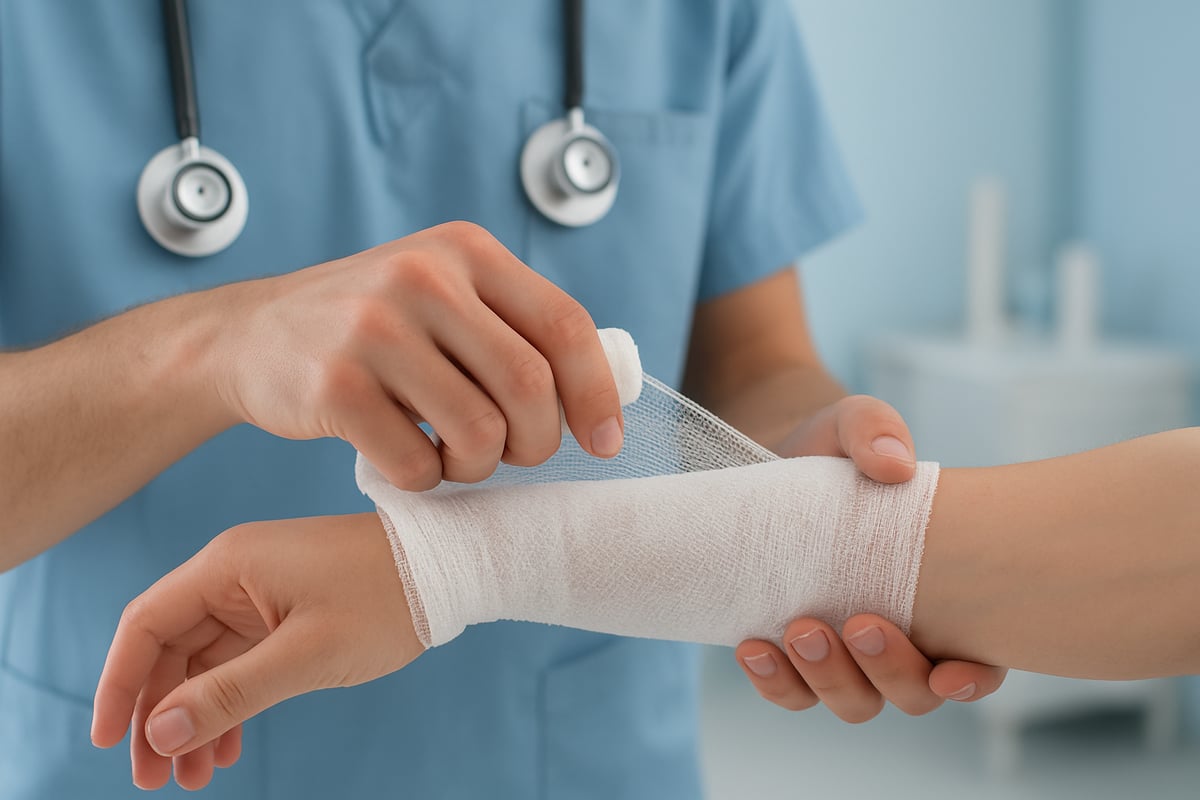
- Cover with a non-stick pad and light wrap.
4) What not to do
- Generally avoid hydrogen peroxide, iodine, or rubbing alcohol inside the wound unless a clinician instructs you to use a specific product. They can irritate tissue and slow healing.
- Do not “seal it up” at home with glue, tight tape, or butterfly closures. Bite wounds, especially punctures, sometimes need to drain and closure decisions should be made by a clinician.
- Do not apply a homemade tourniquet. It can cause serious damage and usually is not needed.
- Do not delay care for facial bites, deep punctures, or hand bites just because the bleeding stopped.
When to get medical care today
Many dog bites should be evaluated the same day, even if they look small. Call your pediatrician, urgent care, or go to the ER if any of the following apply.
Go to the ER now
- Bleeding that will not stop after 10 minutes of firm pressure
- Bite to the face, neck, head, or genitals
- Deep wound, gaping skin, or you can see fat, muscle, or deeper tissue
- Signs of nerve or tendon injury: numbness, tingling, weakness, trouble moving fingers or toes
- Severe pain out of proportion, or the wound looks crushed
- Your child is very young (especially infants) or immunocompromised
- Any bite with concern for rabies exposure (more on this below)
Call your pediatrician or go to urgent care today
- Bite on the hand, wrist, foot, or over a joint
- Puncture wounds (even tiny ones) because they can trap bacteria
- Multiple bites, or a bite that was not cleaned quickly
- The dog is not up to date on vaccines, is unknown, or you cannot confirm its health status
- Your child’s tetanus status is unclear or not up to date
If you are unsure, err on the side of being seen. I have never met a clinician who felt bothered by a parent asking, “Can you take a look at this bite?”
Will my child need stitches?
Dog bites are a little different from a clean kitchen-knife cut. Clinicians balance two goals: reduce infection risk and help the wound heal well.
When closure may be considered
- Facial bites are often closed because the face has excellent blood flow and early repair can reduce scarring.
- Wounds that are clean, seen soon after the bite, and can be well irrigated in clinic.
When they may avoid closing it tightly
- Puncture wounds
- Bites on the hand or areas with higher infection risk
- Wounds that are older (hours have passed), contaminated, or difficult to clean thoroughly
Sometimes the plan is “loose closure” (a couple of stitches that do not seal everything shut) or no stitches but careful wound care and close follow-up. Ask your clinician what they chose and why, and what changes should prompt a recheck.
Antibiotics: when and why
Not every dog bite needs antibiotics, but many do. Bites can introduce bacteria from the dog’s mouth and from skin. Your clinician will consider location, depth, and your child’s risk factors.
Antibiotics are more likely if:
- The bite involves the hand, foot, or is over a joint
- It is a deep puncture or crush injury
- There is significant tissue damage
- The wound is being closed with stitches
- Your child has a condition or medication that affects immunity
If antibiotics are prescribed, give them exactly as directed and finish the course unless your clinician tells you to stop. Many clinicians use amoxicillin-clavulanate as a first-choice option for dog bites, and there are alternatives for children with penicillin allergy. Call if your child develops a rash, vomiting that prevents dosing, or signs of an allergic reaction.
Pain and swelling: comfort care
It is hard to make good decisions when your child is hurting. You can usually do a few simple things safely while you watch the wound or head in to be seen.
- If your child can take them, consider age-appropriate pain medicine like acetaminophen or ibuprofen. Follow the label or your clinician’s instructions. Avoid aspirin in kids unless a clinician specifically tells you to use it.
- A cool compress (wrapped in cloth, 10 to 15 minutes at a time) can help soreness and swelling. Do not put ice directly on skin.
- Elevate a hand or foot bite when possible to reduce throbbing.
Infection signs to watch for
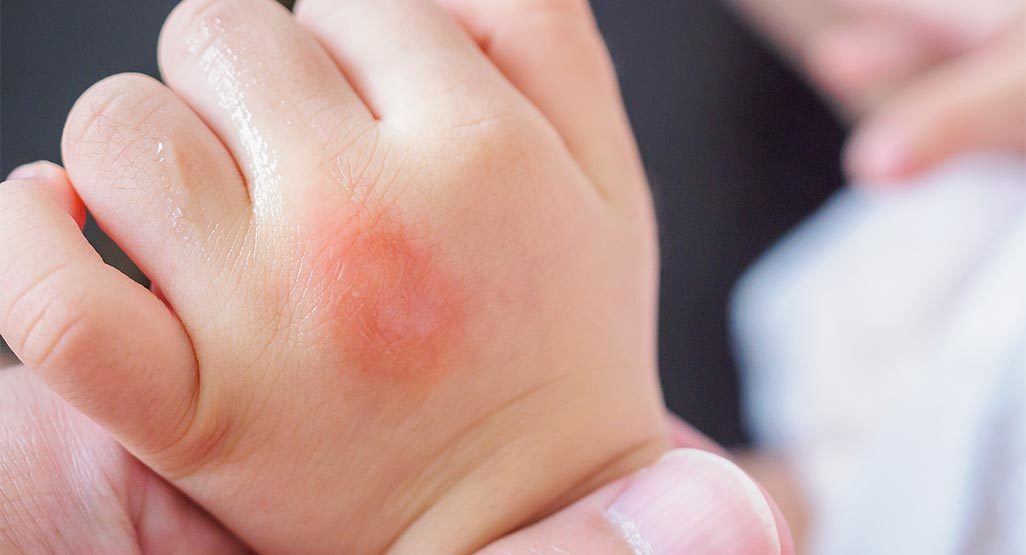
Some redness and soreness are normal around any wound. What we worry about is worsening redness, swelling, pain, and drainage, especially after the first day.
Call your clinician urgently if you notice:
- Redness that is spreading or the area feels hot
- Increasing swelling or increasing pain after the first 24 hours
- Pus or cloudy drainage, or a bad smell
- Fever, chills, or your child seems more tired and unwell
- Red streaks moving away from the bite
- Tender swollen lymph nodes (like in the armpit for a hand bite)
- Decreased ability to move fingers or toes, new numbness, or worsening limp
If the bite is on the hand and your child cannot fully open and close their fingers comfortably, get rechecked. Hand infections can escalate quickly, and early treatment matters.
Tetanus and rabies: key questions
This is where parents often feel the most anxiety. You do not need to figure it all out alone. Your job is to bring the right details so the clinician can assess risk quickly.
Tetanus questions
- “My child’s last tetanus shot was on [date]. Do they need a booster today?”
- “Does this wound count as high risk for tetanus?”
- “If we are behind on vaccines, what is the catch-up plan?”
One helpful detail: for more contaminated wounds like animal bites, clinicians often recommend a tetanus booster if it has been more than 5 years since the last tetanus-containing vaccine (rather than the 10-year interval you may have heard for routine prevention). Your clinician will confirm what applies to your child.
Rabies questions
- “Was this a bite from a known dog that can be observed for 10 days, or do we need to involve animal control?”
- “Is the dog vaccinated for rabies, and can we verify it?”
- “Given where we live and the type of exposure, do you recommend rabies post-exposure shots?”
In general, rabies is rare in vaccinated domestic dogs, but the plan changes if the animal is unknown, cannot be found, is acting oddly, or the bite came from a high-risk animal (like a bat, raccoon, skunk, or fox). The “10-day observation” guidance typically applies to healthy dogs, cats, and ferrets that are available for observation. Local public health and animal control guidance should lead the decision alongside the clinician.
What information to bring
If you are headed to urgent care or the ER, bring the bite “story” in a simple, factual way. This helps your clinician decide on cleaning, closure, antibiotics, and vaccine needs.
- When the bite happened (time and date)
- Where on the body, and whether it is a puncture, tear, or scratch
- How it happened (provoked or unprovoked, food or toy involved, dog asleep, child hugging the dog)
- The dog’s status: family dog, neighbor dog, unknown dog, can it be observed, vaccination records if available
- Your child’s vaccines (especially last tetanus-containing shot date if you know it)
- Any medical history that affects infection risk (immune issues, diabetes, steroids)
If the dog is unknown, you cannot locate it, or you have any rabies concerns, it is also reasonable to report the bite to animal control. Reporting helps with safe quarantine and documentation, and it takes pressure off you to figure out the next steps alone.
Photo tips (yes, it helps)
Taking a few quick photos can be surprisingly useful for medical care and for tracking changes at home.
- Take one photo before cleaning (if it is not actively bleeding heavily) and one after cleaning.
- Include a wide shot that shows location on the body, then a close-up for detail.
- Use good light and keep the camera steady.
- Take a daily photo at about the same time to monitor redness and swelling.
- If this is not your dog, photos may also help with reporting and documentation.
Home care after the visit
Follow the discharge instructions closely, and do not be afraid to call back if something feels off. In general:
- Keep the wound clean and covered for the first day or two, then follow your clinician’s guidance on dressing changes.
- Wash gently with soap and water as directed. Pat dry.
- Prevent picking and scratching. For little kids, a snug long-sleeve shirt can help.
- Use pain relief as recommended by your clinician and follow dosing instructions carefully.
- Keep follow-up appointments, especially for hand bites and any wound that was closed.
If stitches were placed, ask when they should be removed and what scar care is appropriate once the skin has sealed.
Prevention without blame
Most dog bites are preventable, and prevention is about supervision and setup, not shame.
- Teach kids to give dogs space when they are eating, chewing, sleeping, or caring for puppies.
- Make “no face-to-face hugs” a household rule, especially for toddlers.
- Use baby gates or crates for predictable separation during high-energy times.
- Watch for stress signals in dogs: lip licking, yawning, stiff body, whale eye, backing away, growling.
- Even the sweetest dog should never be left alone with a baby or toddler.
If your family dog bit your child, talk with your pediatrician and a qualified trainer or veterinary behaviorist. Many families can improve safety with a solid plan, and sometimes the safest plan includes stronger boundaries than you hoped. That is hard, and you are not a bad parent for taking it seriously.
Quick checklist for bite night
- Stop bleeding with firm pressure for 10 minutes (and elevate if you can).
- Rinse under running water for several minutes and wash with mild soap.
- Cover with a non-stick dressing.
- Go now for facial bites, hand bites, deep punctures, uncontrolled bleeding, or any nerve or tendon concern.
- Ask about stitches, antibiotics, tetanus status, and rabies risk.
- Watch for spreading redness, swelling, pus, fever, red streaks, or worsening pain.
Important: This article offers general education, not medical diagnosis. If you are worried about your child, trust that instinct and get them seen.