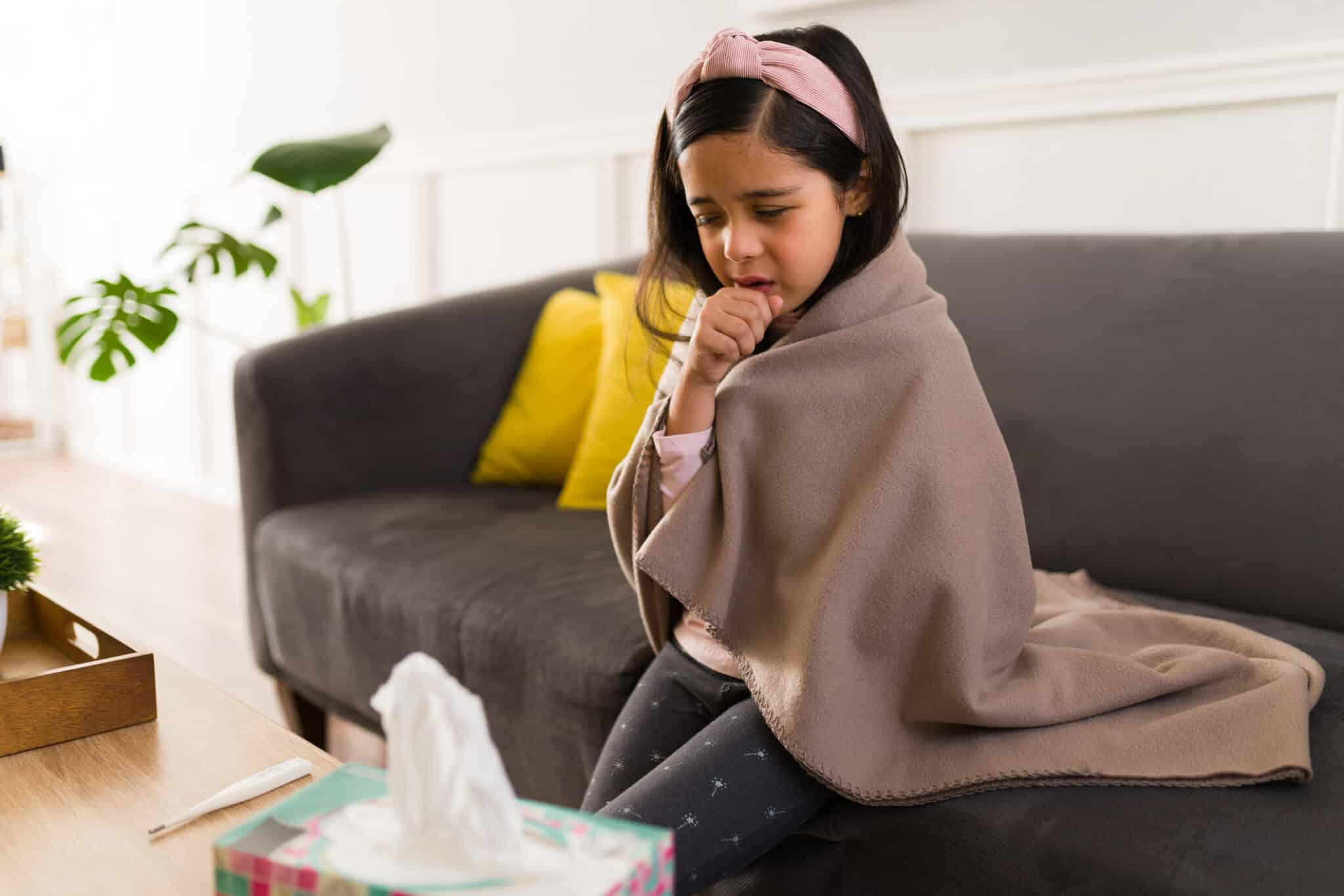
Clear runny nose, itchy eyes, no fever? Here’s how seasonal allergies show up in toddlers, what helps, which meds are typically used by age, and when to ca...
Dust Mite Allergies in Kids

Sarah Mitchell
Sarah Mitchell is a Registered Pediatric Nurse and a mother of three who has spent over a decade helping families navigate the beautiful, chaotic early years of childhood. She combines evidence-based medical knowledge with real-world parenting experience to offer practical, compassionate advice. At Awesome Parent, Sarah's mission is to help exhausted parents find solutions, trust their instincts, and finally get some sleep.
If your child seems to have a “cold” that never quite leaves, you are not imagining it. In clinic, I saw this pattern constantly: a kid with year-round sniffles, itchy eyes, and a bedtime cough, and a parent who is exhausted from going through tissues and second-guessing every sneeze.
Dust mites are a common trigger for perennial (year-round), indoor allergies and allergic rhinitis. They are microscopic, they love cozy bedding, and they can make symptoms flare hardest at night and first thing in the morning. The good news is that a few targeted bedroom changes can make a real difference.

What dust mites are and why they bother kids
Dust mites are tiny relatives of spiders that live in house dust. They do not bite, and they are not a sign your home is dirty. The problem is their waste particles (allergens), which can become airborne when dust is disturbed and irritate the nose, eyes, and airways in kids who are sensitive.
Dust mites love:
- Warmth and humidity
- Soft, fabric-heavy places like mattresses, pillows, comforters, carpets, and stuffed animals
- Human “snacks” like shed skin cells (parenting is glamorous)
Because kids spend so many hours in bed, the bedroom is often where symptoms show up most.
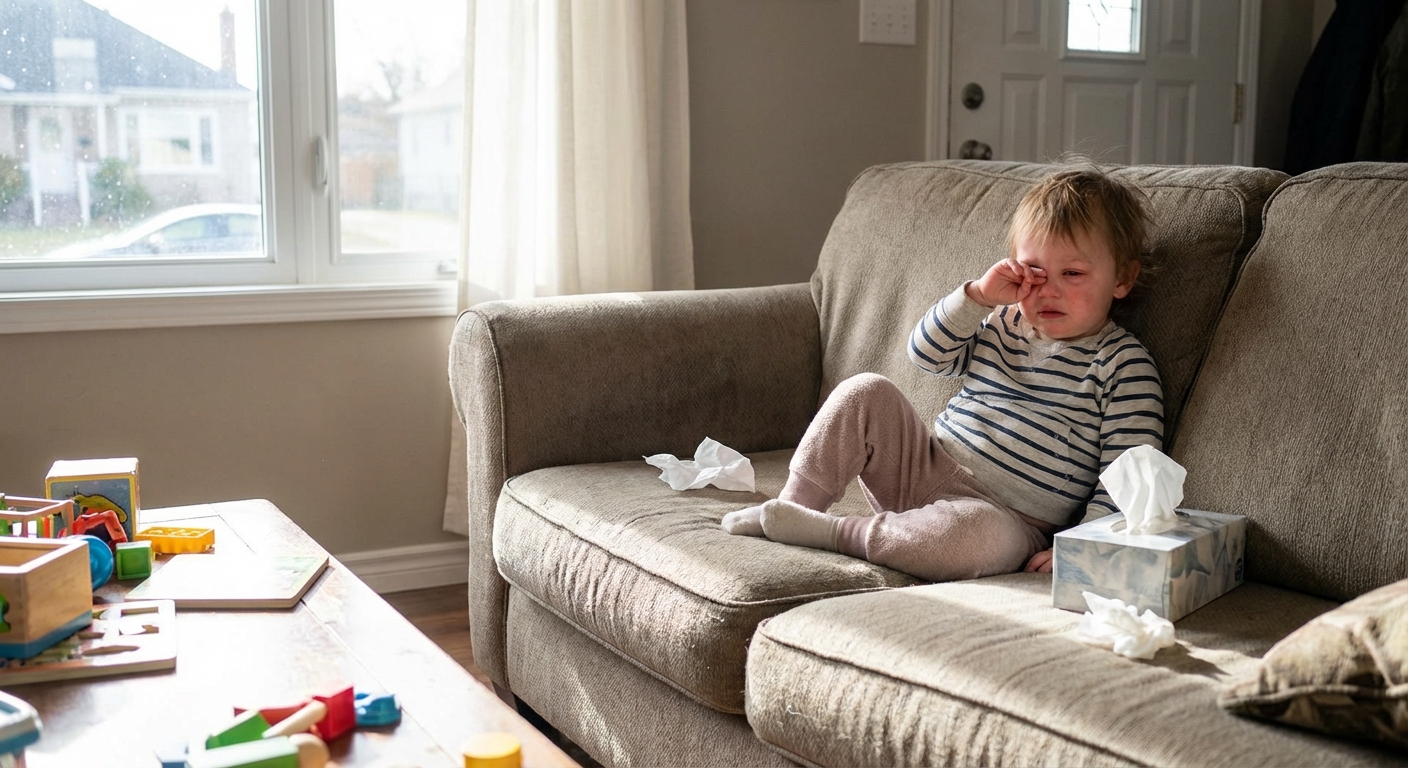
Dust mite allergy symptoms in kids
Dust mite allergies can look like an endless mild cold. The clues are the pattern and the lack of fever.
Common symptoms
- Stuffy or runny nose that lasts weeks to months
- Sneezing, especially in the morning
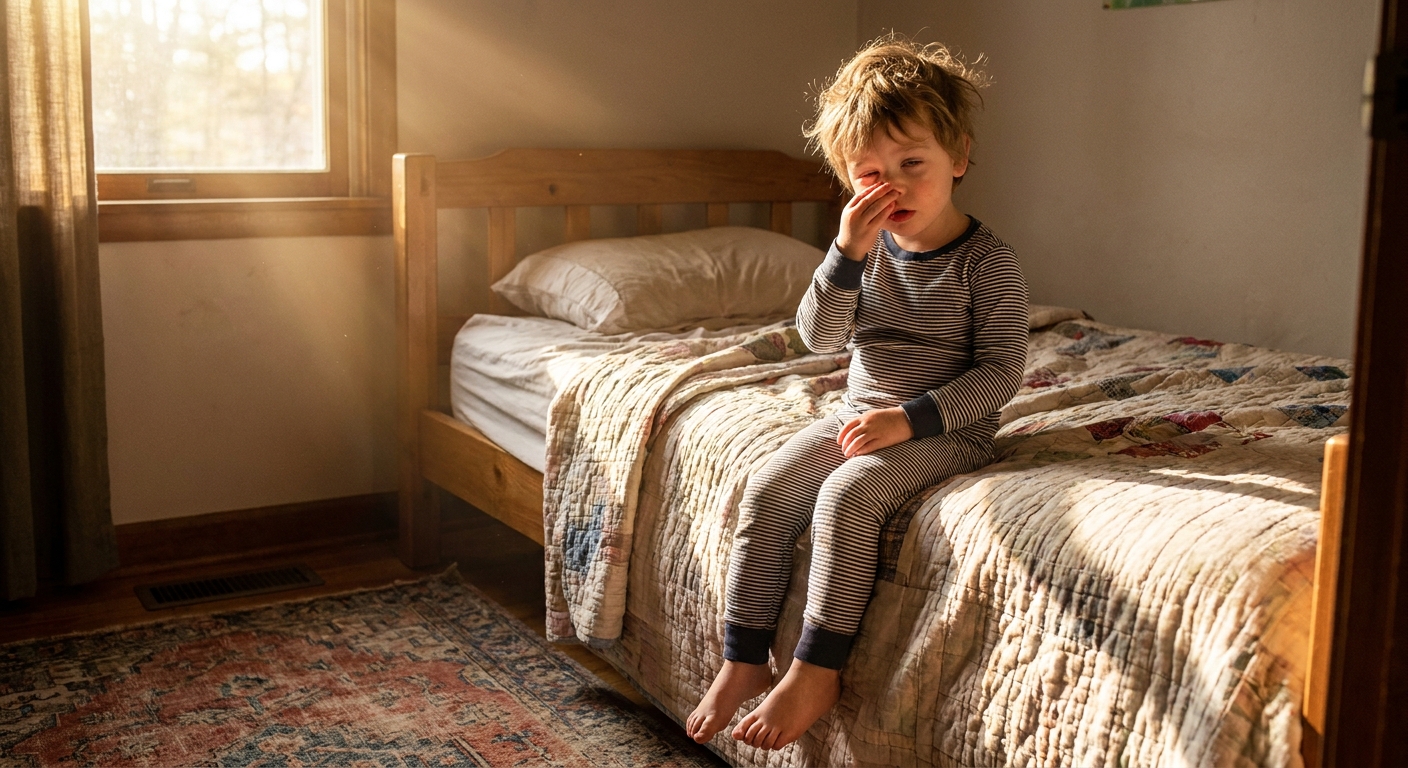
- Itchy nose or frequent nose rubbing (the “allergic salute”)
- Itchy, watery, or red eyes
- Postnasal drip or throat clearing
- Cough, often worse at night or upon waking
- Dark circles under the eyes (“allergic shiners”)
- Mouth breathing and snoring from chronic congestion
Symptoms that can overlap with asthma
Dust mite exposure can also aggravate asthma. If you notice wheezing, chest tightness, shortness of breath, or a persistent nighttime cough, it is worth discussing with your child’s clinician.
Is it dust mites, seasonal allergies, or a cold?
This is the part that makes parents feel like detectives. Here are the most helpful differences.
Dust mite allergies (often year-round)
- Timing: Symptoms most days for weeks or months, often worse at night, in the morning, or when in the bedroom
- Mucus: Often clear and watery
- Fever: No
- Energy: Usually okay, though sleep can be disrupted
- Eyes: Itching and watery eyes are common
Seasonal allergies (pollens)
- Timing: Flares during certain seasons, improves when that pollen season ends
- Where it’s worse: Often worse outdoors, in the car with windows down, or after playing in grass
- Fever: No
Colds (viral infections)
- Timing: Peaks over a few days and usually improves within about 7 to 10 days
- Mucus: Can become thicker or colored as the cold progresses
- Fever: Sometimes, especially early on
- Other: Sore throat, body aches, and “sick” behavior are more likely
Parent reality check: Kids can have back-to-back colds, especially in daycare and early elementary school. If symptoms truly never reset to normal, or they reliably worsen in bed, allergies move up the list.
Bedroom changes that help dust mite allergies
If you do only a few things, prioritize the steps that cut exposure where your child breathes for 10 to 12 hours at a time: the bed.
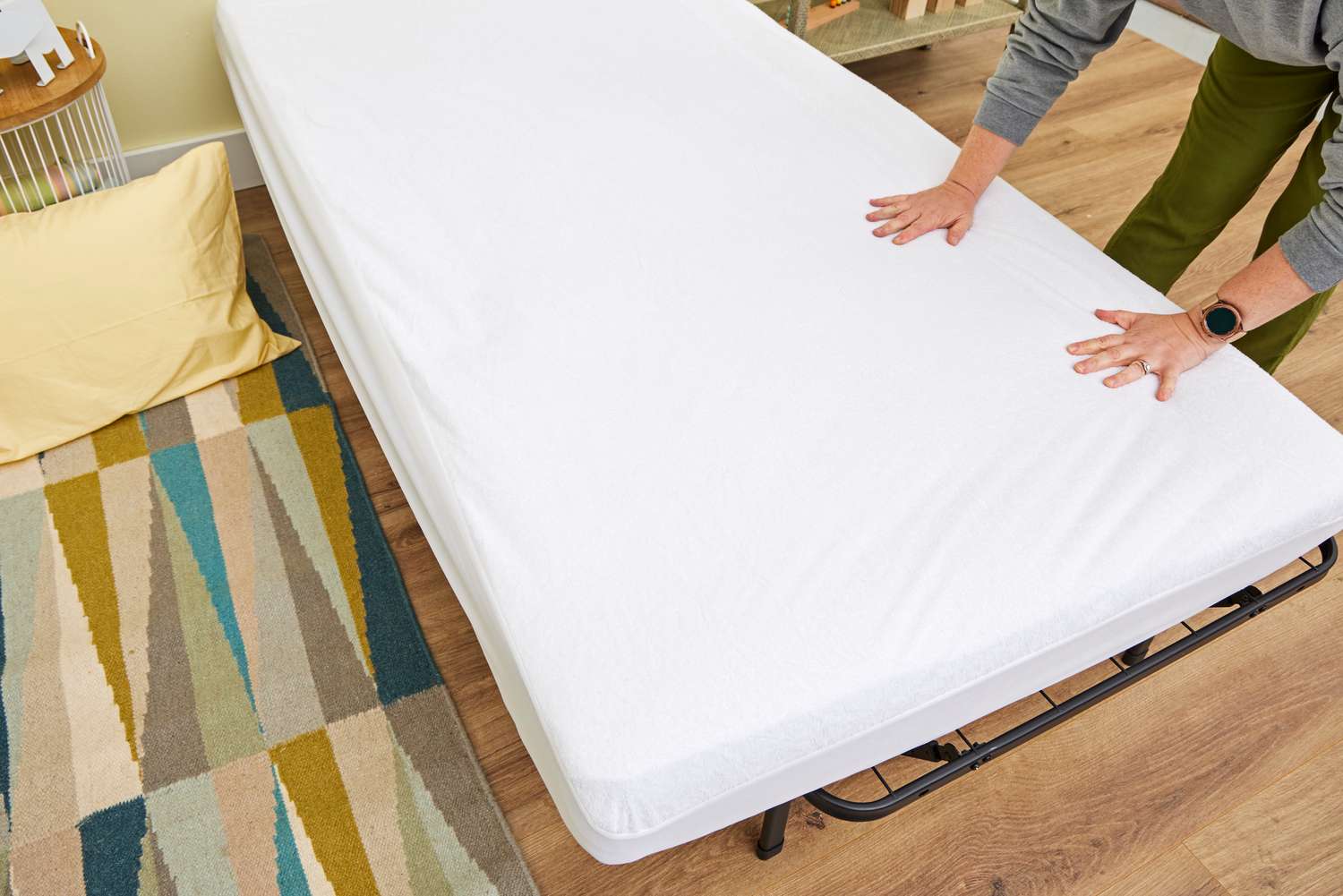
1) Use zippered allergen covers
- Put a dust-mite-proof encasement on the mattress and pillow(s). Zippered covers work best because they fully block exposure.
- Look for covers described as allergen-proof with a tight weave or membrane barrier and a zipper that closes fully.
- If your child has a favorite pillow that cannot be washed well, covering it can be a game-changer.
- Wash encasements as directed by the manufacturer (many families manage every month or two, but the label wins).
2) Wash bedding weekly
- Wash sheets, pillowcases, and blankets once a week.
- Use hot water when the fabric allows. Many allergy references cite about 130°F / 54°C as especially effective for killing mites, but what matters most in real life is a consistent routine plus heat when you can do it safely for the fabric.
- Dry thoroughly on high heat if the fabric tolerates it.
If weekly feels impossible, aim for “most weeks.” Consistency beats perfection.
3) Simplify the bed
- Limit extra throw pillows and decorative blankets in your child’s bed. They collect dust and usually do not get washed often.
- Choose bedding that can handle frequent washing.
- If you can, skip down or feather bedding and stick with washable options.
4) Tame stuffed animals
I am not here to tell your toddler to give up their beloved “Bunny.” I value my own sleep too.
- Keep 1 to 2 favorites on the bed and store the rest in a bin with a lid or on a shelf.
- Wash favorites weekly if possible, then dry thoroughly.
- If washing is tricky, some families place a stuffed animal in the freezer in a sealed bag overnight to help kill mites, then wash and dry to remove allergens. Freezing alone does not remove allergens, so think of it as “maybe helpful” only when paired with washing or a hot dryer cycle.

Humidity, floors, and cleaning
After bedding, the next biggest lever is the overall bedroom environment.
Keep humidity down
- Dust mites thrive in higher humidity.
- Aim to keep indoor humidity under 50 percent if you can (many homes do well around 30 to 50 percent).
- If your child’s room feels musty or you see condensation on windows, consider a dehumidifier and fix any moisture sources.
Floors and rugs
- Carpet holds onto dust and allergens. If you can choose, hard flooring is easier for allergy control.
- If removing carpet is not realistic, use a vacuum with a HEPA filter and vacuum at least weekly, more often if symptoms are significant.
- If possible, limit large rugs and upholstered furniture in the bedroom, especially near the bed.
Cleaning habits that help
- Damp dusting (with a slightly wet cloth) helps trap dust instead of stirring it into the air.
- Wash curtains or consider washable blinds.
- Keep books, bins, and clutter to a minimum near the bed if dust is a major trigger.
What about air purifiers?
A HEPA air purifier can help with airborne particles, especially when dust gets kicked up (making the bed, kids jumping on the carpet, vacuuming). But dust mite allergens mostly live in fabric “reservoirs” like bedding and carpet, so an air purifier is a supportive helper, not a substitute for bed and humidity changes.
Medications and treatments
Environmental changes are the foundation, but some kids still need medication, especially during flare periods.
Options your clinician may recommend
- Non-drowsy antihistamines for sneezing, itching, and runny nose
- Nasal steroid sprays for ongoing congestion and inflammation (these can be very effective when used correctly and consistently)
- Saline spray or rinse to clear mucus and allergens from the nose
- Asthma medications if cough or wheeze suggests reactive airways
Please do not start new medications for young children without guidance, especially combination cold and cough products. If you are unsure what is appropriate for your child’s age, your pediatric clinician or pharmacist can help you choose safely.
When to consider allergy testing
Testing is worth discussing if the answer will change your plan. In real life, that often means:
- Symptoms are year-round and affecting sleep, school, or behavior
- Your child needs medication most days or for long stretches
- You are not sure whether the trigger is dust mites, pets, mold, or something else
- Your child has asthma, eczema, or a strong family history of allergic disease
- You want to explore allergy immunotherapy (allergy shots or, in some cases, under-the-tongue therapy) for longer-term control
Testing can be done with skin testing or blood testing. Your clinician or an allergist can help decide what fits your child’s situation and age.
If it doesn’t feel like allergies
If your child’s symptoms are mostly congestion without much itch or sneeze, ask your clinician to help broaden the differential. Persistent nasal symptoms can also be related to enlarged adenoids, chronic sinus issues, reflux, irritant exposure (like smoke or strong fragrances), or nonallergic rhinitis.
Call your clinician if you see red flags
Most allergy symptoms are miserable but not dangerous. Still, get medical advice promptly if your child has:
- Wheezing, fast breathing, or trouble catching their breath
- A cough that is persistent, worsening, or disrupting sleep night after night
- Frequent sinus or ear infections, or persistent thick nasal discharge with facial pain
- Snoring with pauses in breathing, significant mouth breathing, or daytime sleepiness
- Poor growth, fatigue, or symptoms that are not responding to reasonable home steps
A simple 7-day bedroom reset
If you want a plan that does not require doing everything at once, here is a paced approach many families can manage.
- Day 1: Order or install zippered mattress and pillow encasements.
- Day 2: Wash all bedding and remake the bed with simplified layers.
- Day 3: Pick 1 to 2 stuffed animals for the bed. Store the rest.
- Day 4: Damp dust surfaces and wipe down the headboard and nightstand.
- Day 5: Vacuum thoroughly (HEPA if possible), especially around the bed.
- Day 6: Check humidity and address any dampness.
- Day 7: Reassess symptoms, especially mornings and nighttime cough.
If you see improvement, you are on the right track. If nothing changes after a few weeks of consistent bedroom steps, that is a great time to talk with your child’s clinician about next steps.
Also, if your child’s mattress or pillows are very old, that can make control harder. Covers help a lot, but sometimes replacing a worn-out pillow is the simplest win.
The takeaway
Dust mite allergies are a common reason kids have persistent congestion, sneezing, itchy eyes, and nighttime cough without fever. The most effective changes usually happen in the bedroom: allergen covers, weekly bedding washes (hotter is generally more effective when safe for the fabric), fewer fabric dust collectors, and keeping humidity under 50 percent.
And if you are reading this at 3 AM with a sniffling kid beside you, I will say the nurse mom thing out loud: you do not need to fix everything tonight. Start with the bed. That is where the biggest wins tend to be.
Sarah Mitchell
Sarah Mitchell is a Registered Pediatric Nurse and a mother of three who has spent over a decade helping families navigate the beautiful, chaotic early years of childhood. She combines evidence-based medical knowledge with real-world parenting experience to offer practical, compassionate advice. At Awesome Parent, Sarah's mission is to help exhausted parents find solutions, trust their instincts, and finally get some sleep.