E. Coli in Kids: Bloody Diarrhea, Hydration, and Red Flags

Sarah Mitchell
Sarah Mitchell is a Registered Pediatric Nurse and a mother of three who has spent over a decade helping families navigate the beautiful, chaotic early years of childhood. She combines evidence-based medical knowledge with real-world parenting experience to offer practical, compassionate advice. At Awesome Parent, Sarah's mission is to help exhausted parents find solutions, trust their instincts, and finally get some sleep.
Seeing blood in your child’s poop is one of those parenting moments that makes your stomach drop. I get it. In triage, “bloody diarrhea” was always a stop-what-you’re-doing symptom, not because it is always an emergency, but because it can be a clue that we need to take an infection seriously. In many cases, a same-day call or evaluation is the right move.
One of the big concerns is a specific type of E. coli (often called STEC or E. coli O157:H7) that can cause bloody diarrhea and, rarely, a serious complication affecting the kidneys. This article will walk you through what to watch for, how to hydrate safely at home, when stool testing matters, and the red flags that should prompt urgent care or the ER.
What kind of E. coli is this?
E. coli is a large group of bacteria. Many strains are harmless. The kind that worries pediatric clinicians with bloody diarrhea is Shiga toxin producing E. coli (STEC). It can inflame the intestines and lead to crampy belly pain and diarrhea that may become bloody.
Typical STEC exposures we hear about include:
- Undercooked ground beef (think burgers that are pink in the middle)
- Unpasteurized milk or juice
- Contaminated produce (especially leafy greens)
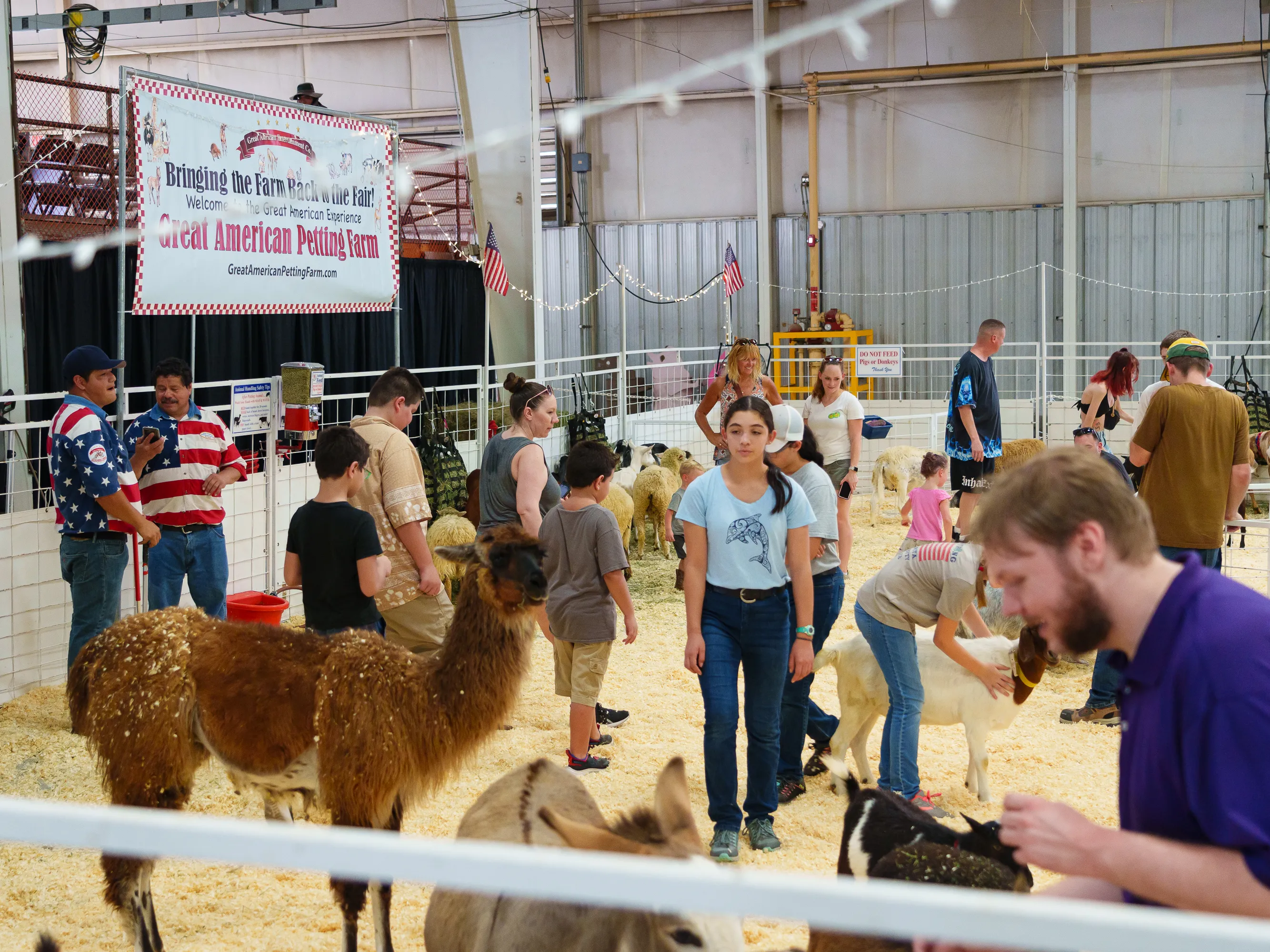
- Petting zoos or farms (animals can carry germs without looking sick)
- Swimming in untreated water (lakes, ponds) or swallowing pool water if sanitation is poor
- Household spread when one family member is sick and hand hygiene slips
Quick nuance: Backyard poultry is a real diarrheal risk for kids, but it is more classically linked to infections like Salmonella or Campylobacter than STEC. If your child got sick after handling chicks or chickens, stool testing can still matter, just for a slightly different list of germs.
Symptoms timeline
After exposure, symptoms often start within about 1 to 8 days (commonly around 3 to 4 days).
Common symptoms
- Watery diarrhea that may turn bloody
- Stomach cramps that can be intense
- Nausea or vomiting (not always)
- No fever or a low-grade fever (fever can happen)
- Fatigue and decreased appetite
Note about fever
Parents are often surprised that a child can look miserable with bad cramps and bloody stool but have no fever or only a low fever. That can still fit STEC. On the other hand, higher fever (especially with a very ill-appearing child) makes us consider other causes too, which is one reason we sometimes test stool.
Bloody stool: less scary vs concerning
Blood is never something to ignore, but it is also not always a sign of a dangerous infection. What matters is the whole picture: your child’s age, how they look, the amount of blood, the stool pattern, belly pain, and hydration.
More common, less scary causes
- Anal fissure: a tiny tear from constipation or passing a hard stool. Often looks like bright red streaks on the outside of stool or on toilet paper.
- Diaper rash irritation: small smears of blood with wiping in younger kids.
- Food dyes: red drinks, candy, beets can mimic blood. If you are unsure, treat it as blood and call.
- Milk protein intolerance in infants: can cause mucus and small amounts of blood in some babies, usually without an acute cramping illness.
More concerning patterns
- Diarrhea with blood (blood mixed throughout stool, not just a streak)
- Severe belly cramps
- Little or no fever paired with bloody diarrhea after a classic exposure (undercooked beef, petting zoo)
- Signs of dehydration or a child who looks ill, weak, or very sleepy
If your child has bloody diarrhea, it is reasonable to call your pediatrician the same day, even if they are drinking.
When stool testing helps
Not every diarrhea bug needs a stool test. Many viral stomach bugs resolve on their own, and testing does not change treatment.
Testing is more likely to be helpful when:
- There is blood or mucus in the stool
- Diarrhea is severe or lasts more than a few days
- Your child has significant belly pain
- There is a known exposure (petting zoo, undercooked beef, outbreak notification)
- Your child is very young, medically complex, or immunocompromised
- Your clinician is considering antibiotics for another reason and wants to avoid them if STEC is possible
What to ask for
Different clinics and labs use different names, but many now do a stool PCR panel that includes Shiga toxin. If STEC is a concern, you can ask whether testing will include:
- Shiga toxin testing (often by PCR or EIA)
- Culture for E. coli O157 and sometimes other STEC types, depending on the lab
Why the test matters
For suspected STEC, the main reasons we test are to:
- Confirm the cause and guide public health reporting if needed
- Avoid antibiotics and anti-diarrheal medicines in situations where they may increase the risk of complications
- Decide whether your child needs blood and urine tests to monitor kidney function
Also, not all bloody diarrhea is STEC. Other bacterial causes include Salmonella, Campylobacter, and Shigella. The fever pattern and best treatment can differ, which is another reason stool testing can be useful when there is blood.
Practical tip: when you call, you can say: “My child has bloody diarrhea. Do we need stool testing for Shiga toxin producing E. coli?” That one sentence helps the triage nurse route you appropriately.
Hydration at home
With any diarrhea illness, hydration is the main job. The gut is irritated, so the goal is small, steady fluids that your child can keep down.
Best fluids
- Oral rehydration solution (ORS) such as Pedialyte or store brand
- ORS popsicles for kids who refuse cups
- Breastmilk or formula for infants (continue as usual unless your clinician advises otherwise)
If your child is vomiting
Think “tiny sips, often.” Start with 1 to 2 teaspoons (5 to 10 mL) every few minutes and slowly increase if tolerated. A syringe, spoon, or medicine cup can help.
Fluids to avoid (or limit)
- Juice and soda: high sugar can worsen diarrhea
- Sports drinks: not balanced for young kids with diarrhea
- Plain water only in a small child with lots of diarrhea: water is fine alongside ORS, but ORS replaces salts too
How do I know they are hydrated?
- Older kids: peeing at least every 6 to 8 hours
- Infants and toddlers: fewer wet diapers than usual is a concern, and no wet diaper for 6 to 8 hours is a red flag
- Mouth and tongue are moist
- Tears when crying
- They are reasonably alert between bathroom trips
Medications to avoid
This is the part where I want to be very clear.
- Do not give anti-diarrheal medicines (like loperamide) to a child with bloody diarrhea unless a clinician specifically tells you to. Slowing the gut can be unsafe in some bacterial infections.
- Do not start leftover antibiotics and do not pressure your clinician for antibiotics “just in case.” For suspected STEC, antibiotics are often avoided because some evidence suggests they may increase the risk of hemolytic uremic syndrome (HUS), a rare but serious complication.
- Use acetaminophen for discomfort or fever if needed, unless your child’s clinician has told you not to. Ask before using ibuprofen if your child is dehydrated or not peeing well, since dehydration can stress the kidneys.
If your child is in significant pain, seems unusually sleepy, or cannot keep fluids down, that is a reason to be seen urgently.
Red flags
If your child has any of the following, get same-day medical care. If symptoms are severe, go to the ER.
Go today if:
- Bloody diarrhea, especially with moderate to severe belly pain
- Signs of dehydration: very dry mouth, no tears, sunken eyes, dizziness, or no urine for 8 hours in an older child (or no wet diaper for 6 to 8 hours in infants and toddlers)
- Vomiting that prevents drinking
- Severe or worsening abdominal pain, belly swelling, or a child who cannot stand up straight
- High fever, especially if your child looks very ill
- Age under 6 months with significant diarrhea, or any child with complex medical conditions
Go to the ER now if:
- Your child is hard to wake, very weak, confused, or has trouble breathing
- There is black, tarry stool or large amounts of blood
- Your child has signs of shock: pale or gray skin, cool clammy skin, very fast breathing, or fainting
Watch for HUS
Most kids recover from STEC with supportive care, but we watch closely for hemolytic uremic syndrome (HUS), a condition where blood cells and platelets break down and the kidneys can be injured. It usually shows up about a week after diarrhea starts (often 5 to 10 days), and sometimes up to 2 weeks. It can appear as the diarrhea is improving, which is one reason clinicians take bloody diarrhea seriously.
Symptoms that should prompt urgent evaluation
- Not peeing much or not peeing at all
- Unusual sleepiness, weakness, or irritability
- Pale skin
- New bruising or tiny red or purple spots on the skin
- Swelling of face, hands, or feet
These symptoms do not prove HUS, but they are absolutely worth immediate medical attention because blood and urine tests can catch problems early.
What treatment looks like
For suspected or confirmed STEC, treatment is usually supportive:
- Hydration support, sometimes with IV fluids if your child cannot drink enough
- Careful monitoring of urine output
- In some cases, blood and urine tests to check kidney function and blood counts, especially if symptoms suggest HUS
Antibiotics are not routinely used for STEC. Your clinician will decide based on test results, your child’s symptoms, and other possible causes of bloody diarrhea.
Prevent household spread
E. coli spreads through tiny amounts of stool, which is not a pleasant sentence but it is the truth. The best prevention is boring and powerful: handwashing.
- Wash hands with soap and water for 20 seconds after diaper changes, bathroom trips, and before food prep.
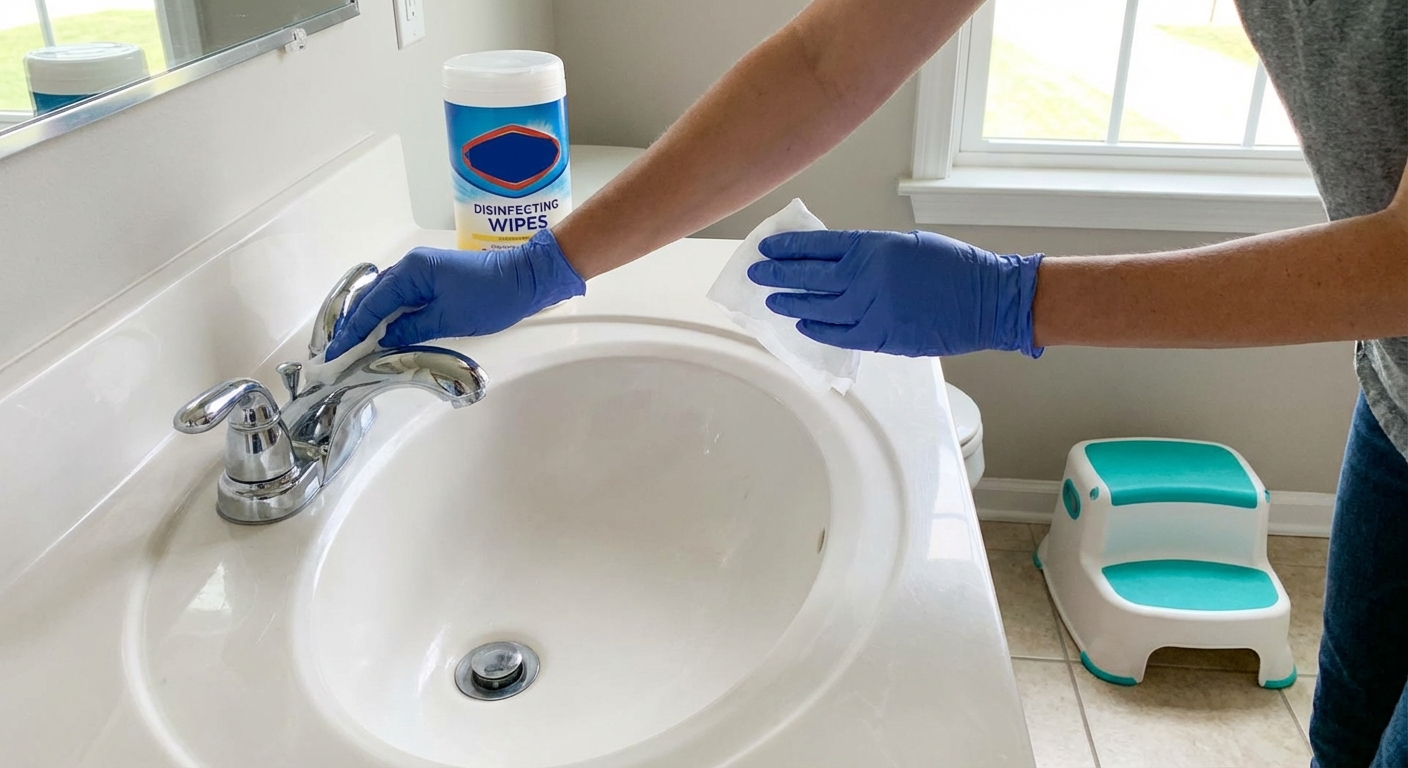
- Use a separate bathroom for the sick child if possible, or disinfect high-touch surfaces daily (toilet handle, faucet, doorknobs).
- Do not share towels.
- Keep sick kids out of pools, splash pads, and lakes until fully recovered.
Prevention tips
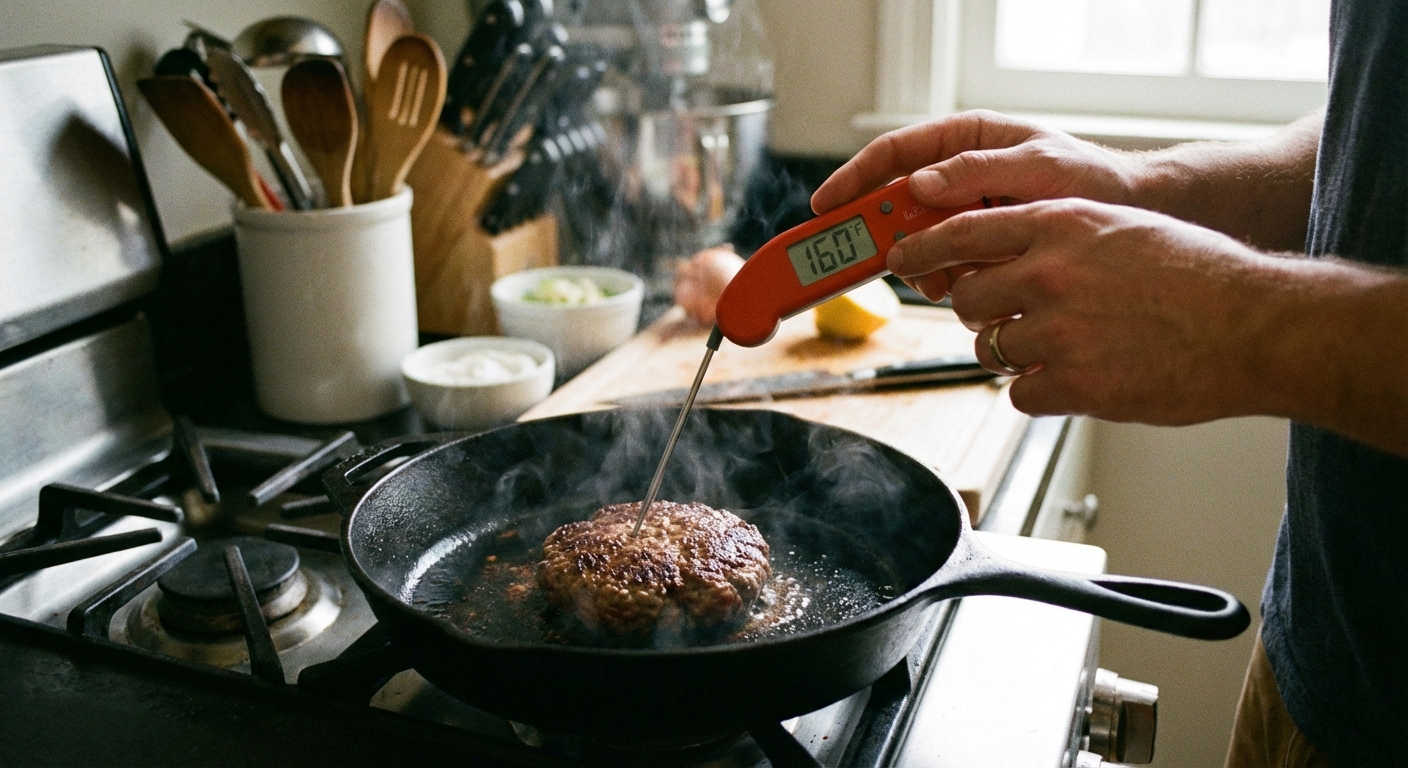
- Cook ground beef thoroughly to 160°F (71°C). Use a food thermometer when you can. Color alone is not reliable.
- Avoid unpasteurized milk, cheese, and juices for kids.
- Wash produce under running water and scrub firm items.
- Petting zoo rules: no snacks in animal areas, no pacifiers in mouths while touching animals, wash hands right after, and change clothes if they got heavily soiled.
- Separate raw meat from other foods in the fridge and during prep.
Daycare and school
Policies vary by location and by the germ involved. In general, kids should stay home while they have diarrhea and until they can reliably manage hygiene. For certain infections, some schools or public health departments may require negative stool tests before return. If your child’s stool test is positive, ask your clinic what the local return rules are.
Quick checklist
- Bloody diarrhea plus cramps after undercooked beef or animal contact merits a same-day call to your pediatrician.
- Hydration is the priority. Use ORS, small frequent sips.
- Avoid anti-diarrheal medicines and do not start antibiotics unless instructed.
- Seek urgent care for dehydration, severe pain, inability to drink, or worsening symptoms.
- Watch for delayed red flags of HUS like low urine, unusual sleepiness, pallor, or bruising.
If you are staring at the toilet at 2 AM wondering if you are overreacting, you are not. Bloody diarrhea is a “call and ask” symptom. A quick check-in can prevent a whole lot of worry, and sometimes it truly changes what we do next.
Medical disclaimer: This article is for education and does not replace medical advice. If you think your child is seriously ill, seek emergency care.