Encopresis in Kids: Why Accidents Happen After Toilet Training

Sarah Mitchell
Sarah Mitchell is a Registered Pediatric Nurse and a mother of three who has spent over a decade helping families navigate the beautiful, chaotic early years of childhood. She combines evidence-based medical knowledge with real-world parenting experience to offer practical, compassionate advice. At Awesome Parent, Sarah's mission is to help exhausted parents find solutions, trust their instincts, and finally get some sleep.
If your child was doing great with toilet training and then suddenly starts having poop accidents, you are not alone. In clinic, this was one of the most common, most misunderstood issues I saw. Parents often worried it was behavioral or “lazy.” Kids often felt embarrassed and confused.
What is usually happening is much more boring and much more fixable: constipation. Specifically, a constipation pattern that leads to overflow soiling, also called encopresis.
If you have already read our page on stool withholding, this article is the next step. Withholding can be the beginning of the story. Encopresis is what can happen after weeks or months of backed-up stool, when the rectum gets stretched and the body’s “I need to go” signals get muffled.
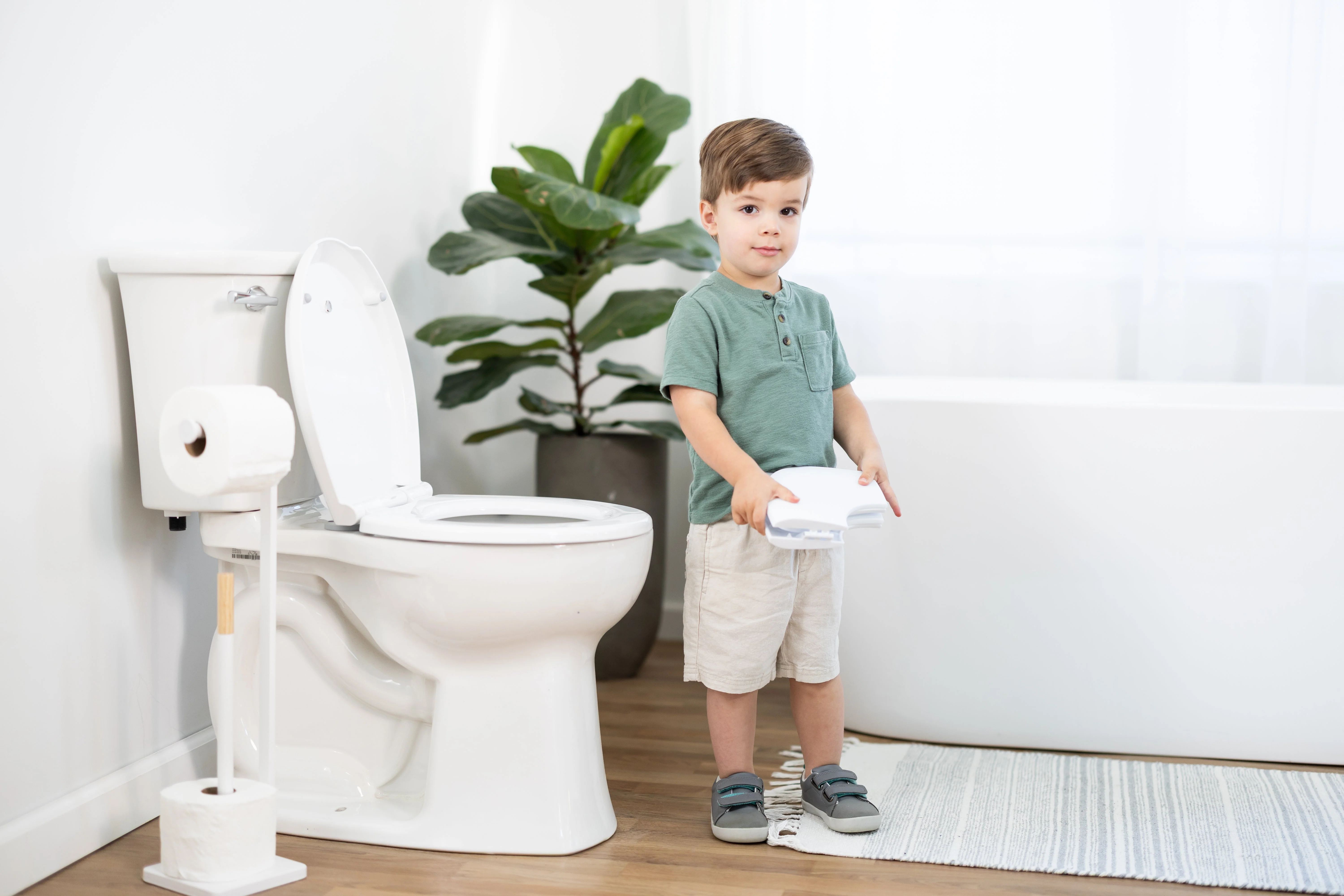
What encopresis is (and what it is not)
Encopresis means repeated poop soiling in underwear (or sometimes in pants), most often after a child is already toilet trained. In the majority of cases, it is linked to chronic constipation and stool withholding.
Encopresis is usually overflow
When a child is constipated, stool can build up in the rectum and get large, dry, and hard. Newer, softer stool from higher up can leak around that blockage and escape without the child fully realizing it. This is why you may see:
- Smears or streaks in underwear
- Small mushy stools in pants
- A strong stool odor that seems to come and go
- A child who swears they did not feel it happening
What encopresis is not
- Not defiance: Most kids are not choosing this, even if it looks that way from the outside.
- Not a potty training failure: This is a medical constipation cycle, not a reset to diapers.
- Not something a child should be punished for: Punishment increases stress and withholding, which tends to worsen the cycle.
Why accidents happen after toilet training
Parents understandably ask, “If they can use the toilet, why are they doing this now?” Here are the most common reasons I see.
The constipation and soiling cycle
- A poop hurts (or feels scary) so a child starts holding.
- Holding dries stool out, making the next poop bigger and more painful.
- The rectum stretches from being chronically full.
- Signals get dulled: the child feels urge less clearly or only feels it when it is urgent.
- Overflow leakage happens, leading to accidents and embarrassment.
- Embarrassment increases holding, and the loop continues.
Common triggers that start the cycle
- Starting preschool or kindergarten and avoiding unfamiliar bathrooms
- Big schedule changes, travel, holidays, or a new sibling
- Not wanting to stop playing to use the toilet
- A low-fiber diet, picky eating, or not enough fluids
- Past painful constipation episode that made pooping feel threatening
Signs it’s encopresis, not “random accidents”
Encopresis often comes with a few familiar patterns. A child does not need to have all of these for constipation to be the root problem.
- Poop accidents happen daily or near-daily
- Stool is very large when they do go in the toilet, sometimes clogging it
- They go many days without a normal bowel movement
- Belly pain, decreased appetite, or nausea that improves after a big poop
- “Poop dance” behaviors: stiff legs, hiding, rocking, tip-toeing
- Urinary symptoms: frequent pee trips, urgency, or accidents (constipation can press on the bladder)

When to call the pediatrician
Encopresis is very common, but it still deserves medical guidance. Your child’s clinician can confirm constipation, rule out less common causes, and help you choose a plan that is safe for your child’s age and health history.
Call urgently if you notice
- Severe or worsening abdominal pain
- Vomiting with a swollen or very tender belly
- Blood in stool (more than a small streak on toilet paper) or black/tarry stool
- Weight loss, poor growth, persistent fever, or extreme fatigue
- A baby or toddler with constipation starting in the first weeks of life
- Weakness, numbness, or changes in walking
If your child is otherwise well but having ongoing soiling, make an appointment soon. This is one of those problems where earlier help usually means faster relief.
The treatment mindset: clean-out, then keep-out
The most helpful way to think about encopresis is in two phases.
1) Clean-out
This phase is about emptying the backed-up stool so the rectum can start to return to a normal size and sensation. Pediatricians often recommend a clean-out using medications like polyethylene glycol (often known by a common brand name) sometimes combined with other options, depending on the child.
Important: Clean-out plans should be guided by your child’s clinician. The dose and timing matter, and families need clear instructions for what “working” looks like.
2) Maintenance (the part that prevents relapse)
After a clean-out, many kids need daily maintenance for months, sometimes longer. This is not because they are “dependent.” It is because the bowel needs time to regain normal tone and the brain needs time to trust that pooping will not hurt.
Maintenance usually includes:
- Regular stool-softening support as prescribed
- Scheduled toilet sits
- Diet and fluid support that is realistic for your child
- Consistency through school days, weekends, and vacations
At-home routines that actually help
These are the practical steps that tend to make the biggest difference for families, especially once you are past the initial clean-out stage.
Build in “poop opportunities”
The colon is naturally more active after meals. Try:
- Toilet sits 5 to 10 minutes after breakfast and after dinner
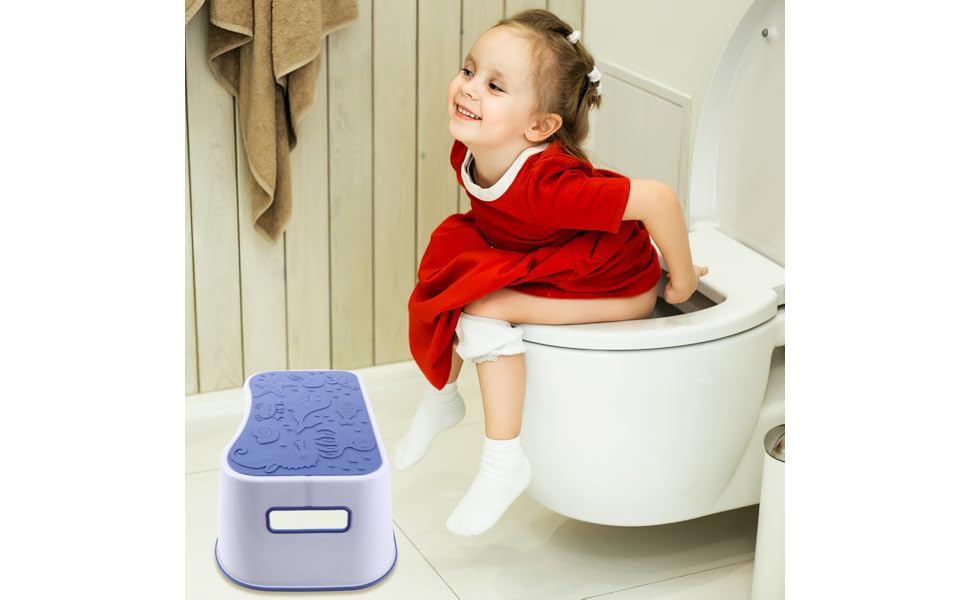
- Feet supported (a small stool helps, even for older kids)
- A relaxed activity while sitting: a book, a calm toy, or a song
Keep the vibe boring and routine. Think teeth brushing, not a high-stakes performance.
Choose rewards that reduce pressure
Reward the routine, not the poop. Examples:
- Sticker for sitting
- Point toward a small weekly privilege for trying
- Verbal praise for body awareness: “You listened to your body.”
Food and fluid: aim for steady, not perfect
If your child eats like most kids, their diet is not going to transform overnight. A few realistic upgrades help:
- Add one fiber-friendly food your child will accept: pears, berries, kiwi, beans, oats, whole grain bread, or popcorn for older kids
- Offer water regularly, especially with meals and after active play
- Limit constipating overloads when possible: lots of cheese, large amounts of milk, and low-fiber snack patterns
If you need a simple target, ask your pediatrician what a reasonable fiber and fluid goal is for your child’s age.
Track patterns without obsessing
A quick note on your phone can help you and your clinician adjust the plan:
- Days with stool in the toilet
- Days with smears or accidents
- Any belly pain or withholding behavior
- Medication taken as directed
What to do about accidents right now (without shame)
Encopresis is emotionally heavy for kids. They may feel embarrassed, angry, or anxious. Some kids get teased. Some start refusing school bathrooms. Your goal is to make accidents as low-drama as possible while you treat the constipation.
A simple script you can borrow
“Your body is having a constipation problem. Sometimes poop leaks out before you can feel it. You are not in trouble. My job is to help your body get back on track.”
Clean-up tips that reduce stress
- Keep a calm, neutral tone. Save the big feelings for after bedtime.
- Use wipes and a change of clothes in the bathroom for quick resets.
- If your child is old enough, involve them in a matter-of-fact way: put dirty clothes in a bin, start the wash. No lectures.
- Protect skin with a barrier ointment if there is redness, especially during frequent accidents.
School and daycare: how to get support
Many kids with encopresis do fine academically and socially, but they need a practical plan to avoid shame and reduce withholding during the day.
What to tell the teacher or school nurse
You do not need to share every detail. A short message is enough:
- Your child is being treated for constipation that can cause accidents.
- They may need unrestricted bathroom access.
- They may need discreet access to a change of clothes and wipes.
- Please avoid calling attention to accidents or discussing it in front of peers.
Pack a “just in case” kit
- 2 pairs of underwear
- 1 to 2 bottoms (leggings or sweatpants are easiest)
- Wipes in a sealed bag
- A plastic bag for soiled clothes
- Optional: a note reminding your child where the kit is kept
How long does encopresis take to improve?
This is the part that no one wants to hear at 3 AM, but it is also the part that helps you stay steady: the bowel heals slowly.
- Early improvement: Some families see fewer accidents within 1 to 2 weeks after an effective clean-out and consistent maintenance.
- Real retraining: It often takes months for the rectum to regain normal size and sensation.
- Relapses are common: A stomach bug, travel, starting school, or stopping treatment too soon can restart the cycle.
Progress is rarely a straight line. If things backslide, it does not mean you failed. It means the plan needs adjusting.
Encopresis FAQs parents ask in clinic
Is my child doing this on purpose?
In most cases, no. When the rectum is stretched and stool leaks, kids may not feel it until it is too late. Even when a child seems unconcerned, that can be a protective response to embarrassment.
Should we go back to diapers or pull-ups?
It depends. For some kids, a protective option at night or during a clean-out reduces stress and laundry. For others, it increases withholding. If you use them, keep it neutral and temporary, and keep working on the medical plan.
Will laxatives make the bowel “lazy”?
This is a very common fear. For constipation-related encopresis, stool softeners used under medical guidance are often part of restoring normal bowel function by preventing painful stools and allowing the rectum to shrink back. Always follow your clinician’s plan and do not stop suddenly without checking in.
My child only has accidents at home. Is it still constipation?
It can be. Some kids hold it together at school and then relax at home, leading to leakage later. Patterns vary, which is why looking at the whole week helps.
Your next best step
If your toilet-trained child is having poop accidents, take a breath. Encopresis is common, treatable, and not a character flaw.
- Book a visit with your pediatrician to confirm constipation and get a clear clean-out and maintenance plan.
- Start shame-free language at home today.
- Set up simple routines: after-meal toilet sits, foot support, and consistent follow-through.
- Loop in school or daycare so your child is protected from embarrassment while their body heals.
You are not behind. You are just in the unglamorous middle of a very normal kid digestive storyline. And yes, it can get better.