Enlarged Adenoids in Kids

Sarah Mitchell
Sarah Mitchell is a Registered Pediatric Nurse and a mother of three who has spent over a decade helping families navigate the beautiful, chaotic early years of childhood. She combines evidence-based medical knowledge with real-world parenting experience to offer practical, compassionate advice. At Awesome Parent, Sarah's mission is to help exhausted parents find solutions, trust their instincts, and finally get some sleep.
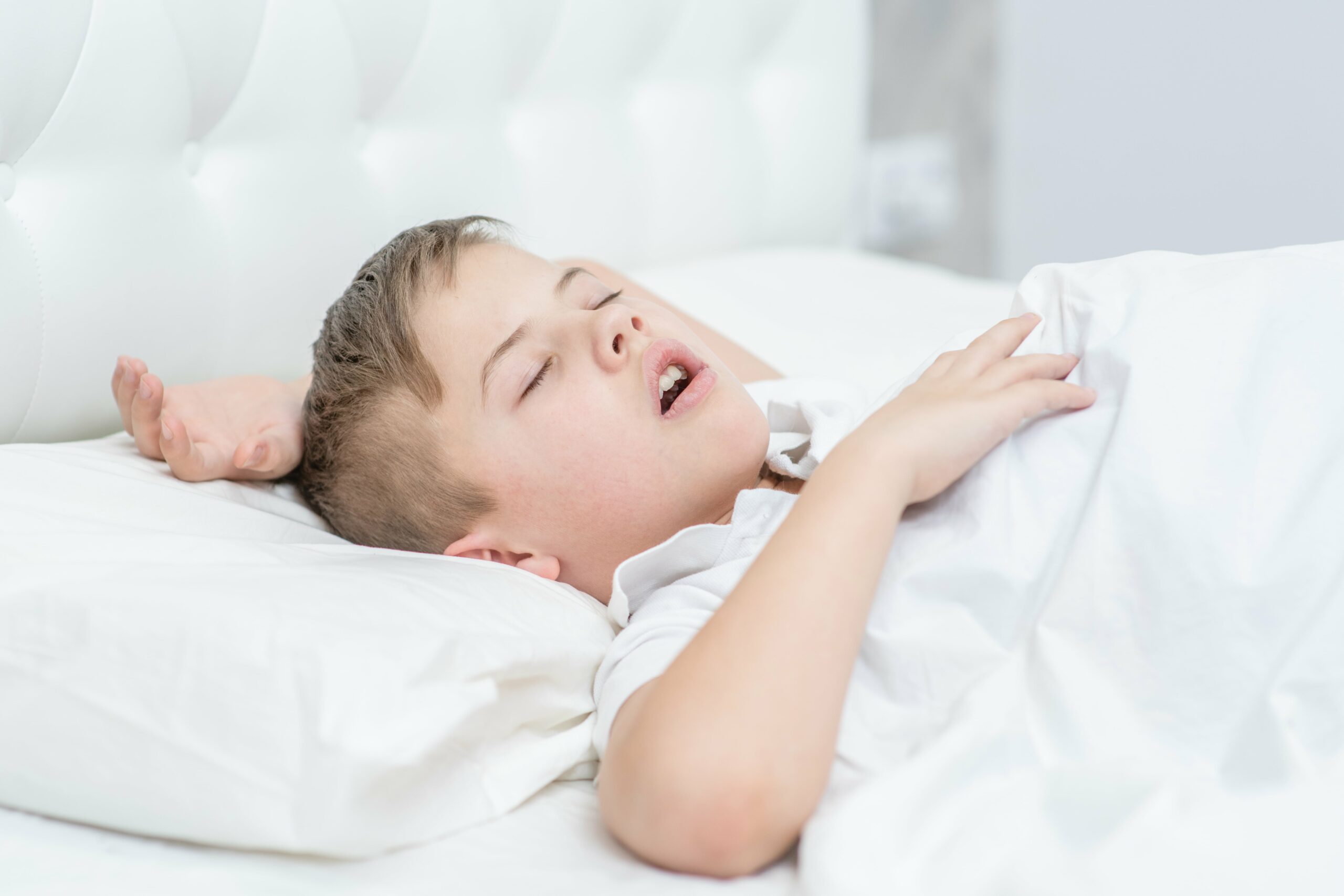
If your child sleeps with their mouth open, snores like a tiny freight train, or seems to catch every cold that wanders through daycare, you are not alone. In pediatric triage, I talked to parents every week who were worried about “noisy sleep,” constant congestion, or yet another ear infection. One common behind-the-scenes contributor (especially for mouth breathing, snoring, and ear trouble) is a set of tissue most parents never think about until it causes problems: the adenoids.
Let’s walk through what enlarged adenoids can look like in real life, how clinicians sort out what is going on, and the pros and cons of conservative treatment versus surgery.
What are adenoids?
Adenoids are a patch of lymphoid (immune) tissue located high in the back of the nose, above the throat. You cannot see them by looking in your child’s mouth. They are part of the body’s early immune system, helping recognize germs that enter through the nose and mount an immune response.
In many kids, adenoids are naturally larger during the preschool and early grade school years. They can also swell more with:
- Frequent viral colds
- Allergies that keep the nose inflamed
- Chronic nasal inflammation and congestion
- Recurrent ear infections or fluid behind the eardrum
For many children, adenoids slowly shrink with age, often during later childhood and the teen years. The issue is what happens in the meantime if they are large enough to block airflow or affect the ears.
Signs of enlarged adenoids
Enlarged adenoids do not always cause symptoms. When they do, it is usually because they are blocking nasal airflow or contributing to inflammation around the openings of the ear tubes.
Mouth breathing and chronic stuffiness
If your child seems congested all the time but does not have much mucus, enlarged adenoids can be part of the puzzle. Kids switch to mouth breathing because the nose feels blocked.
Snoring and sleep breathing
Snoring in kids is common, but it is not something to ignore when it is frequent, loud, or paired with poor sleep. Enlarged adenoids can narrow the airway during sleep, leading to:
- Snoring most nights
- Restless sleep, frequent waking, or sweating at night
- Pauses in breathing, gasping, or choking sounds
- Morning headaches or dry mouth
- Daytime sleepiness, irritability, or hyperactivity
Some children develop obstructive sleep apnea, where the airway repeatedly narrows or closes during sleep. This is worth evaluating, not a “they’ll grow out of it” situation. Over time, significant untreated sleep apnea can affect behavior, learning, growth, and overall health.
Ear problems
Adenoids sit near the opening of the eustachian tubes, which help equalize pressure and drain fluid from the middle ear. When adenoids are enlarged or chronically inflamed, kids may have:
- Recurrent ear infections
- Persistent fluid behind the eardrum
- Muffled hearing or speech clarity concerns
- Ear popping or pressure
Other clues
- “Nasal” voice or speech that sounds like they are always plugged up
- Bad breath that does not improve with brushing (often from chronic mouth breathing or trapped secretions)
- Frequent nighttime cough (often from postnasal drip)

When to call the pediatrician
Bring it up if symptoms are frequent or affecting sleep, hearing, or daily life. Specifically, reach out if you notice:
- Snoring most nights for more than a few weeks
- Witnessed breathing pauses, gasping, or labored breathing during sleep
- Chronic mouth breathing with ongoing congestion
- Recurrent ear infections or ongoing ear fluid
- Hearing concerns, speech delay, or teacher concerns about attention
Infants and toddlers can snore for many reasons, but regular, loud snoring or any concerning sleep breathing in very young kids is a good reason to check in.
If you are seeing prolonged pauses with color change, blue or gray lips, severe breathing difficulty, or persistent retractions (skin pulling in between ribs or at the neck), treat that as urgent and seek immediate medical care.
How doctors evaluate adenoids
Most families start with their pediatrician. A good evaluation looks at the whole picture: sleep, breathing, growth, behavior, and ear history.
At the pediatrician’s office
- History: snoring frequency, breathing pauses, daytime symptoms, recurring infections
- Physical exam: nasal congestion, tonsil size, breathing patterns, growth
- Ear exam: checking for fluid behind the eardrum
When an ENT referral helps
An ear, nose, and throat specialist can assess the nose and adenoids and connect the dots with ear and sleep issues.
Common tests an ENT may use
- Nasal endoscopy: a thin flexible camera briefly looks behind the nose to see adenoid size. It is quick, but some kids find it uncomfortable.
- Neck X-ray: sometimes used to estimate adenoid size, especially if endoscopy is not an option.
- Hearing test and tympanometry: helps confirm fluid or pressure issues in the middle ear.
- Sleep study (polysomnography): the gold standard if obstructive sleep apnea is suspected or the story is complex.

Conservative options
Not every child with big adenoids needs surgery. If symptoms are mild or clearly linked to allergies or frequent viral illness, your pediatrician or ENT may suggest watchful waiting or medical management first.
1) Treat the nose
- Saline spray or rinse: helps clear mucus and irritants. For toddlers, saline mist plus gentle suction is often the most realistic approach.
- Intranasal steroid spray: may reduce inflammation and shrink swollen tissue over time in some kids. Effects are often modest, it needs consistent daily use, and symptoms can return when it is stopped. Ask your child’s clinician for age-appropriate options and technique.
- Allergy management: if allergies are driving swelling, targeted treatment can make a big difference.
2) Monitor ears and hearing
If ear fluid is present, your child may be followed with repeat ear checks and, sometimes, a hearing evaluation. Many cases of middle ear fluid resolve, but persistent fluid plus hearing impact is a different situation.
3) Track sleep
One of the most helpful things you can do at home is collect good information. Consider:
- Recording a short video of snoring or breathing pauses to show the clinician
- Tracking how many nights per week snoring happens
- Noting daytime behavior, morning mood, and energy levels
Real talk from a nurse-mom: If your gut says your child is not sleeping well, you are probably right. Poor sleep can look like crankiness, meltdowns, or wild energy, not just yawning.
Surgery: adenoidectomy
If symptoms are moderate to severe, persistent, or affecting breathing during sleep and ear health, the ENT may recommend an adenoidectomy, which is surgical removal of the adenoids. Sometimes it is done alone. Often it is paired with other procedures depending on the child’s needs.
When ENTs recommend removal
- Obstructive sleep apnea or significant sleep-disordered breathing
- Chronic nasal obstruction with ongoing mouth breathing that does not improve with medical treatment
- Recurrent ear infections or persistent ear fluid in select cases
- Persistent bacterial sinus-type symptoms in select cases (for example, symptoms lasting more than 10 days without improvement, worsening after initial improvement, or thick drainage with significant ongoing cough)
Tonsils and ear tubes
- Adenoidectomy alone: may be considered when adenoids are the main issue and tonsils are not significantly enlarged.
- Tonsillectomy plus adenoidectomy: commonly recommended when sleep apnea is present, because enlarged tonsils often contribute too.
- Ear tubes: may be recommended for persistent middle ear fluid or recurrent infections. In some situations, adenoids are addressed at the same time to reduce recurrence.
One important nuance: recommendations vary by age and diagnosis. Many guidelines and ENT practices consider adenoidectomy more strongly in older children (often age 4 and up) with persistent middle ear fluid, or in kids who need repeat tubes. In younger children, it can still be appropriate, but it is more individualized.
What happens on surgery day
Most adenoidectomies are outpatient procedures done under general anesthesia. The surgery itself is typically short. Your child is monitored in recovery for a few hours, then goes home the same day if they are drinking and doing well.
Benefits and risks
Potential benefits can include quieter breathing, improved sleep quality, fewer ear problems, and better daytime functioning.
Potential downsides include anesthesia and surgical risks (generally low, but real), sore throat, temporary bad breath, nasal voice changes while healing, and a small chance of regrowth of adenoid tissue.
Your ENT can help you weigh symptom severity against the likelihood that medical therapy and time will be enough.

Recovery
Recovery varies based on whether it is adenoids only or adenoids plus tonsils. After an adenoidectomy alone, many kids are back to normal routines fairly quickly.
- Common short-term symptoms: sore throat, stuffy nose, mild ear pain, low-grade fever, bad breath.
- Hydration matters: frequent sips of fluid are often the biggest game changer for comfort.
- Sleep can look different: some kids snore a bit during swelling, then improve as healing progresses.
Follow your surgeon’s instructions closely, especially about pain control, activity, and when to call with concerns.
Call the surgeon right away if
- Any significant bleeding from the nose or mouth
- Signs of dehydration (very little urine, dry mouth, no tears, cannot keep fluids down)
- Fever that is high, persistent, or not responding as expected to the plan you were given
- Worsening neck stiffness, severe headache, or your child looks increasingly ill
Could it be something else?
Yes, and that is one reason evaluation matters. Snoring, mouth breathing, and chronic congestion can also be related to:
- Allergic rhinitis
- Chronic nasal inflammation
- Deviated septum or nasal structural differences
- Tonsillar enlargement without significant adenoid issues
- Asthma or reflux contributing to nighttime symptoms
It is not your job to diagnose which piece is driving the problem. It is your job to notice patterns and bring them to a clinician who takes your concerns seriously.
Appointment checklist
- How many nights per week your child snores
- Any videos of breathing pauses or gasping
- History of ear infections (how many and when)
- Any hearing or speech concerns
- What you have tried already (saline, allergy meds, nasal sprays)
- How your child functions during the day (energy, mood, attention)
The bottom line
Enlarged adenoids are a very common kid problem, and they are treatable. If your child is mouth breathing, snoring regularly, sleeping poorly, or dealing with repeat ear issues, it is worth discussing with your pediatrician and, when needed, an ENT. The goal is not “perfect sleep.” The goal is safe breathing, restorative rest, and a kid who can hear, grow, and thrive.
If this topic is on your radar, jot down the symptoms you are noticing and bring that list (and a short sleep video if you have one) to your next visit. You deserve clear answers and a plan you feel good about.