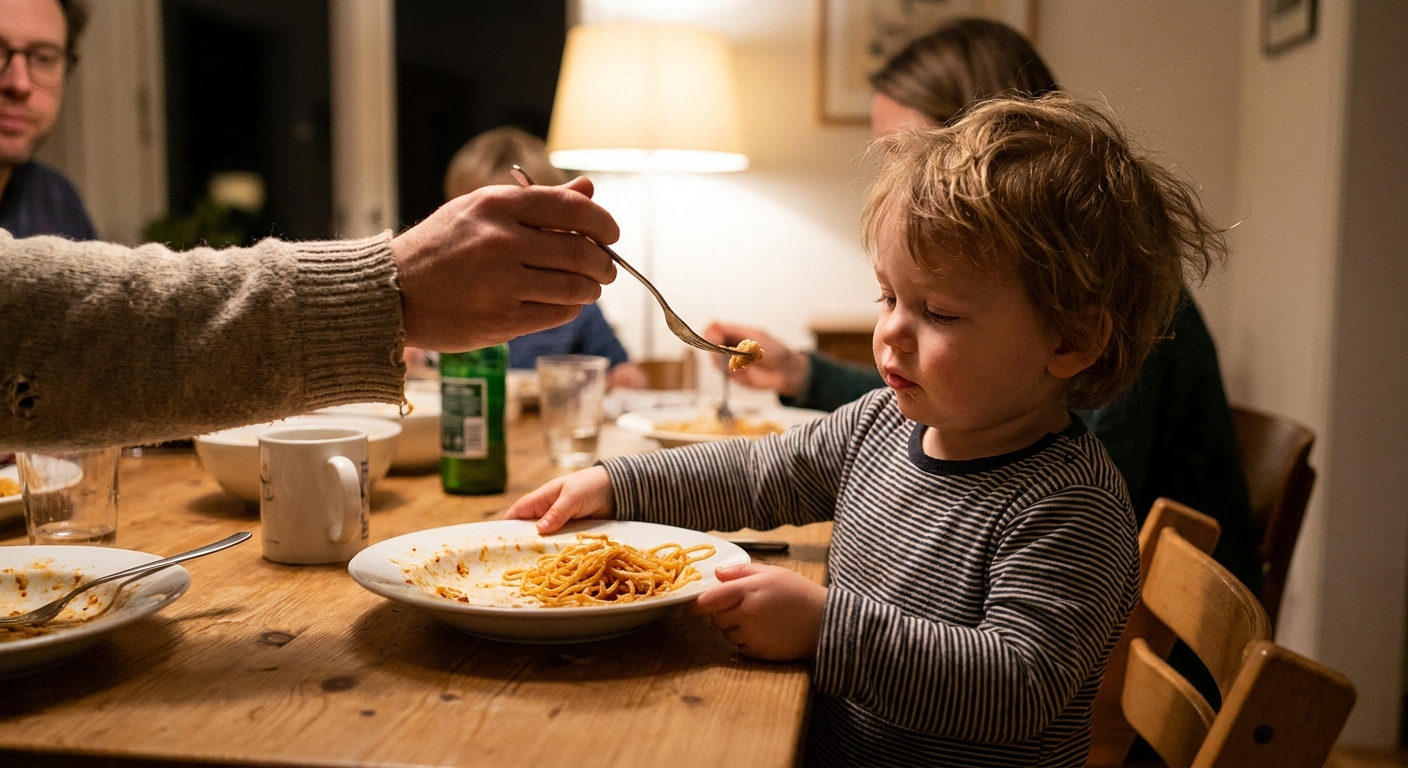
Toddler reflux can show up as throat discomfort, coughing, or food refusal, not baby spit-up. Try realistic food, schedule, and bedtime strategies and learn ...
Eosinophilic Esophagitis in Kids

Sarah Mitchell
Sarah Mitchell is a Registered Pediatric Nurse and a mother of three who has spent over a decade helping families navigate the beautiful, chaotic early years of childhood. She combines evidence-based medical knowledge with real-world parenting experience to offer practical, compassionate advice. At Awesome Parent, Sarah's mission is to help exhausted parents find solutions, trust their instincts, and finally get some sleep.
Some kids are picky. Some kids have reflux. And some kids are picky because swallowing hurts, food feels stuck, or their esophagus is inflamed in a way that looks like reflux at first.
That last category is where eosinophilic esophagitis (EoE) often lives. If you have been bouncing between “it’s just reflux” and “they’re just stubborn,” you are not alone. In triage in the emergency department, I saw families come in exhausted and worried, because every meal felt like a battle and every night came with coughing, vomiting, or belly pain.

Let’s talk about what EoE can look like in real life, why it gets confused with other issues, how diagnosis typically happens, and what you can do at home to keep meals safer and lower stress while you coordinate care with your pediatrician, allergist, and GI specialist.
What EoE is
Eosinophilic esophagitis is a chronic, immune-mediated condition where a type of white blood cell called an eosinophil builds up in the lining of the esophagus.
In children, EoE is thought to be triggered primarily by food antigens. Some families also notice seasonal flares or associations with environmental allergies, but foods are usually the main driver.
Over time, inflammation can make the esophagus feel irritated or tight, and in some cases it can lead to narrowing and rings. That is why some children eat slowly, avoid certain textures, gag or vomit, or say food “won’t go down.”
Important note from the nurse in me: EoE is real, treatable, and not your fault. It is also not something you can diagnose at home based on symptoms alone.
Symptoms parents notice
EoE symptoms vary by age, and they often overlap with reflux, anxiety around eating, sensory sensitivities, or typical toddler pickiness. Here are patterns that often prompt clinicians to consider EoE.
Babies and toddlers
- Frequent vomiting or spit-up that does not improve as expected
- Feeding refusal, fussiness during feeds, back arching
- Slow weight gain or falling off their growth curve
- Ongoing “reflux” symptoms despite a reasonable plan
- Sleep disruption that seems tied to discomfort
Older kids and teens
- Trouble swallowing (dysphagia), especially with meats or bread
- Food impaction (food gets stuck in the throat or chest)
- Chest pain or burning that may be labeled as heartburn
- Abdominal pain, nausea, or vomiting
- Very slow eating, needing lots of water to get food down
- Avoiding specific textures or “unsafe” foods
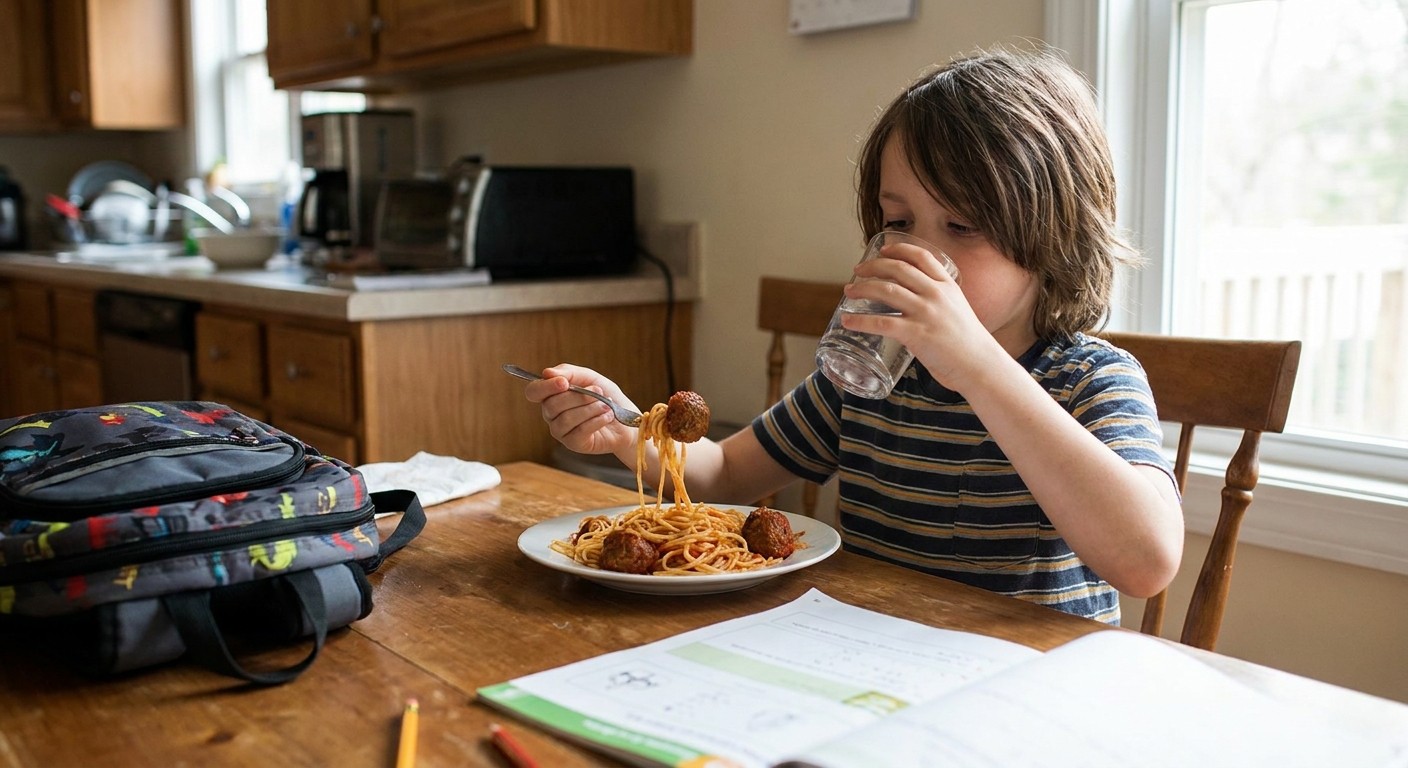
One classic clue: a child who seems “picky” but is also doing a lot of workarounds, like cutting food into tiny pieces, chewing forever, taking frequent sips of water, preferring soups and smoothies, or avoiding family meals because it is stressful.
Reflux vs EoE
EoE and GERD (acid reflux) can look very similar. Both can cause vomiting, discomfort, poor appetite, and sleep disruption.
Here is the tricky part: some children have both. But many kids with EoE get labeled as reflux first, try acid suppression meds, and still struggle.
Clues it may be more than reflux
- Symptoms persist despite a reasonable reflux plan
- Swallowing issues, gagging with textures, or “food stuck” complaints
- History of eczema, asthma, seasonal allergies, or food allergies
- Strong preference for soft foods and liquids, especially as they get older
- Episodes of food impaction (this is a big one)
If your child has a suspected food impaction and cannot swallow saliva, is drooling, or has significant chest pain, treat that as urgent. Do not try to “push it down” with more food or water.
EoE and ARFID overlap
ARFID (Avoidant/Restrictive Food Intake Disorder) is a feeding and eating disorder where intake is limited enough to affect growth, nutrition, or daily life. Some kids avoid food because of sensory issues, anxiety, or a fear of choking or vomiting.
EoE can mimic ARFID, and it can also lead to ARFID-like behavior. If swallowing hurts or food gets stuck, kids learn quickly that eating is risky. Avoidance is a smart survival strategy, not misbehavior.
What this means for parents
- It is okay to take your child’s food fears seriously.
- Pushing “one more bite” can backfire if pain is part of the picture.
- Medical workup and feeding support can happen together. You do not have to pick one lane.
If you are seeing major restriction, weight loss, or intense anxiety around eating, ask your pediatrician about a referral to feeding therapy in parallel with GI evaluation.
Allergies and a key myth
Many children with EoE also have other allergic conditions like eczema, asthma, allergic rhinitis, or IgE-mediated food allergies. That is why EoE is often managed with a mix of GI and allergy specialists.
Myth: “A skin prick test will tell us exactly what foods cause EoE.”
Reality: allergy testing can be helpful for identifying classic IgE food allergies, but EoE triggers are not always predicted well by standard tests. Some kids react in the esophagus without having a typical immediate allergy reaction.
Because of that, many EoE plans use either medication, an empiric elimination diet, or a targeted approach coordinated by specialists.

How EoE is diagnosed
EoE cannot be diagnosed based on symptoms alone. The standard diagnosis is made by a pediatric gastroenterologist with an upper endoscopy and biopsies of the esophagus.
What the path often looks like
- Primary care visit: growth review, symptom pattern, and basic screening for other causes
- Initial treatment trial: sometimes reflux management is tried first, depending on the story
- Referral to GI: especially if there are red flags like dysphagia, poor growth, or refractory symptoms
- Endoscopy: the doctor looks at the esophagus and takes tiny tissue samples
- Pathology results: biopsies show eosinophils above a diagnostic threshold, along with supportive findings
Endoscopy sounds scary. As a pediatric nurse and a mom, I can tell you it is very common in children’s hospitals, and the team does this all day. Your GI will walk you through fasting instructions, anesthesia, and what to expect afterward.
What doctors may see
Sometimes the esophagus looks normal. Other times, doctors may see rings, furrows, swelling, or white patches. Biopsies are still required because the scope view alone cannot confirm EoE.
Questions to ask
- What symptoms make you suspect EoE versus reflux, constipation, or functional pain?
- Do we need an allergy referral now, or after diagnosis?
- What should we do if food gets stuck?
- How are we monitoring growth and nutrition in the meantime?

When to seek urgent care
Please trust your gut and get urgent help if you see any of the following:
- Food impaction where your child cannot swallow, is drooling, or has significant chest or throat pain
- Signs of dehydration (very dry mouth, no tears, minimal urine, lethargy)
- Breathing trouble, wheezing, or swelling of lips or face after eating (possible allergic reaction)
- Persistent vomiting with inability to keep fluids down
- Weight loss or rapid decline in intake
Treatment basics
Once EoE is diagnosed, treatment plans are individualized. Many teams talk about the “3 Ds”: Diet, Drugs, and (when needed) Dilation.
Common approaches include:
- Swallowed topical steroids: medicines like fluticasone (often from an asthma-style inhaler, but swallowed instead of inhaled) or budesonide (often mixed into a slurry). They coat the esophagus to treat inflammation locally.
- Diet therapy: removing certain trigger foods under medical guidance
- Proton pump inhibitors (PPIs): sometimes used not only for reflux, but because they can reduce EoE inflammation in some children
- Biologic medication: for select patients, based on severity and coexisting allergic disease, guided by a specialist
- Esophageal dilation: in specific cases where narrowing is present
Your child’s team will also keep an eye on growth, iron status, vitamin intake, and how realistic the plan is for your family. A plan that looks great on paper but makes your child afraid to eat is not a win.
Mealtime ideas while you wait
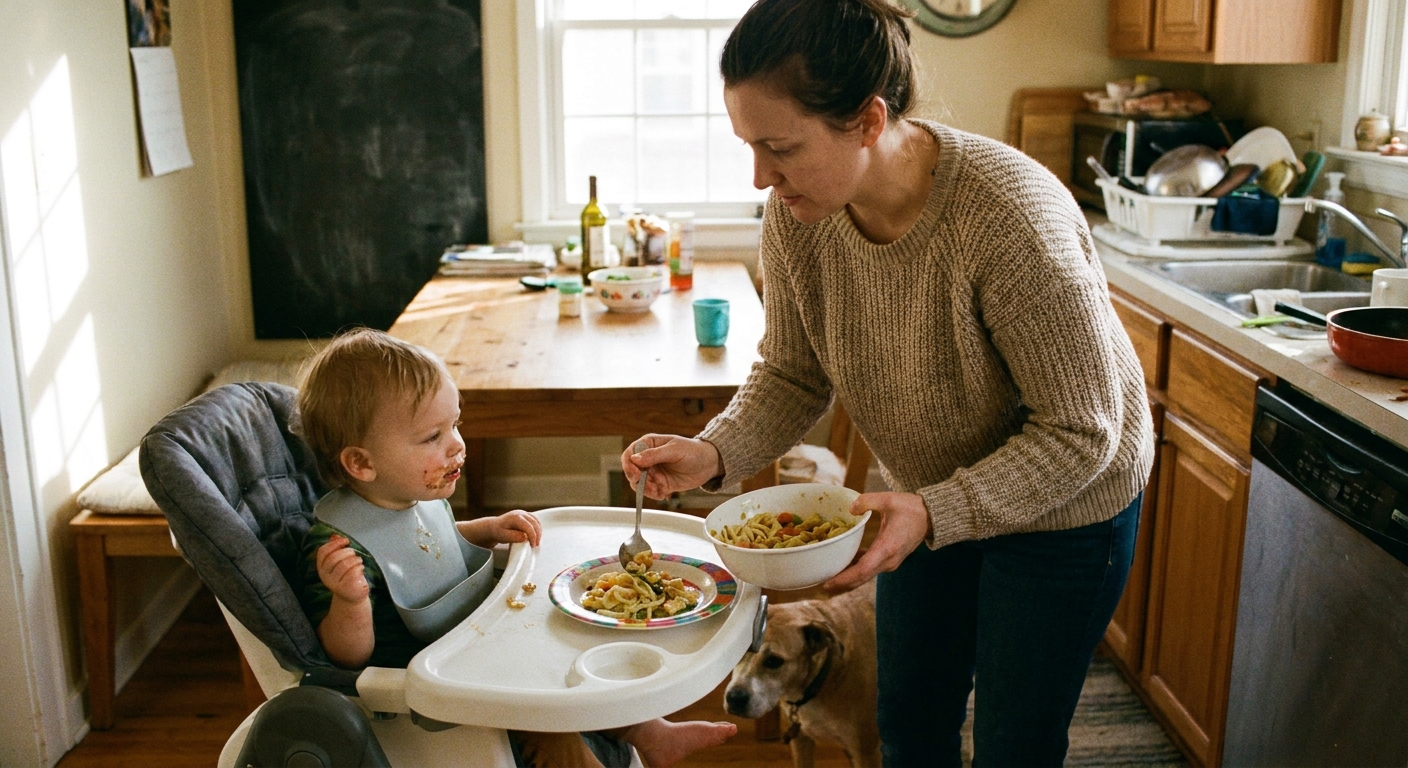
If you are in the “we suspect something, we are waiting for appointments” stage, your job is not to solve EoE at home. Your job is to keep meals safe, protect nutrition as best you can, and reduce stress at the table. This does not replace medical evaluation, especially if choking or food-stuck episodes are part of the picture.
1) Make swallowing easier
- Offer softer textures that go down more comfortably: yogurt, applesauce, oatmeal, mashed potatoes, soups (not too hot), well-cooked pasta, scrambled eggs
- Moisten dry foods: add sauces, broth, butter, olive oil, or gravy to reduce “sticking”
- Cut food small and encourage slow chewing with close supervision, especially with high-risk foods like meats and breads
- Keep water available, but try not to make water the only way they can swallow a bite
2) Keep meals low pressure
- Serve safe foods alongside a tiny amount of family food
- Try a “you choose the order” plate: they decide what to eat first, no commentary
- Use neutral phrases: “You do not have to eat that,” and “Your job is to listen to your body.”
- Limit meal length to about 20 to 30 minutes for young kids, then move on
3) Protect calories and growth
If intake is low, think calorie density rather than volume:
- Add nut butter if tolerated and age appropriate
- Use full-fat dairy if your child tolerates milk
- Blend smoothies with yogurt, fruit, and a tolerated fat source
- Ask your pediatrician if an oral nutrition supplement is appropriate
4) Keep a simple log
A short log can help your clinicians spot patterns:
- What foods are most avoided
- Any gagging, coughing, vomiting, or “stuck” episodes
- Night symptoms and sleep disruption
- Stool pattern (constipation can worsen appetite and vomiting)
Keep it simple. You do not need a spreadsheet that steals your sleep.
Elimination diets
Elimination diets can be very effective for EoE, but they should be done with medical guidance, especially for young children. Removing major food groups without a plan can backfire with nutrition gaps, weight loss, and bigger feeding battles.
If your clinician recommends avoiding certain foods before the GI visit, ask:
- How long should we try this?
- What are the nutrition replacements?
- When do we stop if things worsen?
- Should we involve a pediatric dietitian?
What to tell school and caregivers
Even before a formal diagnosis, you can give caregivers a simple, practical script:
- “My child has difficulty with some textures and may choke, gag, or vomit if pressured.”
- “Please allow extra time to eat and do not rush.”
- “If they say food is stuck, stop eating right away and call me.”
- “Here are the foods that are safe for now.”
If your child has had food impactions or significant swallowing trouble, ask your GI team about written instructions for school.
Bottom line
If your child’s reflux is stubborn, their pickiness seems tied to discomfort, or you are hearing words like “stuck,” “hurts,” or “can’t swallow,” it is worth asking about EoE.
You are not overreacting. You are noticing a pattern.
Start with your pediatrician, push for a GI referral when red flags are present, and in the meantime, keep meals soft, calm, and safe. You do not need perfect meals. You need a child who feels safe at the table and a care team that takes your concerns seriously.
Quick reminder: This article is educational and not a substitute for medical care. If your child has signs of food impaction, dehydration, breathing trouble, or severe pain, seek urgent evaluation.