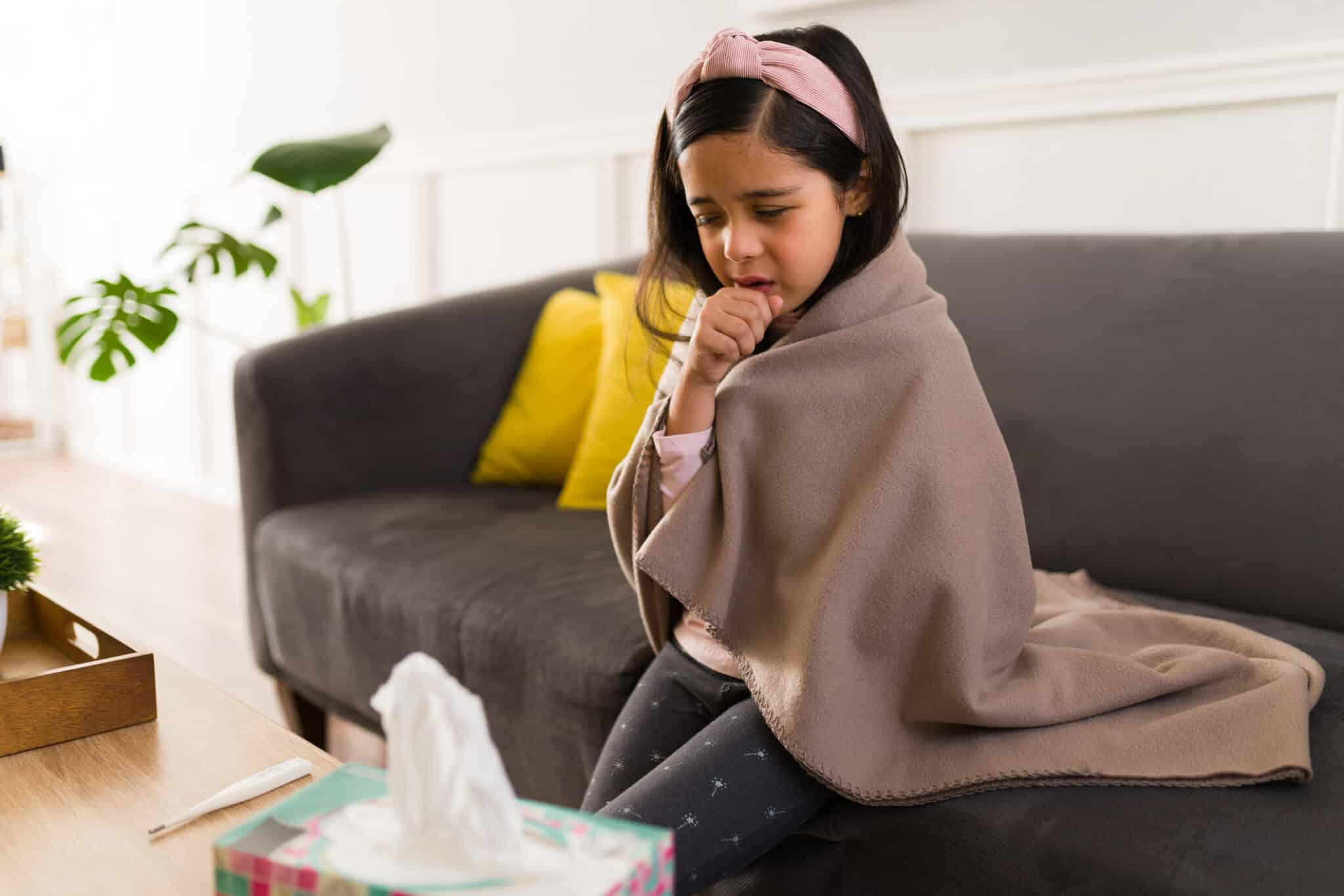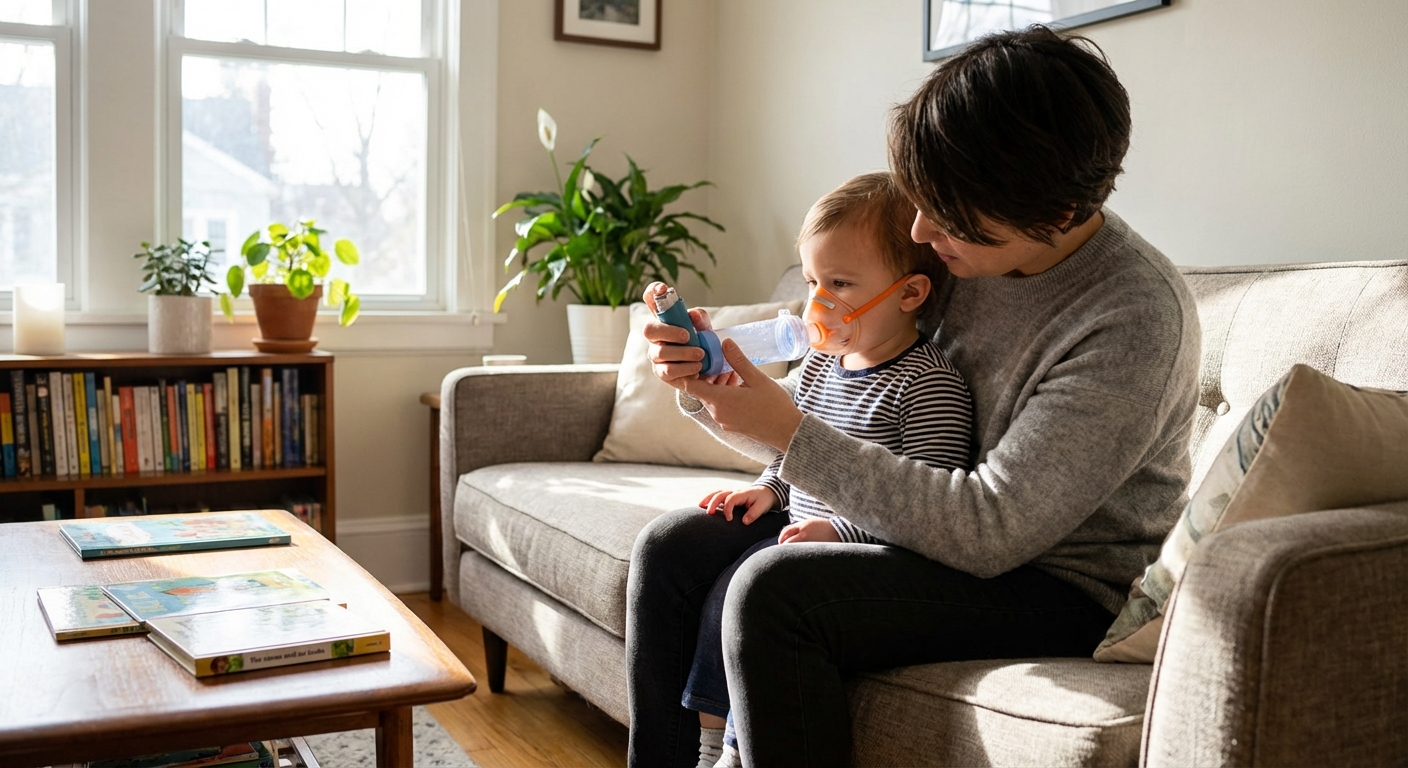
Wheezing, nighttime cough, or breathing trouble during play? Here are toddler asthma warning signs, how diagnosis works, treatments (including spacers), and ...
Exercise-Induced Asthma in Kids

Sarah Mitchell
Sarah Mitchell is a Registered Pediatric Nurse and a mother of three who has spent over a decade helping families navigate the beautiful, chaotic early years of childhood. She combines evidence-based medical knowledge with real-world parenting experience to offer practical, compassionate advice. At Awesome Parent, Sarah's mission is to help exhausted parents find solutions, trust their instincts, and finally get some sleep.
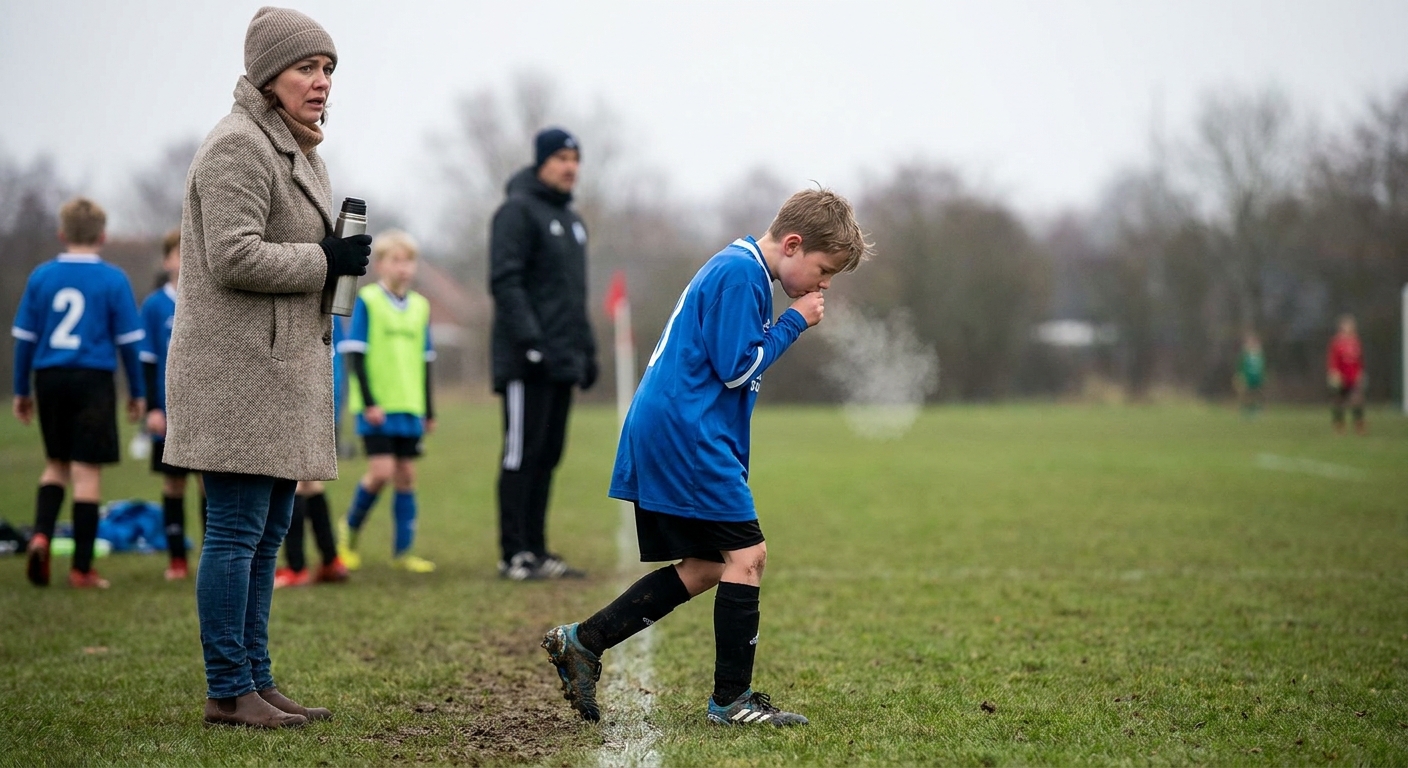
If your kiddo can sprint through half of soccer practice and then suddenly start coughing like they swallowed a dust bunny, you are not alone. As a pediatric nurse, I saw this pattern all the time. As a mom, I have also been the one on the sidelines thinking, “Is this asthma? A cold? Or did we just push too hard?”
The good news is that most kids with breathing symptoms during sports can still play. The key is figuring out whether this is exercise-induced bronchoconstriction (often called exercise-induced asthma), a lingering viral cough, or something else, then making a simple plan with your child’s clinician.
What “exercise-induced asthma” really is
Most families use the phrase “exercise-induced asthma,” but the more precise term is exercise-induced bronchoconstriction (EIB). Here is what that means in plain language:
- During exercise, kids breathe faster and often through their mouth.
- That can bring in cooler, drier air that irritates sensitive airways.
- The airway lining can react by tightening and swelling, making it harder to move air out.
EIB can happen in kids who already have asthma, and it can also happen in kids who do not have day-to-day asthma symptoms.
EIB vs. a viral cough: how it often looks
In triage, one of the most helpful clues is timing.
More typical of EIB
- Coughing, wheeze, chest tightness, or shortness of breath that starts during hard activity or shortly after.
- Symptoms often peak within about 5 to 15 minutes after stopping, then gradually improve.
- It happens repeatedly with similar activity, especially intense bursts.
- Cold air and dry weather make it worse.
- Your child may say, “My chest feels tight,” “I can’t get air out,” or they may just slow down and look uncomfortable.
More typical of a viral cough (common cold)
- Cough is present throughout the day and night, not just with exercise.
- Runny nose, sore throat, fever, or general “under the weather” vibe.
- Cough can linger for 2 to 4 weeks after a virus (sometimes longer), even when the child seems otherwise okay.
- Exercise may trigger coughing because the airways are irritated, but it is not as predictable and tends to come with other cold symptoms.
One important note: kids can have both. A virus is a common reason EIB flares up.
Other things that can look like EIB
Not every “can’t breathe during sports” story is asthma. If the pattern does not quite fit, these are a few common mimics clinicians think about:
- Inducible laryngeal obstruction (vocal cord issues): often a high-pitched noise on the way in, sudden onset at peak effort, and quick improvement when the child stops.
- Deconditioning: winded quickly but usually no wheeze or lingering cough, and stamina improves steadily with training.
- Anemia: fatigue, poor endurance, sometimes dizziness or looking pale.
- Anxiety or panic: fast breathing and chest tightness that can overlap with EIB, especially in high-pressure games.
- Cardiac causes are rare, but chest pain, fainting, or symptoms that are out of proportion to exertion deserve prompt medical evaluation.
This is another reason it is worth checking in if symptoms repeat. You want the right diagnosis so your child gets the right help.
Common sport triggers parents miss
You do not need to bubble-wrap your child. You just want to know what stacks the deck against them.
- Cold air (early morning games, winter sports, cold outdoor practices).
- Hard sprints and stop-and-go drills (soccer, basketball, hockey, lacrosse).
- Long, steady endurance (distance running) for some kids.
- Chlorine and strong pool odors in poorly ventilated indoor pools.
- Pollen and outdoor allergens (especially if your child also has allergies).
- Air pollution or wildfire smoke.
- Big laughing fits or loud cheering right after intense activity can trigger coughing for some kids with sensitive airways.
Symptoms to take seriously
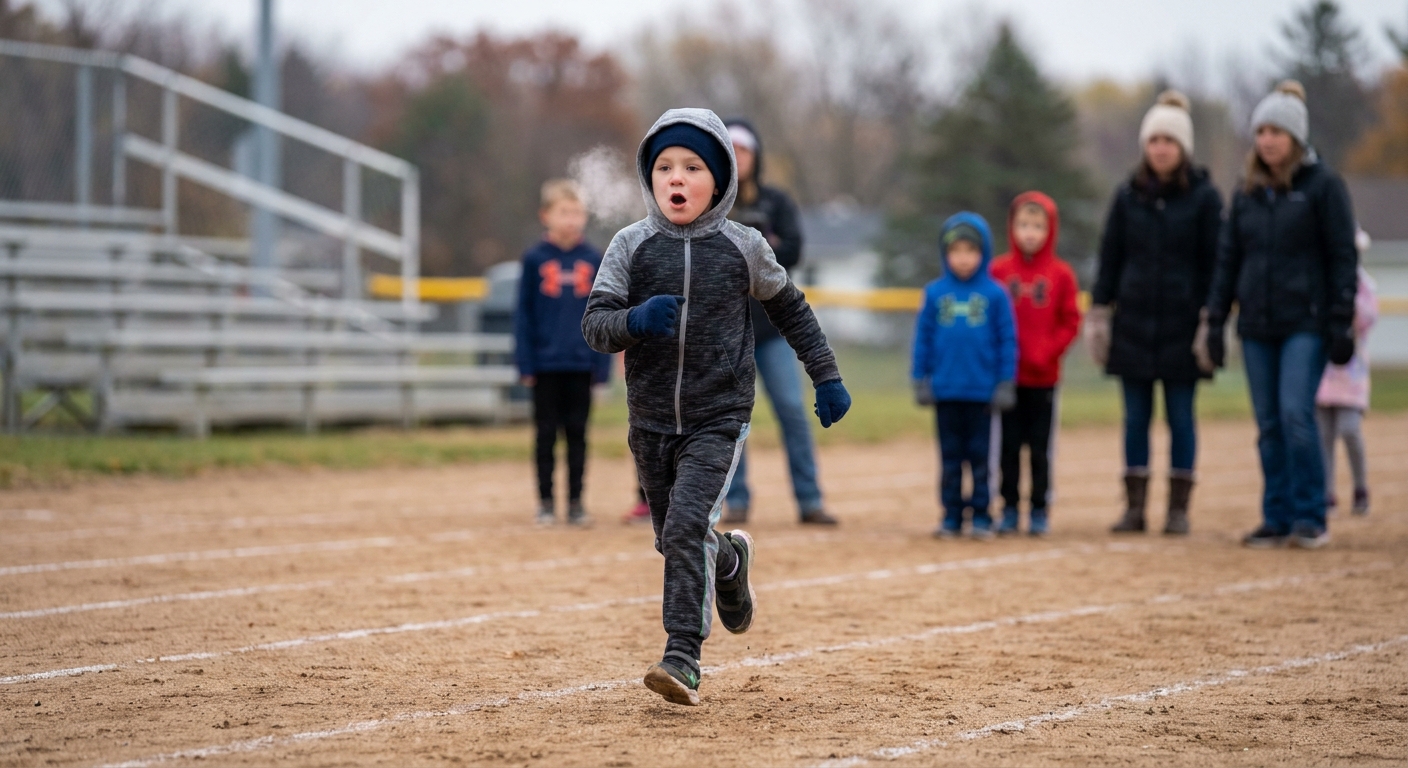
Some kids express discomfort loudly. Some kids stay quiet even when they are struggling. So I like objective clues.
Signs it may be EIB (not just “out of shape”)
- Coughing that keeps going after they stop.
- Wheezing or a whistling sound (and remember, wheeze is not always easy to hear).
- Chest tightness or “hurts to breathe.”
- They cannot keep up compared with their normal baseline.
- They recover slowly compared with teammates.
- They avoid sports they used to enjoy.
Less obvious symptoms (very common in kids)
- “Stomach hurts” during running.
- Throat clearing or a “barky” cough that shows up mainly with exertion.
- Unexplained fatigue or irritability after PE.
If you are unsure, it can help to take a short video of the coughing or breathing pattern to show your child’s clinician. It is often more useful than trying to describe it later.
How clinicians confirm it
Sometimes the story is classic and your clinician will start with a practical plan. Other times, they may recommend testing to be sure.
- Spirometry (breathing test) before and after a bronchodilator.
- Sometimes an exercise challenge or a monitored trial based on symptoms.
This can be especially helpful if symptoms are severe, unpredictable, or not improving with the usual steps.
Warm-ups that help
A thoughtful warm-up can reduce EIB symptoms for many kids by easing the airways into the higher breathing rate.
Try this simple warm-up plan
- 10 to 15 minutes total before full-intensity play.
- Start with easy movement (walking, light jog, dynamic stretching).
- Add short bursts (for example, 20 to 30 seconds faster, then 60 seconds easy) a few times.
- Finish with a minute or two of easier movement before drills start.
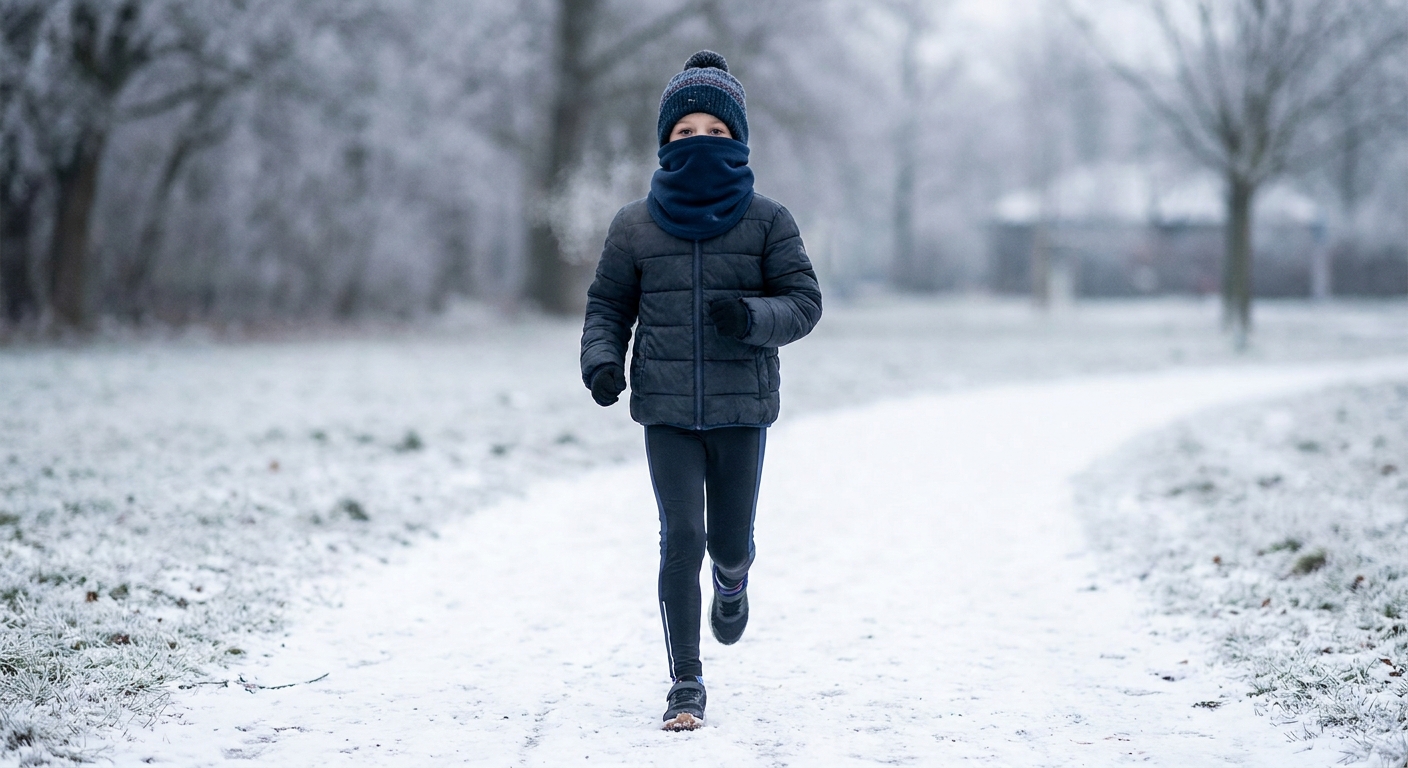
For cold-weather sports, a mask or neck gaiter over the mouth and nose can warm and humidify the air, which helps some kids a lot.
Inhaler basics for parents
There are two common medication roles you will hear about. Your child’s clinician will tailor this based on history and exam, and sometimes breathing tests.
1) “Rescue” inhaler (quick-relief)
This is usually a short-acting bronchodilator that relaxes tightened airway muscles.
- Many kids with EIB are advised to use it before exercise (often 10 to 15 minutes before). Follow your clinician’s instructions exactly.
- It can also be used if symptoms start during sports, per the child’s asthma action plan.
- If your child needs the rescue inhaler often to get through regular activities, that is a sign to check in with their clinician. Needing it frequently can mean the airways are not well controlled, and your clinician may recommend adjusting the plan so you are not relying on quick-relief medicine alone.
2) “Controller” medicine (daily prevention for some kids)
Some children need a daily anti-inflammatory medication, especially if they have symptoms outside of sports, nighttime cough, frequent wheeze, or recurrent flares with colds. This is not “failure,” it is just good prevention so they can breathe comfortably and play.
Spacer tip (this is a big deal)
For most kids, using a spacer with a metered-dose inhaler helps the medicine reach the lungs more effectively. If your child has an inhaler and no one has discussed a spacer, ask. It is one of the simplest upgrades you can make.
If you want one more practical tip: have someone on your child’s care team watch their technique once. A 60-second correction can make the medicine work like it is supposed to.

At-home strategies for easier breathing
Medication is not the only tool. These practical steps help reduce irritation so your child’s airways are less reactive.
- Manage allergies: if pollen, dust, or pets are triggers, talk with your clinician about an allergy plan.
- Check air quality: on smoky or high-pollution days, move practice indoors when possible.
- Cold air protection: gaiter or mask, longer warm-up, avoid immediate all-out sprints.
- Hydration: it does not cure EIB, but it supports overall performance and recovery.
- Reflux awareness: frequent heartburn or nighttime cough can worsen airway irritation. Mention it at appointments.
- Secondhand smoke: even “only outside” smoke on clothing can be a trigger for some kids.
- Gear check: make sure inhalers are not expired, have doses left, and are labeled if they are going to school, sports, or camp.
Also, do not underestimate the power of good coaching cues: reminding a kid to pace early in a race or to take a quick break before symptoms snowball can prevent a full flare.
What to do at practice
Here is a simple sideline approach that is both calm and safe.
- Pause and assess: Is your child talking in full sentences? Do they look panicked? Are ribs pulling in with breathing?
- Move to cleaner air: away from smoke, dust, or strong odors. In cold air, cover mouth and nose.
- Use the prescribed rescue inhaler exactly as your plan says.
- Re-check in 10 to 15 minutes: Many EIB episodes improve with rest and quick-relief medication.
- Return to play gradually: if they bounce back and your plan allows, rejoin slowly. If coughing, tightness, or breathlessness keeps lingering, do not push through. Sit out and follow up with the clinician.
If your child repeatedly needs their inhaler mid-game to keep going, that is your sign to schedule a follow-up. The goal is not just “survive practice.” The goal is comfortable breathing and confidence.
Call vs urgent care
Parents deserve clear lines here, because “watch and wait” feels impossible when your child is struggling to breathe.
Call your child’s clinician soon (same day or within a few days) if:
- Coughing or breathing symptoms happen with exercise more than once or are becoming more frequent.
- Your child is needing a rescue inhaler more often than the plan suggests or before most practices.
- Symptoms are limiting participation in PE, sports, or recess.
- There is nighttime cough, wheeze, or chest tightness.
- Your child has repeated “bronchitis” diagnoses or lingering cough after colds.
- A cough lasts beyond about 4 weeks, or you are seeing it trend toward 6 to 8 weeks, even if it started as a simple cold.
Seek urgent care or emergency care now if:
- Your child is struggling to breathe at rest, breathing very fast, or using extra muscles (ribs pulling in, belly working hard).
- They cannot speak in full sentences, seem unusually sleepy, or are too breathless to walk.
- You see blue or gray color around lips or face.
- Rescue inhaler use is not helping as expected or symptoms return quickly and strongly.
- There is fainting, severe chest pain, or a sudden reaction after a sting or food (think allergy emergency).
If you are ever on the fence, trust your instincts and get evaluated. You are not “overreacting” when breathing is involved.
School, sports, and camp plans
Kids with EIB do best when the adults around them have a simple, written plan.
Ask your clinician for:
- An asthma action plan, which is a one-page set of instructions for daily care, exercise, and flare-ups.
- Clear instructions for pre-exercise medication and what to do if symptoms start.
- Guidance on when to sit out and when return to play is okay.
For school and sports, consider:
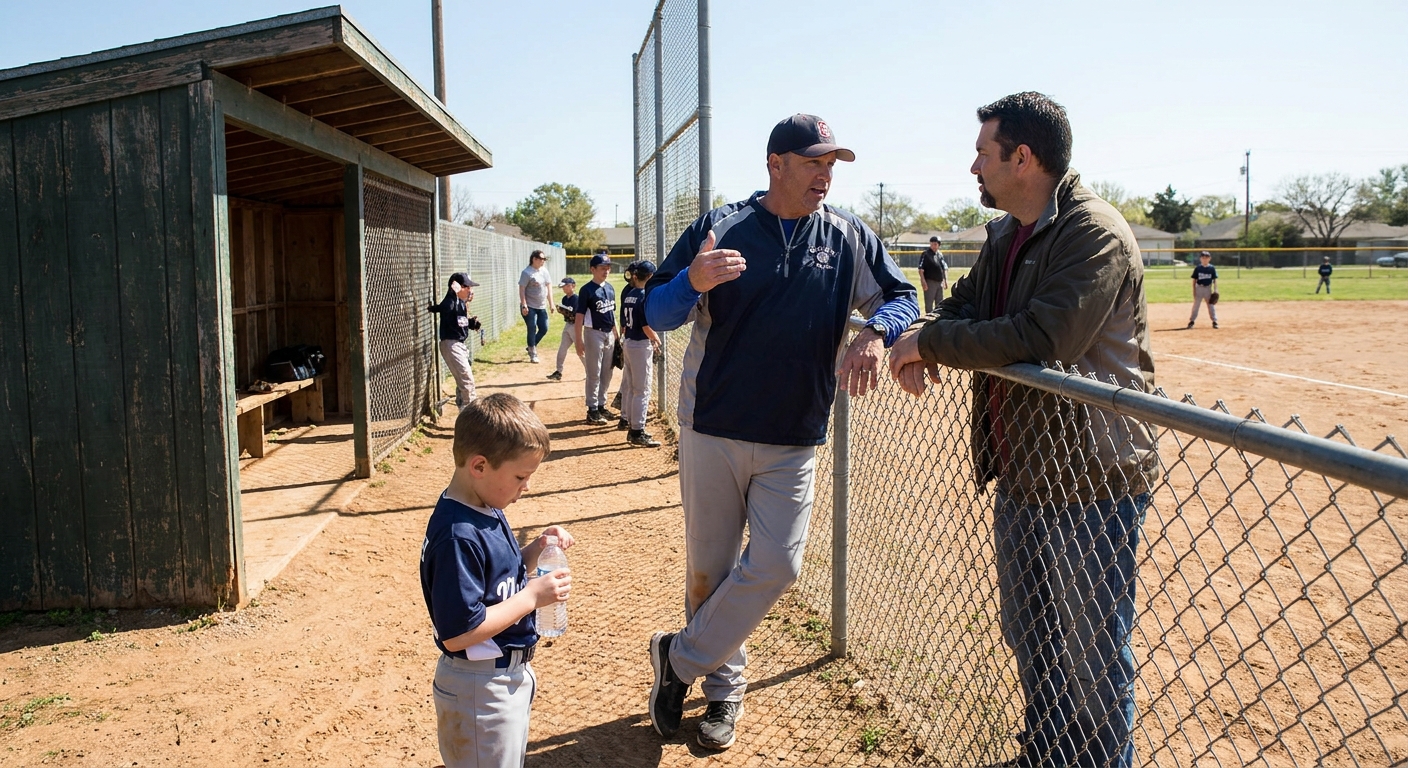
- Making sure the inhaler and spacer are accessible during PE, practice, and games (not locked in an office across campus).
- Confirming whether your child can self-carry medication based on school policy and your clinician’s recommendation.
- Letting coaches know the child may need a longer warm-up and a brief break if symptoms start.
- For camp, sending medication in its original packaging plus the action plan and a quick note about triggers like cold air or pool chemicals.
FAQ parents ask
Can my child still play sports if they have exercise-induced asthma?
In most cases, yes. With the right warm-up and medication plan, many kids play at a very high level. The goal is full participation with minimal symptoms.
Is coughing after sports always asthma?
No. It can be a post-viral cough, allergies, throat irritation, reflux, vocal cord issues, or simple overexertion. The pattern and repeatability matter, and your clinician can help sort it out.
What if my child only wheezes with colds?
That is common. Viruses inflame airways, and exercise can trigger symptoms more easily during and after an illness. This is worth discussing with your clinician because some kids need a temporary step-up plan during colds.
A quick takeaway
If your child coughs after sports, you do not have to choose between “ignore it” and “panic.” Pay attention to the pattern, try a warm-up that eases them in, reduce obvious triggers like cold dry air when you can, and coordinate with your child’s clinician for an inhaler and school sports plan if needed.
And from one tired parent to another: the goal is not perfect breathing every minute. The goal is a kid who feels safe, can run and play, and comes home proud instead of wiped out and scared.
Sarah Mitchell
Sarah Mitchell is a Registered Pediatric Nurse and a mother of three who has spent over a decade helping families navigate the beautiful, chaotic early years of childhood. She combines evidence-based medical knowledge with real-world parenting experience to offer practical, compassionate advice. At Awesome Parent, Sarah's mission is to help exhausted parents find solutions, trust their instincts, and finally get some sleep.