
A calm, practical guide to toddler flu: how to tell it from a cold, what symptoms look like day by day, safe at-home care, Tamiflu considerations, ER warning...
Flu Shot for Babies and Young Kids

Sarah Mitchell
Sarah Mitchell is a Registered Pediatric Nurse and a mother of three who has spent over a decade helping families navigate the beautiful, chaotic early years of childhood. She combines evidence-based medical knowledge with real-world parenting experience to offer practical, compassionate advice. At Awesome Parent, Sarah's mission is to help exhausted parents find solutions, trust their instincts, and finally get some sleep.
If you have ever tried to schedule a pediatric appointment while holding a squirmy toddler and reading about flu season online, you already know the vibe: confusing, urgent, and somehow accusatory. Let’s turn the volume down.
This page is here to explain the seasonal flu vaccine for babies and young kids in plain language: when they can get it, why timing matters, what side effects usually look like, and the most common worries I hear from tired parents. This is general education, not personal medical advice. Your child’s pediatrician is the best person to tailor recommendations to your kid.
Flu is not just a bad cold
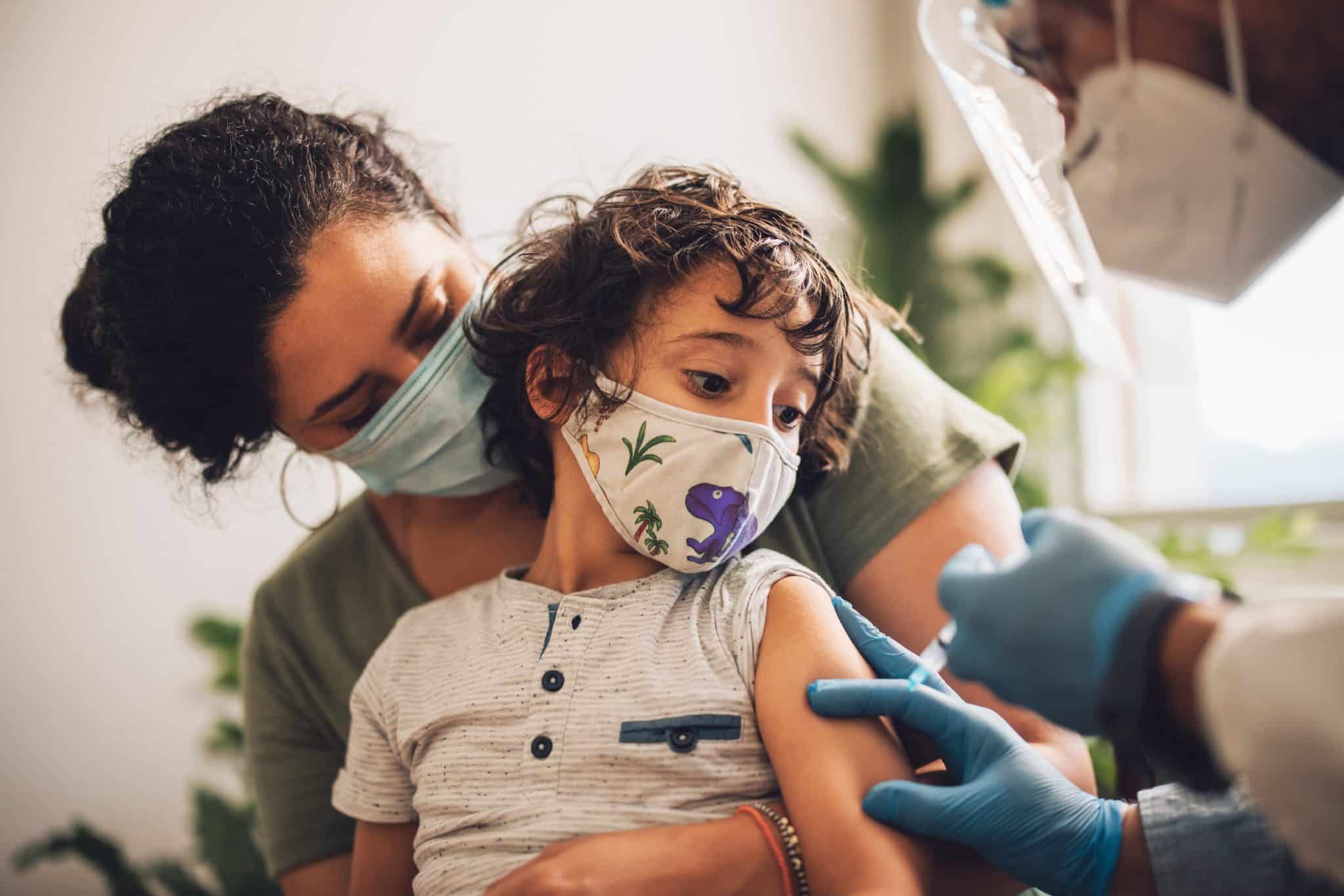
Influenza is a contagious respiratory illness that can hit kids hard. Some children bounce back quickly, but others can develop complications like pneumonia, dehydration, or worsening of asthma. In general, children under 5 years old (especially under 2) are at higher risk of serious flu complications and hospitalization.
The flu shot helps the immune system recognize flu viruses. It does not guarantee your child will never get the flu, but it can lower the chance of getting sick and can make illness milder if they do catch it. Also worth saying plainly: the flu shot does not prevent common colds, and vaccine effectiveness can vary by season based on which strains are circulating.
When can babies get a flu shot?
Age basics
- Under 6 months: Flu vaccines are not approved or recommended for babies younger than 6 months in the U.S. Protection comes from the people around them being vaccinated, plus everyday hygiene like hand washing.
- 6 months and older: Most babies and children can get a flu shot every flu season.
Do kids need one dose or two?
Many parents are surprised by this part: some children need two doses in their first season getting the flu vaccine.
- If your child is 6 months through 8 years and has never had a flu vaccine before (or has not had enough prior doses in past seasons), they may need two doses given at least 4 weeks apart.
- If your child has previously had the flu vaccine and meets the criteria for being fully primed, they typically need one dose each season.
Your pediatrician’s office can check the record and tell you which schedule fits your child.
Best time to get it
Flu season timing varies year to year, but flu often rises in the fall and winter. The goal is to vaccinate early enough that your child has time to build protection before flu starts circulating heavily in your community.
A practical plan
- Aim for early fall when possible, especially if your child needs two doses so you have time to fit in the second one.
- Do not panic if it is later. Getting vaccinated later in the season can still provide protection.
- Plan around known exposures like daycare start dates, school, holiday travel, and visits with high-risk family members.
One nurse-to-parent tip: if your child needs two doses, schedule the second appointment before you leave the clinic. It is the easiest way to avoid the “wait, it’s been six weeks already?” moment.
Normal side effects
Most kids handle the flu shot like champs, and many have no noticeable side effects. When side effects do happen, they tend to be mild and short-lived. Think: immune system doing its practice run.
Common, mild side effects
- Soreness, redness, or swelling where the shot was given
- Low-grade fever
- Fussiness or extra sleepiness in babies
- Headache or muscle aches in older kids
- Decreased appetite for a day or two
These usually start within 1 to 2 days and improve over 24 to 48 hours.
Comfort measures that are usually enough
- Offer extra fluids and normal meals and snacks as tolerated
- Dress your child comfortably if they feel warm
- A cool compress can help with arm soreness
- If your pediatrician has already said it is OK for your child, ask about age-appropriate fever or pain medicine dosing
When to call the doctor
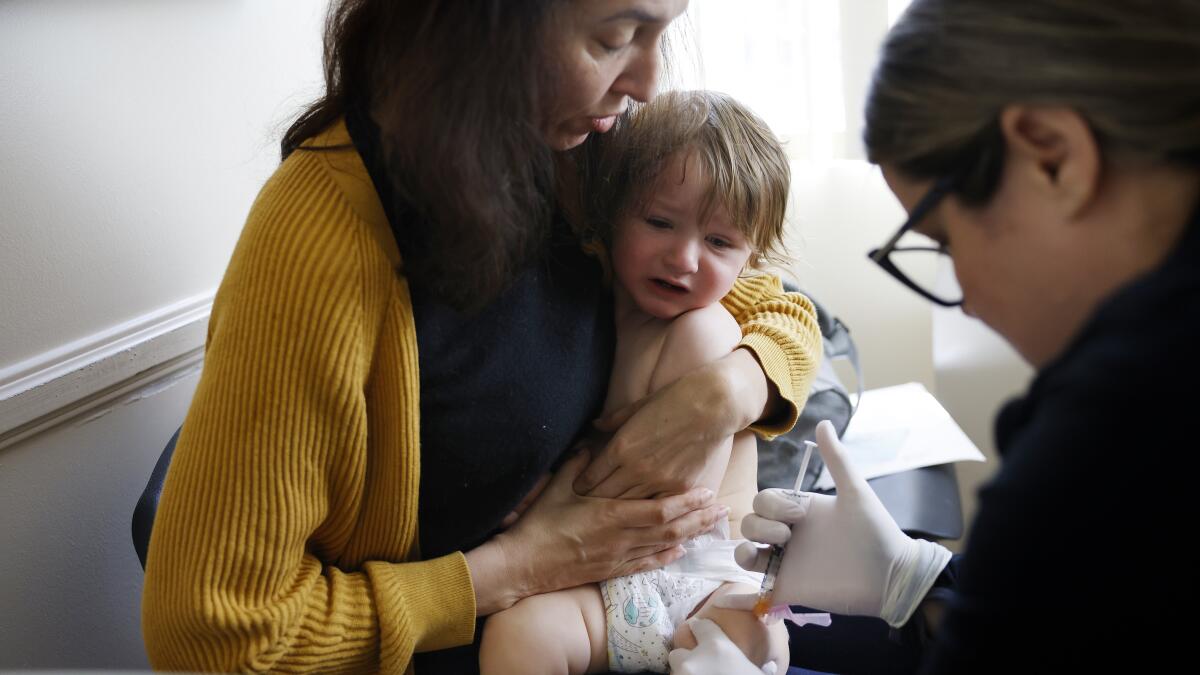
Serious reactions are uncommon, but as a triage nurse I always preferred parents to call when something feels off. Trust your gut.
Call your pediatrician promptly if your child has:
- Fever that is high, persistent, or paired with unusual behavior (extreme sleepiness, inconsolable crying, poor feeding)
- Worsening swelling, warmth, or pain at the injection site after the first day, or any drainage
- Hives, swelling of the face or lips, vomiting, trouble breathing, or a widespread rash soon after vaccination
- Any symptoms that worry you, especially in a baby
Seek emergency care right away for trouble breathing, signs of a severe allergic reaction, or if your child becomes difficult to wake.
Common worries (and what’s true)
“Can the flu shot give my child the flu?”
No. The injectable flu shot uses inactivated virus or specific components of the virus. It cannot cause influenza infection.
What can happen is tricky timing: your child might catch a different cold virus around the same time, or they may be exposed to flu right before the vaccine has time to work. The immune system typically needs about two weeks to build protection.
“My child got sick after the flu shot last year. Should we skip it?”
A mild fever or crankiness after vaccination is common and not dangerous. If your child had a significant reaction or you are unsure what happened, bring the details to your pediatrician so they can help you weigh risks and benefits for this season.
“Do healthy kids really need it?”
Even healthy kids can get very sick from flu, and they can spread it to babies, grandparents, pregnant relatives, and classmates with medical conditions. Vaccinating children can protect them and the people around them.
“What if my child is allergic to eggs?”
This is a big one, and the guidance has become much more reassuring over time. In the U.S., the CDC and AAP say that people with egg allergy can receive any age-appropriate flu vaccine. They do not need special precautions beyond the standard safety steps used for all vaccines.
In plain language: your child can usually get their flu shot at their regular pediatrician’s office, just like any other child. If your child has a history of a severe allergic reaction to a flu vaccine itself (not just eggs), that is different, so be sure your clinician knows the details.
“Can my child get the flu shot with other vaccines?”
Often, yes. Many children receive the flu vaccine during the same visit as routine childhood immunizations. Your pediatrician can recommend what makes the most sense based on your child’s schedule and health history.
Flu vaccine options
Depending on your child’s age, health history, and what is available locally, your pediatrician may offer different flu vaccine formulations.
- Flu shot (injection): Common for babies and young kids.
- Nasal spray vaccine: An option for some children 2 years and older who meet health criteria. It is not used for everyone. For example, some kids with certain medical conditions (and anyone who is pregnant) may be advised to choose the shot instead.
If you are unsure which one your child is getting, it is totally fine to ask. You deserve to understand what is going into your kid’s body.
Who should wait today?
Most children can get a flu vaccine safely, but sometimes the right answer is “not today.” Your clinician will screen for this, but it helps to know the big ones.
- Moderate or severe illness: If your child is really sick (not just mild sniffles), your pediatrician may recommend waiting until they are better.
- History of a severe allergic reaction to a prior flu vaccine or a vaccine ingredient: This requires a clinician-led plan.
- Past Guillain-Barré syndrome after a flu vaccine: Rare, but important to mention to your child’s clinician.
High-risk kids
Some children are at higher risk for serious flu complications, and for them the flu vaccine is especially important. This includes many kids with conditions like asthma, chronic lung or heart disease, diabetes, neurologic or neurodevelopmental conditions, and immune compromise. If you are not sure whether your child counts, ask your pediatrician. You are not supposed to guess.
If your baby is under 6 months
Since babies under 6 months cannot get the flu shot, protection becomes a team sport.
Ways to protect young infants
- Make sure parents, siblings, and caregivers are vaccinated if they can be
- If you are pregnant during flu season, ask your OB or midwife about the flu shot. Vaccination during pregnancy can help protect your newborn after birth
- Ask visitors to stay away if they are sick, even if it is “just allergies”
- Wash hands before holding the baby
- Consider limiting crowded indoor gatherings during peak flu circulation

Quick checklist
- Check your child’s age and whether this is their first flu vaccine season
- If two doses are needed, schedule both appointments
- Plan for possible mild side effects the next day, like a sore arm or low fever
- Call your pediatrician if something does not feel right
- Remember: later is better than never during flu season
Parenting through flu season is already a lot. Getting the flu shot on the calendar is one of those small, practical steps that can make the rest of the season feel a little less like Russian roulette with daycare germs.
Sources
This article is based on widely accepted guidance used in pediatric clinics, including recommendations from the U.S. Centers for Disease Control and Prevention (CDC) and the American Academy of Pediatrics (AAP). Vaccine recommendations can change season to season, and individual circumstances matter, so use this as a starting point and confirm details with your child’s clinician.
- CDC: Flu and Children
- CDC: Who Needs a Flu Vaccine and When
- CDC: Flu Vaccine and People with Egg Allergies
- AAP: Influenza (flu) information for families
Sarah Mitchell
Sarah Mitchell is a Registered Pediatric Nurse and a mother of three who has spent over a decade helping families navigate the beautiful, chaotic early years of childhood. She combines evidence-based medical knowledge with real-world parenting experience to offer practical, compassionate advice. At Awesome Parent, Sarah's mission is to help exhausted parents find solutions, trust their instincts, and finally get some sleep.