Hives, swelling, vomiting, delayed reactions like FPIES, eczema flares, and anaphylaxis can show up after a new food. Here’s how to tell allergy vs intoler...
FPIES in Babies and Toddlers: Delayed Vomiting and Hidden Food Triggers

Sarah Mitchell
Sarah Mitchell is a Registered Pediatric Nurse and a mother of three who has spent over a decade helping families navigate the beautiful, chaotic early years of childhood. She combines evidence-based medical knowledge with real-world parenting experience to offer practical, compassionate advice. At Awesome Parent, Sarah's mission is to help exhausted parents find solutions, trust their instincts, and finally get some sleep.
If your baby seems fine after a new food and then, a few hours later, starts vomiting hard and turns pale or limp, it can feel like someone flipped a switch. Many parents are told it is a “stomach bug” or “maybe reflux,” especially when there is no rash, no hives, and no immediate reaction.
One condition that can look very much like that is Food Protein–Induced Enterocolitis Syndrome (FPIES). It is real, it is scary, and it is often overlooked because it does not behave like a typical food allergy.
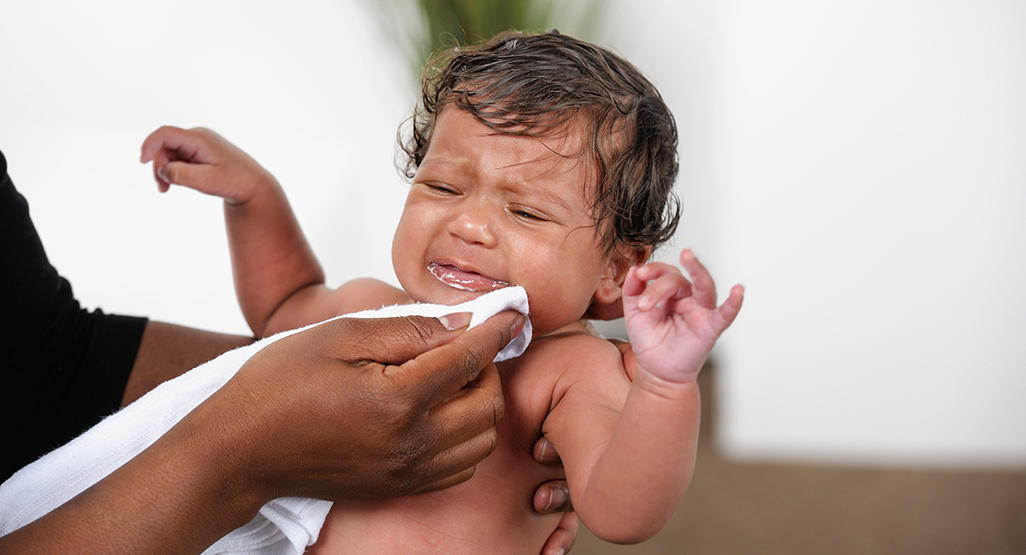
As a pediatric nurse and a mom, I want you to know two things: you are not overreacting, and you are not alone. Let’s walk through what FPIES is, what to watch for, what to do during a reaction, and how to get your pediatrician the kind of details that actually help.
What is FPIES?
FPIES is a type of food allergy that affects the gut. Instead of causing immediate hives or wheezing, it causes a delayed inflammatory reaction in the digestive tract after eating a trigger food.
A few key points that matter for parents:
- It is not the “classic” IgE food allergy most people think of (the kind that causes immediate hives, swelling, or anaphylaxis).
- It can be severe, especially because repeated vomiting can lead to dehydration and low blood pressure in some cases.
- It often starts in infancy, commonly when formula is introduced or when solids begin.
- It can be hard to spot because symptoms show up hours later, when the connection to the food feels less obvious.
FPIES can occur in formula-fed babies and in breastfed babies once they begin eating solids directly. Rarely, symptoms have been reported with exposure through breast milk, but most reactions happen after the child eats the trigger food.
The key timing
Here is the pattern that makes clinicians think about FPIES:
Typical acute reaction
- 1 to 4 hours after eating: Repetitive, intense vomiting (often multiple times).
- Along with vomiting: Your child may look pale, feel cool or clammy, and act unusually sleepy, floppy, or lethargic.
- About 5 to 10 hours after eating: Watery diarrhea can occur (not always).
Parents often describe it as: “They were playing, then suddenly they looked like they had the flu.” That sudden crash is a clue.
Chronic FPIES
Chronic FPIES is less common, and it is most classically described with regular ingestion of a trigger, often cow’s milk or soy formula. Symptoms can include:
- Intermittent vomiting or frequent spit-up that seems excessive
- Persistent diarrhea
- Poor weight gain
- Feeding refusal
- Fussiness that improves when the trigger is removed
Another clue clinicians look for: when the trigger is removed, symptoms improve, and if the food is reintroduced later, a more classic acute reaction (delayed, intense vomiting) can happen.
If your child has repeated episodes, say it clearly: “This vomiting happens hours after specific foods, and it is intense.” That detail matters.
Common triggers
Triggers vary by child, and a food that is “low allergy” in the usual sense can absolutely be an FPIES trigger. Some children have one trigger food, others have multiple. Triggers also vary by geography and diet.
Common triggers in babies
- Cow’s milk (including standard formula and dairy)
- Soy (including soy formula)
- Oat
- Rice
Other triggers
- Other grains (barley, wheat, corn)
- Egg
- Poultry (chicken, turkey)
- Fish and shellfish (more common as kids get older)
- Legumes (peas, lentils, beans)
- Some fruits and vegetables (varies widely)
“Overlooked” triggers are often foods that show up early and often, like oats in baby cereal, rice in puffs, or hidden soy in processed foods.
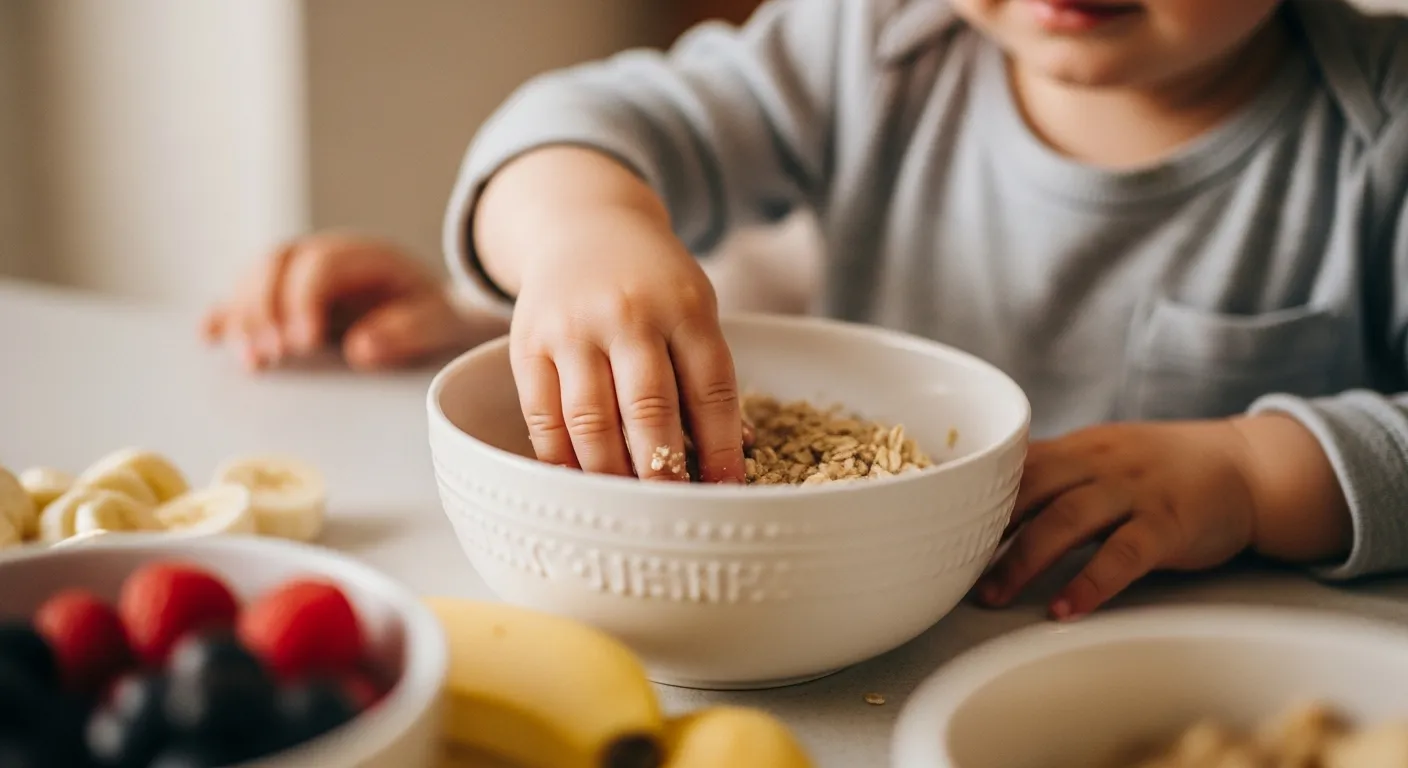
Important nuance: FPIES is not about the food being “bad.” It is about that child’s immune system reacting in a very specific way. Many kids outgrow FPIES over time with medical guidance.
FPIES vs IgE allergy
Parents are often told, “If it was an allergy, you would see hives.” That is true for many IgE-mediated allergies, but FPIES is usually different.
Typical immediate (IgE) allergy
- Symptoms often within minutes to 2 hours (timing can vary)
- Often includes hives, facial swelling, itching
- May include coughing, wheezing, trouble breathing
Typical FPIES reaction
- Symptoms usually start 1 to 4 hours after eating
- Main symptom is repetitive vomiting
- Often includes pallor and lethargy
- Usually no hives and no wheezing
Some children can have both FPIES and IgE-type allergies. There is also “atypical FPIES,” where a child has FPIES features and positive IgE testing to the same food. If you ever see hives, swelling, or breathing symptoms, you need urgent evaluation.
FPIES vs stomach bug
As a triage nurse, I saw this confusion constantly. FPIES can look like a GI virus, especially the first time. A few patterns can help you separate them.
More suggestive of FPIES
- Vomiting begins hours after a specific food, often a new food or a food reintroduced after a break
- Child becomes very pale or unusually sleepy
- Symptoms are dramatic and then often improve significantly within a day once the food is out of their system
- It happens again with the same food (this is a huge clue)
- No one else in the household is sick
More suggestive of a viral stomach illness
- Vomiting and diarrhea may start more gradually, not reliably tied to one food
- Fever may be present
- Other family members or daycare contacts are also ill
- Symptoms often last several days
If your child has repeated, similar episodes after the same food, it deserves a closer look.
What to do during a reaction
You do not need to figure this out alone in real time, especially when you are scared and sleep-deprived. Here is a practical, parent-friendly approach while you seek care.
- Stop the suspected trigger food and do not offer more “to see if it happens again.”
- Focus on hydration if your child is alert and able to drink. Small, frequent sips of an oral rehydration solution are often better than large volumes at once.
- Watch the timeline and symptoms and write down times as you go (even rough times help).
- Get help early if vomiting is repetitive or your child is looking pale, floppy, or unusually sleepy.
If you are going in for care, lead with this sentence: “I am concerned about FPIES. Vomiting started about X hours after eating Y.”
When it is an emergency
Most vomiting is miserable but not dangerous. FPIES is different because some reactions can cause dehydration and, rarely, shock.
Seek urgent care or emergency care now if your child has
- Repeated vomiting and cannot keep down fluids
- Signs of dehydration (dry mouth, no tears, significantly fewer wet diapers, very dark urine)
- Extreme sleepiness, limpness, hard to wake
- Gray or very pale color, cool or mottled skin
- Fast breathing, rapid heartbeat, or you feel something is “off” in a way you cannot ignore
If you are heading in, tell the staff: “I am concerned about FPIES. Vomiting started about X hours after eating Y.” That gives them a clearer clinical frame from the start.
If there is trouble breathing, swelling of the lips or face, or widespread hives, treat it like an immediate allergic reaction and seek emergency care. Those symptoms are not typical for classic FPIES, but they can occur in children who also have IgE-type allergy or atypical FPIES.
How it is diagnosed
There is no single quick office test that “proves” FPIES the way some people expect. Diagnosis is usually based on:
- A careful history of timing and repeatable symptoms
- Which foods were eaten and how much
- Ruling out other causes when needed
- Sometimes an oral food challenge done under medical supervision (this is not something to try at home)
Many kids with FPIES have negative skin prick tests or blood tests for IgE allergy to that food. That can be confusing, but it fits the condition.
What to track
If there is one thing that speeds up answers, it is a clear, boring, very specific log. Sleep-deprived brains deserve support, so here is exactly what to write down.
After a suspected reaction, document
- The food: ingredient list if packaged, brand, and form (oatmeal vs oat cereal vs baked oats)
- Amount eaten: a few bites, half a pouch, full serving
- Time eaten and time symptoms started
- Vomiting details: number of episodes, how forceful, any bile (bright green) or blood
- Stool changes: diarrhea timing and appearance
- Behavior: pale, sweaty, unusually sleepy, floppy, irritable
- Temperature: fever or no fever
- Exposure history: first time food vs previously tolerated
- Any sick contacts: daycare outbreaks, family illness
- What helped: oral rehydration, ER fluids, ondansetron if prescribed
Bring photos of ingredient labels if you can. It is surprisingly helpful when “oat cereal” turns out to contain multiple grains or milk derivatives.
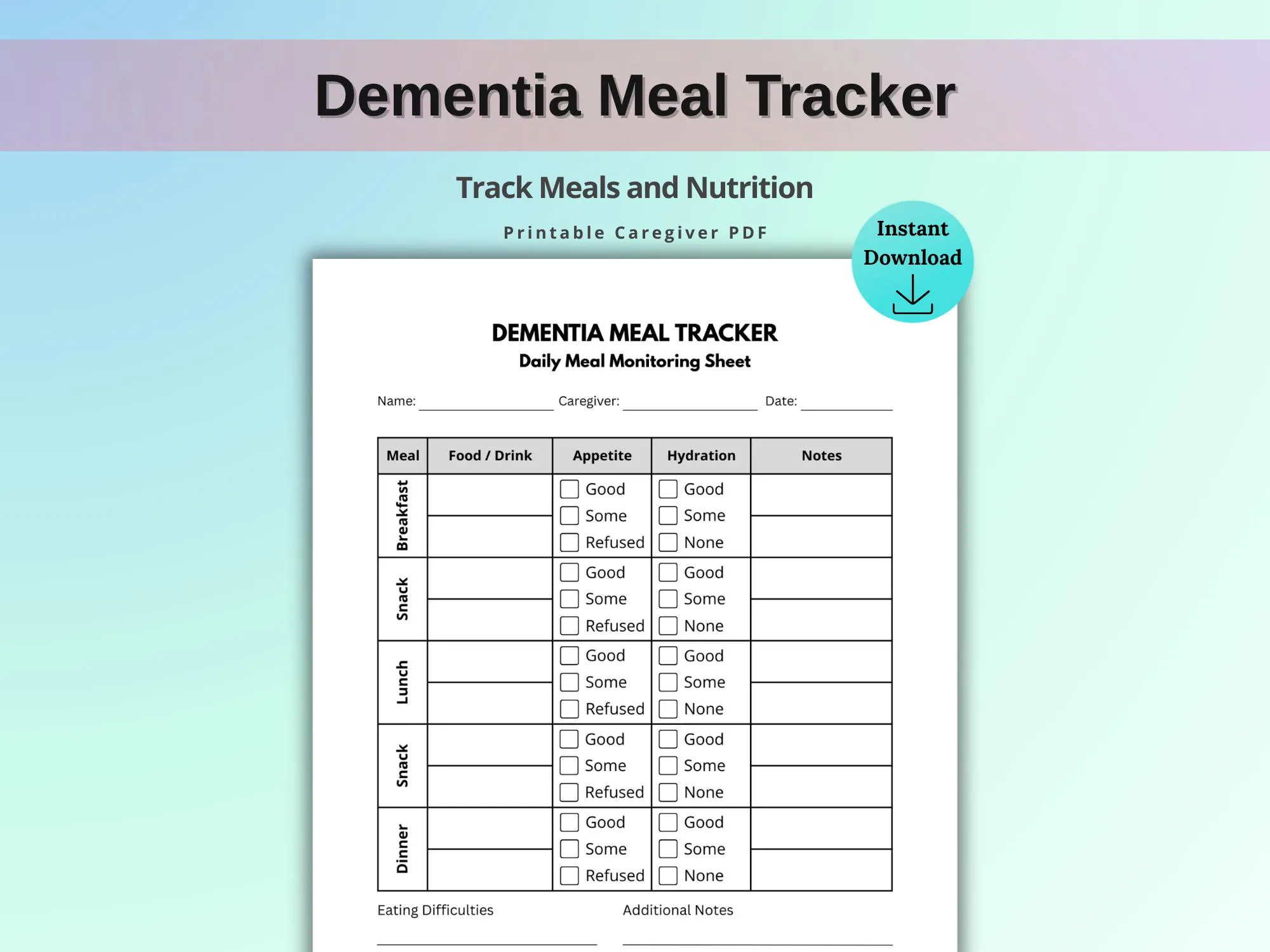
Pro tip from triage: Write the timeline in one sentence: “Ate oats at 8:00 AM, started vomiting at 10:30 AM, vomited 6 times, became pale and very sleepy, no fever.” Clinicians love this because it is actionable.
Treatment basics
FPIES management is very individualized, but generally involves:
- Strict avoidance of the trigger food(s)
- A plan for accidental exposures
- Guided introduction of new foods, sometimes with an allergist or pediatric gastroenterologist
- Monitoring growth and nutrition, especially if multiple foods are avoided
For acute reactions, treatment focuses on preventing dehydration. Some children are prescribed ondansetron for vomiting under medical guidance, and more severe reactions may require IV fluids. Unlike IgE anaphylaxis, epinephrine is not typically the primary treatment for isolated FPIES vomiting, unless there are also IgE-type symptoms like hives or breathing issues. Your specialist can clarify what applies to your child.
Do not remove large categories of foods without talking to your pediatrician. With FPIES, we want avoidance to be precise, not overly broad, so your child can keep a varied diet.
Introducing solids
If your child has had a suspected FPIES reaction, ask your pediatrician how to proceed before you keep trialing new foods. In many cases, families are advised to:
- Introduce one new food at a time
- Keep portions small at first
- Offer the new food earlier in the day (so you are not dealing with severe vomiting at midnight)
- Wait a few days between new foods, depending on your clinician’s advice
If your child has had a severe reaction, your care team may recommend supervised reintroduction or a structured plan for “safe foods” while you broaden the diet.
Outgrowing FPIES
This is the part many parents need to hear: many children outgrow FPIES. A commonly cited range is by ages 3 to 5, though it varies by child and by trigger (and some foods are outgrown earlier or later). The safest way to test for resolution is usually a medically supervised oral food challenge when your specialist says the timing is right.
Questions to ask
- Does my child’s timeline fit FPIES?
- What are the most likely trigger foods based on our history?
- Should we see an allergist, a GI specialist, or both?
- Do we need an emergency action plan? What should it say?
- Should we have ondansetron available? If yes, what dose and when?
- Can you provide an official ER letter for FPIES?
- What should the ER letter recommend for acute care (for example, rapid fluids and anti-nausea medicine), and how should staff think about epinephrine if there are no IgE symptoms?
- How do we introduce new foods safely?
- When and how do we consider a medically supervised food challenge?
That ER letter can be a game-changer. Not every emergency clinician sees FPIES often, and having a signed protocol from your specialist can speed up appropriate care.
Bottom line
FPIES is one of those conditions that can make parents feel like they are losing their minds because the reaction is delayed and the symptoms are dramatic. If your child has repeated episodes of intense vomiting one to four hours after specific foods, especially with pallor and unusual sleepiness, you deserve a serious evaluation and a clear plan.
You do not need to diagnose this on your own at 3 AM. Your job is to notice patterns, write down the timeline, and bring that information to your pediatrician. We will take it from there.
Medical note: This article is for education and does not replace individualized medical advice. If your child appears severely ill, dehydrated, or difficult to wake, seek urgent or emergency care.
Sarah Mitchell
Sarah Mitchell is a Registered Pediatric Nurse and a mother of three who has spent over a decade helping families navigate the beautiful, chaotic early years of childhood. She combines evidence-based medical knowledge with real-world parenting experience to offer practical, compassionate advice. At Awesome Parent, Sarah's mission is to help exhausted parents find solutions, trust their instincts, and finally get some sleep.