Toddlers cannot always explain urinary pain. Here are the UTI signs to watch for, how urine testing works, treatment expectations, and prevention tips for re...
Frequent Urination in Kids Without a UTI

Sarah Mitchell
Sarah Mitchell is a Registered Pediatric Nurse and a mother of three who has spent over a decade helping families navigate the beautiful, chaotic early years of childhood. She combines evidence-based medical knowledge with real-world parenting experience to offer practical, compassionate advice. At Awesome Parent, Sarah's mission is to help exhausted parents find solutions, trust their instincts, and finally get some sleep.
If your child is suddenly running to the bathroom every 10 to 30 minutes, you are not imagining it and you are not alone. In clinic, I saw this exact pattern all the time: a worried parent, a kid who looks otherwise fine, and a urine test that comes back negative for a UTI (urinary tract infection).
The good news is that frequent urination without infection is often not dangerous. The important caveat is this: it depends on the whole picture. If a child is peeing constantly and drinking nonstop, losing weight, looking ill, or making very large amounts of urine, we have to think beyond the usual suspects and check for things like diabetes.
Let’s walk through what this can look like, why it happens, what to do at home, and what your clinician may check next.
What frequent peeing can mean
Kids can pee frequently for a few different reasons, and they are not all the same.
- Frequency: peeing many times a day.
- Urgency: the sudden feeling they have to go right now.
- Small amounts: lots of trips, only a little urine each time.
- Accidents: leaking on the way to the toilet.
A key distinction: frequent small pees are different from polyuria (making a large total volume of urine). Parents understandably lump these together as “peeing a lot,” but medically they point us in different directions. A simple voiding diary can help sort this out.
A classic pattern many parents describe is: frequent bathroom trips all day, small amounts, no fever, no vomiting, child otherwise acting okay, and urine tests negative. This pattern often fits pollakiuria (more on that below), constipation-related bladder pressure, or anxiety and habit loops.
When a negative urine test is reassuring
Parents sometimes hear “no UTI” and think, But my child is peeing constantly. Something has to be wrong. You are right to trust your observation. You can also take comfort in what the test rules out.
Clinicians usually start with a urinalysis (dipstick and or microscopic exam). If the picture is still unclear, we may send a urine culture (it takes longer but is more definitive).
In general, if your child has:
- a normal urinalysis,
- a negative urine culture (when done),
- no fever, and
- looks well,
then a serious kidney infection is unlikely. From there, we shift to the most common non-UTI causes.
Common causes without a UTI
Pollakiuria (daytime frequency)
Pollakiuria is a fancy word for a very common, very frustrating phase: a child urinates frequently during the day, sometimes every 10 to 20 minutes, often passing small amounts. It tends to show up in school-aged kids and can last weeks to months.
Typical clues:
- Sudden onset of frequent daytime peeing
- Small volumes
- No fever and usually no pain
- Often improves when the child is distracted
- Usually not waking repeatedly all night to pee (some kids may wake once)
- No increase in total daily urine volume (they are not making more urine, just going more often)
Why it happens: the bladder and brain can get stuck in a “false alarm” loop. A child feels a normal bladder sensation, worries about it, pees “just in case,” and then the cycle reinforces itself.
Constipation (the hidden driver)
If I could put one message on a billboard for parents, it would be: constipation can look like bladder problems. A stool-filled rectum sits right next to the bladder. When it is stretched and full, it can:
- press on the bladder so it feels full faster
- make it harder to empty completely
- trigger urgency and frequent trips
And here is the part that surprises many parents: kids can be constipated even if they poop every day. Signs include very large stools, painful stools, skid marks in underwear, belly pain, or stool that is hard and pellet-like.
Anxiety, stress, and school avoidance
The bladder is sensitive to stress. Big feelings can show up in the bathroom long before a child can explain what is bothering them.
Common triggers I saw in real life:
- starting school or a new classroom
- bullying or social stress
- tests, performances, or schedule changes
- worry about having an accident
- family stress or a recent change at home
Sometimes frequent urination becomes a “safe exit” from an uncomfortable situation. This is not manipulation. It is a child using the tools they have.
Fluids and bladder irritants
Hydration is great, but constant sipping can keep the bladder continuously stimulated. Some kids also guzzle a large bottle right before bed or right before a car ride, then pee repeatedly.
Also watch for bladder irritants:
- caffeinated soda or tea
- energy drinks (not recommended for children)
- very acidic juices (some kids are sensitive)
- carbonated drinks
Bladder habits and “just in case” peeing
Kids often start peeing preemptively: before leaving the house, before the movie starts, before recess ends. This can shrink bladder tolerance over time. Some kids also rush and do not fully relax pelvic muscles, leading to incomplete emptying and quick returns.
Vulvar or penile irritation
I know you mentioned UTIs are ruled out, but external irritation can still cause urgency and frequent trips.
- Vulvar irritation can come from bubble baths, scented soaps, tight clothing, wet swimsuits, or not fully rinsing soap out of the bath.
- Penile irritation can come from soap residue, friction, or skin sensitivity.
- Some kids also have vulvovaginitis related to hygiene and wiping patterns. Less commonly, pinworms (often with night itching) can contribute to genital irritation and urinary complaints.
Kids may describe this as “it feels weird” rather than pain.
If burning or irritation keeps happening with negative cultures, it is worth asking your clinician to take a closer look for irritation, vulvovaginitis, or other non-UTI causes.
Less common medical causes
Most kids do not have a serious underlying problem, but clinicians stay alert for red flags that point to other causes, such as:
- Diabetes mellitus (frequent urination with excessive thirst, weight loss, fatigue, new bedwetting or new nighttime peeing)
- Diabetes insipidus (very large amounts of very dilute urine with intense thirst and frequent nighttime urination)
- Overactive bladder or dysfunctional voiding patterns
- Anatomical issues (rare, usually paired with recurrent infections or other signs)
- Medication effects (less common, but some medicines and supplements can increase urination or thirst; bring your child’s medication list to visits)
How clinicians work it up
Every child is different, but the medical “next steps” are often more practical than parents expect.
1) History first
Your clinician may ask:
- How often are they peeing, and are the amounts small or large?
- Any pain, itching, odor, fever, belly pain, back pain?
- Are they waking at night to pee?
- Any new bedwetting after being dry?
- Any new stressors, school changes, or worries?
- How are their stools, really?
- What are they drinking and when?
- Any new medications?
2) Repeat urine testing if the story changes
If symptoms worsen, fever develops, there is new pain, or the first sample was hard to collect, a repeat urinalysis or culture may be appropriate.
3) Constipation check
This may include a belly exam and a detailed stool history. Sometimes clinicians order imaging, but many cases of functional constipation are diagnosed clinically and treated without an X-ray. Often we treat constipation and watch bladder symptoms improve.
4) Screening for diabetes when it fits
If your child is drinking constantly, peeing large volumes, waking often at night to pee, wetting the bed after being dry, losing weight, or unusually fatigued, clinicians may check urine glucose and ketones and or a point-of-care blood sugar.
If these symptoms are significant, seek same-day evaluation. If there is vomiting, belly pain, deep or fast breathing, confusion, or your child looks very ill, treat it as urgent or emergency care.
5) Voiding diary and behavior strategies
For many kids, the best “test” is a 2 to 3 day log of:
- drink timing and amounts (rough estimates are fine)
- pee times
- accidents
- stool timing and stool type
This helps separate frequent small pees from truly high urine volume.
6) Imaging or referral when needed
Ultrasound or referral to pediatric urology is usually reserved for kids with recurrent febrile UTIs, abnormal urine tests, poor growth, significant accidents, suspected incomplete emptying, or persistent symptoms despite good constipation and bladder habit management.
What to do at home
If your child is well-appearing and UTI has been ruled out, these are the steps I recommend most often.
Reset the bladder gently
- Try timed bathroom breaks about every 2 to 3 hours.
- Avoid forced holding. The goal is to step away from 10-minute “just in case” trips, not to make a child suffer. If they are truly uncomfortable, let them go.
- Use a distraction delay: “Let’s finish this page, then we go.” Start with 2 to 5 minutes and build up.
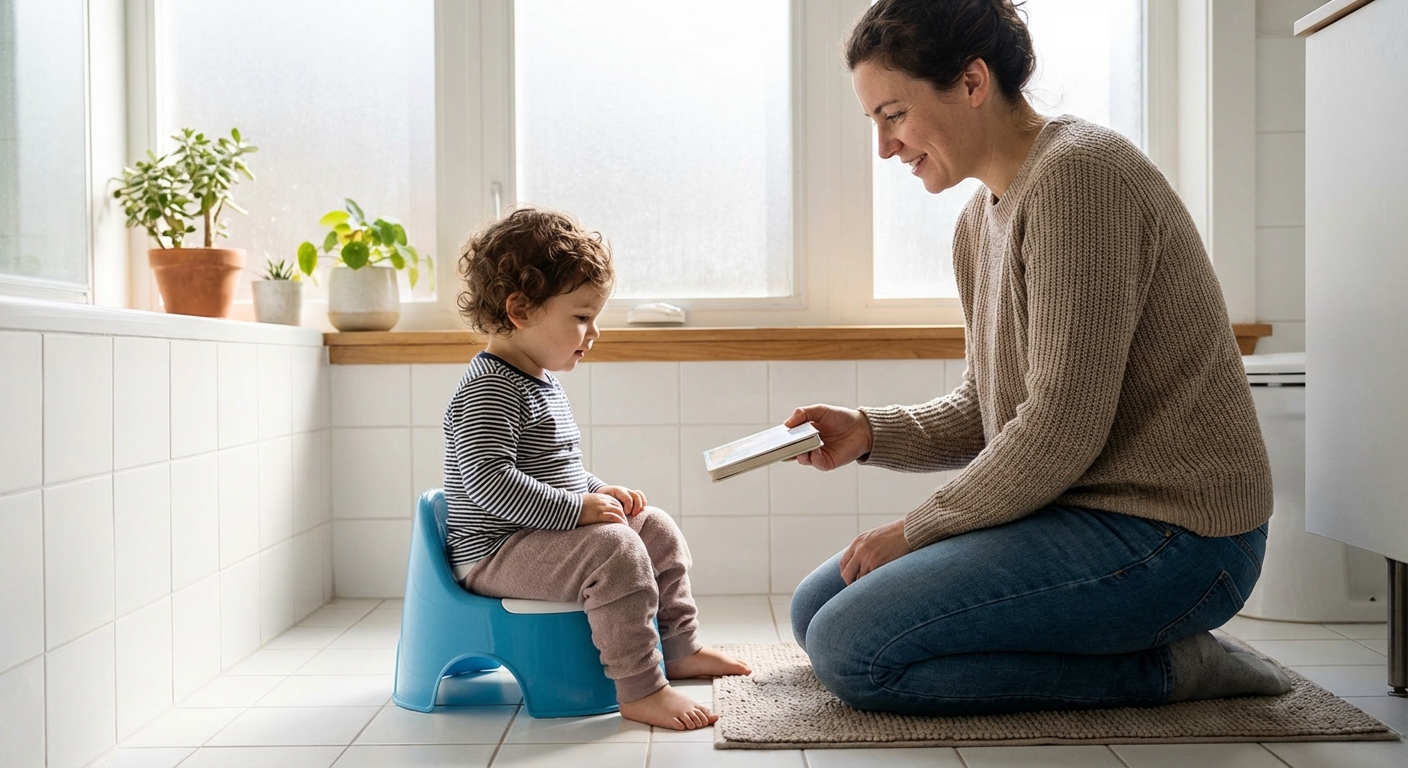
- Practice a calm sit: feet supported (step stool helps), relaxed belly, slow breathing.
- Double voiding for kids who rush: pee, relax for 20 to 30 seconds, then try again.
Fix constipation even if you are not sure
Constipation is so commonly involved that it is worth addressing.
- Offer water regularly, especially earlier in the day.
- Aim for fiber from fruits, veggies, beans, and whole grains.
- Build a daily “toilet sit” after meals for 5 minutes (gastrocolic reflex for the win).
- If stools are painful, very hard, or accidents are happening, talk with your pediatrician about the safest stool softener plan for your child.
Adjust fluids without restricting
- Front-load fluids: more in the morning and early afternoon.
- Ease up 1 to 2 hours before bed if night waking is a problem.
- Avoid caffeine and limit fizzy or acidic drinks if your child seems sensitive.
Reduce irritation
- Skip bubble baths and strongly scented soaps.
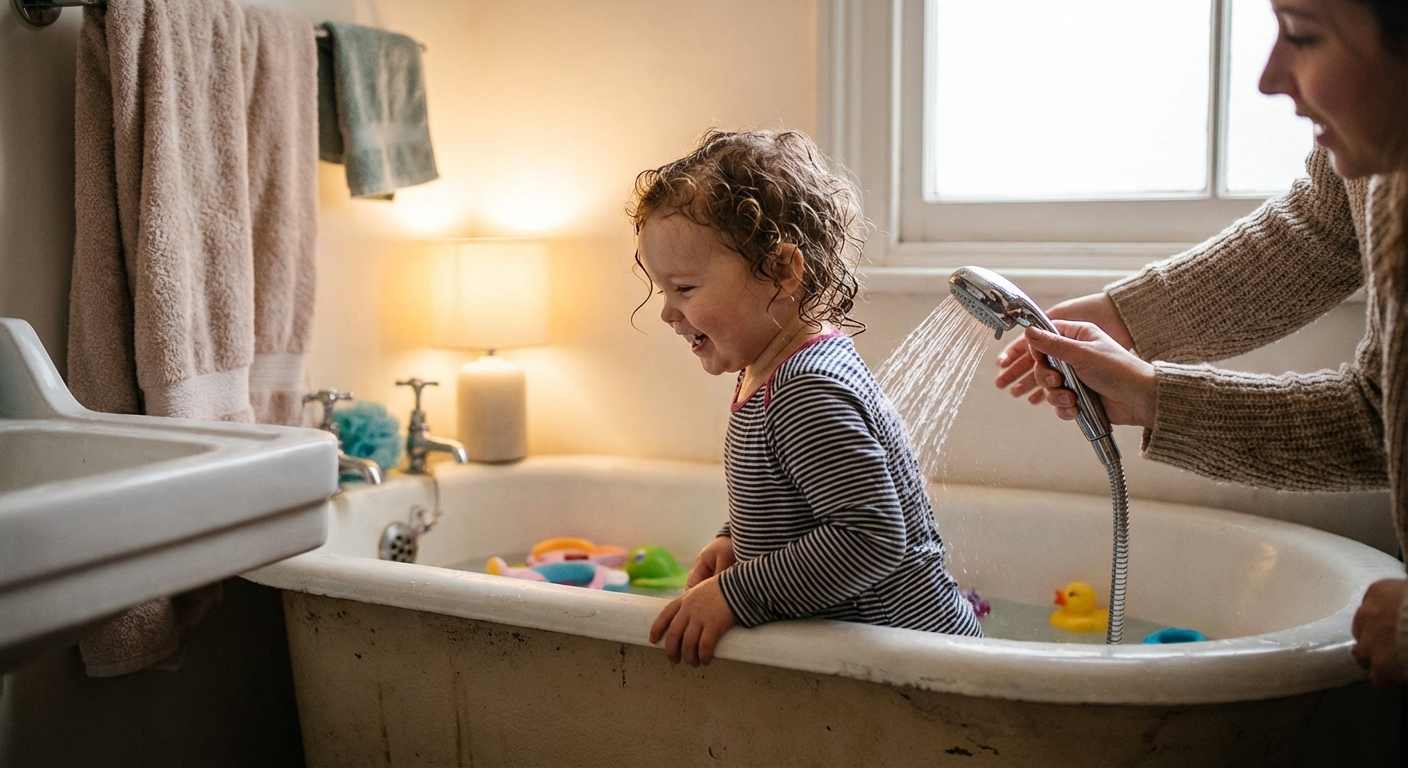
- Rinse well in the bath and consider showers for a week.
- Choose loose cotton underwear.
- Change out of wet swimsuits quickly.
Address the worry loop
If anxiety is part of the pattern, your calm matters. The goal is to take the spotlight off the bathroom.
- Use neutral language: “Your body is learning.”
- Praise bravery and flexibility, not dryness.
- Work with the teacher on a simple plan: bathroom access, but not unlimited trips without checking in.
- Look for the stressor behind the symptom when possible.
From one parent to another: when kids are peeing constantly, everyone gets cranky fast. This is one of those seasons where calm and boring consistency works better than intense monitoring.
When to call urgently
Even if a UTI test was negative earlier, call your pediatrician promptly or seek urgent care if your child has:
- fever (especially with urinary symptoms)
- back or side pain
- vomiting, looks very ill, or is very sleepy
- blood in the urine
- painful urination that is worsening
- new daytime accidents in a previously dry child plus fever
- excessive thirst, weight loss, new nighttime peeing or new bedwetting, or peeing very large volumes
- inability to pee or significant lower belly swelling
If symptoms are mild but persistent beyond 2 to 3 weeks, or they keep returning, it is also worth a follow-up visit to discuss constipation treatment, bladder habits, and whether additional evaluation is needed.
Common parent questions
How long can pollakiuria last?
It varies. Many kids improve within a few weeks, but it can last longer, especially if stressors are ongoing. The key is that the child otherwise looks well and tests stay normal.
Why is it worse at school?
School adds stress, stricter bathroom routines, and less comfortable toilets. It can also be a clue that anxiety, holding stools, or social worries are playing a role.
Can constipation cause this without belly pain?
Yes. Many kids do not report pain. Look at stool size, stool texture, straining, skid marks, and how long they sit before anything happens.
Should I restrict water?
Usually no. Instead, redistribute it. Encourage steady drinking earlier in the day and reduce constant sipping as a habit. If your child is unusually thirsty or waking often to pee at night, talk to your clinician.
A simple 7-day plan
If you want a quick, reasonable plan for the next 7 days, here is what I suggest:
- Day 1 to 2: Track a basic voiding and drinking log. Notice small versus large volumes. Check stool patterns honestly.
- Day 3 to 7: Start timed bathroom breaks about every 2 to 3 hours, improve toilet posture with feet supported, and build in a daily poop sit after meals.
- All week: Remove bubble baths and scented soap, front-load fluids earlier in the day, and keep your response calm and boring.
If things are not improving after a week of these steps, or if any red flags show up, schedule a follow-up with your pediatrician. You deserve a clear plan, and your child deserves to feel comfortable in their body again.

Sarah Mitchell
Sarah Mitchell is a Registered Pediatric Nurse and a mother of three who has spent over a decade helping families navigate the beautiful, chaotic early years of childhood. She combines evidence-based medical knowledge with real-world parenting experience to offer practical, compassionate advice. At Awesome Parent, Sarah's mission is to help exhausted parents find solutions, trust their instincts, and finally get some sleep.