Cold exposure can turn serious before frostbite appears. Spot early hypothermia signs, rewarm safely, and avoid common winter car-seat layering mistakes.
Frostbite in Kids: Signs, Prevention, and Safe Rewarming

Sarah Mitchell
Sarah Mitchell is a Registered Pediatric Nurse and a mother of three who has spent over a decade helping families navigate the beautiful, chaotic early years of childhood. She combines evidence-based medical knowledge with real-world parenting experience to offer practical, compassionate advice. At Awesome Parent, Sarah's mission is to help exhausted parents find solutions, trust their instincts, and finally get some sleep.
If you’ve ever peeled off a mitten and found a child’s fingertip looking pale and “weird,” your stomach probably dropped. Frostbite can be scary, but many cold injuries in kids start out mild and are very treatable when you catch them early. The key is knowing what to look for, getting out of the cold, and rewarming the right way.
As a pediatric nurse and a mom who has done plenty of winter sideline duty, I’ll walk you through the early signs, what counts as an emergency, and the safe, realistic steps you can do at home while you decide whether you need urgent or emergency care.
What frostbite is (and why kids are at higher risk)
Frostbite is a cold injury that happens when skin and the tissue underneath start to freeze. It most often affects small body parts with less blood flow and more exposure, like fingers, toes, ears, cheeks, and the tip of the nose.
Kids are at higher risk because they lose heat faster, may not notice early symptoms, and are more likely to keep playing even when their body is saying “time out.” Wet clothing, wind, and tight boots or gloves make it worse.
Frostbite vs. frostnip vs. hypothermia
These terms get tossed around interchangeably online, and that can make parents panic. Here is the practical difference:
- Frostnip: Very early, very mild cold injury. Skin may look pale and feel cold or tingly, but there is no permanent damage. It improves quickly with gentle rewarming.
- Frostbite: Deeper injury. The area may become numb, hard, waxy, or blister later. This can cause tissue damage and needs prompt medical evaluation.
- Hypothermia: The whole body is getting too cold (not just fingers or cheeks). There are mild forms, but for parents, the safest mindset is: treat it as urgent and warm the child while getting help.
If you are seeing both cold hands and behavior changes like confusion, extreme sleepiness, or uncontrollable shivering, think bigger than frostbite and get emergency help.
Early signs of frostbite in kids
Little kids may not say “my skin is freezing.” They might just stop using a hand, get quiet, or suddenly melt down. Watch for:
- Skin that looks pale, gray, or bluish (especially on fingers, toes, ears, cheeks, or nose)
- Cold, stiff, or waxy-looking skin
- Tingling, burning, or stinging early on
- Numbness or your child saying it “doesn’t feel like mine”
- Swelling after coming inside
- Skin that feels hard or “frozen” in spots
Parent tip: If your child’s skin is cold and pale but warms up and turns normal within minutes of getting indoors, it was more likely frostnip. If it stays numb, looks waxy, or won’t pink up with gentle warming, treat it like possible frostbite.
Stages of cold injury
1) Frostnip (very mild cold injury)
Skin is cold, pale, tingly, maybe slightly numb. It improves with gentle rewarming and does not blister.
2) Superficial frostbite
The area may look pale or white and feel numb. After rewarming, it can become red, swollen, and painful. Clear blisters may appear later.
3) Deep frostbite (medical emergency)
Skin may look white, gray, or mottled blue and feel hard or wooden. After rewarming, the area may remain numb. Dark blisters and significant swelling can occur. This needs emergency care.
What to do right away
If you suspect frostbite, your immediate goals are: stop the cold exposure, remove wet or tight items, and start gentle rewarming.
- Get inside or out of the wind. A sheltered spot helps even before you get fully indoors.
- Remove wet gloves, socks, or tight clothing. Wet fabric and tight gear cut circulation.
- Take off jewelry on the affected hand or foot. Rings and bracelets can become a problem fast once swelling starts.
- Do not rub the skin. Rubbing can damage cold-injured tissue.
- Warm the whole child. Add dry layers and a blanket. Offer a warm drink if your child is awake and old enough to drink safely.
- Start safe rewarming for the affected area (details below).
- If feet or toes may be frostbitten, do not let your child walk on them. Carry them if you can.
Safe rewarming
Warm water for fingers or toes
The safest method for hands or feet is a warm water soak:
- Use warm water, not hot. Aim for about 98.6°F to 102.2°F (37°C to 39°C). If you have a thermometer, use it. If you do not, the water should feel comfortably warm on an adult wrist or elbow.
- Soak the area for 15 to 30 minutes.
- Keep the water warm by adding warm water occasionally. Do not dump in boiling water.
- Rewarming can hurt. If your child is miserable, that is common. Use the pain medicine your pediatrician recommends for your child, if you have been told it is safe.
- Rewarm until the skin is softer and color starts to return. Stop and seek urgent help if pain is severe and escalating, discoloration worsens, or there is no improvement.
Warm compresses for ears, cheeks, or nose
For the face or ears, use a warm, damp washcloth and replace it as it cools. Keep it gentle and steady.
Protect the skin after rewarming
- Pat dry gently.
- Cover with a loose, clean dressing if needed.
- Keep fingers and toes from rubbing together. You can place soft gauze between toes or fingers.
- Keep the area elevated if it is swollen.
Skip these “quick fixes”
- Do not rub or massage the area.
- Do not use direct heat like a heating pad, fireplace, radiator, or hair dryer. Numb skin burns easily.
- Do not use very hot water. Burns can happen before your child feels it.
- Do not pop blisters. Blisters are a sign to get medical advice.
- Do not rewarm if there is a chance the area will refreeze. Refreezing causes much more damage. If you are still outdoors and cannot keep it warm, focus on shelter and emergency evaluation.
- Do not use alcohol to “warm” the skin. It does not help and can make things worse.
- Avoid smoke exposure. Nicotine constricts blood vessels and reduces blood flow to already-stressed tissue.

Urgent care or ER?
If you are unsure, it is always reasonable to call your pediatrician’s nurse line. In general:
- Home care may be enough (with close watching) if it looks like frostnip and it improves quickly with gentle warming: normal color returns, sensation comes back, and your child is acting like themselves.
- Urgent care or same-day evaluation makes sense if symptoms improve only partially, your child is still very uncomfortable after warming, or you are worried about the diagnosis.
- Go to the ER or call emergency services for any signs of significant frostbite or hypothermia (below).
When you should seek emergency care
Trust your gut here. Go to the ER or call emergency services if:
- The area is hard, waxy, or grayish-white and does not soften with gentle rewarming
- Your child has numbness that persists after rewarming
- You see blisters, especially dark or bloody blisters
- The skin becomes blue, black, or very mottled
- There is severe swelling, increasing pain, or signs of infection later (spreading redness, pus, fever)
- There are signs of hypothermia: confusion, extreme sleepiness, weak pulse, shallow breathing, or shivering that stops
- The frostbite involves a large area, or involves the face with concerning signs like numbness, waxy skin, or blistering, or your child is an infant
Quick reality check: If you had to carry your child inside because they could not walk well on cold feet, or they are acting “off,” do not wait it out.
What doctors may do
In clinic or the ER, the team may:
- Rewarm the area in controlled warm water
- Treat pain (rewarming can be very painful)
- Assess circulation and sensation
- Dress the area to protect the skin
- Update tetanus protection if needed
- In more serious cases, consult specialists and consider medications that improve blood flow
Sometimes frostbite looks mild at first and then shows its true severity later. That is why follow-up matters if symptoms persist.
Prevention that works
Dress smarter
- Layers: A wicking base layer, an insulating middle layer, and a wind-resistant outer layer.
- Keep it dry: Wet clothes cool the body fast. Bring spare mittens and socks.
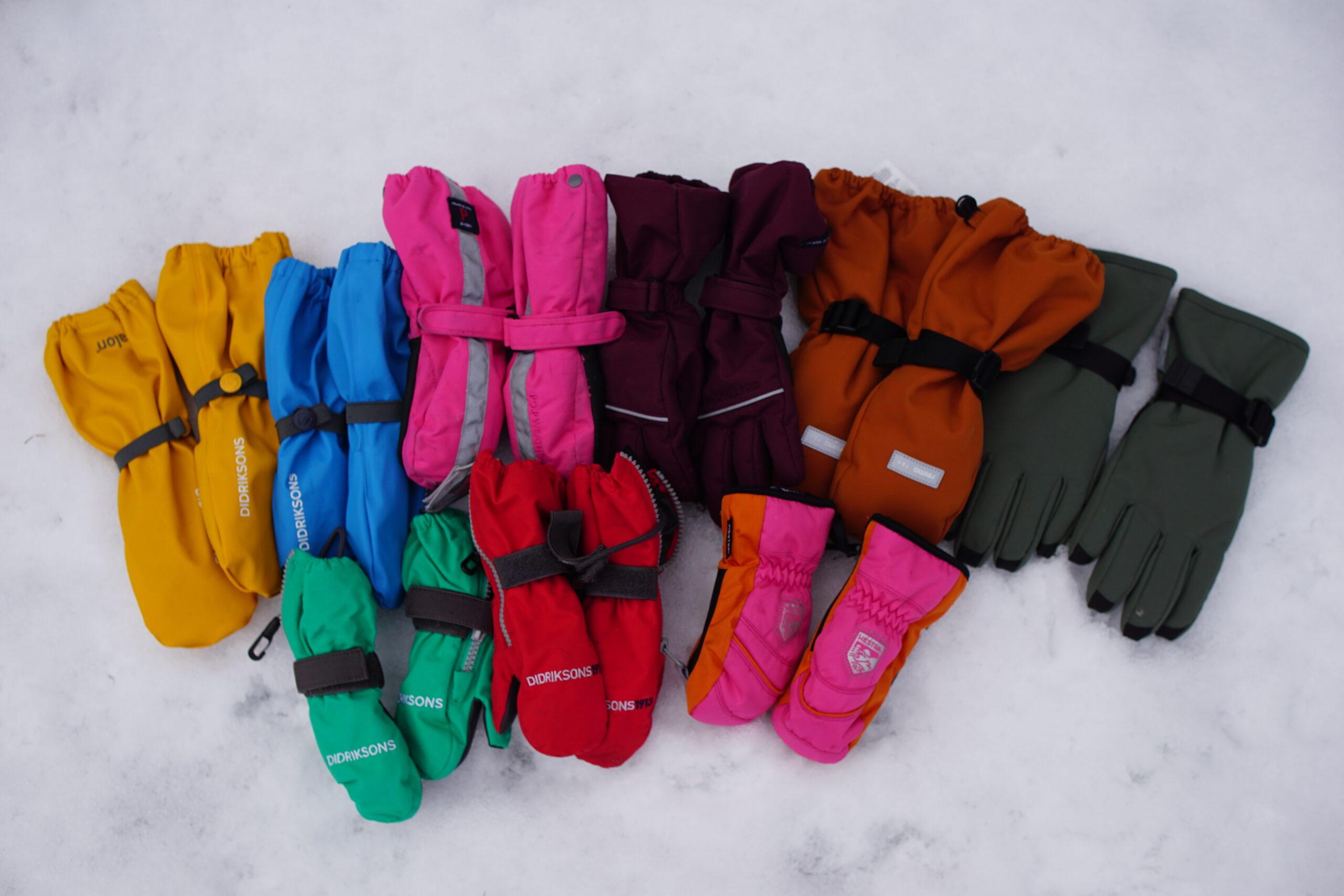
- Choose mittens over gloves for little kids. Fingers stay warmer together.
- Make sure boots are not tight. Tight boots reduce circulation and increase risk.
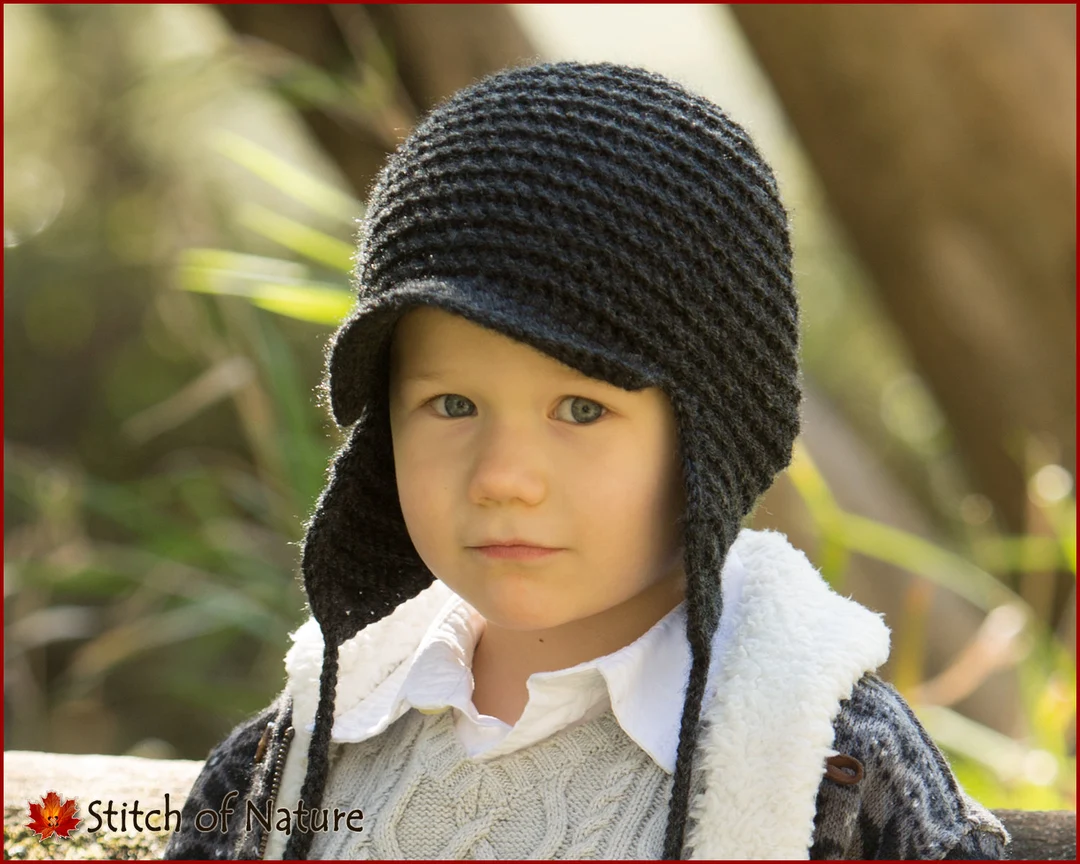
- Cover ears and cheeks. A hat that covers ears or a balaclava-style face covering is great for windy days.
Use the check-in rule
Set a timer for every 15 to 30 minutes outdoors, more often for toddlers. Check:
- Are fingers and toes warm and moving normally?
- Are cheeks and ears just pink, or turning pale?
- Are gloves or socks wet?
- Is your child still talking and acting normally?
Know when it is too cold
Wind chill matters because it pulls heat away faster. Many schools use wind-chill guidelines for outdoor recess. If it is very cold or windy, shorten outdoor time, keep breaks frequent, and prioritize keeping kids dry.
Special situations
What about red cheeks after being outside?
Red cheeks alone are often just cold exposure or wind irritation. Concerning signs are pale or gray skin, a waxy appearance, numbness, or cheeks that do not warm back up normally.
Can I use hand warmers in mittens?
You can, but use caution. Chemical warmers can get hot enough to burn. Place warmers on the back of the hand rather than directly against fingertips, keep fabric between the warmer and skin, and check frequently. Avoid using them for infants or for children who cannot reliably tell you “this feels too hot.”
My child refuses mittens. Now what?
You are not alone. A few tricks that help:
- Try mittens with a long cuff and a simple closure so snow stays out.
- Use mitten clips to reduce the “lost mitten” chaos.
- Warm mittens briefly before heading out, but never put hot mittens straight on skin.
- Shorter outdoor bursts with warm-up breaks can be safer than one long battle.
Aftercare at home
Even if things look better after rewarming, keep an eye on the area for the next 24 to 72 hours. Call your child’s clinician if you notice:
- Blisters that appear later
- Worsening swelling
- Increasing pain after the first day
- Skin that becomes very dark, or a sore that is not healing
- Spreading redness, warmth, drainage, or fever
Keep the area clean, protected, and warm. Avoid tight shoes or gloves until fully healed.
A calm winter takeaway
Most frostbite scares start with something fixable: wet socks, wind on exposed cheeks, or mittens that did not stand a chance against a snowball war. The safest plan is simple: get out of the cold, rewarm gently, and get medical help quickly if the skin is numb, hard, blistering, or not returning to normal.
And if you are reading this at 3 AM because your child’s toe looks “off” after a day outside, take a breath. You are doing the right thing by checking.
Note: This article is for education and does not replace medical care. If you are worried about your child, contact your pediatrician or seek urgent or emergency care.
Sarah Mitchell
Sarah Mitchell is a Registered Pediatric Nurse and a mother of three who has spent over a decade helping families navigate the beautiful, chaotic early years of childhood. She combines evidence-based medical knowledge with real-world parenting experience to offer practical, compassionate advice. At Awesome Parent, Sarah's mission is to help exhausted parents find solutions, trust their instincts, and finally get some sleep.