
White patches on your baby’s tongue or cheeks? Here’s how to tell thrush from milk residue, what causes it, how it can spread during breastfeeding, and h...
Geographic Tongue in Kids

Sarah Mitchell
Sarah Mitchell is a Registered Pediatric Nurse and a mother of three who has spent over a decade helping families navigate the beautiful, chaotic early years of childhood. She combines evidence-based medical knowledge with real-world parenting experience to offer practical, compassionate advice. At Awesome Parent, Sarah's mission is to help exhausted parents find solutions, trust their instincts, and finally get some sleep.
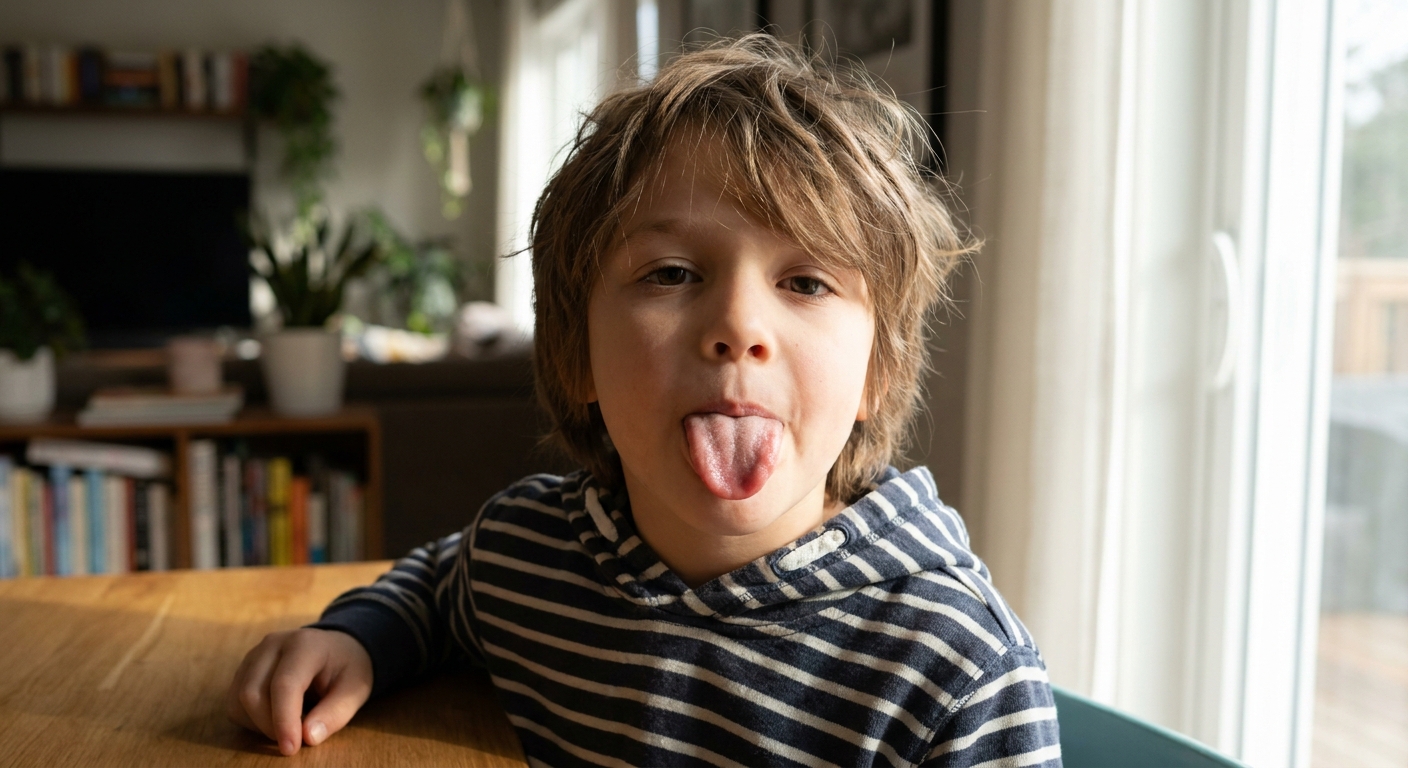
If you have ever had your child stick out their tongue and you noticed a bright red patch with a wiggly white border, you are not alone. It can look like a rash, a burn, or even an infection. The good news is that in many kids, this “map-like” pattern is something called geographic tongue, and it is usually harmless.
As a pediatric nurse and a mom, I have seen the full spectrum here: parents who are calmly curious and parents who are convinced it is an emergency at 2:47 AM. Let’s walk through what geographic tongue looks like, why it happens, what you can do at home, and the signs that deserve a real evaluation.

What is geographic tongue?
Geographic tongue is a relatively common, benign change on the surface of the tongue where some areas temporarily lose tiny surface bumps called papillae. When that happens, the tongue can develop smooth red patches with slightly raised, pale or whitish borders. The borders can change shape and location over time, which is why it is called “geographic.” It can look like continents on a map.
Medical name you might see in a visit note: benign migratory glossitis.
What it looks like in kids
Every kid’s mouth is different, but geographic tongue often has a few classic features:
- Red, smooth patches that look “bald” compared with the rest of the tongue
- Wavy, irregular borders that can look white, yellowish, or slightly raised
- Changes over days to weeks, including the patch fading in one spot and showing up in another
- On-and-off pattern, with stretches where the tongue looks totally normal
- Most often on the top (dorsal) surface and sides of the tongue
Many kids feel nothing at all. Others notice a mild burning or stinging, especially with certain foods.
Does it hurt?
Often, no. Geographic tongue is frequently painless.
When kids do have symptoms, it is usually:
- Burning or stinging
- Sensitivity with spicy, salty, or acidic foods
- Mild irritation that comes and goes
In clinic, a common story is: “It looks awful, but they only complain when they eat salsa” or “It burns with orange juice.” That fits.
Why it happens
The honest answer is: we do not always know. Geographic tongue is not caused by poor hygiene, and it is not something you “did wrong.”
A few things we know (or suspect) based on research and clinical experience:
- It can run in families.
- It has been associated with other inflammatory or atopic conditions in some kids, like eczema, allergies, asthma, and sometimes psoriasis.
- It may flare during times of stress or with minor illness in some children, but the pattern is not consistent.
- It is not contagious.
Fissured tongue
Another tongue finding parents sometimes notice at the same time is fissured tongue, which looks like deep grooves or cracks on the tongue surface.
- It can co-occur with geographic tongue.
- It is usually benign.
- Food can get trapped in the grooves, so gentle brushing and rinsing can help with irritation and breath.
Is it thrush?
Parents often worry about thrush because both can show up in the mouth and both get Googled in the middle of the night.
Geographic tongue tends to look like:
- Smooth red patches (most often on the top and sides of the tongue)
- Curvy pale borders
- Patches that move around over time
Thrush more often looks like:
- White, creamy patches on the tongue, cheeks, or gums
- Patches that often scrape off and can leave a red, irritated area (and may bleed)
- More common in babies, after antibiotics, or with inhaled steroids (though it can happen in others too)
If you are unsure, a quick look from your pediatrician or dentist is worth it. The treatments are different, and geographic tongue usually does not need treatment at all.
Home care
If your child is not bothered, you can mostly leave it alone and simply keep an eye on it. If there is discomfort, these gentle steps often help:
1) Avoid triggers for a week
- Spicy foods (hot sauce, salsa, curry)
- Acidic foods and drinks (orange juice, lemonade, tomatoes)
- Very salty snacks (chips, pretzels)
2) Keep oral care simple
- Use a soft toothbrush.
- Choose a mild toothpaste if minty ones sting.
- Encourage rinsing with plain water after trigger foods.
3) Offer soothing options
- Cold water, milk, or a smoothie
- Plain yogurt (if tolerated)
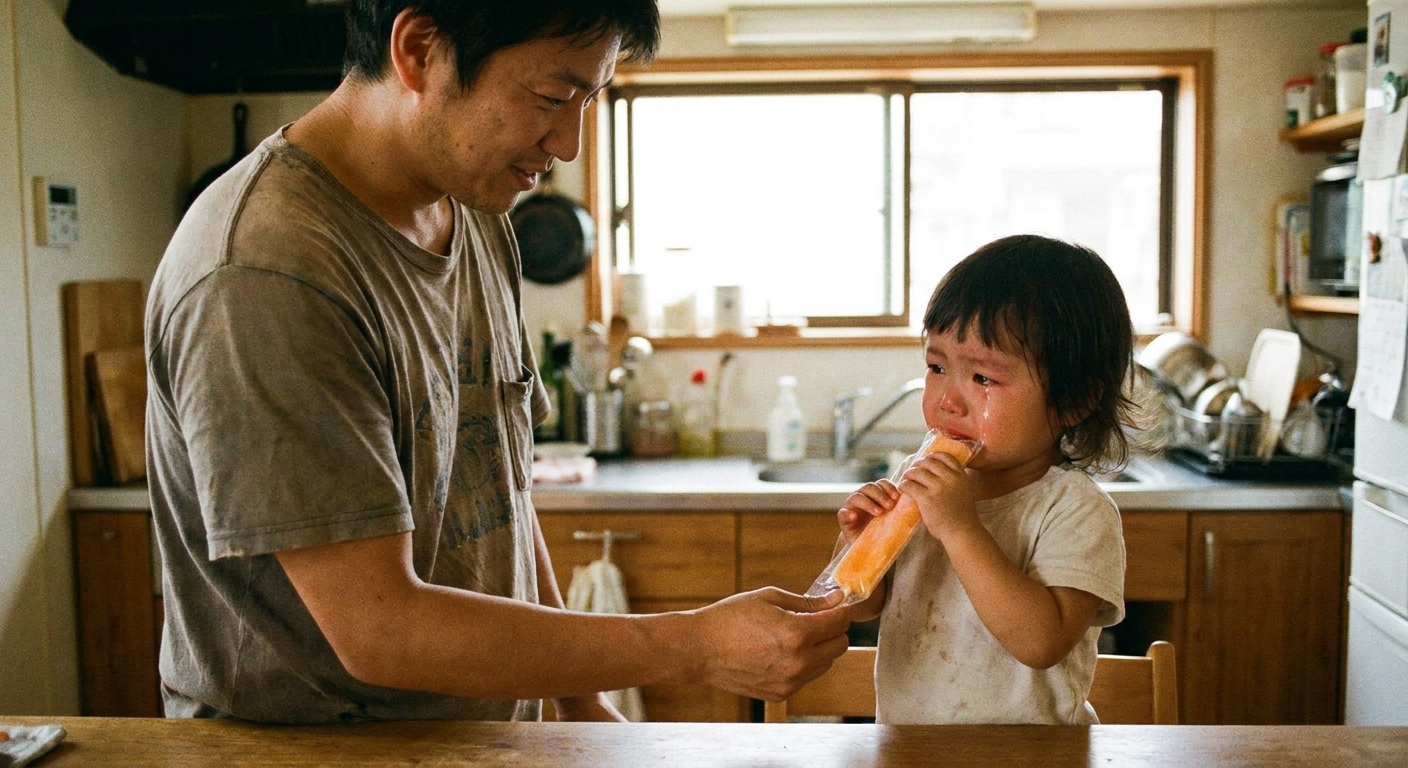
- Ice pops can be a small miracle for temporary comfort
4) Pain relief if needed
If your child is truly uncomfortable, ask your pediatrician about using age-appropriate pain relief like acetaminophen or ibuprofen. (This is especially helpful if they are avoiding eating or drinking.)
Avoid putting numbing gels in a child’s mouth unless a clinician specifically recommends it. Many over-the-counter oral anesthetics are not appropriate for young kids and can be risky if swallowed. (Some products, such as those containing benzocaine, have specific safety warnings for young children.)
How long does it last?
Each patch can last days to weeks, then fade. The overall pattern can come and go for months or even years. That sounds dramatic, but remember: it is typically benign and does not cause permanent damage to the tongue.
Many kids eventually have fewer flares as they get older.
Other look-alikes
If the pattern is not classic, or your child seems sick, it is worth considering other causes. A few common ones clinicians think about:
- Hand-foot-and-mouth disease: mouth sores plus fever, and often a rash on hands or feet
- Canker sores: painful small ulcers, usually on the inside of lips or cheeks
- “Strawberry tongue” (seen with illnesses like strep scarlet fever): a bright red tongue with prominent bumps, usually with a sore throat and fever
- Trauma or burns: from hot foods or biting the tongue
This is not meant to alarm you, just to explain why persistent pain, fever, or a child who looks unwell should be checked out.
When to call
Geographic tongue is usually diagnosed by appearance alone. Still, it is smart to get checked if anything about it does not fit the typical pattern or if your child is miserable.
Make an appointment if:
- Your child has significant mouth pain or is refusing to eat or drink
- The tongue looks “map-like” plus there are sores on the lips, gums, or inside cheeks
- The patches are not changing at all and persist in the same spot beyond a few weeks
- Your child has frequent mouth issues and you suspect nutritional problems (like iron or B vitamin deficiency) or restrictive eating
- You are unsure whether this could be thrush or another condition
Get urgent medical care if your child has:
- Fever with mouth pain and drooling
- Trouble swallowing or breathing
- Dehydration signs (very dry mouth, peeing much less, no tears when crying)
- Widespread rash, swelling, or hives along with mouth symptoms
- Severe fatigue, weight loss, or other systemic symptoms you cannot explain
Those red flags do not mean geographic tongue is dangerous, but they can point to other illnesses that need attention.
What clinicians do
Most of the time, the visit is straightforward: a history, a look at the tongue, and reassurance.
If the presentation is unusual or symptoms are significant, a clinician might consider:
- Checking for other causes of mouth pain like viral sores, irritation, or allergic reactions
- Discussing diet and possible vitamin or mineral concerns
- Referral to a pediatric dentist or ENT if the diagnosis is unclear
Biopsies or extensive testing are rarely needed for typical geographic tongue in an otherwise well child.
Quick reassurance
Geographic tongue can look dramatic, but it is usually a benign, temporary change in the tongue’s surface. If your child is playful, drinking well, and not in significant pain, this is very often a “watch and soothe” situation.
If the symptoms are strong, the pattern is not typical, or your parent gut is waving a big flag, get it checked. You are not overreacting. You are doing what good parents do: noticing, asking, and keeping your kid safe.
Sarah Mitchell
Sarah Mitchell is a Registered Pediatric Nurse and a mother of three who has spent over a decade helping families navigate the beautiful, chaotic early years of childhood. She combines evidence-based medical knowledge with real-world parenting experience to offer practical, compassionate advice. At Awesome Parent, Sarah's mission is to help exhausted parents find solutions, trust their instincts, and finally get some sleep.