Giardia in Toddlers: Diarrhea, Gas, and Treatment

Sarah Mitchell
Sarah Mitchell is a Registered Pediatric Nurse and a mother of three who has spent over a decade helping families navigate the beautiful, chaotic early years of childhood. She combines evidence-based medical knowledge with real-world parenting experience to offer practical, compassionate advice. At Awesome Parent, Sarah's mission is to help exhausted parents find solutions, trust their instincts, and finally get some sleep.
If your toddler has had diarrhea that just will not quit, plus gas that could clear a room, you are not being dramatic for wondering if it is more than a typical stomach bug. One sneaky culprit is giardia, a tiny parasite that loves daycare settings, unwashed little hands, and outdoor water play.
Most viral stomach bugs burn through the house in a few days. Giardia often lingers for one to several weeks, and the poop can have a very specific vibe: foul-smelling, greasy, pale, and sometimes floating. Not always, and not only giardia, but often enough that parents tell me, “Something about this smells different.” Trust that instinct, and also know other things can look similar.
What it is and how toddlers catch it
Giardia is a parasite (Giardia duodenalis, also called Giardia lamblia) that infects the intestines. Kids get it by swallowing microscopic cysts from stool (fecal contamination). I know, lovely. In toddler terms, it spreads through “everything goes in the mouth” plus imperfect handwashing.
Common toddler exposure stories
- Daycare: diaper changes, shared toys, and potty-training bathrooms are prime transfer zones.
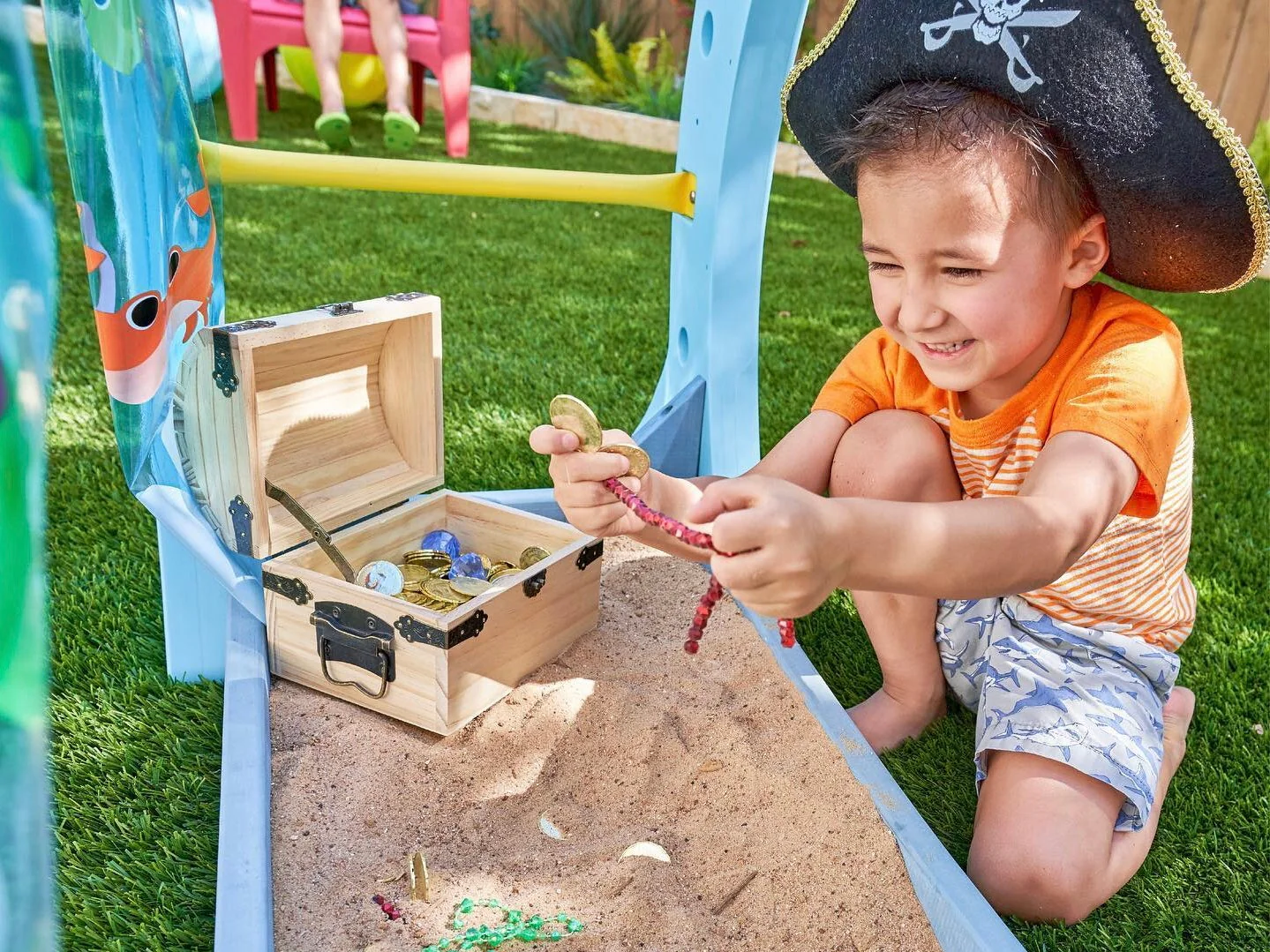
- Outdoor water: swallowing water from lakes and streams is classic. Splash pads, kiddie pools, and water tables can also spread it if the water is contaminated or not properly treated.
- Household spread: one child brings it home, siblings share germs like it is their job.
- Travel: especially where clean water access is less reliable.
Giardia is not a reflection of “dirty” parenting. It is a reflection of toddlers being toddlers.
Symptoms: giardia vs. a viral bug
Giardia symptoms usually start about 1 to 2 weeks after exposure, but it can be shorter or longer. That delay is one reason it is easy to miss.
Common symptoms
- Diarrhea that persists (often more than 7 days, sometimes weeks)
- Foul-smelling stools
- Greasy, pale, or frothy stools that may float
- Gas and burping
- Bloating and belly discomfort
- Nausea or occasional vomiting
- Low appetite
- Fatigue
- Weight loss or poor weight gain in prolonged cases
The stool quality is often what makes parents raise an eyebrow: it can look like it has extra mucus, or it can look “oily” in the diaper.
Quick reality check from the triage-nurse desk: greasy or floating stools can also happen with diet changes, other infections, or other malabsorption issues. So this is a clue, not a diagnosis.
When to suspect giardia
These are the situations where I start thinking “this might be giardia” and recommend asking your clinician about stool testing:
- Diarrhea lasting longer than 7 to 10 days, especially if it is not improving
- Diarrhea plus significant gas, bloating, and very foul odor
- Recent daycare outbreak or multiple kids with prolonged diarrhea (including kids with mild symptoms)
- Recent lake or river camping, splash pad days, or swallowed pool water (especially in settings with uncertain water treatment)
- Any diarrhea with weight loss, dehydration, or persistent abdominal pain
Some kids can carry giardia with mild symptoms, or even none, which is part of why it can move through a classroom.
Testing: what to expect
Giardia is typically diagnosed with a stool test. Depending on your clinic and lab, that may include:
- Stool antigen test (looks for giardia proteins)
- PCR stool panel (detects giardia genetic material, often bundled with other GI germs)
- Ova and parasite exam (microscopy, sometimes used in specific situations)
Here is the annoying truth: giardia is not always shed consistently in poop. That means a single test can sometimes miss it. Your pediatrician may recommend more than one stool sample collected on different days if symptoms are convincing.
In a stable kid, many clinicians prefer to test before treating. If your child is sicker, losing weight, or symptoms are really sticking around, your clinician may move faster.
Stool collection tips
- Ask the lab for the exact collection instructions before you start.
- Do not collect stool from a toilet bowl full of water. Use a clean container or collection hat if provided.
- For diapers, some labs allow stool scooped from the diaper as long as it is not soaked with urine. Follow your lab’s rules.
- Refrigerate if instructed and return promptly.
Treatment: how it works
The good news: giardia is treatable. The less good news: toddlers can be toddlers about medicine.
Prescription options
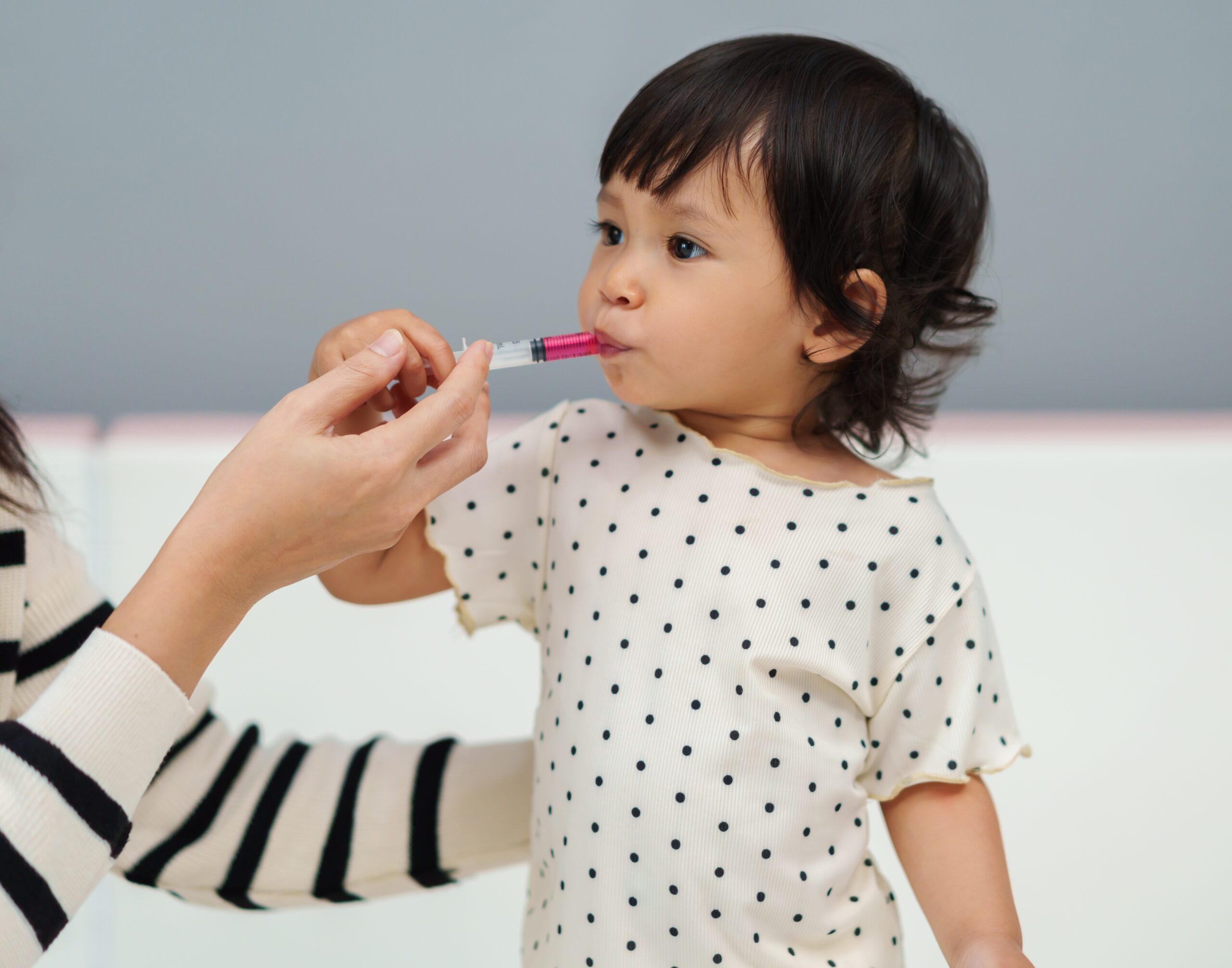
Your child’s clinician will choose a medication based on age, weight, local guidance, and what is available in your country. Common options include:
- Metronidazole: effective, but can taste unpleasant and may cause nausea.
- Tinidazole: often a shorter course (sometimes single dose), sometimes easier for families.
- Nitazoxanide: another option used in pediatrics in certain cases.
- Albendazole: used in some places and guidelines (sometimes off-label depending on location).
Take the medication exactly as prescribed, and finish the course even if the poop improves quickly.
After starting medicine
- Some kids improve within a few days, but stool may take 1 to 2 weeks to fully normalize.
- Gas and bloating usually improve as the parasite clears.
- Your child may temporarily have trouble digesting lactose after giardia. That can make diarrhea linger even after the parasite is gone.
If symptoms come back
If diarrhea improves and then returns, call your pediatrician. It could be reinfection, incomplete clearance, temporary lactose intolerance, or another cause entirely. Sometimes the next step is repeat testing or a different medication.
At-home care: hydration first
Whether it is viral diarrhea or giardia, dehydration is the biggest short-term risk in toddlers.
Hydration basics
- Offer oral rehydration solution (ORS) in small, frequent sips. Think teaspoons and tablespoons, not big cups.
- Keep normal foods in the mix if your child is willing: toast, rice, yogurt, bananas, eggs, soups, and whatever “safe foods” they will accept.
- Skip juice and soda. They can worsen diarrhea.
Signs of dehydration
- No urination for 8 hours (or markedly fewer wet diapers than usual)
- Very dry mouth, no tears when crying
- Sleepy, listless, hard to wake
- Dizziness or unusual fussiness
If you are worried about dehydration, do not wait it out. Call your pediatrician, urgent care, or seek emergency care depending on severity.
Daycare: when can they go back?
Daycare exclusion rules vary by state, country, and center policy, but there are some common themes:
- Many centers exclude children with diarrhea that is not contained in the diaper or that is causing accidents in underwear.
- Some jurisdictions or centers require that treatment has started, and in certain situations they may request clearance guidance from a clinician.
- In practice, most kids can return when they are well enough to participate and their stooling can be managed hygienically.
Ask your daycare for their exact policy and tell your pediatrician you need “return to daycare” guidance. If there is an outbreak, public health rules may be stricter.
Stop it spreading at home
Once one child has giardia, the rest of the family is at higher risk. You do not need to bleach your entire life, but you do need a short burst of “germ containment mode.”
Practical prevention steps
- Handwashing: for giardia, soap and water is required after diapering, toileting, and before eating. Alcohol-based hand sanitizer does not reliably kill giardia cysts, so do not use it as your main plan here.
- Diaper changing: use a dedicated surface, disinfect after each change, and wash hands immediately.
- Bathroom hygiene: disinfect toilet seats, flush handles, faucets, and doorknobs daily during illness.
- Bath time: avoid sharing bathwater with siblings while diarrhea is ongoing.
- Water play: keep kids with diarrhea out of pools and splash pads. Many public health guidelines recommend waiting about 2 weeks after diarrhea stops before swimming with giardia or suspected giardia. Follow your local guidance and your child’s clinician if it differs.
If you have pets, keep in mind that some animals can carry giardia too. If your child is repeatedly infected, ask your pediatrician whether a vet check is reasonable.
When to call urgently
Call your pediatrician promptly or seek urgent care if your toddler has:
- Signs of dehydration
- Blood in the stool
- Severe or worsening belly pain
- High fever or a child who looks very ill
- Diarrhea lasting more than a week, especially with foul, greasy stools or weight loss
- Underlying medical conditions that increase risk (immune compromise, complex medical history)
And if you are stuck in that 3 AM spiral wondering whether this is “normal,” it is okay to call. Persistent diarrhea is exhausting, and you deserve a clear plan.
What else could it be?
Because giardia is not the only reason a toddler can have lingering diarrhea, your clinician may also consider things like:
- Post-viral lactose intolerance (very common after a stomach bug)
- Toddler’s diarrhea (benign chronic loose stools in some kids)
- Other infections (viral, bacterial, or other parasites)
- Food sensitivities or higher juice intake
- Celiac disease or other malabsorption issues (usually with a longer pattern)
This is not meant to stress you out. It is meant to remind you that testing and a clinician’s guidance are what turn “I think it might be giardia” into a real plan.
Giardia vs. viral bug: quick check
If you have already read our viral stomach bug content on Awesome Parent, here is the simplest contrast:
- Viral gastroenteritis: usually sudden, lots of vomiting early, improves in a few days.
- Giardia: often less dramatic up front, more gas and bloating, and diarrhea that hangs around, with stools that can be greasy and very smelly.
Either way, hydration is priority one. The difference is that giardia usually needs testing and prescription treatment to fully resolve.
One last reassuring note
Giardia can feel like an uninvited houseguest who refuses to leave, but most toddlers do very well once it is identified and treated. If your gut is telling you this is not “just another bug,” you are not overreacting. You are paying attention, and that is good parenting.