A calm, clear guide to spotting sepsis red flags beyond “just a fever” and knowing when to call 911 or head to the ER.
Group B Strep in Pregnancy

Sarah Mitchell
Sarah Mitchell is a Registered Pediatric Nurse and a mother of three who has spent over a decade helping families navigate the beautiful, chaotic early years of childhood. She combines evidence-based medical knowledge with real-world parenting experience to offer practical, compassionate advice. At Awesome Parent, Sarah's mission is to help exhausted parents find solutions, trust their instincts, and finally get some sleep.
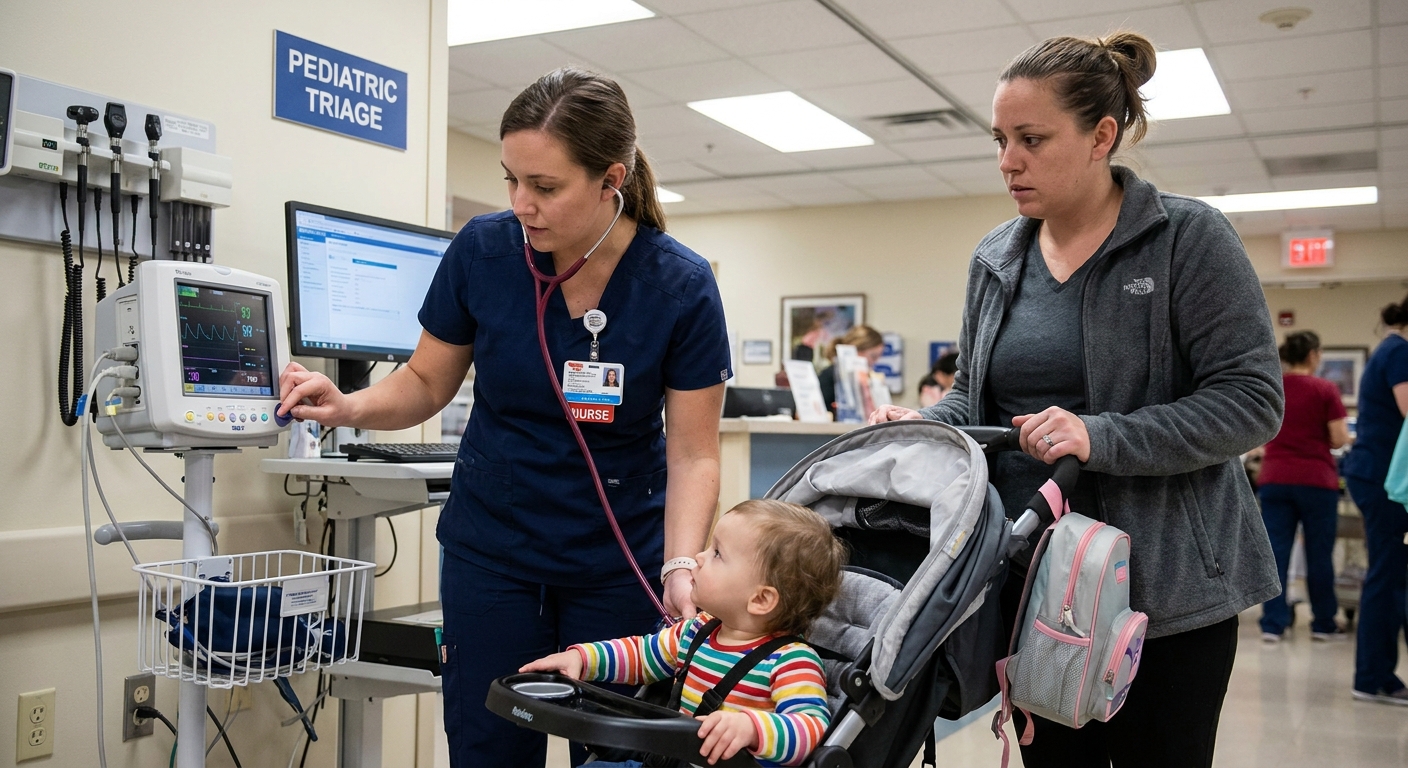
If your prenatal lab results just came back with “GBS positive,” take a breath. I know it can sound scary in the middle of an already intense season of life. In pediatric triage, I saw a lot of parents spiral after reading late-night internet horror stories. The truth is this: Group B Strep is very common, it usually does not make you sick, and we have a well-studied plan to protect babies during birth.
Below is a clear, practical guide to what GBS is, why and when you get tested, what IV antibiotics in labor actually looks like, and what your newborn’s team may watch for after delivery. Always call your OB or your baby’s pediatrician for guidance for your specific situation, especially if you have symptoms, preterm labor, or a complicated delivery.
What is Group B Strep (GBS)?
Group B Streptococcus (GBS) is a type of bacteria that can live in the body, most often in the gastrointestinal tract and sometimes in the vagina or rectum. When it is present without causing illness, we call it colonization.
Colonization vs infection
- GBS colonization means the bacteria is present but not causing symptoms or harm to you. This is what a typical “GBS positive” pregnancy screen is describing.
- GBS infection means the bacteria is causing illness, like a urinary tract infection (UTI) or, more rarely, an infection of the uterus or bloodstream. That is treated as an infection, not just colonization.
Most pregnant people who carry GBS feel completely fine and would never know they have it without screening.
Why GBS matters in pregnancy
GBS matters in pregnancy because it can be passed to a baby during labor and delivery. The vast majority of babies exposed to GBS do well, but a small number can develop serious illness. Preventing that small number is the whole point of screening and antibiotics in labor.
Early-onset vs late-onset disease
You may hear clinicians talk about:
- Early-onset GBS disease: illness in the first week of life, most commonly in the first 24 to 48 hours. This is the type that in-labor IV antibiotics are designed to prevent.
- Late-onset GBS disease: illness from about 1 week to 3 months of age. Labor antibiotics do not reliably prevent this form. Late-onset disease can occur even when a parent was not known to be colonized at delivery, and exposures can come from outside the delivery room (for example, community or household sources). This is one reason pediatricians still take newborn symptoms seriously even when the birth plan was “by the book.”
When you are tested
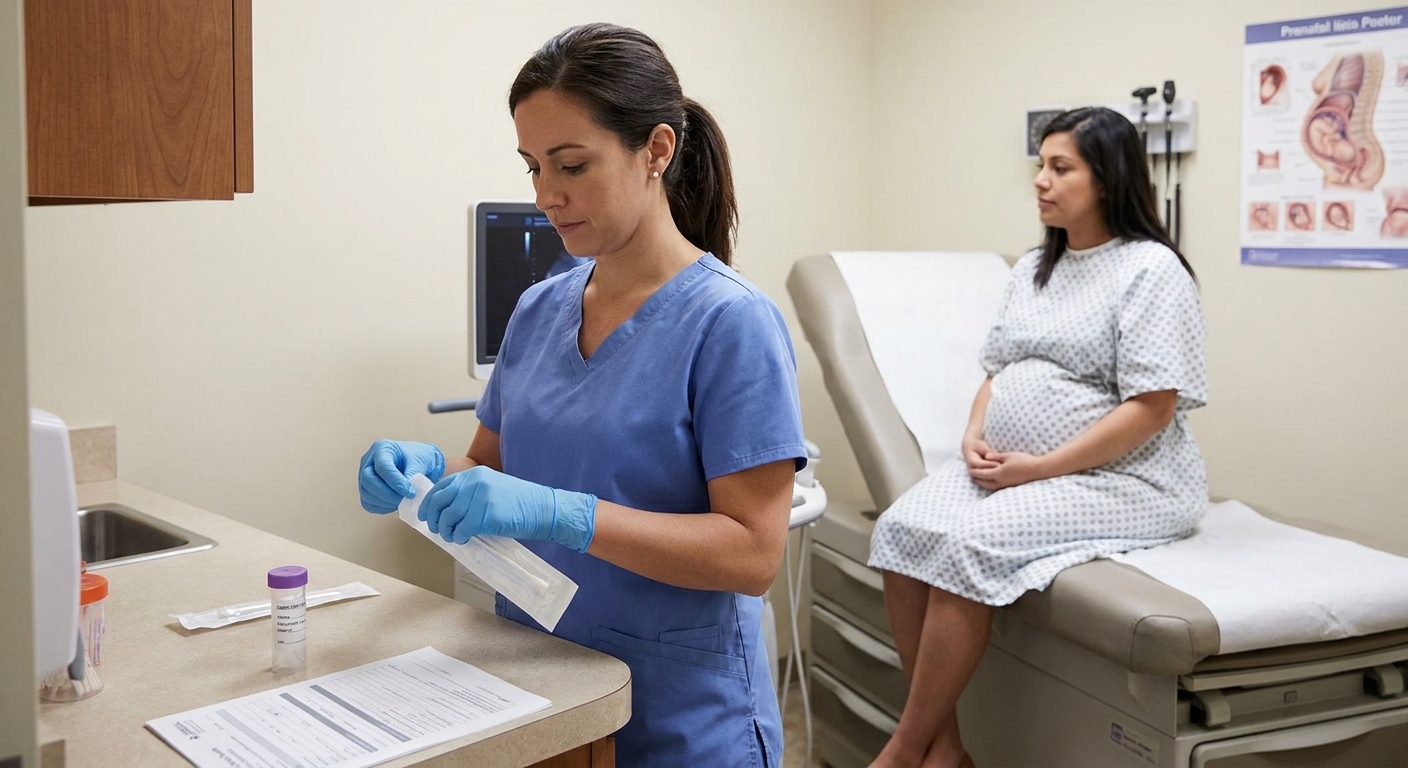
Most people are screened for GBS with a vaginal and rectal swab at 36 0/7 to 37 6/7 weeks of pregnancy (in other words, the 36th week through the end of the 37th week). The timing is intentional because GBS colonization can come and go. A test done too early might not reflect what is present at the time you deliver.
What the test is like
- It is a quick swab of the lower vagina and the rectum.
- Many practices offer a self-swab option, which some patients find more comfortable. If that matters to you, ask at your appointment.
- It is typically more uncomfortable than painful, and it is over fast.
What “GBS positive” means for birth
A positive GBS screen usually means one main change: you will be offered IV antibiotics once you are in labor or when your water breaks, to reduce GBS in the birth canal during delivery and lower the chance of baby being exposed.
Do you need a C-section?
No. Being GBS positive is not a reason for a planned C-section by itself. Many GBS-positive parents have uncomplicated vaginal births.
Do you need antibiotics before labor?
In most cases, no. Treating GBS colonization during pregnancy (before labor) does not reliably keep it away, because it can return. For that reason, oral antibiotics are not recommended solely to eradicate colonization. The evidence-based strategy is antibiotics during labor, right when it matters most.
Will you be retested?
Usually, if you have a documented GBS screen in the recommended window late in pregnancy, you are not routinely retested. But there are a few situations where testing and planning can look different.
When the plan changes
- GBS bacteriuria (GBS in your urine) at any point in pregnancy: This is treated like a higher bacterial load. Even if a later swab is negative, many clinicians will still recommend IV antibiotics in labor.
- A previous baby with GBS disease: Most guidelines recommend IV antibiotics in labor in a future pregnancy, regardless of the current swab result.
- Preterm labor: If you go into labor before routine screening, your team may do a rapid or standard test and may start antibiotics based on risk factors while awaiting results.
- Unknown GBS status at delivery: If the test was not done, results are unavailable, or you deliver before screening, your OB team uses risk factors to decide about antibiotics. Common triggers include preterm labor, fever in labor, and rupture of membranes for 18 hours or more.
If you are unsure which bucket you are in, ask your OB or midwife: “What will determine whether I get antibiotics in labor?” It is a simple question with a very clarifying answer.
IV antibiotics in labor
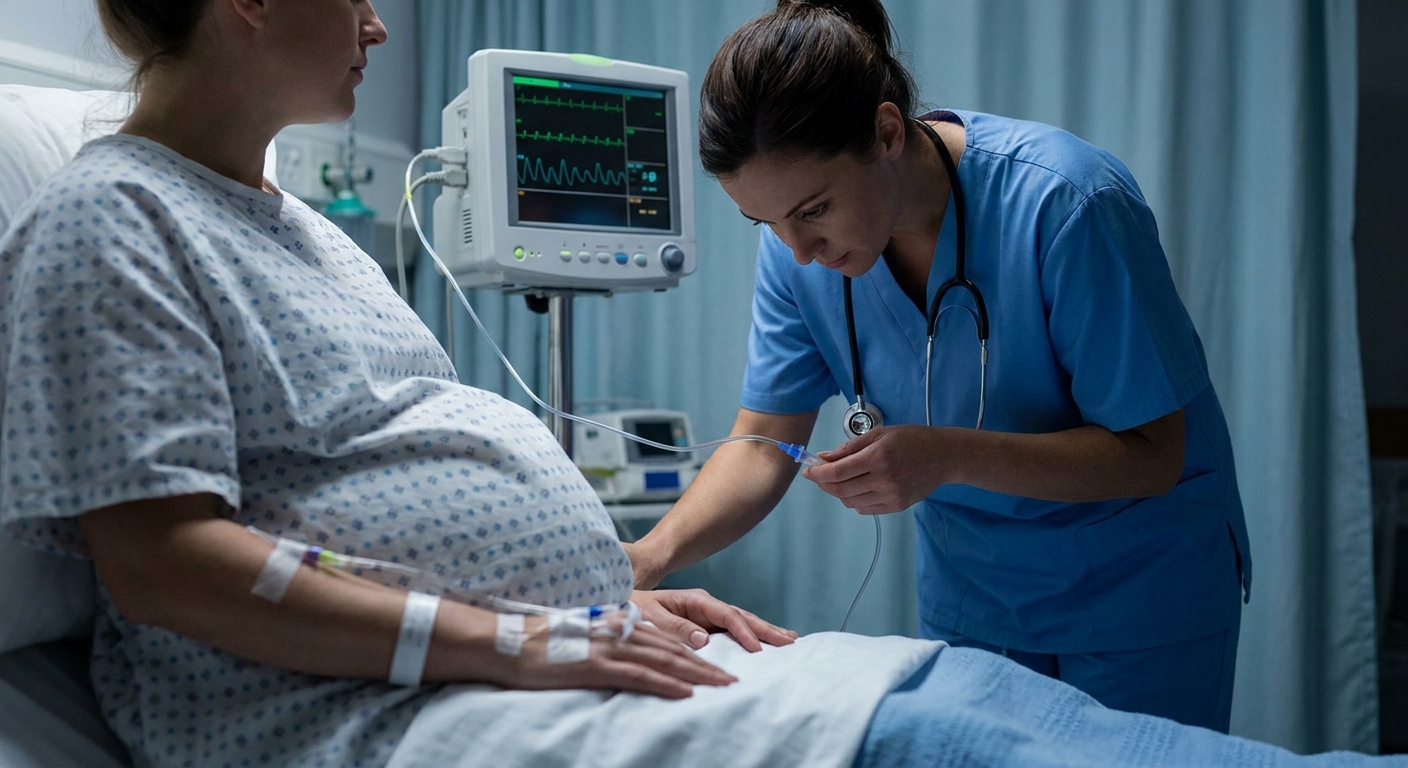
If you are GBS positive, you will typically receive antibiotics through an IV after labor begins or after your water breaks. The goal is to have enough time for the medication to lower GBS levels before baby is born.
Which antibiotic is used?
The first choice is usually penicillin (or sometimes ampicillin).
If you have a penicillin allergy, your team will choose an alternative based on your reaction history and, sometimes, on lab testing that shows which antibiotics the bacteria is sensitive to. Common approaches include:
- Cefazolin if your allergy history suggests a low risk of a severe reaction.
- Clindamycin only if the GBS isolate is shown to be susceptible.
- Vancomycin if clindamycin is not an option or susceptibility is unknown.
If you are not sure what your allergy was, tell your OB what you remember. “I got a rash once” and “I had trouble breathing” lead to different choices. Some pregnant patients also qualify for penicillin allergy evaluation, which can clarify what is safe and can expand your options.
How dosing works
In many hospitals, there is a first dose when you present in labor (or after rupture of membranes), then repeat doses about every 4 hours until delivery. Your exact schedule may vary based on your medication and hospital protocol.
What “at least 4 hours” means
You may hear that antibiotics are most protective when they have been running for 4 or more hours before birth. That is often called “adequate prophylaxis.” If you arrive late in labor and deliver quickly, you did not do anything wrong. Your team does not delay a necessary delivery just to reach a time cutoff. Instead, they adjust the newborn monitoring plan based on the full picture.
Can you still move around or get an epidural?
In most hospitals, yes. The IV is usually a small catheter in your hand or arm. Antibiotics are given at set intervals, and you can often continue with your comfort measures and birth preferences in between doses. Ask your nurse how the unit typically manages mobility with an IV.

If your water breaks first
If your membranes rupture (your water breaks), your OB team will consider timing, gestational age, and your GBS status.
- At term with known GBS positive status: many hospitals start IV antibiotics at presentation or at rupture of membranes, and then make a delivery plan (often induction) based on how long your water has been broken and other clinical factors.
- Preterm rupture of membranes: management can look different and is individualized.
This is a great moment to call your OB or L&D triage line for personalized instructions. The decision is not just about GBS, it is also about how long the water has been broken, your temperature, baby’s heart rate, and how far along you are.
What if you decline antibiotics?
Some parents want to discuss declining IV antibiotics in labor. You always deserve a respectful, informed conversation. If you are considering this, ask your OB or midwife to walk you through:
- Your baby’s baseline risk based on gestational age, your labor course, and any risk factors like fever or prolonged rupture of membranes.
- What changes for newborn care, which may include more frequent vital signs, longer observation, and a lower threshold for blood work, blood culture, or empiric antibiotics if symptoms appear.
If anything feels unclear, you can say: “Can you explain what you would recommend and what you would do differently for the baby if we skip antibiotics?”
Newborn monitoring after delivery
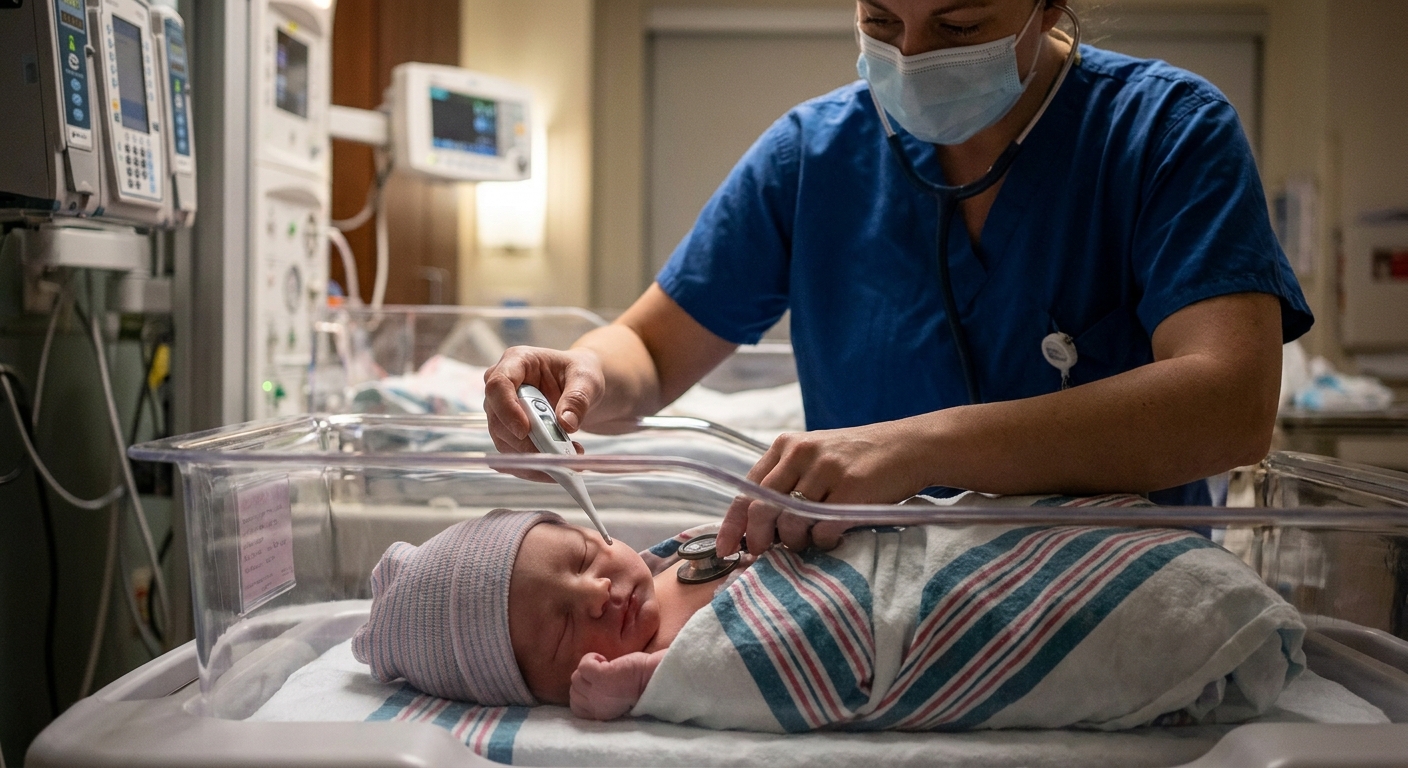
Most babies born to GBS-positive parents are healthy and never need anything beyond normal newborn care. Monitoring is about catching the rare baby who shows early signs of infection.
What the team may do in the hospital
Depending on your situation (for example, whether you received antibiotics for 4 hours, whether you had a fever in labor, whether baby was born preterm), your newborn team may do some combination of:
- Frequent vital signs (temperature, heart rate, breathing rate) for a set number of hours
- General assessments: how baby looks, tone, feeding, wakefulness
- Blood work in higher-risk situations (tests vary by hospital)
- Blood culture if infection is a concern
- Empiric IV antibiotics for baby if symptoms are present or risk is high
Many hospitals now use evidence-based risk tools and protocols to avoid unnecessary blood draws and antibiotics while still keeping babies safe.
Signs your newborn team takes seriously
Call a nurse right away in the hospital, and call your pediatrician urgently after discharge, if you notice:
- Fast breathing, grunting, flaring nostrils, or working hard to breathe
- Blue or gray color around lips or face
- Fever or low temperature (newborns can get cold when sick)
- Poor feeding, weak suck, or refusing feeds
- Unusual sleepiness, limpness, or difficult to wake
- Persistent vomiting or signs of dehydration (fewer wet diapers)
These signs can be caused by many things, not only GBS, but they always deserve prompt medical attention in a newborn.
FAQs parents ask at 3 AM
Did I do something to “get” GBS?
No. GBS colonization is common and is not a reflection of cleanliness, sexual activity, or anything you did wrong. It is simply bacteria that many healthy people carry.
Can GBS affect my pregnancy before labor?
Most of the time, it does not. Sometimes GBS can cause a UTI in pregnancy, which should be treated. If you have burning with urination, fever, pelvic pain, or you just feel “off,” call your OB.
What if I am scheduled for a C-section?
If you have a planned C-section before labor starts and before your water breaks, GBS antibiotics in labor are usually not needed. You will still receive standard antibiotics for the surgery itself. If labor starts or your water breaks before the C-section, tell your team right away because the plan may change.
What if I have a penicillin allergy?
Tell your OB what reaction you have had in the past. Many people who think they are allergic are not truly allergic, and the details matter for safe medication choices. If testing is available and appropriate, allergy evaluation in pregnancy can be helpful.
When to call
Call your OB or labor and delivery line right away if:
- You think your water broke
- You have signs of labor and you are GBS positive
- You have a fever, feel unwell, or notice decreased fetal movement
- You are preterm and having contractions, bleeding, or leaking fluid
Call your baby’s pediatrician urgently (or seek emergency care) if your newborn has any breathing trouble, color change, fever or low temperature, poor feeding, or unusual sleepiness.
Important disclaimer: This article is for general education and cannot diagnose or treat. Your OB, midwife, and pediatrician know your medical history and your baby’s risk factors, so use them as your primary guide for decisions about testing, antibiotics, and monitoring.
Sources
- ACOG guidance on prevention of early-onset GBS disease in newborns (screening timing and intrapartum prophylaxis)
- CDC resources on Group B Strep in pregnancy (screening and prevention)
- AAP guidance on management of infants at risk for early-onset sepsis, including GBS-related risk assessment
Bottom line
GBS is common. A positive test is not a sign that anything is wrong with you or your pregnancy. It is simply useful information that lets your care team take a proven step, IV antibiotics during labor, to greatly reduce the risk of serious newborn infection. If anything about your plan feels unclear, bring your results to your next prenatal visit and ask: “What is our exact GBS plan for labor and for baby after birth?”
Sarah Mitchell
Sarah Mitchell is a Registered Pediatric Nurse and a mother of three who has spent over a decade helping families navigate the beautiful, chaotic early years of childhood. She combines evidence-based medical knowledge with real-world parenting experience to offer practical, compassionate advice. At Awesome Parent, Sarah's mission is to help exhausted parents find solutions, trust their instincts, and finally get some sleep.