
FPIES in Babies and Toddlers: Delayed Vomiting and Hidden Food Triggers
If your baby seems fine after a new food and then, a few hours later, starts vomiting hard and turns pale or limp, it can feel like someone flipped a switch. Many parents are told it is a “stomach bug” or “maybe reflux,” especially when there is no rash, no hives, and no immediate reaction. One...
Read more →
Preemies and Corrected Age
If you have a baby who arrived early, you have probably had this moment: you look at a month-by-month milestone chart and your stomach drops. Your baby is “behind” on paper, but your gut says they are doing their best with the time they have actually had. Corrected age is the tool that makes...
Read more →
Winter Coats and Car Seat Safety
If you’ve ever buckled your child into their car seat in a big winter coat and thought, This feels fine , you’re in very good company. I’ve had this exact conversation with parents in triage more times than I can count, and I’ve also done the awkward parking lot coat-wrestle with my own kids. The...
Read more →Echolalia in Toddlers: When Repeating Phrases Is Normal (and When to Check In)
If your toddler is repeating everything you say like a tiny parrot, you are not alone. And most of the time, it is not a reason to panic. The word echolalia simply means repeating words, phrases, or sounds that someone else said. In toddlers, echolalia can be part of normal language development. It...
Read more →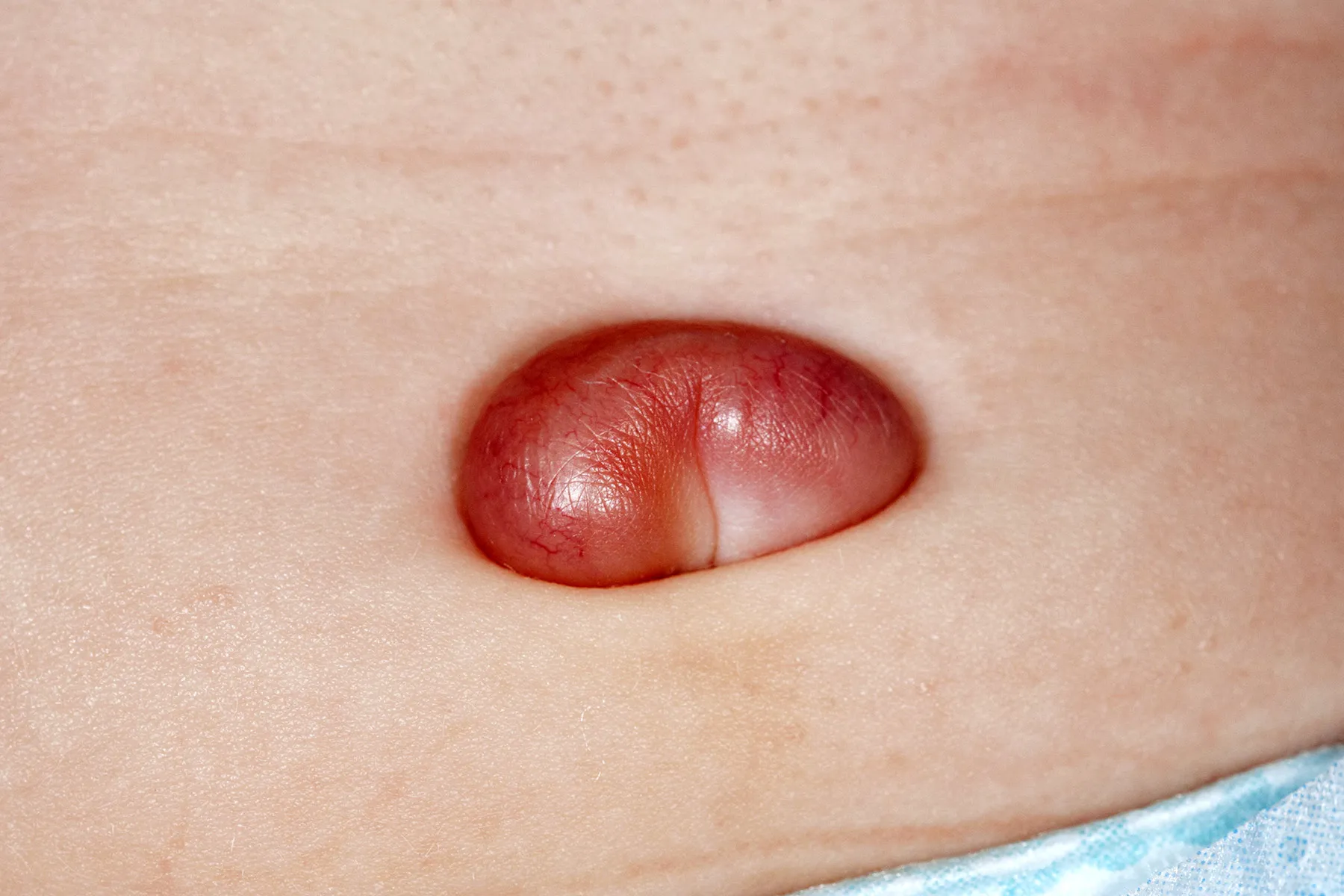
Umbilical Granuloma: Oozing Belly Button After the Cord Falls Off
If you expected your baby’s belly button to be dry and boring once the cord stump fell off, and instead you’re looking at a little pink “blob” that keeps oozing, you are not alone. In pediatric triage, this is one of those calls that comes in with a lot of panic and, thankfully, a very fixable...
Read more →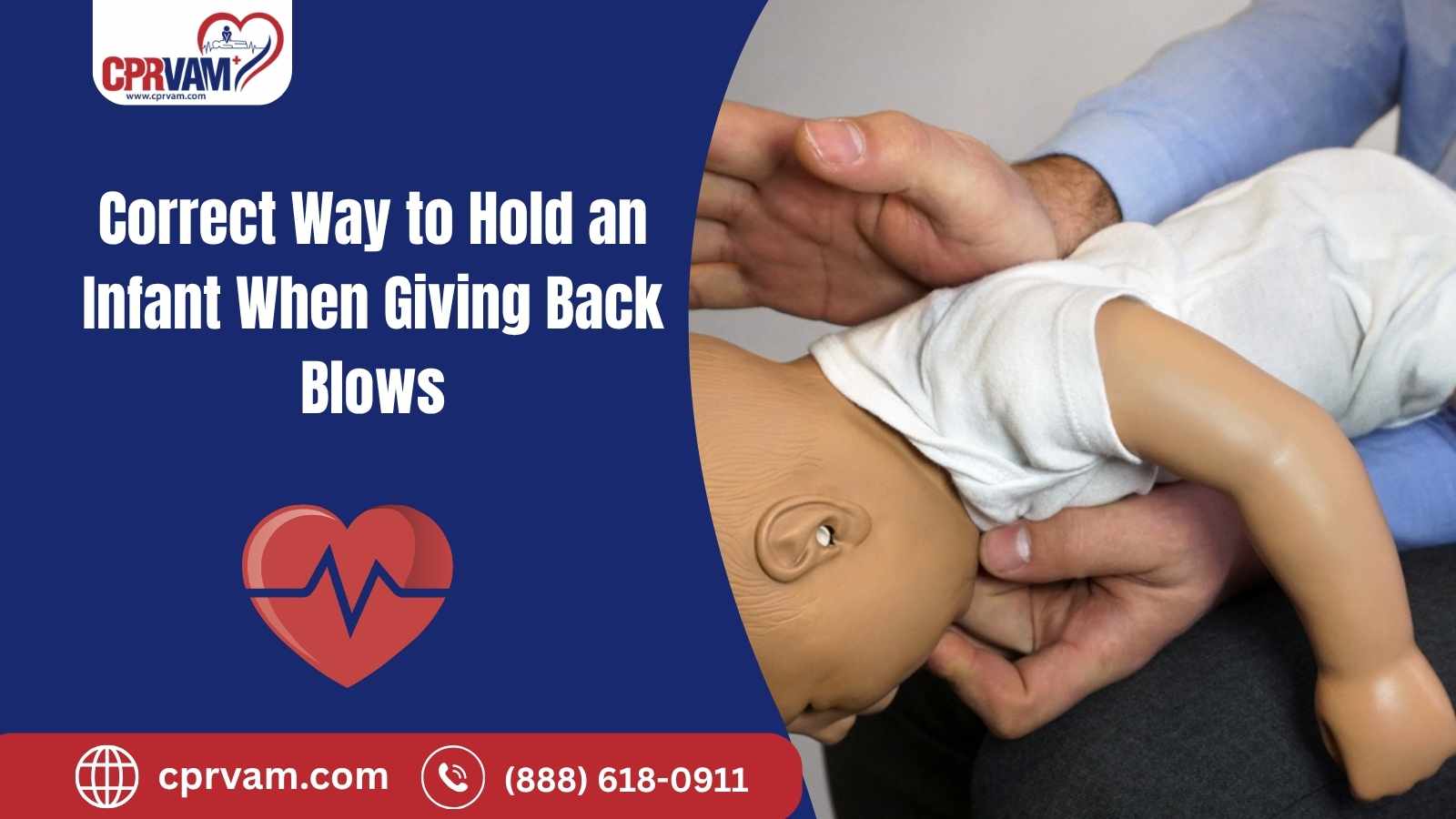
Infant Choking First Aid: Back Blows and Chest Thrusts
If you are reading this with your heart racing, take one breath with me. Choking is terrifying, but the response for babies is straightforward: back blows and chest thrusts , repeated until the blockage clears or help takes over. This page focuses on rescue skills (what to do in the moment). If you...
Read more →
Baby Growth Charts and Percentiles
If you have ever stared at your child’s growth chart and thought, “So… is 12th percentile bad?” you are in excellent company. I used to explain growth charts all day as a pediatric triage nurse, and I still had a moment of panic the first time one of my own kids dipped on a curve after a stomach...
Read more →
Frostbite in Kids: Signs, Prevention, and Safe Rewarming
If you’ve ever peeled off a mitten and found a child’s fingertip looking pale and “weird,” your stomach probably dropped. Frostbite can be scary, but many cold injuries in kids start out mild and are very treatable when you catch them early. The key is knowing what to look for, getting out of the...
Read more →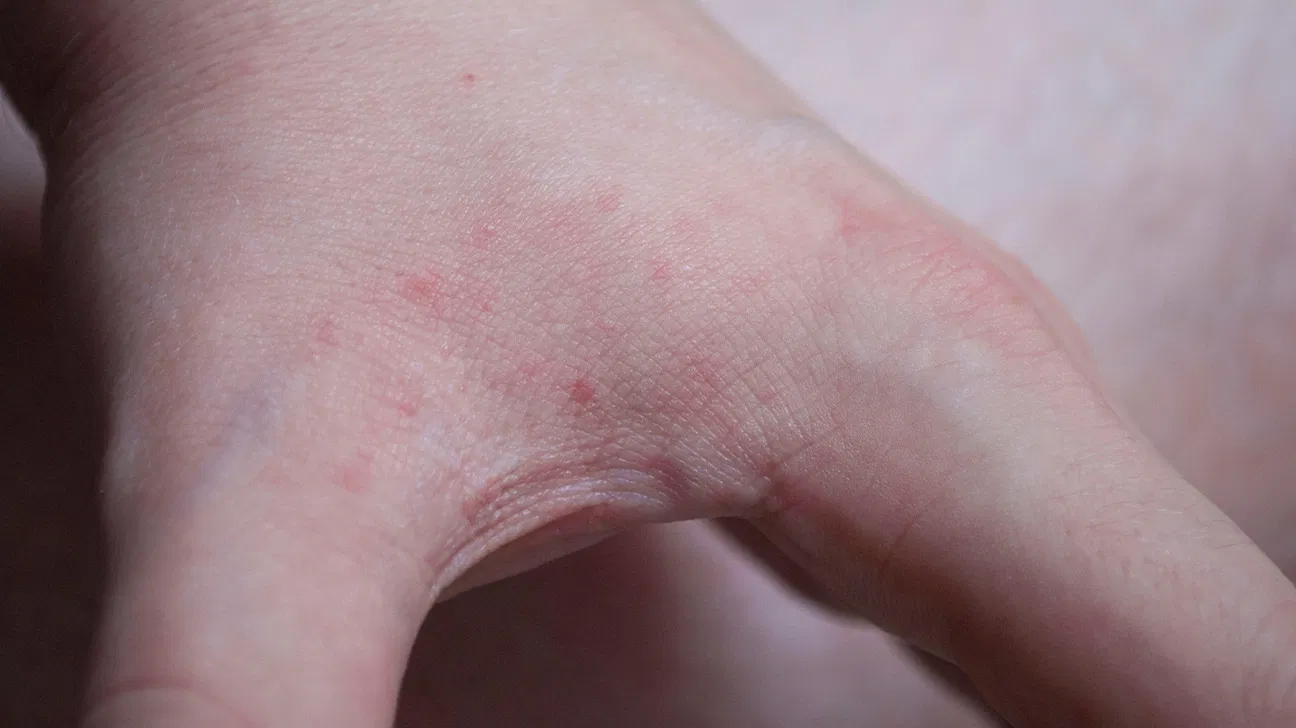
Bed Bug Bites on Kids: How to Spot Them
If you’re staring at your child’s skin at 2 AM wondering, “Are these bed bug bites or just another random kid rash?” you are not alone. I did pediatric triage for years, and this exact question came up constantly, especially after travel, sleepovers, or a sudden run of mysterious morning bumps....
Read more →
Night Sweats in Kids: Common Causes and When to Worry
If you have ever walked into your child’s room and found their hair damp, pajamas soaked, and sheets soaked through (sometimes even the mattress protector), you are not alone. Night sweats can look dramatic, and it is completely normal for your brain to jump straight to, “Is something wrong?” Most...
Read more →
Milia in Newborns: Tiny White Bumps
If you just noticed tiny, pearly white bumps on your newborn’s nose, cheeks, or chin, take a breath. In clinic, we saw this constantly, and at home I have stared at the same little dots on my own babies at 3 AM wondering if I should be doing something. Most of the time, these bumps are milia , a...
Read more →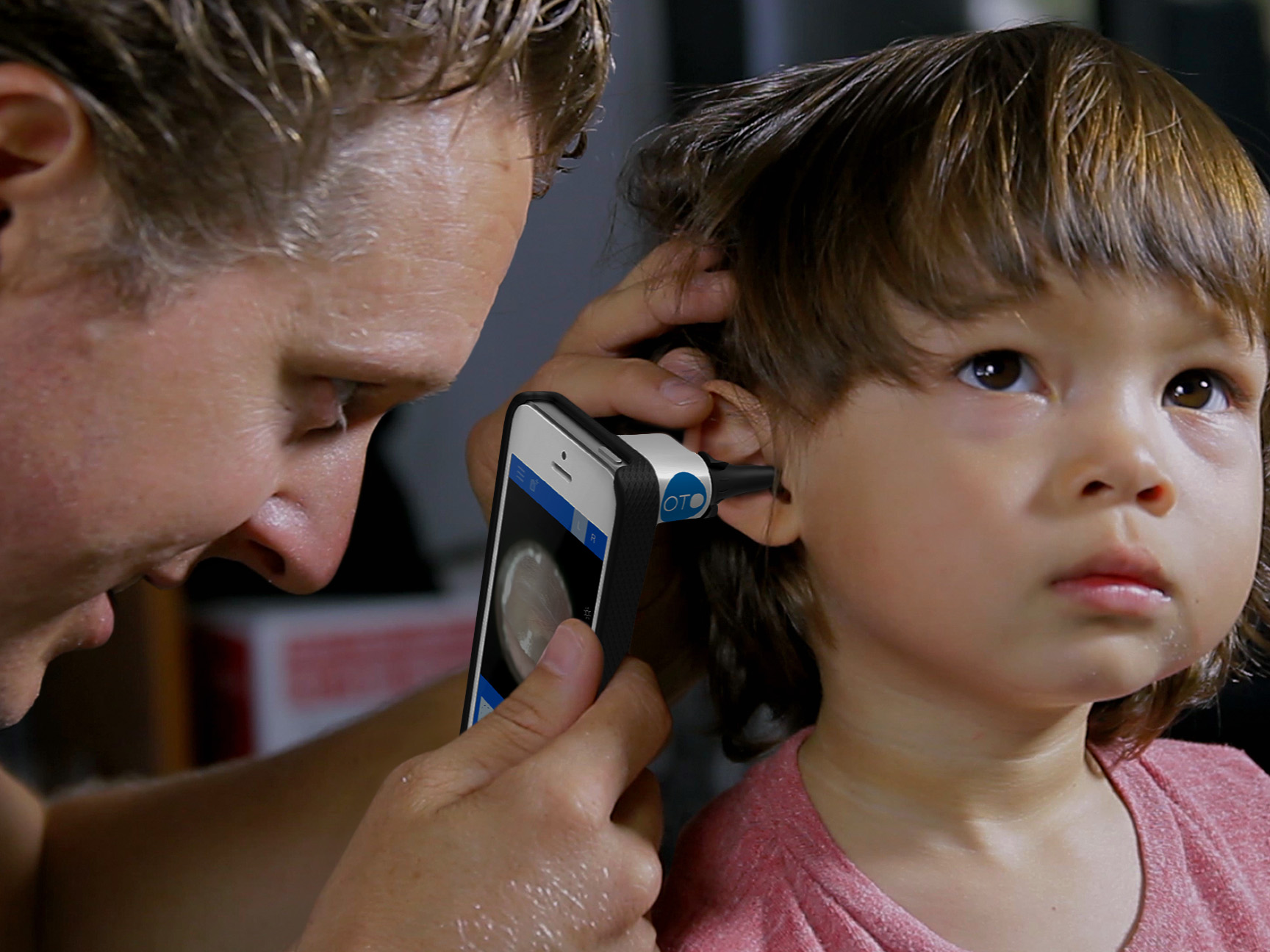
Object Stuck in a Child’s Nose or Ear: What to Do
If you have a child between about 18 months and 6 years old, odds are good you will eventually hear some version of: “Mom, I put a bead in my nose.” Take a breath. Most nose and ear foreign objects can be removed safely, but technique matters because the wrong move can push it deeper or injure...
Read more →
Baby Bottle Tooth Decay: Signs, Prevention, and When to See a Dentist
Baby teeth are tiny, but the trouble they can cause is not. One of the most common problems I saw in pediatric triage, and later as a mom watching friends panic, is baby bottle tooth decay , a common pattern of early childhood caries (ECC) . It often shows up on the upper front teeth first, and it...
Read more →
Knocked-Out or Chipped Baby Tooth: What to Do Now
If your toddler just face-planted and a tooth looks chipped or missing, your brain probably went straight to worst-case scenarios. Take a breath. Most baby-tooth injuries look scarier than they are, and there are a few simple steps that make a big difference in comfort, bleeding control, and...
Read more →
Acute Bronchitis in Kids
If your child has a cough that will not quit, you are not alone. In clinic, one of the most common questions I heard was: “Is this bronchitis or just a cold, and why are we still coughing?” Acute bronchitis is basically inflammation of the larger airways (the bronchi), usually after a viral cold....
Read more →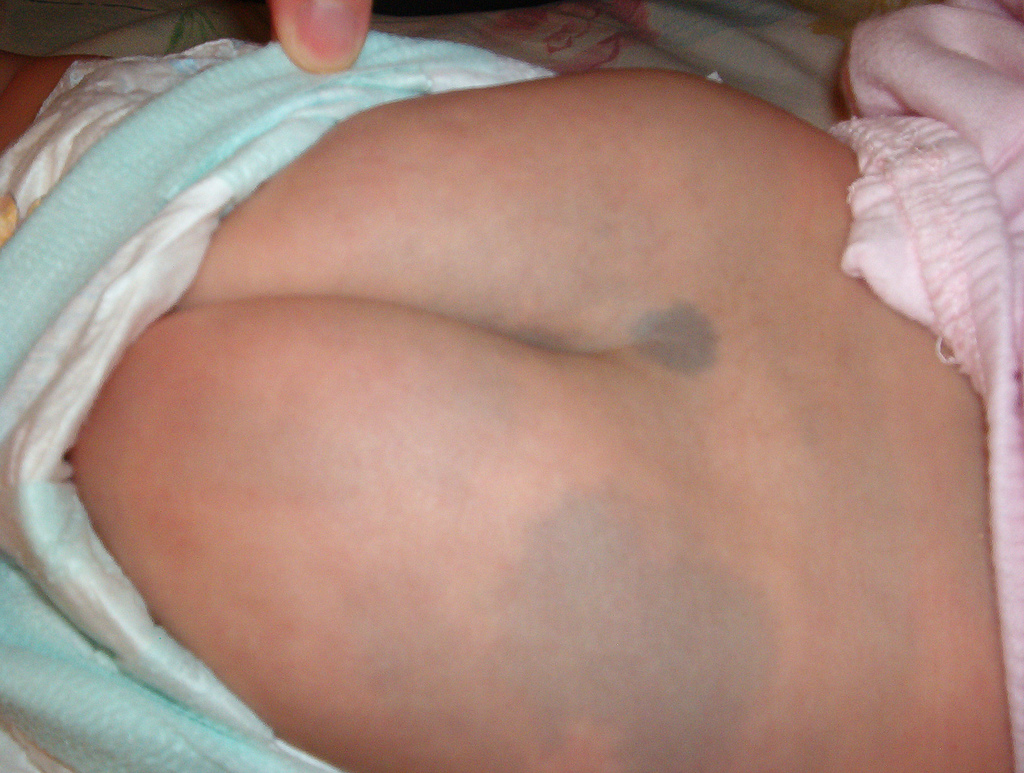
Mongolian Spots in Newborns
If you just noticed a blue-gray patch on your newborn’s skin, you are not alone. Many parents panic because it looks like a bruise, especially when it shows up on the lower back or bottom. The good news is that what you are seeing may be congenital dermal melanocytosis , a very common and harmless...
Read more →
Vaccine Reactions in Babies and Toddlers
Vaccines are one of those parenting moments that can feel quick in the clinic and very long afterward at home. If your baby is suddenly clingy, your toddler is cranky, or you notice a warm, small bump where the shot went in, it is completely normal to wonder: Is this okay, or is this an emergency?...
Read more →
Carbon Monoxide Poisoning in Kids: Symptoms and When to Call 911
If your child wakes up acting “flu-ish” out of nowhere, it is natural to assume it is a virus. But there is one dangerous problem that can look exactly like the flu and needs a totally different response: carbon monoxide (CO) poisoning . As a pediatric nurse and a mom, I want you to have a simple,...
Read more →
Reye Syndrome and Aspirin: Why Kids Should Avoid It
If you have ever stood in your kitchen at 2 a.m. holding a miserable kid and squinting at a medicine label, you are not alone. One of the most important medication safety rules for children is also one of the simplest: do not give aspirin to children or teens when they are sick with a suspected or...
Read more →
Receptive Language Delay in Toddlers
If your toddler can say a handful of words but seems to not understand what you’re asking, it can feel extra unsettling. Parents often tell me, “He can talk, but it’s like he doesn’t get me,” or “She repeats things, but doesn’t follow directions.” That worry is valid, and it also has a name:...
Read more →