A calming, practical guide to swimmer’s itch (cercarial dermatitis): what it looks like, when it starts after swimming, safe itch relief, infection warning...
Hot Tub Rash in Kids: Itchy Bumps After Swimming

Sarah Mitchell
Sarah Mitchell is a Registered Pediatric Nurse and a mother of three who has spent over a decade helping families navigate the beautiful, chaotic early years of childhood. She combines evidence-based medical knowledge with real-world parenting experience to offer practical, compassionate advice. At Awesome Parent, Sarah's mission is to help exhausted parents find solutions, trust their instincts, and finally get some sleep.
If your child hopped in a hot tub, heated pool, or a busy community pool and now has a patch of itchy red bumps, you are not alone. Every summer, I talk to parents who worry it is chickenpox, bedbugs, or an allergic reaction. Most of the time, it is much less dramatic and very treatable at home.
One common culprit is hot tub rash, also called Pseudomonas folliculitis. It looks scary, feels annoyingly itchy, and typically shows up on a very specific timeline after swimming. The good news is that most healthy kids get better with simple care and a little patience.
What it is and why it happens
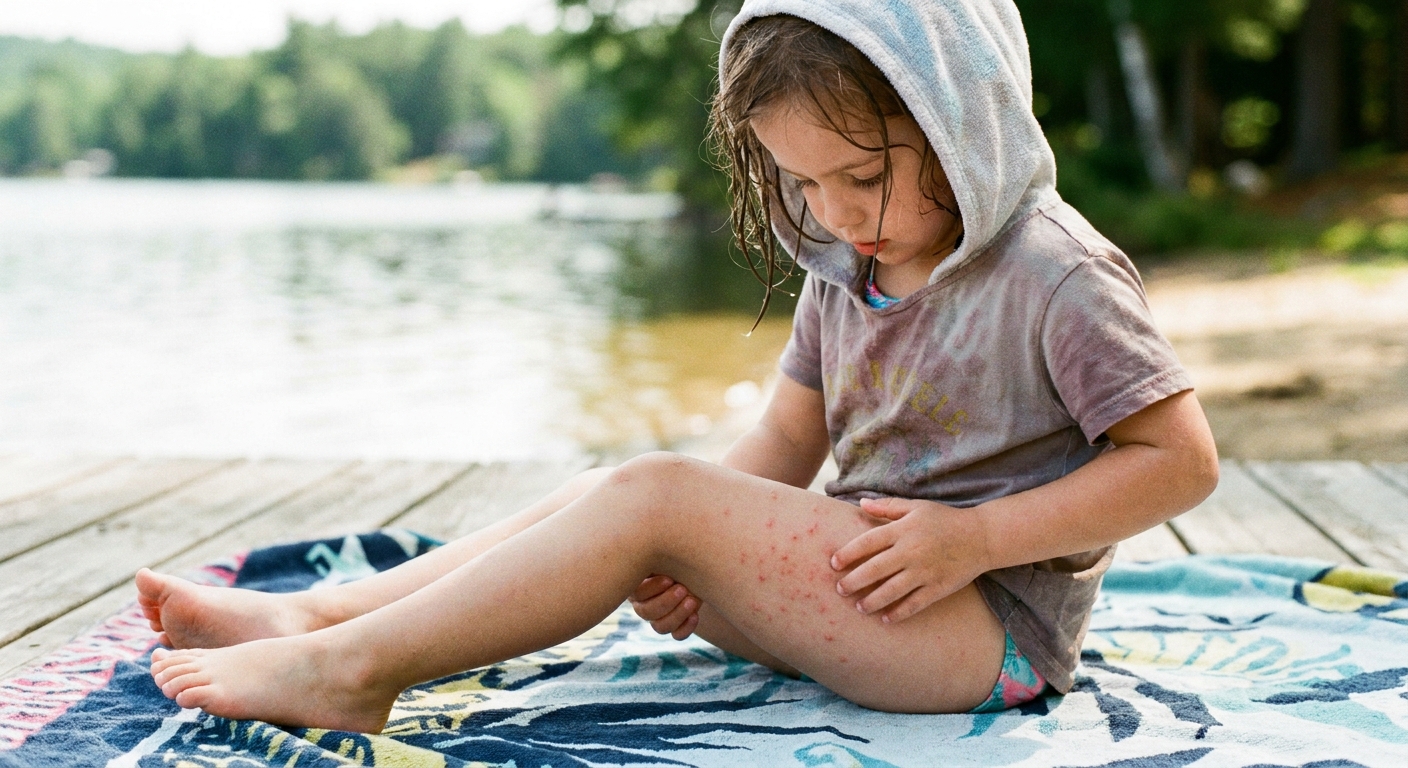
Hot tub rash is an infection of the hair follicles caused by a bacteria called Pseudomonas aeruginosa. This germ loves warm water and can multiply when hot tubs, heated pools, or occasionally pools and water parks are not properly disinfected or when disinfectant levels dip even briefly.
The bacteria gets into the openings of hair follicles, especially in areas where a wet swimsuit holds water against the skin. That is why kids often get bumps on the buttocks, thighs, trunk, and under the swimsuit.
Is it contagious?
Not usually in the person-to-person way parents fear. Kids do not typically “catch it” from each other by hugging. The exposure is usually from the shared water source.
That said, the bumps can contain bacteria, so good hygiene is still smart: avoid sharing towels, keep hands clean, and do not let kids pick at or squeeze the bumps.
What it looks like
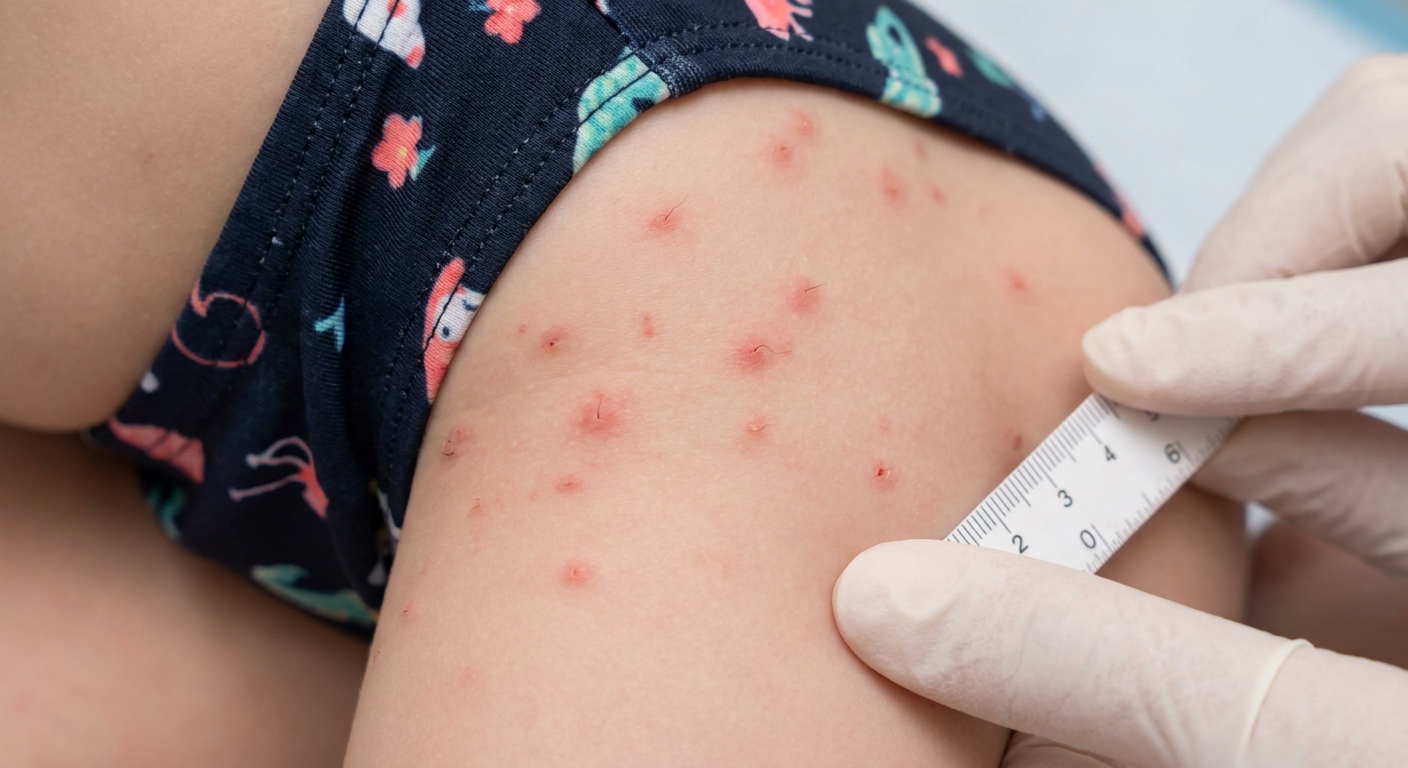
Hot tub folliculitis typically shows up as:
- Small red bumps or pus-filled bumps (pimples) centered around hair follicles
- Itching or a prickly, tender feeling
- Sometimes mild swelling or areas that look like acne
- Often worse in swimsuit-covered areas
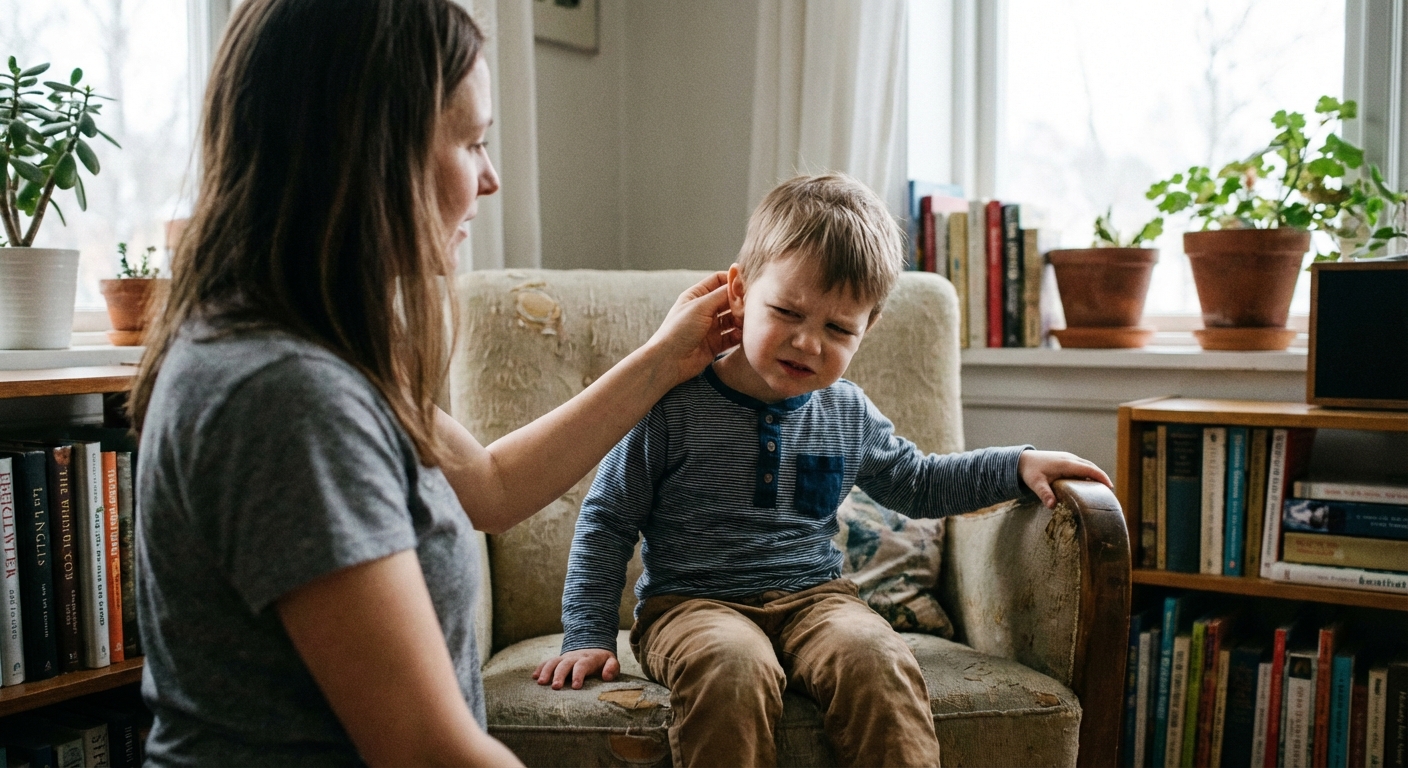
Some kids also feel a bit under the weather. A low-grade fever can happen, and some children also get hot tub ear (outer ear pain or itch) from the same type of exposure.
Timeline
This timeline is one of the best clues.
- Onset: Usually 6 hours to 5 days after being in a hot tub or pool. Many families notice it about 24 to 48 hours later.
- Peak itch and redness: Often over the next 1 to 3 days.
- Resolution: Most cases improve on their own within 3 to 10 days.
If the rash is spreading quickly, getting increasingly painful, or not improving after about a week, that is a good time to check in with your child’s pediatrician or clinician.
Hot tub rash vs swimmer’s itch vs chlorine irritation
These three get mixed up constantly. Here is a parent-friendly way to tell them apart.
Hot tub folliculitis (Pseudomonas)
- Where: Often under the swimsuit, on buttocks, thighs, and trunk
- Look/feel: Follicle-centered red bumps, sometimes with tiny whiteheads, itchy or tender
- Timing: Usually next day to 5 days after swimming, especially after a hot tub or heated water
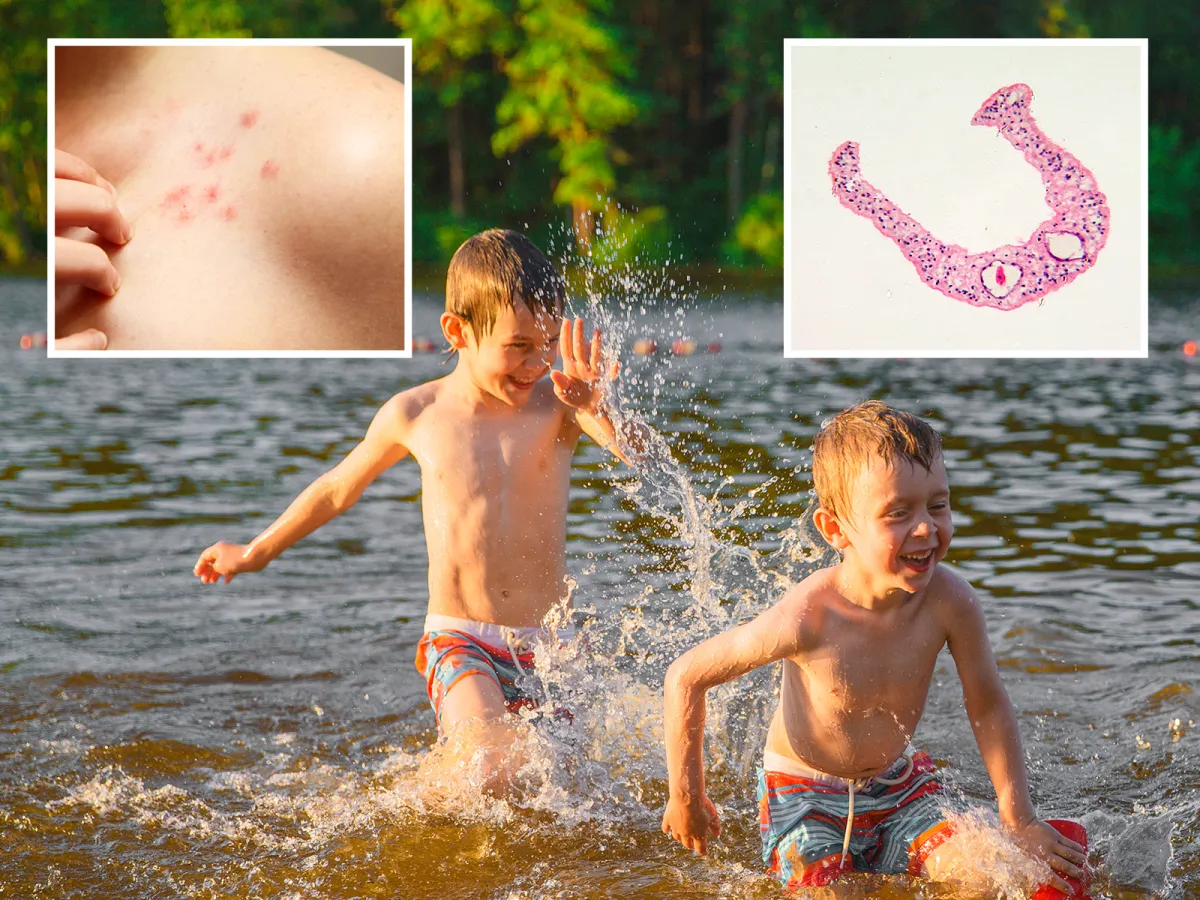
Swimmer’s itch (cercarial dermatitis)
- Cause: A skin reaction to tiny parasites found in some lakes and ponds (not typical of properly chlorinated pools)
- Where: Exposed skin that was not covered by a swimsuit
- Look/feel: Very itchy red bumps or welts, sometimes blister-like
- Timing: Often starts within minutes to 48 hours after lake water exposure
Chlorine irritation (irritant dermatitis)
- Cause: Skin barrier irritation from chemicals, not an infection
- Where: Can be widespread, often areas that are already dry or sensitive
- Look/feel: Dryness, redness, stinging, itchy patches rather than follicle-centered bumps
- Timing: Often noticeable right after swimming or later that day
If your child’s rash is mostly where the swimsuit was and shows up a day or two later, hot tub rash jumps to the top of the list.
At-home care
For most healthy kids with mild to moderate hot tub rash, supportive care is enough.
1) Shower and change into dry clothes
As soon as you notice the rash (and for future swims), have your child:
- Shower with warm water and gentle soap
- Take off the wet swimsuit promptly
- Put on clean, loose clothing
2) Itch control
- Cool compresses for 10 to 15 minutes a few times a day
- Oatmeal bath or a fragrance-free bath soak for itching
- Fragrance-free moisturizer after bathing to support the skin barrier
3) Over-the-counter options (ask your pediatrician if unsure)
- Hydrocortisone 1% (thin layer) can help itching and inflammation for a few days. Avoid putting it on open, draining spots unless your pediatrician says it is OK.
- Oral antihistamine (like cetirizine or loratadine) can help itching, especially at night. Dosing depends on age and weight, so follow the package instructions or ask your pediatrician.
4) Hands off the bumps
I know, easier said than done. Scratching, squeezing, or popping bumps can break the skin and invite a secondary infection. Keep nails short and consider cotton pajamas at night to reduce damage from sleep-scratching.
What to skip
- Harsh scrubs or exfoliants. They irritate already-inflamed follicles.
- Sharing towels until things calm down. It is a good hygiene practice and reduces other skin germ swapping.
- Leftover antibiotics from another illness. Wrong drug and wrong dose is a common problem.
Do kids need antibiotics?
Often, no. Most cases resolve without prescription treatment.
Treatment may be considered when:
- The rash is severe, painful, or widespread
- There is fever or your child seems ill
- There are signs of a secondary skin infection (increasing warmth, swelling, tenderness, spreading redness, honey-colored crusting, or draining pus)
- Your child has weakened immunity or significant chronic skin conditions
- Symptoms are not improving after about 7 to 10 days
When treatment is needed, your pediatrician may recommend topical antiseptic measures and or an oral antibiotic active against Pseudomonas. The best choice depends on severity, location, and your child’s overall health. A culture may be considered if the presentation is unusual or not improving.
When to call the doctor
Trust your gut. You know your child best. I recommend calling your pediatrician or urgent care if:
- Your child is under 3 months and has any concerning rash
- There is fever, chills, or your child seems unusually tired or irritable
- The rash is rapidly spreading, very painful, or looks like large boils
- You see red streaks traveling away from the rash
- There is significant swelling of the face, lips, or eyes, or any trouble breathing (call emergency services)
- The rash is near the eyes or there is eye pain, redness, or discharge
- Your child has diabetes, is on immune-suppressing medications, or has another condition that raises infection risk
If you are unsure, a quick call to your pediatrician’s nurse line can save a lot of worry.
Prevention
You cannot control every pool maintenance schedule, but you can stack the odds in your favor.
Before you get in
- Choose facilities that look well-maintained. A strong “chlorine smell” can actually signal chloramines and poor water management.
- Avoid hot tubs that look cloudy or have slime on the walls.
- For young children, it is often safest to skip hot tubs. If you do use one, limit time and keep temperatures appropriate and conservative.
Right after swimming
- Shower promptly with gentle soap
- Change out of swimsuits right away
- Wash swimsuits between uses
At home (if you own a hot tub)
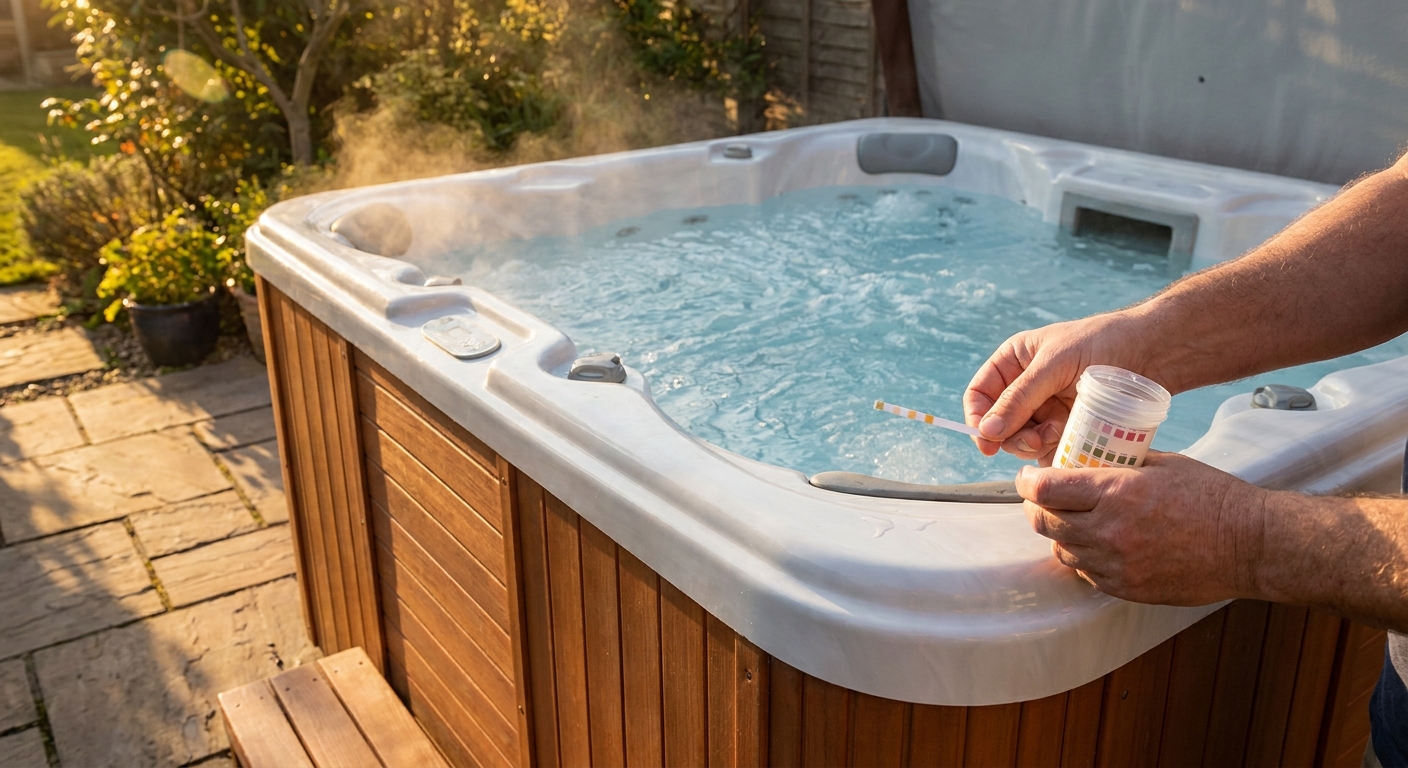
- Keep disinfectant and pH within recommended ranges
- Clean and replace filters as directed
- Drain and refill on schedule
- Ask guests not to enter if they have diarrhea or a current skin infection
Common questions
Can my child go back to swimming?
If your child feels well and the rash is improving, they can usually return to swimming. If bumps are open or draining, I prefer waiting until the skin is calmer to reduce irritation and the risk of secondary infection. Also consider avoiding the suspected hot tub or pool until you are confident it is being properly maintained.
Will it leave scars?
Typically no. Scratching is the main reason kids end up with marks that linger. In some kids, especially with darker skin tones, temporary dark spots can last for weeks after the bumps resolve. That is not scarring, and it gradually fades.
Is it from a dirty kid?
Nope. This is about water conditions and exposure, not personal cleanliness. I have seen hot tub rash in kids with excellent hygiene.
Bottom line
Hot tub rash is common, itchy, and understandably alarming the first time you see it. The classic pattern is itchy follicle bumps under the swimsuit that appear 6 hours to 5 days after hot tub, heated pool, or occasionally pool and water park exposure. Most kids improve with gentle skin care, itch control, and time. Reach out for medical care if your child has fever, worsening pain, rapidly spreading redness, immune concerns, or no improvement within about a week.
If you want, tell me your child’s age, where the bumps are located, and when the swim happened, and I can help you think through whether this fits hot tub folliculitis versus another summer rash.
Sarah Mitchell
Sarah Mitchell is a Registered Pediatric Nurse and a mother of three who has spent over a decade helping families navigate the beautiful, chaotic early years of childhood. She combines evidence-based medical knowledge with real-world parenting experience to offer practical, compassionate advice. At Awesome Parent, Sarah's mission is to help exhausted parents find solutions, trust their instincts, and finally get some sleep.