How Long Is Hand, Foot, and Mouth Disease Contagious?

Sarah Mitchell
Sarah Mitchell is a Registered Pediatric Nurse and a mother of three who has spent over a decade helping families navigate the beautiful, chaotic early years of childhood. She combines evidence-based medical knowledge with real-world parenting experience to offer practical, compassionate advice. At Awesome Parent, Sarah's mission is to help exhausted parents find solutions, trust their instincts, and finally get some sleep.
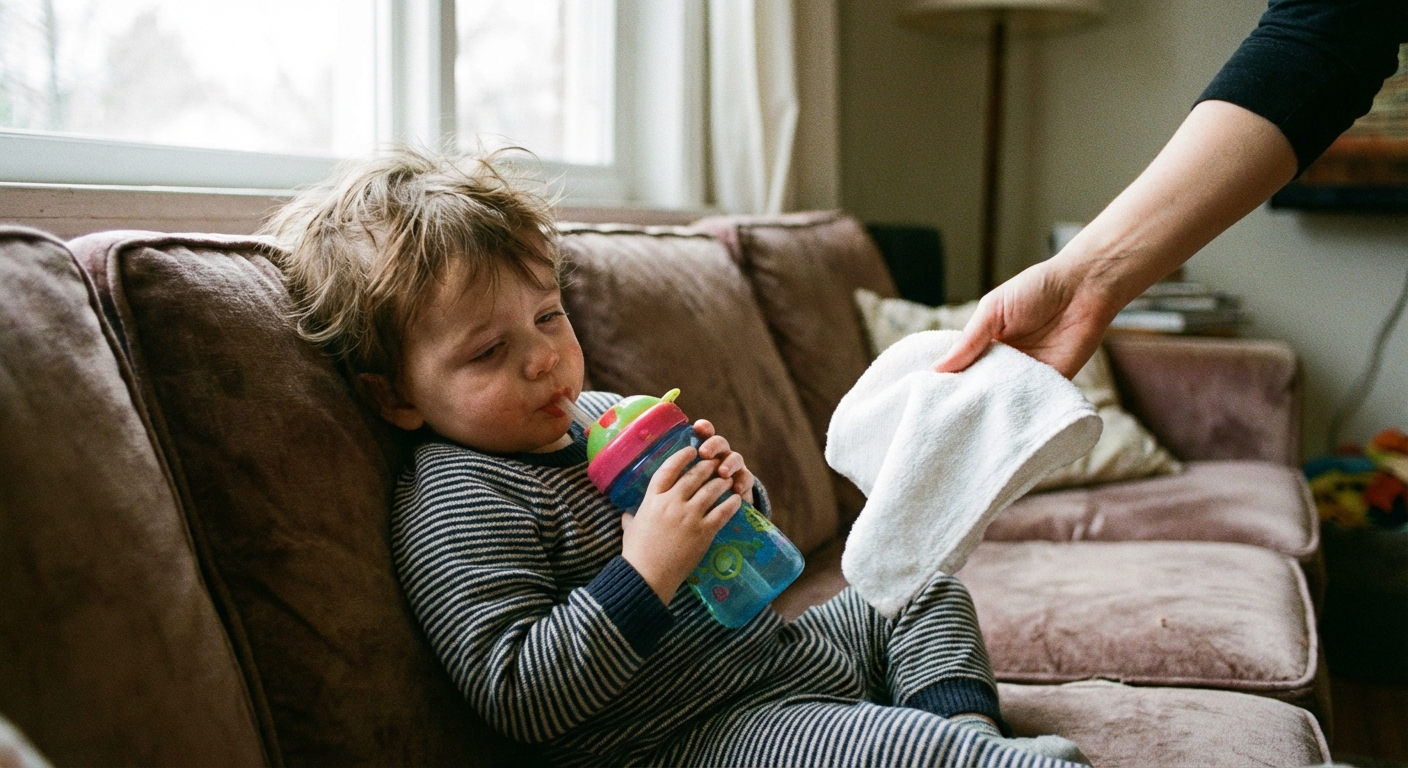
If you are staring at your child’s little spotted hands at 3 AM and wondering, “Okay, but how long are we contagious?”, you are not alone. Hand, foot, and mouth disease (HFMD) is one of those daycare classics that spreads fast, feels never-ending, and somehow hits at the worst possible time.
Here’s the honest, evidence-based answer: kids are usually most contagious in the first week, but the virus can still be detected for weeks, especially in poop. The good news is that most childcare return rules are based on how your child feels and functions, not on waiting for every last spot to disappear.
One helpful anchor: the worst of HFMD typically lasts about 7 to 10 days, even though traces of virus can hang around longer.
Quick answer: how long HFMD is contagious
HFMD is caused by a group of viruses (most commonly coxsackievirus). A child can spread it:
- Before symptoms: HFMD can be contagious before you see obvious symptoms, sometimes a day or two before fever or mouth pain shows up.
- During symptoms: Kids are usually most contagious during the first 5 to 7 days of illness, when fever, drool, and runny noses are doing the most work.
- After symptoms improve: The virus can still be found in stool for 2 to 4 weeks (sometimes longer). That does not always mean your child is likely to infect others the entire time, but it is why handwashing after bathroom and diaper changes matters for weeks.
This is why HFMD can feel like it keeps looping through a classroom. Even when the “sick kid” looks better, the virus can still be quietly traveling via unwashed hands during diaper changes or bathroom trips.
How HFMD spreads (and why it moves fast)
HFMD spreads through several routes, which is basically the toddler greatest hits album:
- Respiratory droplets: Coughing, sneezing, close face-to-face contact.
- Saliva and nasal mucus: Shared cups, utensils, pacifiers, mouthing toys.
- Fluid from blisters: Possible if blister fluid gets on hands and then into a mouth, nose, or eyes. It is not the only route, but it is part of the picture.
- Stool (poop): A big one. Virus can be found for weeks, especially in kids still in diapers.
Important reality check: you can do everything “right” and still have HFMD spread in a household. Prevention is about lowering odds, not achieving perfection.
Day-by-day timeline
Every kid is a little different, but this general timeline matches what I saw in clinic and what most families experience.
| Day | What you might see | How contagious? | Practical takeaway |
|---|---|---|---|
| Days -2 to 0 | No symptoms yet, or mild fussiness | Possible | Exposure often happens here, before anyone realizes |
| Day 1 | Fever, sore throat, low appetite | High | Keep home, focus on fluids and comfort |
| Days 2 to 3 | Mouth sores appear, drooling, pain with eating; rash may start | Very high | This is peak “spreads-through-the-house” time |
| Days 4 to 7 | Rash and blisters on hands, feet, diaper area; fever often improves | High, trending down | Still assume contagious, especially with close play |
| Days 7 to 10 | Blisters dry up, peeling may begin; energy returns | Moderate | Many kids can return to childcare if they meet criteria below |
| Weeks 2 to 4 | Skin looks better; nails may later peel or shed (usually harmless and self-limited) | Low to moderate (mostly via stool) | Hand hygiene after bathroom and diaper changes matters most |
About blister healing: once blisters are dry and your child is no longer drooling excessively from painful mouth sores, day-to-day contagiousness tends to drop. But because stool shedding can continue, hygiene stays important even after your kid looks totally fine.
About nails: nail peeling or shedding after HFMD can happen. It is usually temporary. Call your clinician if a nail area looks infected (red, swollen, draining) or if your child is in pain, or if you are worried.
Back to daycare or school
This is the question that matters at 6 AM when you are holding your phone over the “call out” button.
Most childcare policies and public health guidance focus on symptoms and behavior, because excluding kids until they are “not contagious” is basically impossible with HFMD.
In general, kids can usually return when:
- Fever is gone for 24 hours without fever-reducing medicine.
- They feel well enough to participate in normal activities (not miserable, not needing one-on-one care).
- Drooling is under control (mouth sores can cause constant drool, which increases spread).
- Any open, weeping blisters can be covered if possible (often easiest with clothing, socks, or a diaper). This is a practical way to reduce spread, not a universal official requirement. Policies vary by center.
What about “all blisters must be gone”? That rule is common, but it is not always realistic and does not fully prevent spread since kids can still shed virus in stool after the skin clears. If your daycare has a strict policy, you do have to follow it, even if it is stricter than medical guidance.
A simple parent rule
Plan on staying home at least 3 to 5 days from the start of symptoms, and longer if your child still has fever, significant drooling, or clearly feels awful.
Are they contagious as long as there are spots?
Not necessarily. Spots can linger, and peeling can last, even when the highest-risk contagious period has passed.
- New or actively weeping blisters: higher risk, especially with close contact.
- Drying blisters and peeling skin: generally lower risk than the first few days, but still practice good hygiene.
- Crusty or healing areas: usually much less contagious from the skin itself.
Bottom line: the presence of spots alone is not a perfect “contagious vs not contagious” test. Your child’s overall symptom stage and hygiene practices matter more.
Keeping siblings from catching it
If you have more than one child at home, you already know “just keep them separated” is a hilarious suggestion.
These steps actually move the needle:
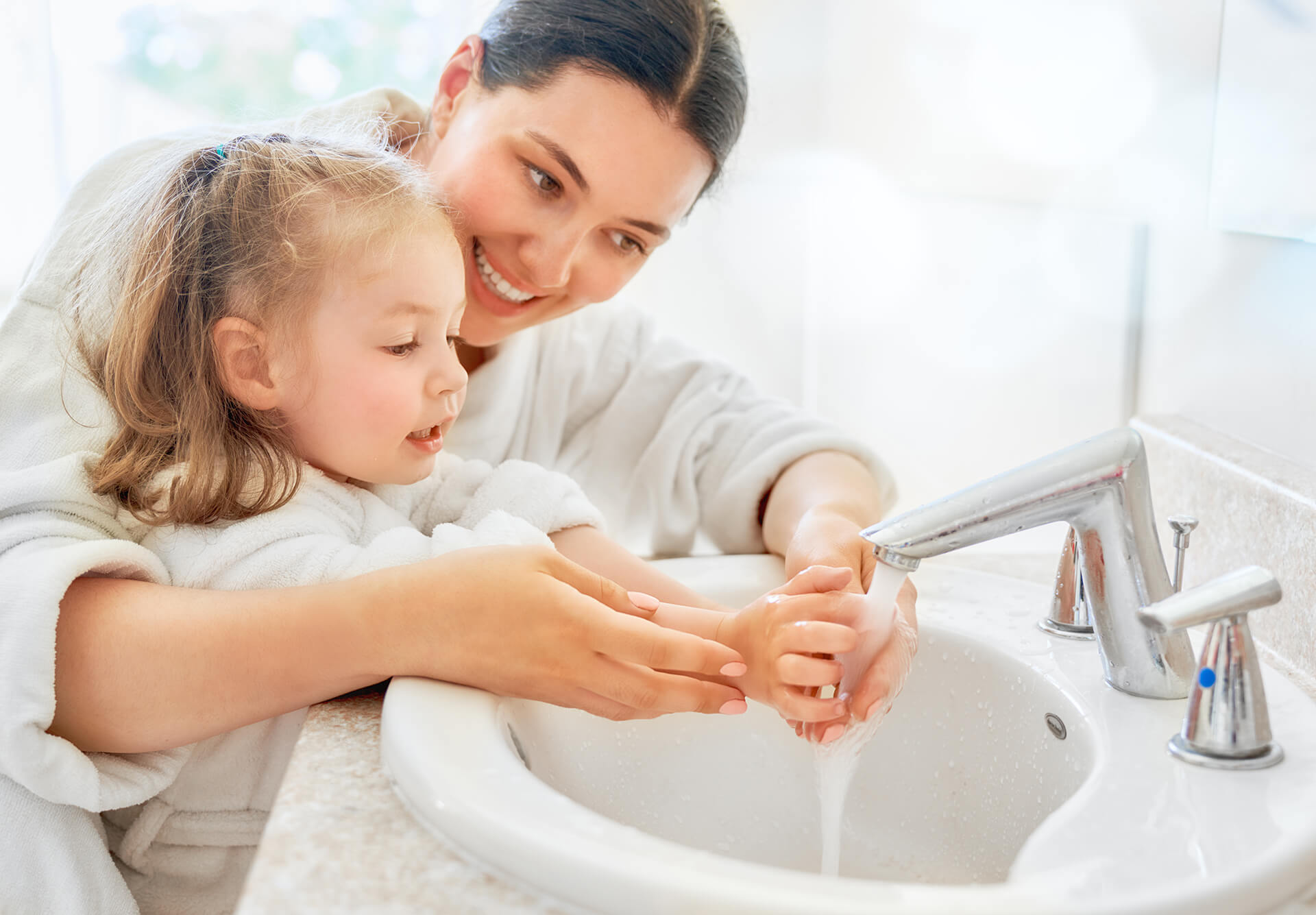
- Handwashing after diaper changes and bathroom trips: Soap and water is best, especially after poop. Aim for 20 seconds. Hand sanitizer can be helpful on the go, but it is not a substitute when hands are visibly dirty.
- Separate cups and utensils: No sharing water bottles, straws, or “just one bite.”
- Pacifier and teether strategy: Give the sick child a dedicated set. Wash with hot soapy water daily.
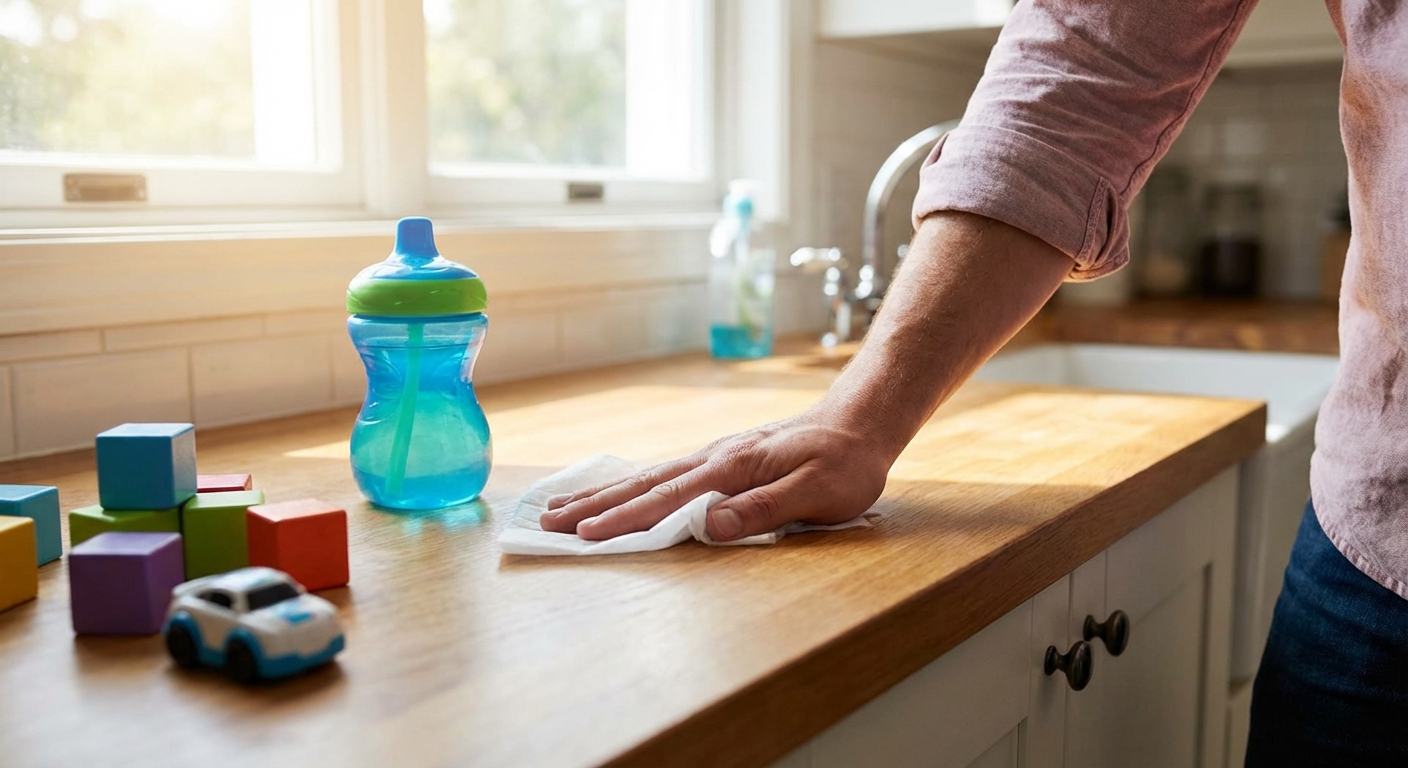
- Disinfect high-touch surfaces daily: Doorknobs, light switches, tablet screens, high chair tray, faucet handles.
- Toy triage: Wash mouthy toys (bath toys, chew toys). For stuffed animals, consider a quick “vacation” in a closet for a week.
- Laundry: Wash soiled clothing and bedding normally. Handle dirty items with clean hands, then wash hands after.
Cleaner note: Many household disinfecting wipes work, but follow the label and make sure the surface stays wet for the listed contact time. For some products, that is several minutes, not a quick swipe.
HFMD and pregnancy
Seeing “HFMD + pregnancy” on Google is enough to spike anyone’s anxiety. Here’s the calmer, more accurate picture.
Is HFMD dangerous in pregnancy?
Most of the time, HFMD in pregnancy is mild. Serious complications are uncommon, but rare complications have been reported. Any viral illness in pregnancy deserves a little extra caution, especially near delivery.
Lowering risk if you are pregnant
- Avoid direct contact with saliva: No sharing utensils, cups, or toothbrush proximity.
- Be extra strict with handwashing: After diapering, wiping noses, handling tissues, and cleaning up drool.
- Use gloves for diaper changes if you can, then wash hands well after removing gloves.
- Clean high-touch surfaces daily during the first week.
When to call your OB or midwife
- You develop fever, a new rash, or mouth sores.
- You are close to your due date and have a suspected or confirmed infection in the household.
- You feel dehydrated, faint, or cannot keep fluids down.
Most of the time, your provider will focus on symptom control and monitoring. Do not panic, but do reach out for individualized guidance.
FAQ
Can my child be contagious without a fever?
Yes. Fever often fades before the virus stops shedding. A child can feel better and still spread HFMD, especially through saliva early on and through stool for weeks.
Are adults contagious too?
Yes. Adults can catch HFMD, sometimes with mild symptoms or none at all, and still spread the virus. Hand hygiene is not just a kid rule.
Can my child get HFMD again?
Unfortunately, yes. There are multiple viruses that can cause HFMD. Infection can provide immunity to that specific virus, but not always to the others.
Do antibiotics help?
No. HFMD is viral, so antibiotics do not treat it. (They are only used if a doctor confirms a separate bacterial infection.)
When to call the doctor
Most HFMD cases can be handled at home with fluids and comfort care. Get medical advice urgently if:
- Your child shows signs of dehydration (very dry mouth, no tears when crying, significantly fewer wet diapers, dark urine, lethargy).
- They cannot drink because mouth pain is severe.
- Fever is high, lasts more than a few days, or your child looks very unwell.
- You see trouble breathing, unusual sleepiness, stiff neck, or a severe headache.
- Your baby is very young (especially under 6 months) and has symptoms.
If you are ever unsure, call your pediatrician. This is exactly what nurse lines and triage teams are for.
The bottom line
HFMD is usually most contagious in the first week, can spread before symptoms show up, and virus can be found in stool for weeks after your child looks better. For daycare return, focus on no fever, manageable drooling, and feeling well enough to participate, plus excellent handwashing at home.
If you want one comforting thought to hang onto: you do not need to disinfect your home like a surgical suite. A few high-impact habits, done consistently, are the winning move.