How to Remove a Splinter from a Toddler

Sarah Mitchell
Sarah Mitchell is a Registered Pediatric Nurse and a mother of three who has spent over a decade helping families navigate the beautiful, chaotic early years of childhood. She combines evidence-based medical knowledge with real-world parenting experience to offer practical, compassionate advice. At Awesome Parent, Sarah's mission is to help exhausted parents find solutions, trust their instincts, and finally get some sleep.
Splinters are one of those tiny toddler injuries that can feel strangely high-stakes. Your child is upset, the splinter is small, and suddenly everyone is sweating under the kitchen lights like it is a medical drama.
Take a breath. Most toddler splinters can be safely removed at home with a few simple tools and a calm plan. I will walk you through what to do, what not to do, and the signs that mean it is time to let urgent care handle it.
Quick note: This is general information, not medical advice for your specific child. When in doubt, call your pediatrician.
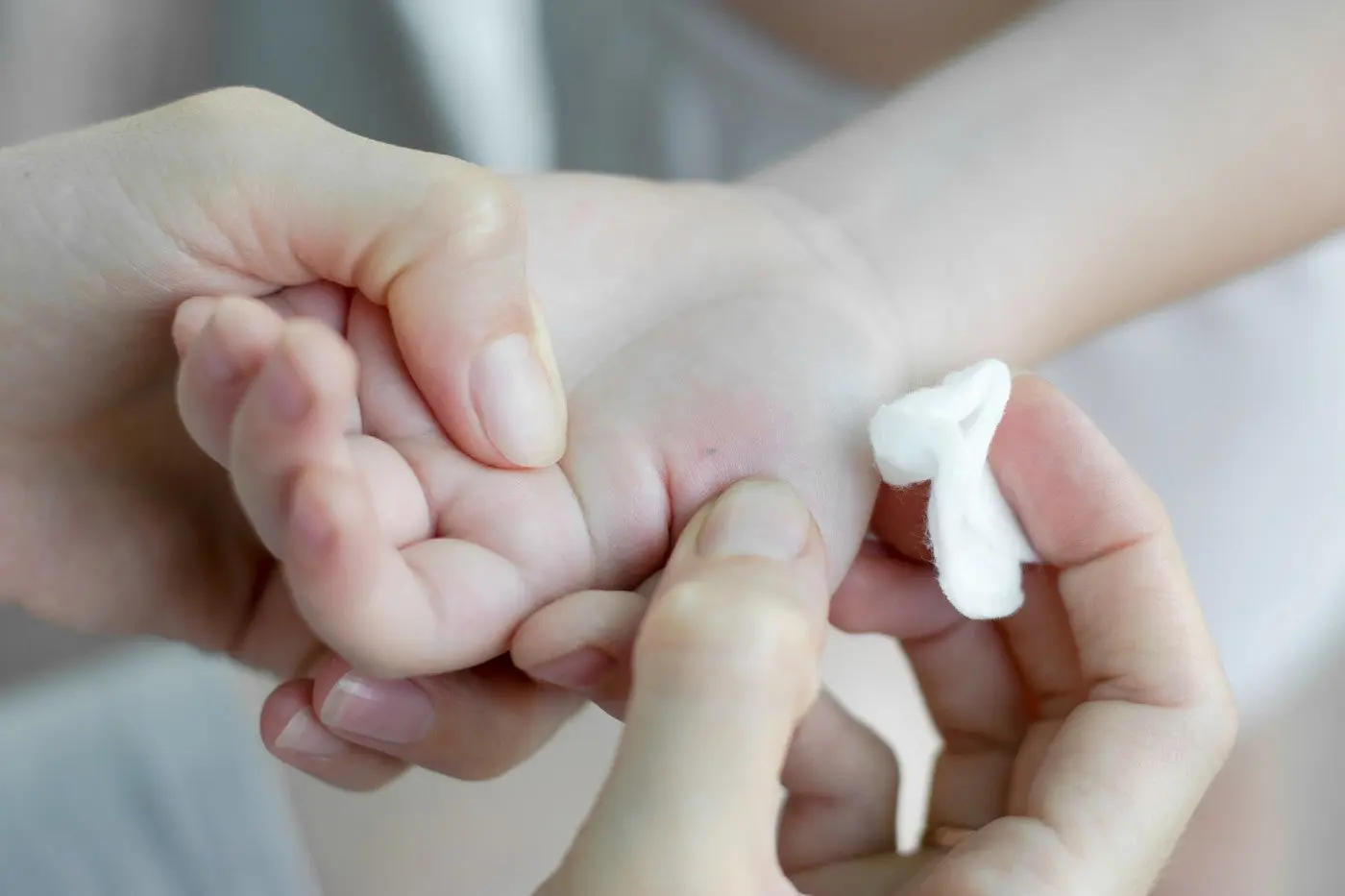
Before you start: quick safety check
These questions help you decide whether to try at home or get a clinician involved.
Go to urgent care now (or call your pediatrician) if:
- The object might be glass, metal, or a fishhook, or it broke off under the skin.
- The splinter is deep, not visible, or under a nail.
- It is in the eye, eyelid, inside the mouth, or near the genitals.
- Your toddler cannot use the finger or toe, has severe pain, or the area looks deformed.
- There is spreading redness, warmth, pus, red streaks, fever, or your child seems ill.
- Your child is not up to date on tetanus vaccines and the splinter came from dirty outdoor wood, soil, or a puncture-type injury from a dirty or rusty object (rust is not the issue, contamination is).
- You have tried for 10 to 15 minutes and cannot get it out without digging.
Go to the ER (not urgent care) if:
- Eye involvement is possible, even if you are not sure anything is still in there.
- Uncontrolled bleeding that will not stop with steady pressure.
- Severe allergic reaction symptoms (wheezing, swelling of lips/face, widespread hives) after a sting or plant thorn injury.
If none of those apply, you can usually proceed at home.
Tools that help (and what to skip)
You do not need a fancy kit. You need clean, bright, and steady.
Best tools
- Fine-point tweezers (the sharper, the better).
- Good lighting plus a flashlight or headlamp.
- Magnification if you have it (reading glasses count).
- Soap and water for cleaning.
- Rubbing alcohol to clean tools (not for pouring into the wound).
- Small bandage and a thin layer of petroleum jelly or antibiotic ointment if your pediatrician recommends it for minor cuts.
Sometimes helpful
- Warm water soak (mainly to soften skin and improve visibility and grip, especially on feet).
- Adhesive tape for very superficial, hair-like splinters.
Skip these
- Digging with a needle unless you have been taught how and it is truly superficial. It is very easy to push the splinter deeper and create more injury.
- Hydrogen peroxide inside the wound. It can damage healthy tissue and delay healing.
- Super glue as a splinter remover. It is not recommended. It can irritate skin and makes cleaning and safe removal harder.
Quick safety note: Keep tweezers, needles, and alcohol out of reach. Do this away from siblings and pets so nobody grabs the “tools.”
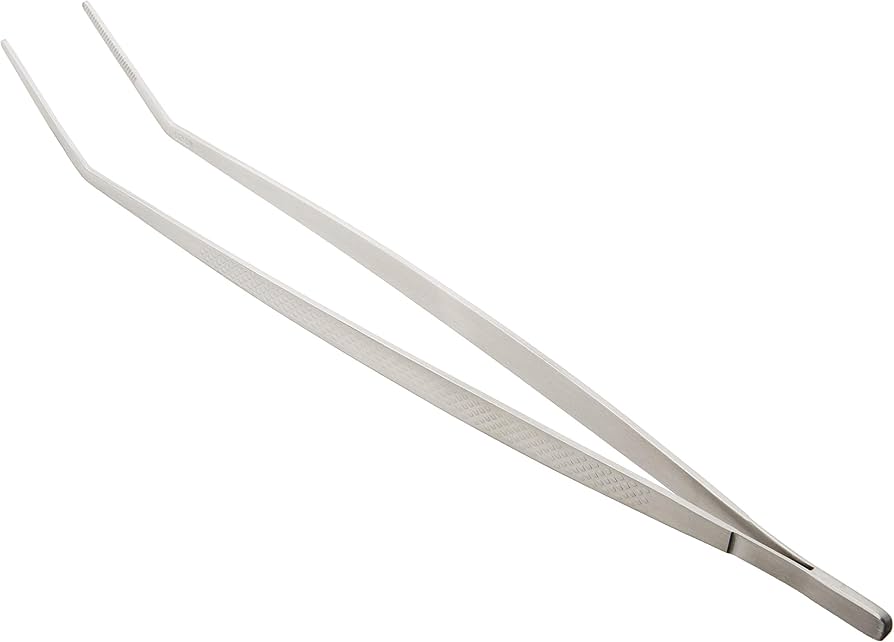
Step-by-step: tweezers method
If you can see the end of the splinter and it is sticking out, tweezers are usually the quickest and least dramatic option.
- Wash your hands and clean the area with soap and water.
- Set the scene: bright light, toddler seated securely. If your child is wiggly, it helps to have another adult gently hold their hand or foot.
- Clean the tweezers with rubbing alcohol. Let them dry.
- Grab the splinter at the same angle it went in. Pulling straight up can snap it. Think “back it out” rather than “rip it out.”
- Pull slowly and steadily. If it breaks, stop and reassess. Deep pieces are a good reason to call for help.
- Wash again with soap and water after it is out.
- Stop any minor bleeding with gentle pressure using a clean cloth for a minute or two.
- Cover if needed with a small bandage if the area will get dirty or rubbed by shoes.
Parenting pro tip from someone who has done this at 9 PM with a toddler who suddenly discovered the strength of a small mountain goat: a short video on your phone can be the best “medical tool” you own.
Step-by-step: when soaking helps
Soaking is great when the splinter is very small, the skin is thick (like a foot), or the end is not quite accessible. It does not magically “draw it out,” but it can soften skin and make the splinter easier to see and grasp.
- Soak the area in warm (not hot) soapy water for 10 to 15 minutes.
- Pat dry and look again under bright light.
- Try tweezers if an end is now visible.
- If it is extremely superficial, press a piece of adhesive tape onto the skin and peel it off in the direction the splinter entered.
If soaking does not make it easier within a couple rounds, stop. Repeated squeezing and picking can cause swelling, which makes removal harder and increases infection risk.
Deep splinters and tricky spots
These are situations where urgent care (or your pediatrician’s office) is often the safest choice.
Deep splinter (not fully visible)
- Do not dig around. That creates a bigger wound and can leave fragments behind.
- Clean the area, cover it, and call your pediatrician or go to urgent care, especially if your toddler is in a lot of pain.
Under a fingernail or toenail
- Splinters under nails can be very painful and tricky to access safely.
- Clinicians have better tools and can numb the area if needed.
Possible glass or metal
- Glass can shatter into tiny pieces, and metal can leave fragments.
- These sometimes need imaging and careful removal to prevent retained foreign bodies.
If you are unsure what it is, assume it is something you do not want to DIY and get it checked.
Pain control and cooperation
The goal is safe removal, not a wrestling match.
Ways to make it easier
- Timing: try after a bath when skin is soft and your toddler is calmer.
- Distraction: a show, a snack, blowing bubbles, or letting them hold a small toy.
- Simple choices: “Do you want to sit on my lap or on the chair?” gives control without changing the plan.
- Comfort positioning: wrap your toddler in a blanket like a burrito, leaving only the hand or foot out. Gentle, not tight.
Medicine?
If your child is old enough and has no medical reason to avoid it, you can ask your pediatrician about using children’s acetaminophen or ibuprofen for pain. Follow the dosing instructions on the bottle for your child’s weight and age, and when in doubt, call your clinic. Avoid topical numbing creams unless your pediatrician specifically recommends one, because dosing and absorption can be tricky in little kids.
Aftercare
Once the splinter is out, most kids are back to business immediately, as if you did not just live through a full emotional saga.
- Wash with soap and water once or twice a day.
- Keep it dry and protected if it is on a foot or will be in sand, dirt, or daycare germs.
- Skip picking at it. A small scab is normal.
- Watch for changes over the next 24 to 72 hours.
Infection signs
A little tenderness right after removal is normal. What we do not want is worsening symptoms.
Call your pediatrician within 24 hours if you notice:
- Increasing redness or swelling around the spot
- Warmth that is spreading
- Worsening pain after the first day
- Drainage or crust that looks like pus
- A small bump that keeps growing (could mean a piece is still inside)
- Ongoing pain, persistent “something is still in there” feeling, or a dark spot that does not improve (also can mean a retained fragment)
Seek urgent care the same day if:
- Red streaks traveling up the hand/arm or foot/leg
- Fever, chills, or your child seems unusually tired or irritable
- They cannot move the finger or toe normally
- The area is very swollen, tight, or rapidly worsening
Tetanus basics
Tetanus is a serious infection caused by bacteria commonly found in soil and dust. It is rare in vaccinated children, but splinters and puncture wounds are one of the reasons we pay attention to vaccine timing.
- If your child is up to date on routine vaccines, a typical clean splinter usually is not a tetanus emergency.
- Tetanus recommendations depend on the type of wound (clean and minor vs dirty or major) and how long it has been since the last tetanus-containing vaccine.
- In general, clinicians may consider a booster if it has been 10 years since the last shot for a clean, minor wound, and 5 years for a dirty wound. Local guidance and your child’s vaccine history matter, so confirm with your pediatrician.
- If the splinter came from dirty outdoor wood, soil, or a puncture-type wound, and you are not sure your child is up to date, call your pediatrician. Also remember: “rusty” is shorthand. Rust does not cause tetanus, but old or dirty metal can be contaminated.
- If your child has had fewer than 3 tetanus-containing vaccines (or you are unsure), clinicians may recommend additional protection depending on the wound.
If you want a quick script for calling: “My toddler got a splinter from outside wood, we removed it, and I want to confirm whether their tetanus vaccine is up to date and if they need a booster.”
Common questions
What if I cannot find the splinter anymore?
If your toddler is comfortable and you cannot see anything, do not keep digging. Clean the area and watch for a small bump, redness, drainage, a dark spot, or worsening pain over the next few days. If symptoms show up, get it checked for a retained fragment.
Should I squeeze it out like a pimple?
No. Squeezing can bruise tissue and push a fragment deeper.
Can it work its way out on its own?
Sometimes tiny, superficial ones do. But if it is painful, deep, or in a high-use area like a foot, removal is usually kinder and helps prevent infection.
Is antibiotic ointment necessary?
Not always. Soap and water are the main event. A thin layer of ointment can be helpful if there is a small open area that will rub or get dirty. If your child has sensitive skin or you have been told to avoid certain products, stick with petroleum jelly and a bandage.
When in doubt, choose safe
There is no parenting medal for removing a splinter the hard way. If your gut is telling you it is deeper than you can safely handle, or your toddler is panicking so much that you cannot do it gently, urgent care is a very reasonable next step.
You are not overreacting. You are protecting little hands and feet that have important toddler business to get back to.