How to Treat a Toddler’s Sunburn Safely

Sarah Mitchell
Sarah Mitchell is a Registered Pediatric Nurse and a mother of three who has spent over a decade helping families navigate the beautiful, chaotic early years of childhood. She combines evidence-based medical knowledge with real-world parenting experience to offer practical, compassionate advice. At Awesome Parent, Sarah's mission is to help exhausted parents find solutions, trust their instincts, and finally get some sleep.
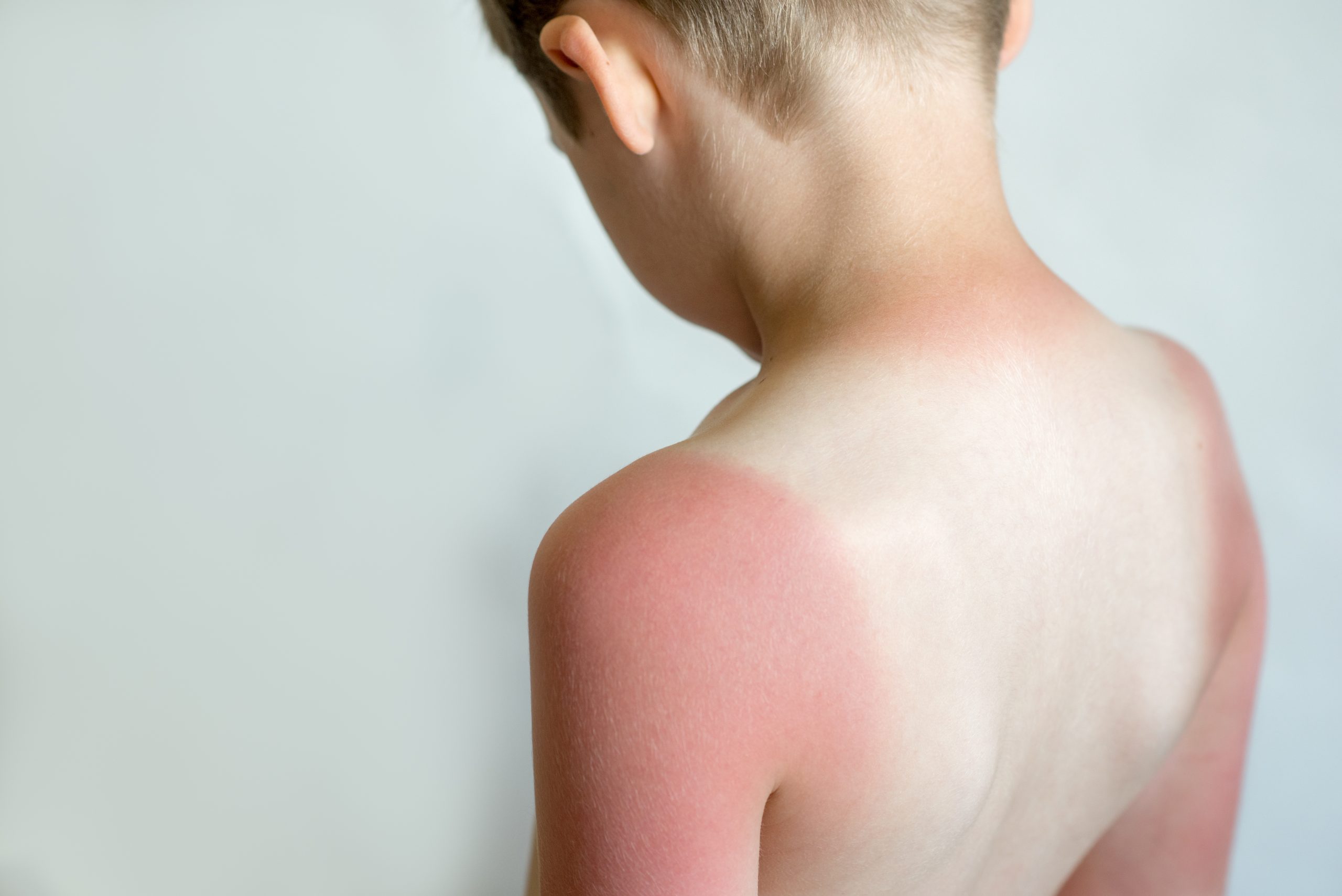
If your toddler has a sunburn, you are not alone. I’ve talked to so many parents who did “all the right things” and still ended up with a red, cranky kid by dinnertime. Sunburns happen fast, and toddler skin is more delicate and easily irritated than adult skin.
The good news: most mild sunburns can be treated safely at home with gentle, boring (in the best way) care. Here’s what to do right now, what to avoid, and when it’s time to call your child’s doctor.
One reassuring note: redness often peaks 12 to 24 hours after sun exposure. So it can look worse the next day even if you are doing everything right.
First aid in the first few hours
1) Get them out of the sun
Move your toddler indoors or into full shade right away. If you have to be outside, cover the burned area with loose clothing and a wide-brim hat. Sun on already burned skin can deepen the injury.
2) Cool the skin gently
Think “cool,” not “cold.” The goal is comfort and reducing heat in the skin, not shocking it.
- Cool compress: Use a clean washcloth soaked in cool water. Apply for 10 to 15 minutes, several times a day.
- Cool bath: A short cool (not icy) bath can help. Pat skin dry afterward instead of rubbing.
Avoid ice packs directly on the skin. They can cause additional skin damage and are miserable for little ones.
3) Hydrate
Sunburn and heat exposure can contribute to fluid loss and dehydration, especially in active toddlers. Offer extra fluids throughout the day.
- Offer small sips frequently if they are fussy.
- If your toddler is still breastfeeding or taking milk, keep that going too.
- Watch for adequate wet diapers or normal bathroom trips, depending on age.
4) Soothe with a safe moisturizer
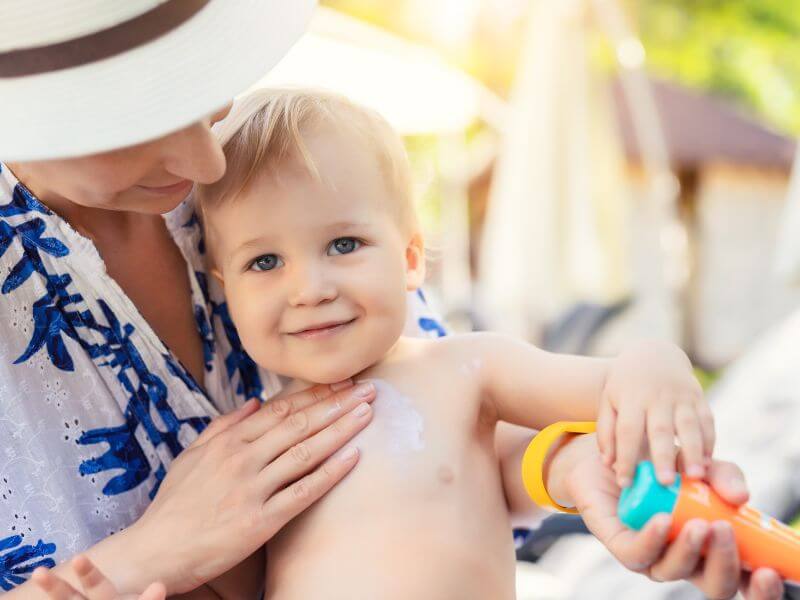
After cooling the skin, apply a gentle, fragrance-free moisturizer to help with dryness and tightness.
- Good options: Fragrance-free lotion, plain petroleum jelly in a very thin layer for dry patches, or pure aloe vera gel (look for alcohol-free, fragrance-free).
If aloe stings when you apply it, stop. Stinging can mean the product has alcohol or additives, or the skin is too irritated for it.
Safe pain relief
Sunburn can hurt. If your toddler is uncomfortable, fussy, or not sleeping well, over-the-counter pain relief can help for the first day or two.
- Acetaminophen (Tylenol) can help with pain.
- Ibuprofen (Advil, Motrin) can help with pain and inflammation, but it’s typically for children 6 months and older.
Always dose by your child’s weight using the product’s dosing instructions and an oral syringe or the measuring device that came with the medicine (it is more accurate than a kitchen spoon).
Avoid aspirin in children due to the risk of Reye’s syndrome.
What to avoid
This is where late-night internet advice can get… creative. Burned skin is fragile. Stick to simple, gentle products.
- No benzocaine or “-caine” numbing sprays/creams (can irritate skin and, rarely, cause serious side effects).
- No lidocaine unless specifically instructed by your clinician.
- No butter, oils, or heavy greasy ointments over large areas early on (they may trap heat and irritate).
- No hydrogen peroxide, rubbing alcohol, or iodine (these can damage healing skin and sting).
- No fragranced lotions or essential oils (more likely to irritate).
- No steroid creams unless your pediatrician advises it (especially on large areas or in very young children).
Also: do not pop blisters. Blisters are the body’s natural bandage. Popping increases infection risk.
Blister care
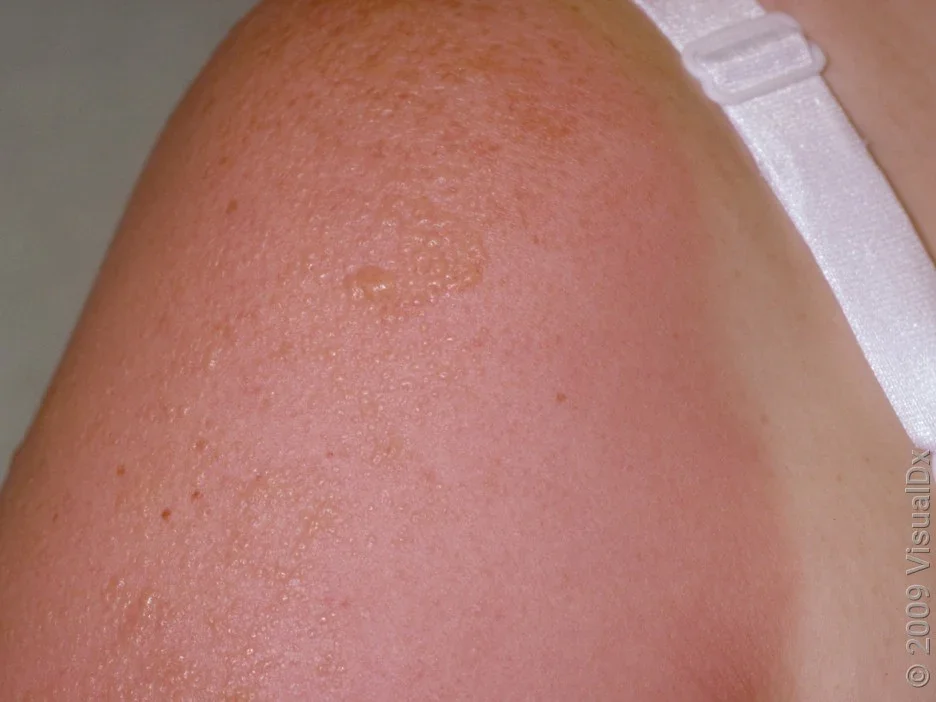
Blistering usually means at least a partial-thickness burn, and in toddlers, that deserves extra caution.
- Leave blisters intact if possible.
- Keep the area clean with gentle soap and water.
- Cover loosely with a nonstick sterile gauze if the blister is in a spot that will rub (like a shoulder under a shirt strap).
- Watch for infection: increasing redness, warmth, swelling, pus, worsening pain, or fever.
If a blister breaks on its own, you can rinse with clean water, pat dry, apply a thin layer of plain petroleum jelly, and cover with a nonstick dressing. If you’re unsure, call your pediatrician.
Skip sunscreen on broken or blistered skin. Cover the area with loose clothing and keep it out of the sun until it heals.
Call the doctor now
Most mild sunburns are manageable at home, but toddlers can get sick from sun exposure and dehydration more quickly than older kids. Contact your pediatrician or seek urgent care if you notice any of the following:
- Blistering, especially over a large area
- Large area burns (for example, most of the back, chest, or torso)
- Severe pain that is not improving with appropriate dosing of pain medicine
- Fever (especially within a day of significant sun exposure)
- Signs of dehydration: very dry mouth, no tears when crying, much fewer wet diapers or urination, unusual sleepiness, dizziness
- Vomiting, confusion, extreme lethargy, or fainting (concerns for heat illness)
- Sunburn on the face with eye swelling or significant facial swelling
- Burned skin that looks white, very tight, or leathery
- Redness that keeps spreading after 24 hours
- Any concerns in a baby under 12 months, since their skin is especially delicate
If you suspect heat illness: move your child to a cool place, remove extra layers, apply cool cloths, and offer frequent sips of water while you contact a clinician. If your child seems very ill, is difficult to wake, or you’re worried about heat stroke, seek emergency care.
Healing time
Recovery depends on how deep the burn is.
- Mild sunburn (red, warm, tender): often improves in 3 to 5 days.
- Moderate sunburn (more painful, noticeable swelling): often improves in 5 to 7 days.
- Sunburn with blisters: can take 7 to 14 days and may take longer if blisters are widespread or the area gets irritated.
Peeling commonly starts a few days after the burn. It looks alarming, but it’s typical. Keep moisturizing and encourage your toddler not to pick. Easier said than done.
Comfort tips
- Dress in loose, soft clothing, ideally breathable cotton.
- Skip scratchy seams and tight waistbands over burned areas.
- Keep nails trimmed to reduce skin damage if they itch.
- Keep them out of direct sun until fully healed. Even brief exposure can worsen discomfort and slow healing.
If your toddler is itchy as the burn heals, cool compresses and frequent gentle moisturizing usually help. If itching is severe, check with your pediatrician before using any anti-itch medication in young children.
Prevent the next one
Once a toddler has a sunburn, the goal is healing and comfort. But after things calm down, it’s worth tightening your prevention routine because sunburns in childhood can increase long-term skin risks.
For prevention basics (sunscreen, hats, timing outdoor play, and what’s safe for babies), head over to our related page on Awesome Parent: Sunscreen for Babies.
Quick summary
- Get out of the sun and cool the skin with cool compresses or a cool bath.
- Offer extra fluids, especially small sips often.
- Use fragrance-free moisturizer or alcohol-free aloe if it doesn’t sting.
- Use weight-based acetaminophen or ibuprofen (if age-appropriate) for pain.
- Do not use numbing sprays, butter/oils, alcohol-based products, or pop blisters.
- No sunscreen on broken or blistered skin. Cover and keep out of the sun.
- Call your pediatrician for blisters, fever, dehydration signs, severe pain, large-area burns, or any child who seems very unwell.
If you’re reading this at 3 AM with a red-cheeked toddler who suddenly “can’t possibly” sleep, I’m right there with you in spirit. Keep it cool, keep it simple, and trust your instincts. If something feels off, you’re never wrong to call and ask.