Warm soaks, proper nail trimming, and roomy shoes can help mild ingrown toenails. Here’s how to spot infection, when to seek care sooner, and what a simple...
Ingrown Fingernail in Kids: Soaks, Safe Trimming, and When It’s Infected

Sarah Mitchell
Sarah Mitchell is a Registered Pediatric Nurse and a mother of three who has spent over a decade helping families navigate the beautiful, chaotic early years of childhood. She combines evidence-based medical knowledge with real-world parenting experience to offer practical, compassionate advice. At Awesome Parent, Sarah's mission is to help exhausted parents find solutions, trust their instincts, and finally get some sleep.
Ingrown fingernails are one of those little-kid problems that can look dramatic fast. A little redness at the side of the nail turns into a swollen, tender fingertip, and suddenly your child acts like you have asked them to place their hand directly into a volcano.
The good news: many mild ingrown fingernails settle down with basic home care and a little patience. The key is knowing what is normal irritation versus an infection (often called paronychia) that needs medical help. If it keeps coming back, is very swollen, or is not improving, it is worth checking in with your child’s clinician.
Ingrown fingernail vs. ingrown toenail
Ingrown toenails often come from tight shoes or nails cut too short on the sides. Fingernails are a different story. In clinic, I saw ingrown fingernails most often in:
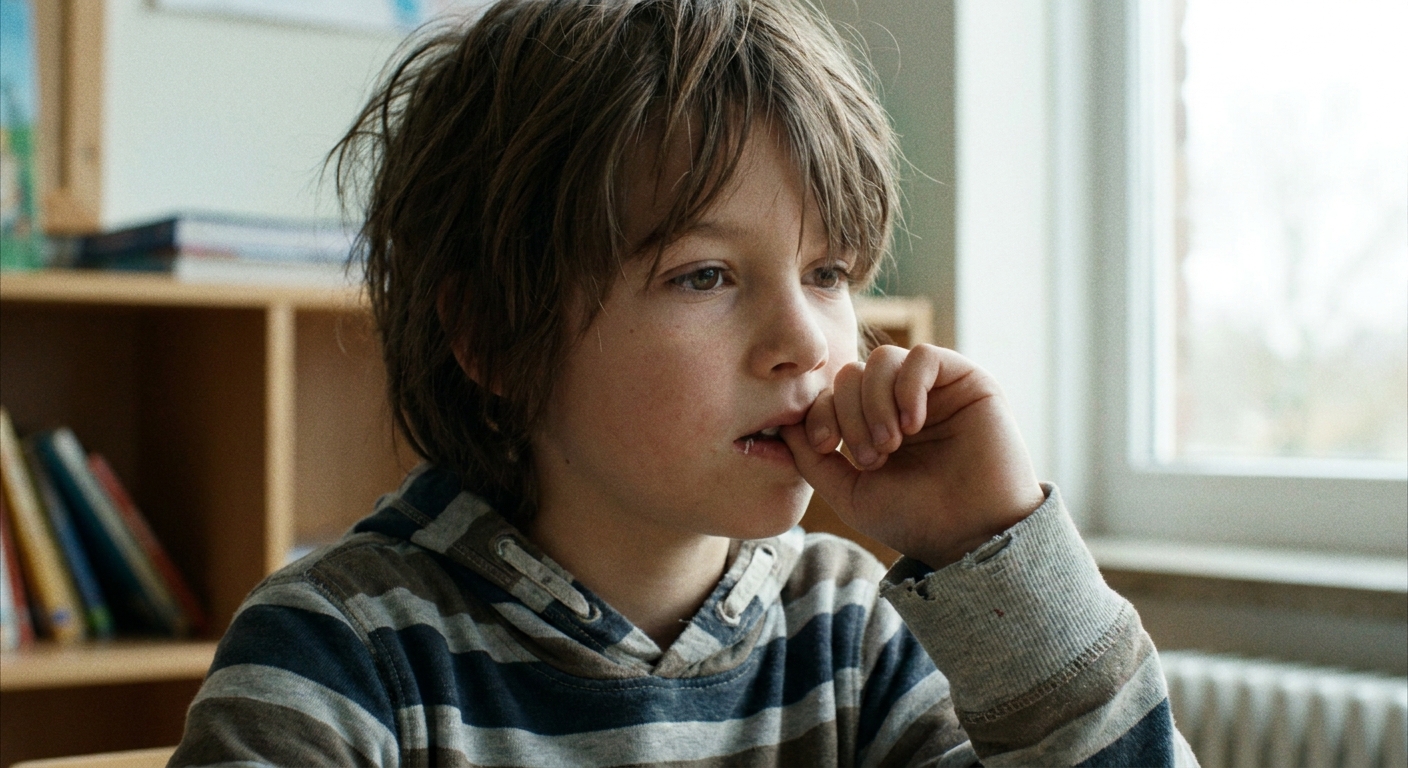
- Nail biters and kids who pick at hangnails
- Toddlers with tiny tears in the skin at the nail edge
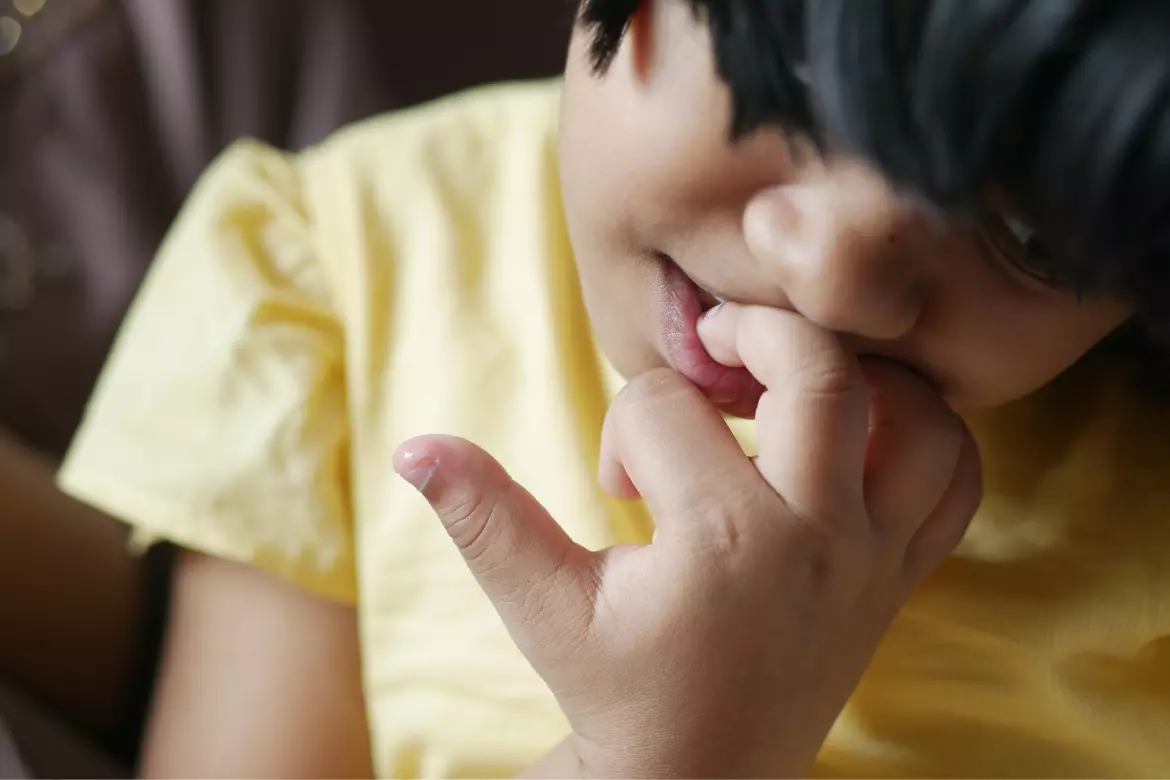
- Kids who suck fingers or keep hands in their mouths a lot (warm moisture makes skin softer and easier to break)
- After a small injury, like a slammed door, sports hit, or nail that partially lifts
Fingertips also get used constantly: toys, zippers, sandboxes, crayons, and snack crumbs. That means more irritation, more germs, and more chances for the area to get infected.
How it happens
An “ingrown” fingernail usually means the corner or side of the nail is pressing into the skin. Sometimes a tiny nail spike is actually embedded. Other times, the skin is swollen and overgrows the nail edge, trapping it.
Common triggers include:
- Cutting nails very short, especially rounding the corners aggressively
- Pulling or tearing hangnails instead of clipping them cleanly
- Nail biting that creates jagged edges and small skin breaks
- Dry, cracked skin around the nails (more likely to split)
What to do at home (mild cases)
If your child has mild redness and tenderness at one side of the nail but no obvious pus, fever, or rapidly spreading redness, start with gentle home care for 24 to 48 hours.
A couple of quick rules that help healing:
- Do not let them bite, suck, or pick at it (easier said than done, but it matters).
- Keep it clean. Wash hands and avoid sharing nail tools.
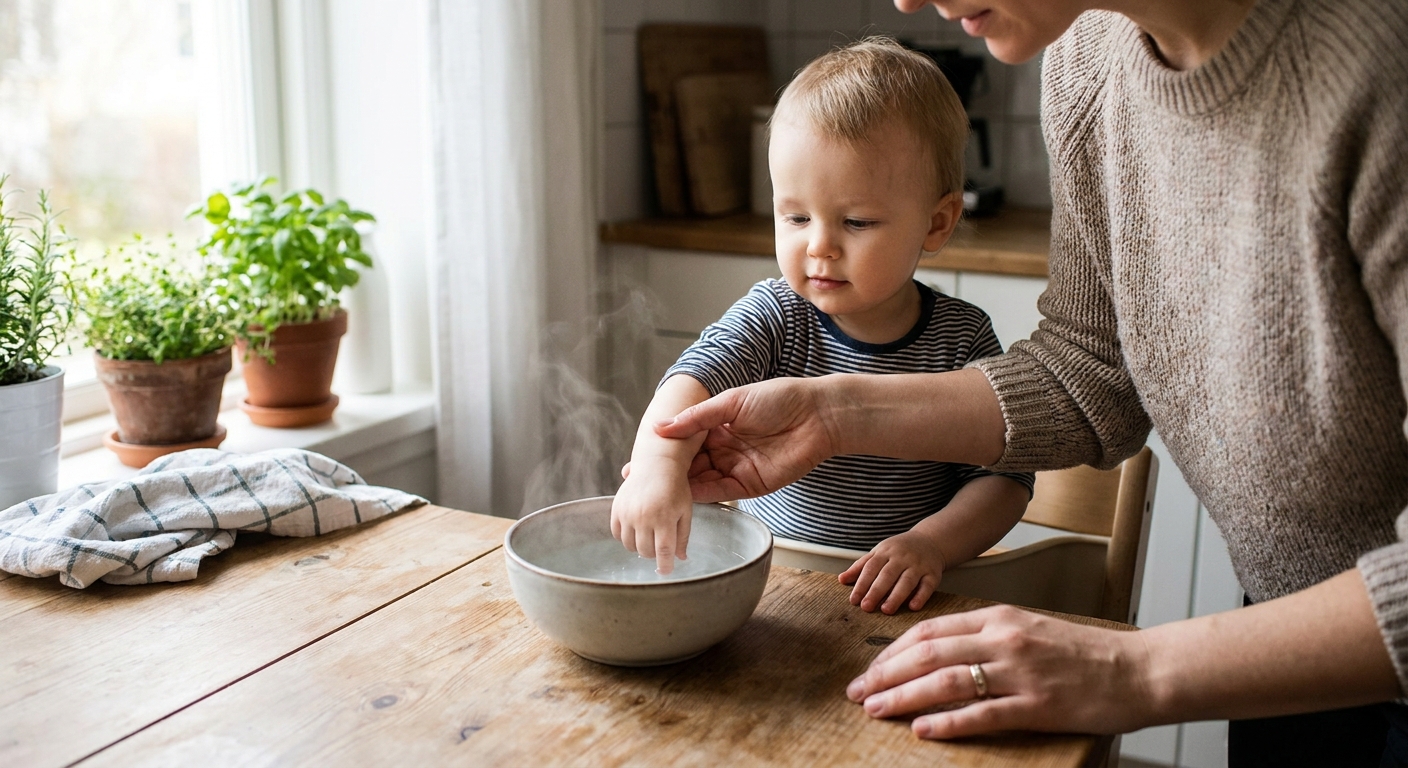
1) Warm-water soaks
Soaks reduce swelling and pain and can help the nail edge release.
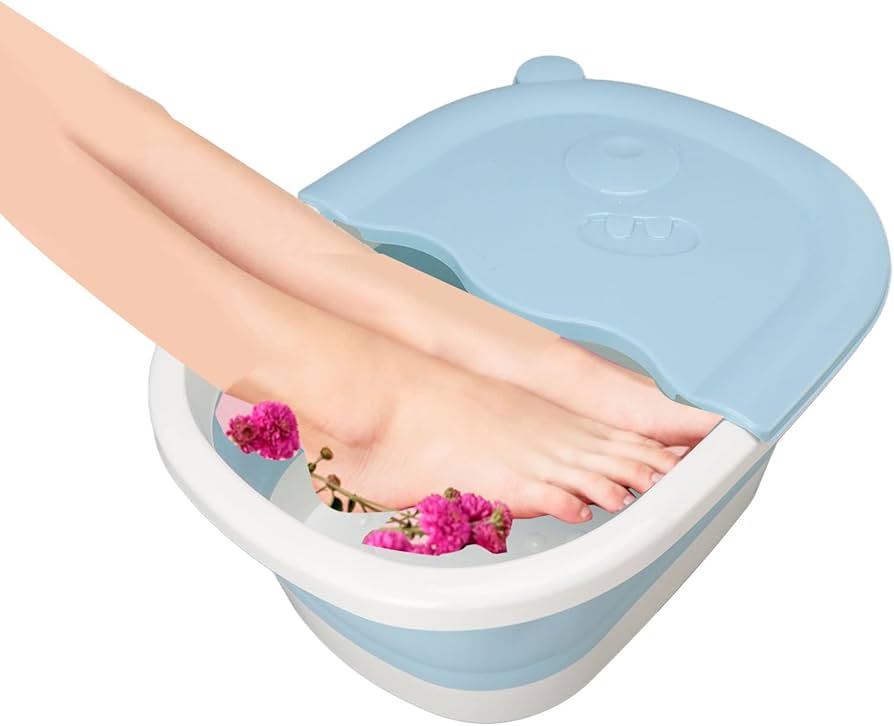
- How: Soak the finger in warm (not hot) water for 10 to 15 minutes.
- How often: 3 to 4 times a day for the first day or two.
- Optional: A small amount of mild soap is fine. You do not need harsh antiseptics.
Tip from the triage desk: Put on a short show, offer a popsicle, or let them hold a toy with the other hand. Soaks are simple, but toddlers treat them like a negotiation.
2) Gentle lift and pad (only for older, cooperative kids)
This technique is described more often for ingrown toenails. For fingernails, especially in toddlers, it can be tricky and can cause more trauma if your child fights it. Consider this only if your child is calm and you can do it without any force.
If you can clearly see the nail corner pressing into the skin, you can sometimes help by lifting the nail edge slightly after a soak when the skin is soft.
- Wash your hands well and dry the finger.
- Using clean tweezers or a clean cotton swab, gently nudge the nail edge up just a bit.
- Place a tiny piece of clean cotton or dental floss (plain, not scented) under the nail corner to keep it from digging in.
- Change the cotton daily and keep doing soaks.
Stop if your child is in significant pain, if the skin is very swollen, or if you cannot do this without resistance. Forcing it can create a bigger skin break and raise infection risk.
3) Protect the fingertip
The goal is to reduce rubbing and picking.
- Apply a thin layer of petroleum jelly to reduce friction.
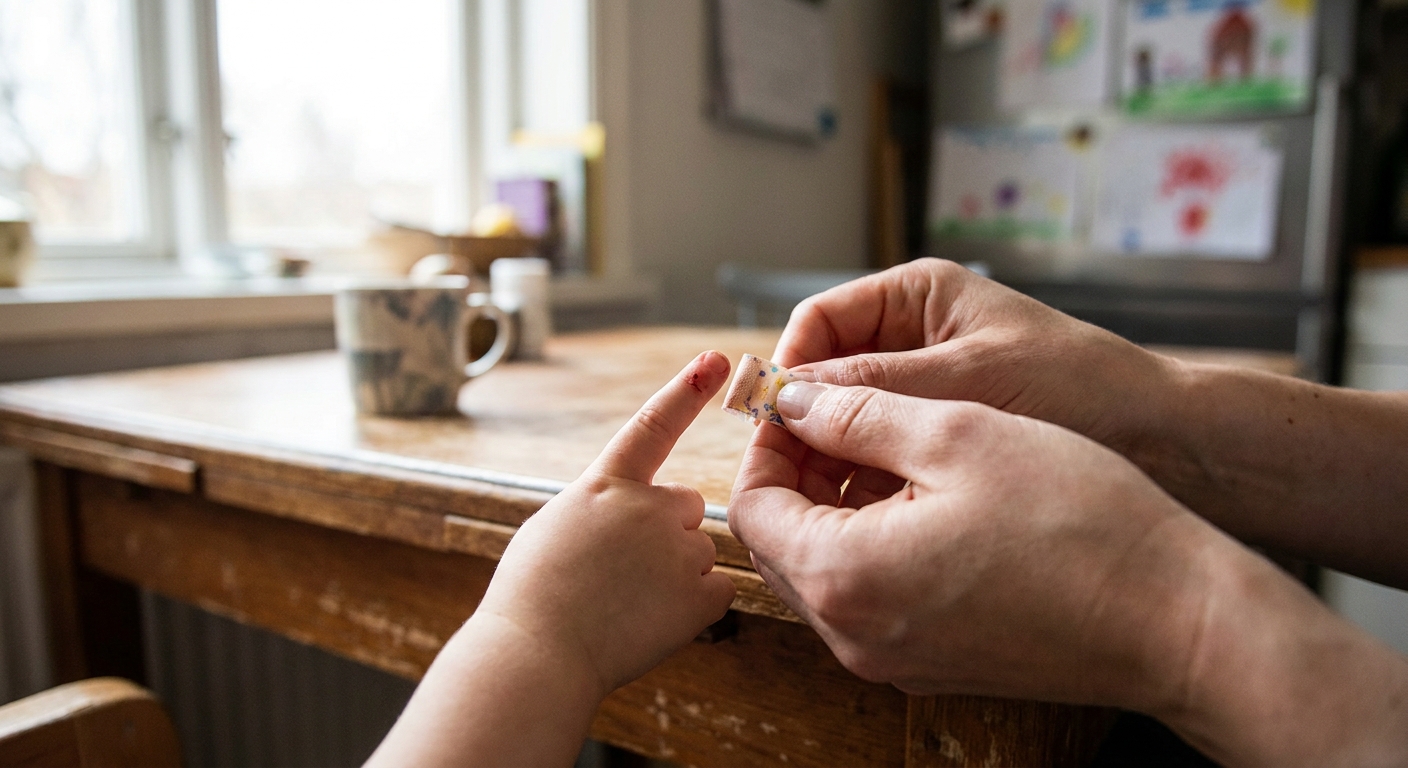
- Cover with a small bandage if your child will tolerate it.
- If they are a picker, a bandage can be a helpful “speed bump.”
Safe trimming
Do
- Trim after a bath or soak when nails are softer.
- Use nail clippers (or baby nail scissors) that are clean and sharp.
- Cut straight across or gently follow the natural curve, leaving the corners visible rather than “scooped out.”
- File sharp edges with an emery board instead of cutting more.
Do not
- Dig into the nail corner with clippers, a pin, or a tool.
- Cut a V-shape into the nail (common myth, not helpful).
- Rip hangnails. Clip them flush with the skin.
- Drain a swollen area at home with a needle.
If there is a visible nail “spike” embedded in the skin and your child cannot tolerate gentle care, that is a good time to loop in your pediatrician or urgent care. Removing a nail fragment sometimes requires proper lighting, tools, and pain control.
When it’s infected (paronychia)
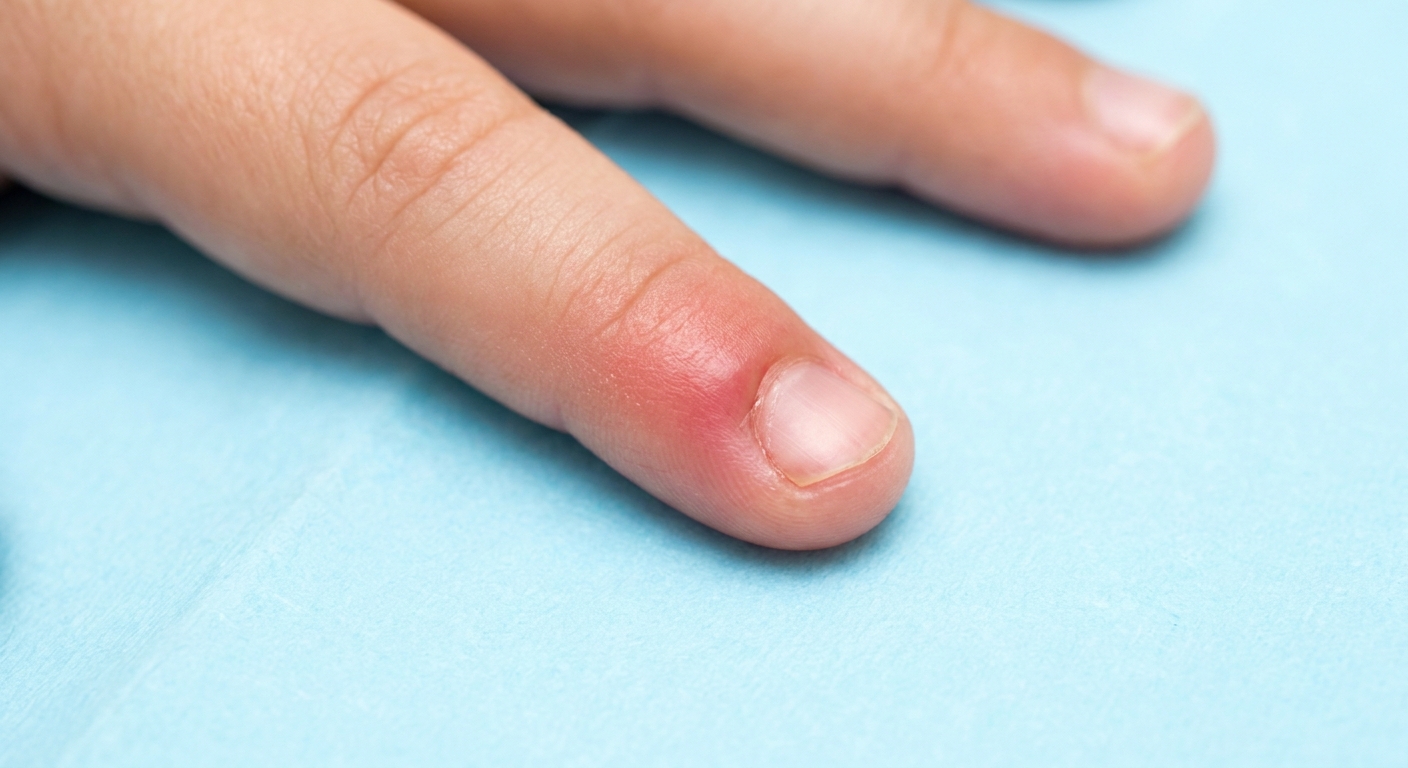
An ingrown nail can turn into an infection when bacteria get into a tiny break in the skin. The infection around the nail is called paronychia.
Call your child’s clinician if you notice any of the following:
- Pus or a yellow, white, or green pocket next to the nail
- Worsening swelling and throbbing pain
- Redness spreading beyond the immediate nail fold
- Warmth and significant tenderness to touch
- The nail fold looks shiny and tight, like it is “ballooning”
- Your child is biting or sucking that finger and it is getting worse
Some mild infections improve with frequent warm soaks and keeping the area clean and covered. If there is a true pus pocket, it may need to be drained by a professional. Antibiotics are often used when there is surrounding cellulitis (spreading redness), systemic symptoms, higher-risk medical conditions, or certain exposures. Your clinician will guide that decision.
One important look-alike
If you see clusters of small blisters on a very painful finger, especially in a thumb-sucker, ask about herpetic whitlow (a herpes virus infection). It can mimic paronychia, but it is treated differently. Do not try to drain it at home, and get medical advice.
Get urgent care now
Please seek same-day urgent care or emergency care (depending on severity) if your child has:
- Fever along with the finger infection
- Red streaks traveling up the finger or hand
- Rapidly spreading redness or swelling
- Severe pain or the finger looks unusually tense
- Trouble moving the finger, holding it stiff, or pain with movement
- Signs of a deeper infection: swelling of the whole finger, significant warmth, or your child seems very unwell
- Immunocompromising condition (including certain medications) or diabetes
- A bite wound (human or animal) near the nail
Those situations can occasionally involve deeper structures in the finger, and you want prompt evaluation.
What to expect at the visit
If you bring your child in, the clinician will look for whether there is a trapped nail edge, an abscess pocket, or signs the infection is spreading.
Depending on what they see, they may recommend:
- Continued warm soaks and protective dressing
- Topical antibiotic ointment for minor cases (sometimes)
- Oral antibiotics if there is surrounding cellulitis, systemic symptoms, or higher risk
- Drainage if there is a clear pus pocket
- Partial nail trimming if a nail fragment is embedded
For many kids, the hardest part is anxiety and pain. Ask about pain control options before any procedure. Even a small numbing step can make a big difference.
Healing and prevention
How long does it take?
With mild irritation, you should see some improvement in pain and redness within 24 to 48 hours of soaks and protection. Full settling often takes several days as the skin calms down. If it is worsening, not improving, or keeps recurring, call your pediatrician. Recurrent nail fold inflammation can sometimes be linked to habits (biting, picking, sucking) or skin conditions like eczema, and it is worth discussing.
Break the biting and picking loop
I know, easier said than done. For younger kids, focus on hands-busy alternatives: fidgets, play dough, a small stuffed toy in the car, or a chewy necklace if your pediatrician agrees it is age-appropriate and safe.
Moisturize the nail folds
Dry skin cracks. Cracks invite germs. A little dab of fragrance-free moisturizer or petroleum jelly around the nail folds once or twice a day can help, especially in winter.
Trim nails regularly and gently
- Weekly is a good starting point for many kids.
- Do not cut nails down to the quick.
- File rough edges so there is less “temptation” to bite a snag.
Watch thumb-sucking
Constant moisture can keep skin soft and prone to tearing. If your child sucks a finger, gently drying the hands and adding a thin protective layer of petroleum jelly can reduce irritation. It is supportive care, not a guarantee, but it often helps.
FAQ
Should I use hydrogen peroxide or alcohol?
For most mild ingrown nails, warm water and gentle soap are enough. Hydrogen peroxide and alcohol can irritate skin and slow healing. If a clinician recommends a specific cleanser for an infection, follow that guidance.
Can I pop it if I see pus?
Please do not. Squeezing or poking can push infection deeper and is very painful. A clinician can drain it safely if needed.
Is this contagious?
The ingrown nail itself is not contagious. If there is an infection, germs can spread through shared nail tools or if kids pick and touch others. Do not share clippers, wash hands, and keep it covered if draining.
Bottom line
Most ingrown fingernails in kids start small: a jagged nail edge, a hangnail, a little biting. Warm soaks, gentle protection, and safe trimming usually get things back on track. But if you see pus, spreading redness, fever, blister clusters, or your child is in significant pain, trust your instincts and get them checked. Fingers are small, but infections can move fast.
If you are reading this at 3 AM with a sleeping kid and a sore-looking finger, take a breath. You do not need to fix it perfectly tonight. Start with a warm soak in the morning, keep it clean and protected, and call for help if the infection signs show up.
Sarah Mitchell
Sarah Mitchell is a Registered Pediatric Nurse and a mother of three who has spent over a decade helping families navigate the beautiful, chaotic early years of childhood. She combines evidence-based medical knowledge with real-world parenting experience to offer practical, compassionate advice. At Awesome Parent, Sarah's mission is to help exhausted parents find solutions, trust their instincts, and finally get some sleep.