Iron Deficiency Anemia in Toddlers

Sarah Mitchell
Sarah Mitchell is a Registered Pediatric Nurse and a mother of three who has spent over a decade helping families navigate the beautiful, chaotic early years of childhood. She combines evidence-based medical knowledge with real-world parenting experience to offer practical, compassionate advice. At Awesome Parent, Sarah's mission is to help exhausted parents find solutions, trust their instincts, and finally get some sleep.
If your toddler looks a little pale, gets winded on the playground, or has suddenly developed a passion for chewing ice (or other very not-food things), you are not alone. Iron deficiency anemia is one of the most common nutrition-related issues I saw in clinic triage, and it can sneak up on even the most on-top-of-it families.
The good news: it is very testable, very treatable, and you do not need to panic or start guessing. Let’s talk about the signs beyond “pale,” when it makes sense to test, how food fits in, what supplements actually do, and what follow-up labs your pediatrician may recommend.
What it is
Iron deficiency means the body’s iron stores are low. Iron deficiency anemia is when iron is low enough that hemoglobin drops and your child becomes anemic.
Iron helps your child’s body make hemoglobin, the part of red blood cells that carries oxygen. When iron stores get low, the body cannot make enough healthy red blood cells. That is iron deficiency anemia.
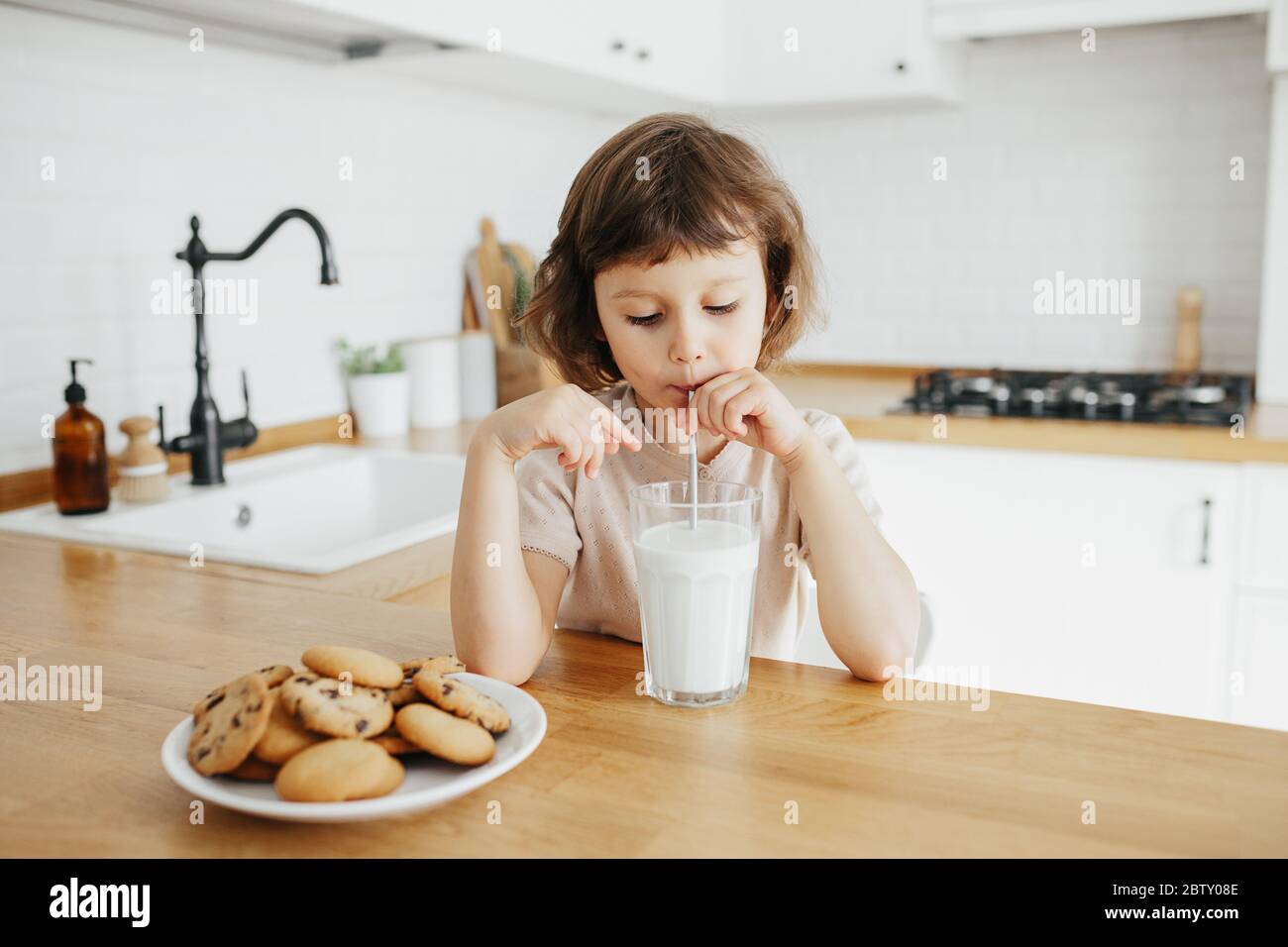
In toddlers, this often happens during a perfect storm of fast growth, picky eating, and lots of milk. Cow’s milk is filling and low in iron, so it can crowd out iron-rich foods. With high intake, cow’s milk is also associated with iron deficiency for several reasons, and in some children it may contribute to tiny amounts of gut blood loss. If there are signs of bleeding (like black or bloody stools), your pediatrician will want to look for other causes too.
Signs parents notice
Pale skin can be a clue, but it is not the whole story, and some kids are naturally fair. What I want parents to watch for is a pattern: energy, appetite, behavior, and odd cravings.
Common symptoms
- Fatigue or low stamina (gets tired quickly, wants to be carried more)
- Gets winded easily or has a fast heartbeat with activity that seems out of proportion for them
- Irritability, more meltdowns, or weeks where everything feels like a battle
- Poor appetite or very narrow food preferences
- Headaches in older toddlers who can describe it
- Slow weight gain or falling off their growth curve
- Frequent illnesses (not a classic sign, but sometimes reported alongside poor nutrition and low iron)
Pica clues
Pica is craving and eating non-food items. Toddlers put lots of things in their mouths, so we look for persistent, repetitive cravings that seem driven, not just curiosity.
- Chewing or eating ice (the concern is an ongoing craving or insisting on it, not occasional casual chewing)
- Eating dirt, sand, or clay
- Chewing paper, cardboard, or crayons
- Licking or chewing metal (crib rails, jewelry) more than typical toddler mouthing
Call sooner
Most iron deficiency is not an emergency, but you should contact your pediatrician promptly if you notice:
- Shortness of breath at rest, chest pain, or your child cannot keep up with normal play
- Fainting, extreme lethargy, or they are hard to wake
- Blue lips or very rapid breathing
- Black or bloody stools (or vomiting blood)
- Pica plus possible lead exposure (older homes, peeling paint, contaminated soil)
When to test
In many places, toddlers are routinely screened for anemia around 12 months. In other regions, screening is more risk-based. Either way, plenty of kids develop iron deficiency later, especially between ages 1 and 3 when picky eating peaks and milk intake creeps up.
Ask about testing if
- Your toddler drinks a lot of cow’s milk (often more than 16 to 24 ounces a day)
- They eat very little meat or iron-fortified foods
- You see symptoms like fatigue, irritability, pica-like cravings, or getting winded easily
- They were born premature or low birth weight
- They have frequent blood loss, heavy nosebleeds, or chronic diarrhea
- They have a condition affecting absorption (for example, celiac disease)
- There is lead exposure risk or pica (testing for lead may be recommended too)
If you are unsure, a quick message to your pediatrician like, “We’re seeing fatigue and a lot of milk intake. Should we check iron?” is completely reasonable.
What tests to expect
Parents often imagine a huge workup. Most of the time, it starts simple and gets more specific only if needed.
Common first labs
- Hemoglobin (Hgb) or hematocrit (Hct): screens for anemia
- Complete blood count (CBC): looks at red blood cell size and other markers that can suggest iron deficiency
Iron studies
- Ferritin: reflects iron stores (it can look “normal” or high if your child is sick because it rises with inflammation)
- Serum iron and transferrin saturation
- Total iron-binding capacity (TIBC)
Other labs your clinician may add
- Reticulocyte count: shows how the body is responding by making new red blood cells
- Lead level: especially with pica or higher exposure risk
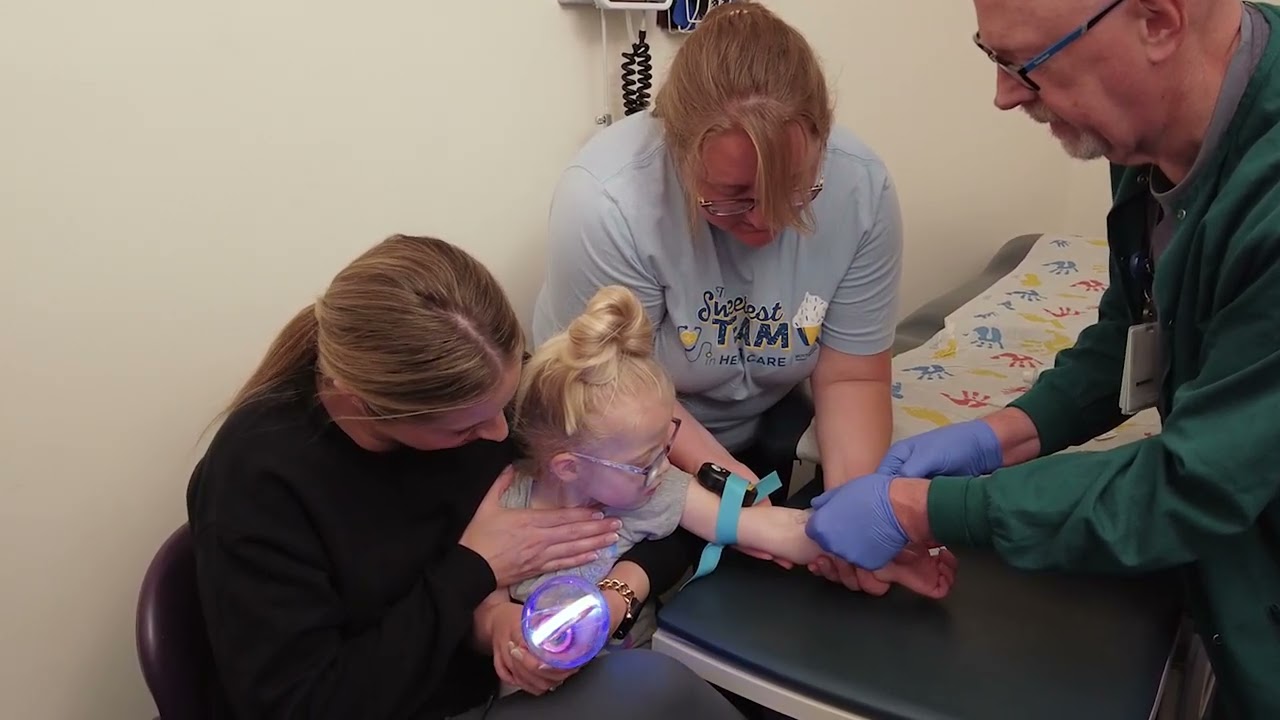
Most pediatric offices can do a finger prick screening, but confirmatory testing is usually a small blood draw. It is okay to ask what they are ordering and why. You are not “that parent.” You are the parent.
Diet in real life
Food matters, but when a toddler is already anemic, diet alone often cannot refill iron stores quickly enough. Think of food as the foundation and prevention plan, and supplements as the short-term tool when labs show deficiency.
How much milk is too much?
For many kids ages 1 to 2, a common target is about 16 ounces of cow’s milk per day. Some children may be advised to go up to about 24 ounces, and older toddlers may need less depending on diet. If your toddler is drinking significantly more, reducing milk is often one of the highest-impact changes you can make.
Iron foods toddlers eat
There are two types of iron in food:
- Heme iron (more easily absorbed): meat, poultry, fish
- Non-heme iron (plant-based, needs absorption help): beans, lentils, tofu, spinach, fortified cereals
Practical, toddler-friendly options:
- Meatballs, shredded chicken, turkey burgers
- Scrambled eggs plus iron-fortified toast or cereal
- Lentil soup (blended if texture is an issue)
- Hummus with pita or crackers
- Iron-fortified oatmeal made with water, then add nut butter if tolerated
The vitamin C trick
Vitamin C helps the body absorb non-heme iron. Pair iron foods with:
- Strawberries, oranges, kiwi
- Bell peppers, broccoli
- Tomato sauce
What can block absorption
Calcium can reduce iron absorption. You do not have to ban dairy, but it helps to avoid pairing large amounts of milk, cheese, or yogurt with iron supplements or the most iron-focused meals.
Iron supplements
If your child’s labs show iron deficiency anemia, your pediatrician may recommend an oral iron supplement. The exact dose depends on age, weight, and severity, so use your clinician’s instructions rather than a label guess.
Common forms
- Liquid iron (often ferrous sulfate): common for toddlers, effective, can taste metallic
- Chewables: sometimes used in older toddlers, but dosing flexibility can be limited
- Multivitamin with iron: may help prevent deficiency, but usually does not provide enough iron to treat anemia
How to give it
- Iron is absorbed best on an empty stomach, but many toddlers do better with a small snack to reduce stomach upset. Either approach can be reasonable if your child is taking it reliably.
- Give with a vitamin C food or drink if tolerated (a small amount of orange juice is sometimes suggested for older toddlers, but ask your pediatrician, and do not use juice as a main strategy if your child is younger)
- Avoid giving iron with milk or right after a big dairy snack
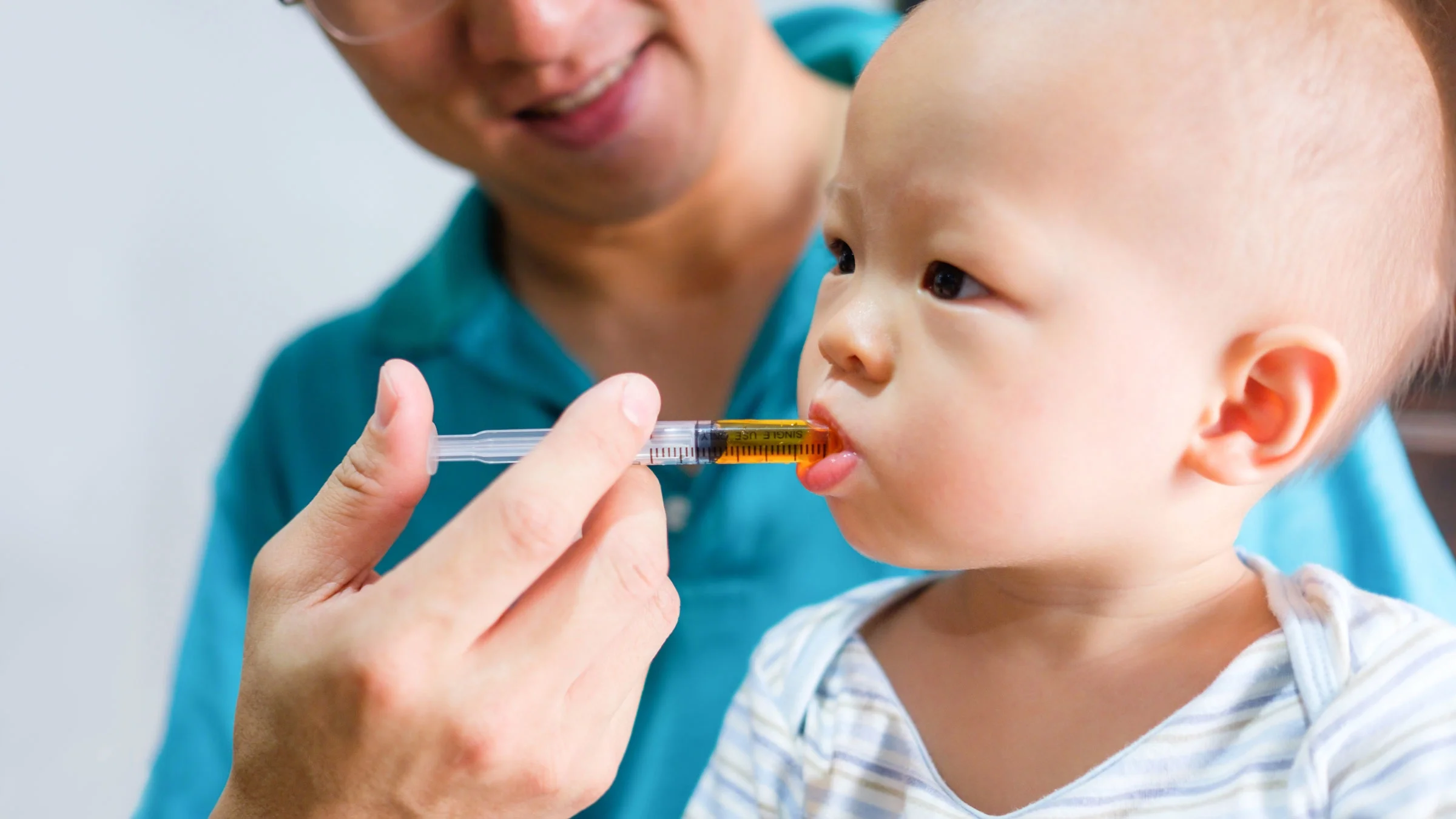
- Use a syringe and aim toward the inside of the cheek
- If your pediatrician approves, mix it into a small amount of something strong flavored (like applesauce) so they finish the whole dose
Side effects
- Dark stools (common and expected)
- Constipation or stomach upset (very common, and a frequent reason kids resist it)
- Teeth staining with liquid iron (brushing teeth after, or giving toward the back of the mouth, can help)
How long is treatment?
Many treatment plans are weight-based and use “elemental iron,” and many kids continue iron for a period after hemoglobin improves to rebuild iron stores. A common ballpark you might hear is continuing for a couple of months after labs improve, but your pediatrician will tailor this to your child and your follow-up results.
Safety note
Iron is one of the most dangerous “routine” household supplements if swallowed in large amounts. Store it like medication, up high and locked. If you think your child swallowed extra doses, call Poison Control right away (in the US: 1-800-222-1222).
When you will see improvement
Many parents notice better energy and mood within a couple of weeks, though every child is different. Lab values often take longer to fully normalize because the body needs time to rebuild iron stores.
Follow-up labs
Your clinician may recheck blood work to confirm your child is responding and to decide how long to continue treatment. Depending on the situation, that may include:
- A repeat hemoglobin after a few weeks to confirm it is rising
- Ferritin later on to make sure iron stores are refilled, not just the hemoglobin number
- Additional testing if numbers are not improving as expected
One important point: many kids need to keep taking iron for a period after hemoglobin improves, because rebuilding iron stores takes longer than fixing the low red blood cell count. Do not stop early unless your pediatrician tells you to.
If it is not iron
Pallor and fatigue can come from many things, including recent viral illnesses, sleep disruption, picky eating without anemia, and other types of anemia. If iron labs are normal, that is still valuable information. It means you and your pediatrician can look at the next most likely causes rather than staying stuck in the “maybe it’s iron?” loop.
If anemia persists or does not respond to iron the way your clinician expects, they may consider other possibilities like thalassemia trait, anemia of inflammation, ongoing blood loss (including from the GI tract), or malabsorption. That is not meant to scare you. It is simply the next step when the simple explanation does not fit.
Prevention basics
Most prevention is wonderfully boring: keep milk in a reasonable range, offer iron-rich foods routinely (especially iron-fortified cereals and proteins), and show up for well visits where screening is discussed. If your child has risk factors (prematurity, very selective eating, high milk intake), ask whether repeat screening makes sense even if the 12-month check was normal.
Questions to ask
- Do my child’s symptoms and diet suggest iron deficiency?
- Which labs are you ordering: just a hemoglobin screen, or a full CBC and ferritin?
- Should we test for lead based on pica or our home environment?
- If we start iron, what dose, what form, and for how long?
- When do you want to recheck labs?
- What side effects should make me call you?
Bottom line
If your toddler is pale and cranky and living on milk and crackers, it does not mean you have failed. It means you have a toddler. Iron deficiency anemia is common, sneaky, and very manageable with the right testing and a realistic plan.
If any of the signs in this article are ringing bells, reach out to your pediatrician and ask about screening. Getting answers is often the fastest way to get your kiddo’s energy, sleep, and mood back on track, and to help you breathe again too.