
Pale skin is not the only clue. Learn pica-like cravings, behavior changes, when to ask for labs, iron-rich foods, supplement basics, and follow-up testing p...
Iron Drops and Supplements for Babies and Toddlers

Sarah Mitchell
Sarah Mitchell is a Registered Pediatric Nurse and a mother of three who has spent over a decade helping families navigate the beautiful, chaotic early years of childhood. She combines evidence-based medical knowledge with real-world parenting experience to offer practical, compassionate advice. At Awesome Parent, Sarah's mission is to help exhausted parents find solutions, trust their instincts, and finally get some sleep.
If you have ever opened a bottle of infant iron drops at 2 AM and thought, this is going to stain everything I love, you are not alone. Iron supplements can be incredibly helpful when a clinician recommends them, but they also come with practical questions: Which type is best for my child’s age? Do we give it with food? Why did the diaper suddenly look like it belongs in a horror movie?
This guide walks you through the common types of iron supplements for babies and toddlers, timing tips to improve absorption, the very normal stool changes you might see, and what follow-up testing often involves. We will keep this educational and realistic, not a dosing prescription.
When clinicians recommend iron
Most parents first hear about iron at routine well visits, when screening labs come up or when a child’s diet and growth history suggests they might be at risk. Clinicians and pediatricians typically recommend iron drops or supplements when there is evidence of low iron stores or iron deficiency, or when a child has risk factors that make iron deficiency more likely.
Common reasons a clinician may prescribe iron
- Screening test results that suggest low iron or iron deficiency (with or without anemia).
- Prematurity or low birth weight, since iron stores build in the third trimester and preterm babies often start with less.
- Exclusively or mostly breastfed infants starting around 4 months if iron-rich complementary foods are not yet reliably meeting needs, since breast milk is wonderful but not high in iron. Your clinician may reference guidance like the American Academy of Pediatrics when making this plan.
- High cow’s milk intake in toddlers, which can crowd out iron-rich foods and may irritate the gut in some children.
- Very selective eating over time, especially if the diet is low in iron sources.
- Medical conditions affecting absorption or chronic inflammation, which your clinician will guide you through.
If your child was prescribed iron, it is not a moral judgment on your parenting or their diet. It is a targeted tool, often temporary, to replenish iron stores and support healthy brain development and energy levels.
Types of iron supplements
Iron comes in several forms. The “best” one is the one your child can reliably take, at the dose your clinician recommends, without turning every day into a wrestling match.
Liquid iron drops
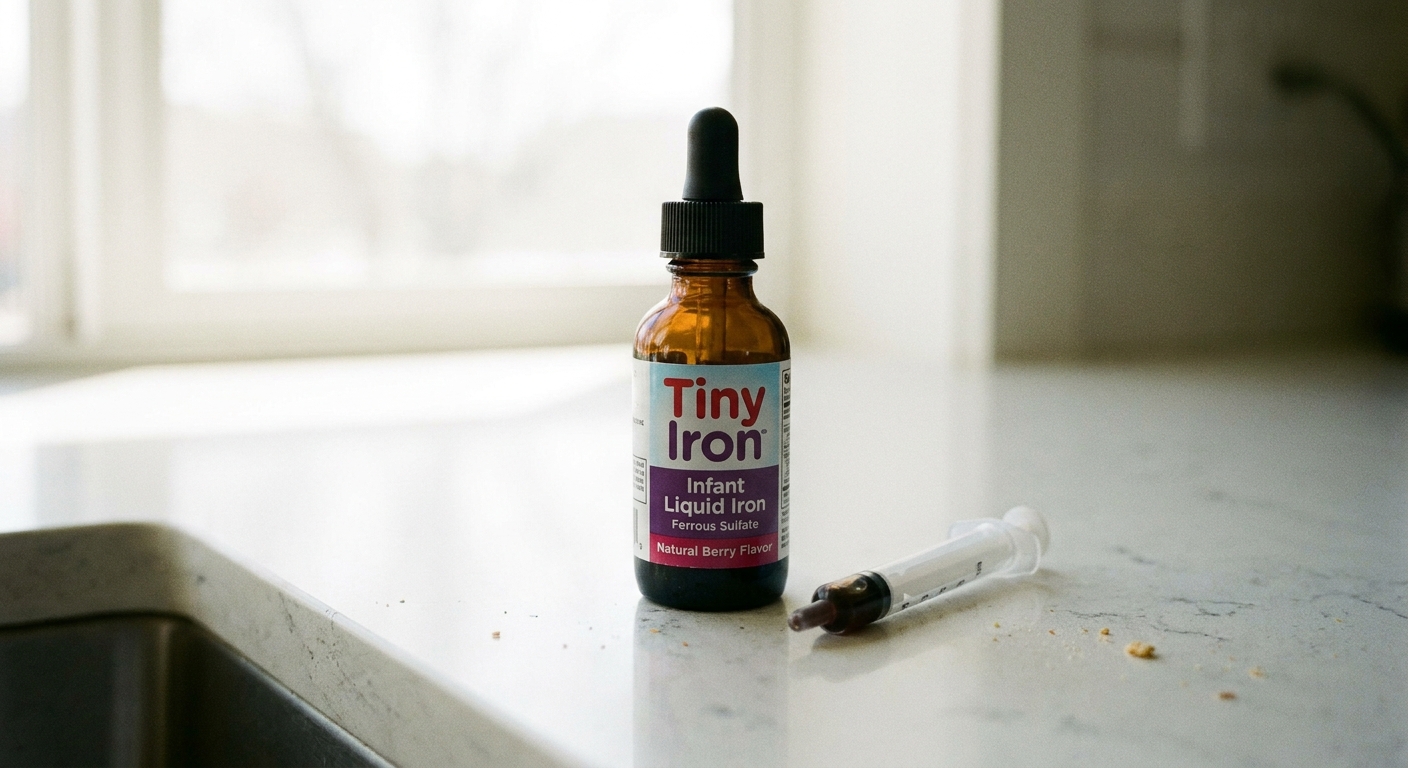
Liquid iron is typically used for infants and young toddlers who cannot safely chew tablets. It is concentrated, which means a small volume carries a lot of iron. That is helpful, but it also means the taste can be metallic and it can stain teeth or fabric.
- Best for: infants and younger toddlers, or any child who cannot chew reliably.
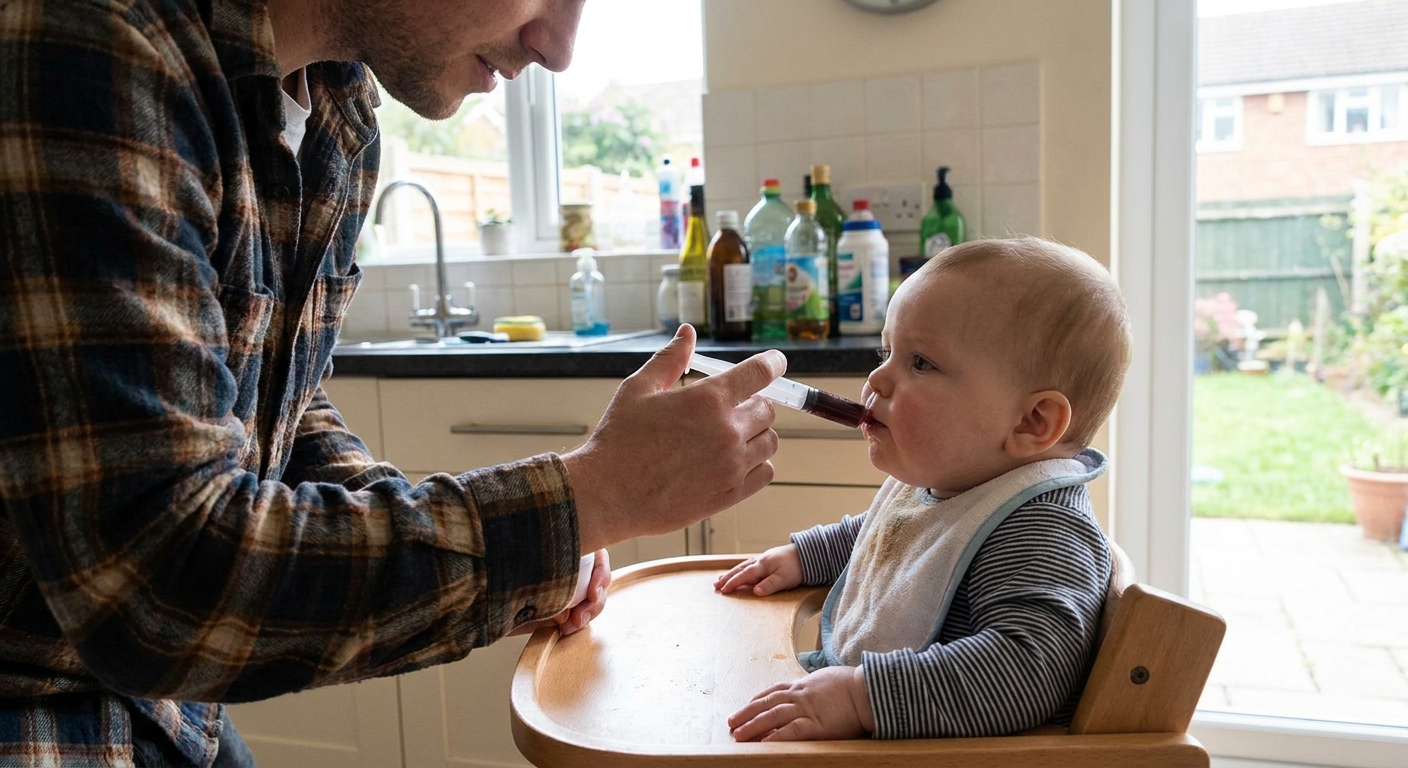
- How it is given: usually via an oral syringe or dropper into the side of the mouth.
- Common challenges: taste, spitting, staining.
Chewables
Chewable iron can be a good fit once a child can safely chew and follow directions. Some contain iron alone, while others are multivitamins that include iron.
- Best for: children who can chew consistently and are not at choking risk.
- Pros: often more palatable, easier routine for some families.
- Cons: can look like candy, so storage safety matters a lot.
Gummies
Many gummy vitamins either do not contain iron or contain very small amounts, and gummies can stick to teeth. If your clinician recommends iron treatment, they will often prefer drops, liquid, or tablets that deliver a predictable amount.
Iron multivitamins
These can be helpful for prevention in some children, but for treating confirmed deficiency, clinicians often prescribe a dedicated iron supplement so they can match the amount and track response.
Different iron types
You might see names like ferrous sulfate or polysaccharide iron complex. In parent terms, these are different formulations that can vary in taste, cost, and how they feel in the stomach. Your clinician or pharmacist can help you pick an option that fits the prescribed dose and your child’s tolerance.
Form by age
Age matters, but so does your child’s skill level, sensory preferences, and safety.
Babies
- Typical form: liquid drops.
- Why: babies cannot chew tablets safely and need small, measurable volumes.
- Practical tip: aim the syringe toward the inside of the cheek, go slowly, and keep baby upright.
Toddlers
- Typical form: many still use liquid, some transition to chewables if they can reliably chew.
- Why the decision varies: toddlers are unpredictable. One day they love “medicine,” the next day they act like you are offering poison.
- Safety note: iron-containing products are a well-known cause of severe poisoning when swallowed in large amounts. Anything chewable that resembles candy must be stored locked and out of reach.
Preschool and school-age kids
- Typical form: chewable tablets or pills, depending on swallowing ability.
- Why: easier adherence, simpler routines, less mess.
Timing and absorption
Iron is a little finicky. Absorption can be improved or reduced depending on what else is in the stomach at the same time. Your clinician’s instructions come first, but these general principles are commonly recommended.
Vitamin C helps
Vitamin C can increase iron absorption. In real life, that might look like:
- a small sip of orange juice for older toddlers and kids (if appropriate for their age and dental considerations)
- strawberry or citrus fruit with a meal
- a few spoonfuls of vitamin C rich puree for babies who are on solids
If your child is an infant, ask your clinician what pairing makes sense. Many babies do not need juice, and there are other ways to include vitamin C through foods.
Calcium and milk can reduce absorption
Calcium can interfere with iron absorption. Many clinicians advise separating iron from:
- cow’s milk
- calcium supplements
- large servings of yogurt or cheese
A common approach is to give iron at a different time than milk, especially in toddlers who drink a lot of it.
Other things that can interfere
Depending on your child’s age and what else they take, some clinicians also recommend avoiding iron at the same time as certain antacids, high fiber or bran-heavy foods, or tea. If you are unsure, your pharmacist can help you space things out.
Empty stomach or with food
Iron is often absorbed best on an empty stomach, but it can also upset the stomach, especially in toddlers. If your child vomits, gags, or refuses it when given without food, many clinicians suggest giving it with a small amount of food to improve tolerance. The best supplement is the one that actually gets taken consistently.
Tips to reduce staining and battles
- Use an oral syringe and place the liquid toward the side of the mouth, not onto the front teeth.
- Offer a drink or rinse afterward if age-appropriate.
- Brush teeth after the dose when possible. If staining builds up, ask your dentist about safe ways to remove it.
- Protect clothing with a bib. Iron stains are stubborn.
- Avoid mixing into a full bottle or cup unless your clinician or pharmacist says it is okay, since there is a real risk your child will not finish the entire dose.
Side effects
Iron can come with a few annoying but common side effects. A lot of families see one or more of these, especially early on.
- Dark stools
- Constipation
- Mild stomach upset or nausea
- Metallic taste (this can be the main reason for dramatic toddler opinions)
- Teeth staining (more common with liquid iron and often reduced by syringe placement and brushing)
Stool changes
Let us talk about diapers and potty chairs, because iron supplements often change stool. This is one of the most common reasons parents call the clinic, and in many cases it is completely expected.
Dark green or black stools
Dark stools are a classic, normal side effect of iron supplementation. The stool may look deep green, dark brown, or even blackish. Iron can make poop look surprisingly dark even when everything is fine.
That said, clinicians worry about gastrointestinal bleeding when stool is black, tarry, sticky, and often foul-smelling, especially if your child seems ill. If you are not sure which category you are seeing, it is appropriate to call and describe it.
Constipation
Iron can slow the gut down. Some children get:
- harder stools
- less frequent poops
- straining
If constipation shows up, call your clinician for personalized strategies . Common supportive steps often include more fluids, high fiber foods for toddlers, or adjusting how the supplement is taken. Do not start laxatives or stool softeners without medical guidance for young children.
Looser stools or mild tummy upset
Some kids go the opposite direction and have looser stools or stomach discomfort. This can sometimes improve by giving iron with a small amount of food or changing the timing, but talk with your clinician before making major changes.
When to seek urgent advice
Call your child’s clinician promptly or seek urgent care advice if you see:
- bright red blood in stool or persistent blood mixed in
- black, tarry, sticky stools, especially with foul smell or illness symptoms (weakness, pallor, dizziness, vomiting)
- severe abdominal pain, repeated vomiting, or signs of dehydration
- any concern for accidental overdose
If you suspect your child swallowed extra iron, treat it as urgent. In the United States, you can call Poison Control at 1-800-222-1222.

Follow-up testing
Iron supplementation is usually paired with a plan to recheck labs. The exact timing varies based on your child’s age, how low the iron levels were, and their medical history, but many clinicians will:
- reassess symptoms and adherence within a few weeks
- repeat blood work after a clinician-chosen interval to confirm levels are rising
- continue supplementation for a period even after labs improve, to rebuild iron stores (not just the hemoglobin number)
Common labs your clinician may discuss include hemoglobin or hematocrit and tests that reflect iron stores such as ferritin. Do not be surprised if the plan is “we treat, we recheck, then we keep going a little longer.” That is often how you prevent a quick relapse.
How long it takes
Duration depends on the reason iron was started and how low levels were. Many children need treatment for weeks to months, plus a bit longer after numbers improve to fully rebuild stores. Your clinician will tailor the timeline and will usually use follow-up labs and symptoms to decide when to stop.
Safety basics
Store it like it is dangerous
Even though it is a nutrient, iron can be dangerous in large amounts, especially for young children.
- Store iron locked and out of sight and reach.
- Do not call it “candy,” even if it is chewable.
- Use a measuring syringe, not a kitchen spoon.
Do not start “just in case”
Fatigue, picky eating, and pale skin can have many causes. Too much iron is not helpful and can be harmful. If you are worried, the safest route is to ask for guidance and, if appropriate, testing.
Quick troubleshooting
If your baby spits it out
- Go slow with the syringe and aim toward the cheek.
- Give tiny amounts at a time, allowing swallowing breaks.
- Ask your clinician or pharmacist if your product can be mixed with a small amount of puree or breast milk or formula. Some can, some should not.
If your toddler refuses
- Offer a simple choice: “Do you want it before or after your story?”
- Pair it with a consistent routine, like brushing teeth.
- Ask about switching forms if adherence is a constant fight.
If constipation becomes the main event
- Call your clinician to discuss options.
- For toddlers, ask about diet tweaks like pears, prunes, beans, and water intake.
- Do not stop iron abruptly without checking in, especially if it was prescribed for deficiency.
Bottom line
Iron drops and supplements can feel like a hassle, but they are often a short-term bridge that helps your child’s body catch up and thrive. Dark stools are common. Constipation can happen. Follow-up labs are part of doing this safely and effectively.
If you are ever unsure whether what you are seeing is a normal side effect or a red flag, trust your instincts and call your clinician. That is what we want you to do.