Iron-Rich Foods for Babies and Toddlers

Sarah Mitchell
Sarah Mitchell is a Registered Pediatric Nurse and a mother of three who has spent over a decade helping families navigate the beautiful, chaotic early years of childhood. She combines evidence-based medical knowledge with real-world parenting experience to offer practical, compassionate advice. At Awesome Parent, Sarah's mission is to help exhausted parents find solutions, trust their instincts, and finally get some sleep.
If you have ever Googled “iron rich foods for baby” at 2 AM while holding a snack-throwing tiny human, you are not alone. Iron is one of those nutrients that quietly does a huge amount of work in early childhood, and it is also one of the easiest to miss once babies start eating solids and toddlers start living on air, crackers, and opinions.
The good news: you do not need fancy products or perfect meals. You just need a few reliable iron staples, offered regularly, plus a couple simple absorption tricks.
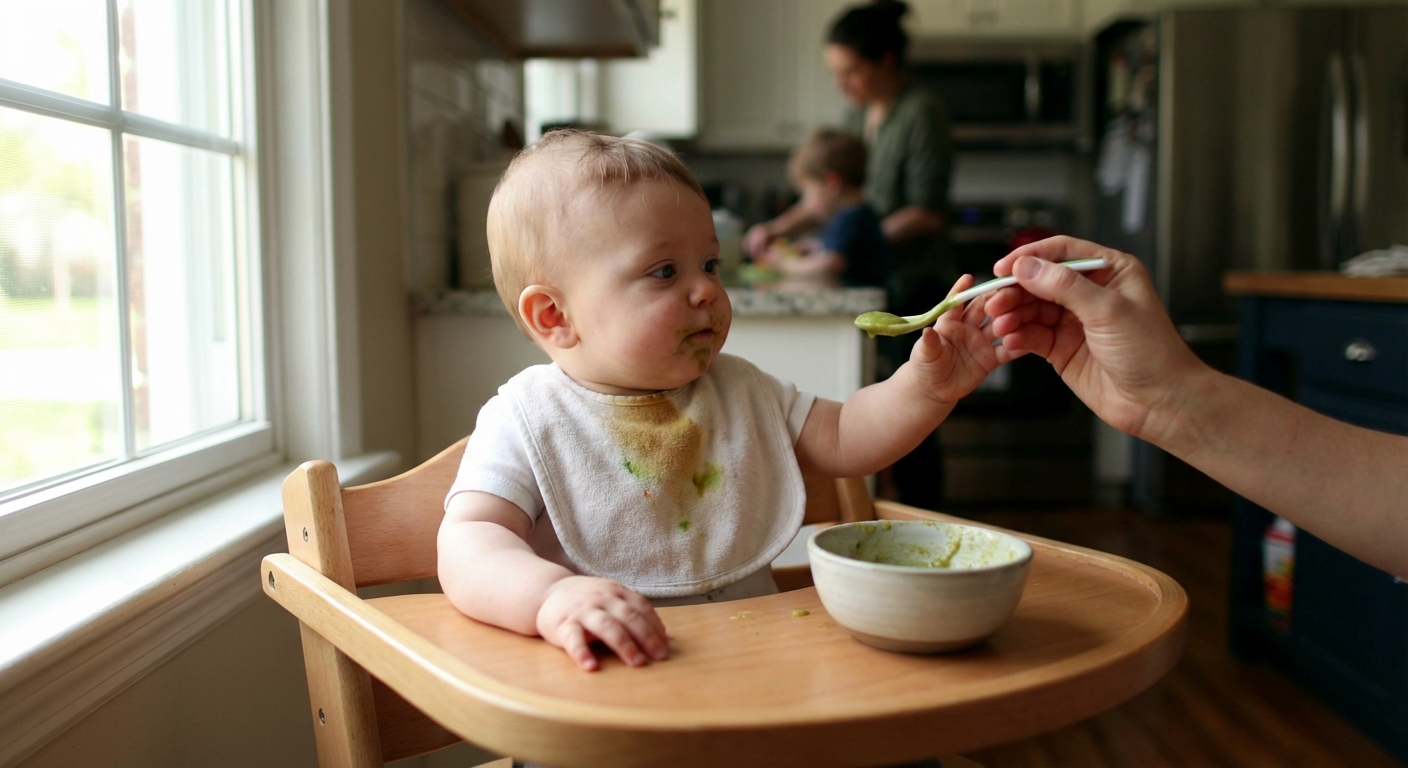
Why iron matters (especially for the brain)
Iron helps the body make hemoglobin, the part of red blood cells that carries oxygen. When kids do not get enough iron, less oxygen gets delivered where it needs to go, including the brain.
In babies and toddlers, the brain is developing at lightning speed. Iron supports:
- Brain development and learning: Iron is involved in processes like myelination and neurotransmitter function, which support attention, memory, and learning.
- Growth: Rapid growth increases iron needs.
- Energy and immune function: Low iron can look like low stamina and more frequent illnesses.
Low iron can progress to iron deficiency anemia, which is when iron is low enough to reduce healthy red blood cells. The way to know what is going on is with lab testing, not guesswork.
For many full-term babies, iron stores last roughly the first 4 to 6 months. After that, iron from food (and sometimes supplements, if recommended) becomes important. Some guidelines recommend an iron supplement for exclusively breastfed babies starting around 4 months until iron-rich foods are consistently eaten, so it is worth asking your pediatrician what applies to your baby.
Iron-rich foods by age
There are two types of dietary iron:
- Heme iron (from animal foods): absorbed more easily.
- Non-heme iron (from plant foods and fortified foods): absorbed less efficiently, but you can boost absorption a lot with vitamin C and smart pairings.
You can absolutely meet iron needs with a mix of both. The goal is consistent exposure, not a perfect “iron meal” every time.
Babies (6 to 12 months)
At this age, many babies are just learning textures. Offer soft, mashable foods and appropriately prepared finger foods if you are doing baby-led weaning. Always supervise closely and follow safe serving guidance for your child’s skill level (especially with sticky nut butters, chewy meats, and small hard foods).
- Iron-fortified infant cereal (oat, multigrain, or rice): Mix with breast milk, formula, or water. Stir in fruit puree for vitamin C.
- Meat puree or very finely shredded meat (beef, lamb, pork, chicken, turkey): Dark meat tends to have more iron.
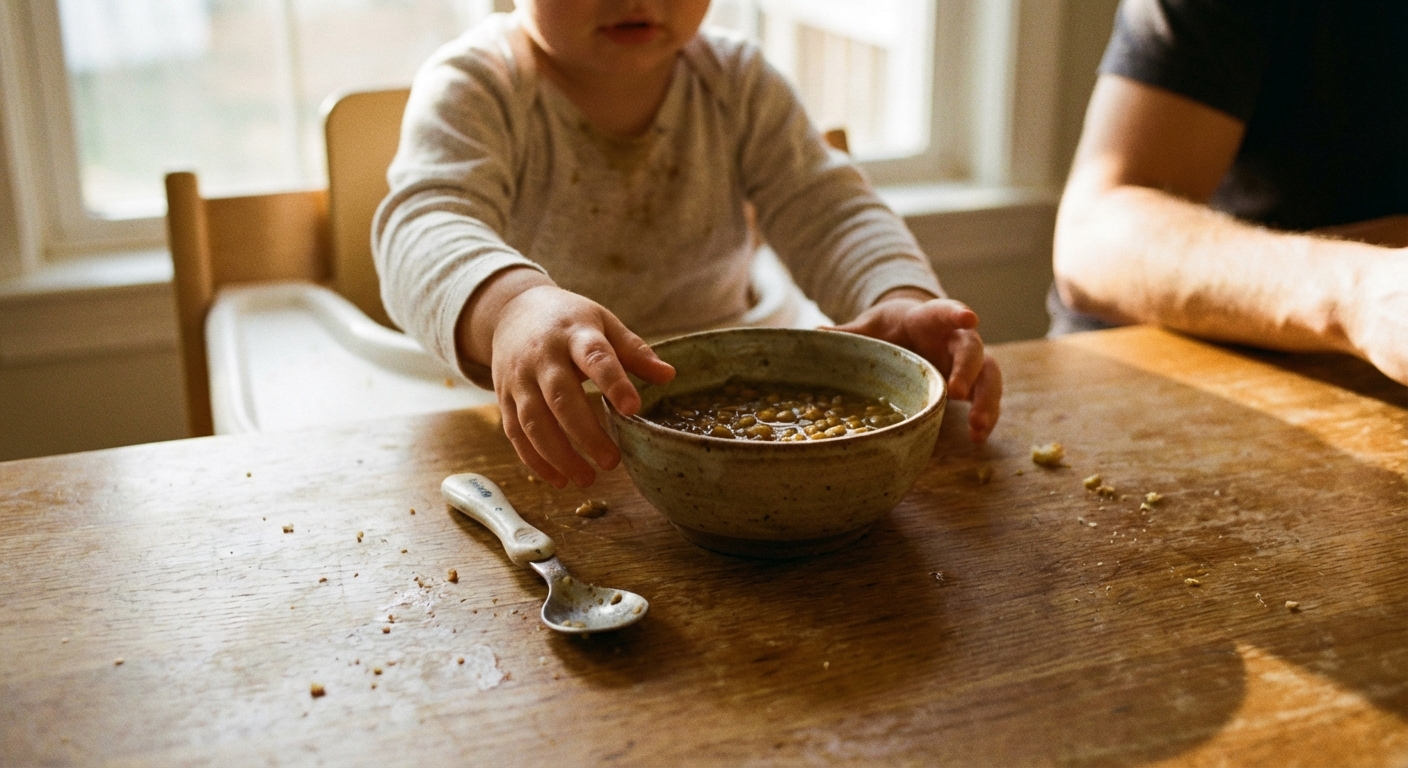
- Beans and lentils (well-cooked and mashed): Lentils are a workhorse food for iron.
- Tofu (soft or firm, cut into safe strips): Easy to serve and takes on flavors nicely.
- Nut and seed butters (thinly spread or stirred into foods): Peanut butter, almond butter, tahini. Offer in thin layers, not spoonfuls.
- Eggs (soft-cooked): Not the highest iron food, but an easy, affordable option that pairs well with vitamin C foods.
- Fish (like salmon or sardines, mashed and deboned): Also a great source of healthy fats. Choose low-mercury options and follow local guidance for babies.
- Dark leafy greens (very finely chopped and cooked): Stir into omelets, pasta, or lentils.
Easy baby combos:
- Iron-fortified oatmeal + mashed strawberries
- Lentil puree + a little tomato sauce
- Shredded beef + mashed sweet potato
- Mashed beans + soft cooked bell pepper strips
Toddlers (1 to 3 years)
Toddlers can be amazing eaters one day and suspicious food critics the next. Keep offering iron foods routinely, even if they are rejected. Food acceptance is a long game.
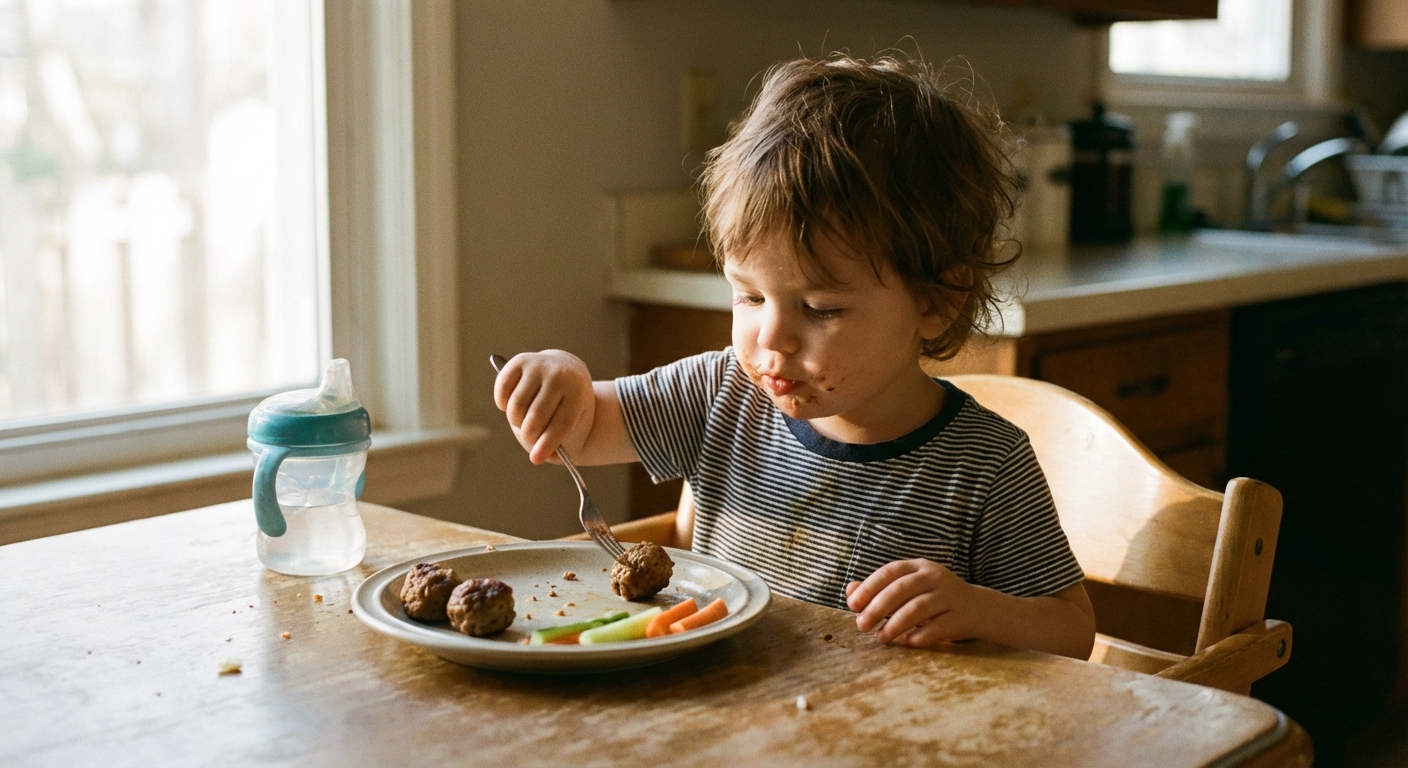
- Red meat (beef, lamb): Meatballs, tacos, burgers, or finely chopped in pasta sauce.
- Poultry (especially dark meat): Shredded chicken thighs in quesadillas or soups.
- Seafood (salmon, sardines, trout): Salmon patties are toddler-friendly. Choose low-mercury fish and avoid high-mercury options (like shark, swordfish, and king mackerel).
- Eggs: Omelets, mini egg muffins, breakfast burritos.
- Beans and lentils: Chili, hummus, lentil soup, black bean quesadillas.
- Tofu and tempeh: Cubed tofu in stir-fries, baked tofu nuggets.
- Iron-fortified foods: Some cereals, oatmeal, and breads are fortified. Check labels.
- Seeds: Pumpkin seeds and hemp hearts (ground or sprinkled) can boost iron.
- Spinach and greens: Smoothies, pasta, scrambled eggs, or soups.
How much iron do kids need?
Exact needs vary, and your pediatrician can personalize guidance. For general reference, many guidelines list:
- 7 to 12 months: about 11 mg of iron per day
- 1 to 3 years: about 7 mg of iron per day
If your baby was born early, had a low birth weight, drinks a lot of cow’s milk as a toddler, or you have concerns about intake, ask your pediatrician whether screening or supplementation is appropriate.
Signs of low iron
Iron deficiency can be sneaky. Some kids look totally fine until they do not. If you are noticing a cluster of these symptoms, it is worth a conversation with your child’s clinician.
- Pale skin (especially lips, gums, inside lower eyelids)
- Fatigue or low energy, seeming “wiped out” more than usual
- Irritability or increased fussiness
- Poor appetite
- Slower weight gain or growth concerns
- More frequent infections
- Pica (eating non-food items like ice, dirt, paper)
- Behavior or sleep changes that feel out of character
Important: These symptoms can overlap with lots of normal kid things and other conditions. The way to know is with a simple lab screening test, which is commonly done at well visits (often around 12 months, depending on the practice and risk factors).
Boost iron absorption
This is the part I love because it is practical and low effort. You do not need more foods, you just need smarter pairings.
Pair iron with vitamin C
Vitamin C helps the body absorb non-heme (plant-based and fortified) iron more efficiently. Try pairing iron foods with:
- Citrus (orange segments, clementines)
- Strawberries
- Kiwi
- Mango
- Tomatoes or tomato sauce
- Bell peppers
- Broccoli
Easy pairings: beans + salsa, oatmeal + berries, lentils + tomatoes, iron-fortified cereal + fruit.
Calcium timing (if iron is a concern)
Calcium can reduce iron absorption in the short term when eaten together in larger amounts. This does not mean calcium is “bad” or that you must avoid dairy. It just means spacing big calcium servings away from iron-focused meals can help if iron intake is a concern.
- If your toddler drinks a lot of milk, offer it between meals instead of with meals.
- Try serving yogurt or cheese as a snack, and keep iron-focused meals dairy-light.
Also, in real life, the bigger toddler issue is often that too much cow’s milk crowds out iron-rich foods. Many pediatric sources suggest keeping cow’s milk to about 16 to 24 ounces per day for toddlers, but your pediatrician can help you choose the right amount for your child.
Cook in cast iron (bonus points)
Cooking acidic foods like tomato sauce in a cast iron pan can increase the iron content a bit. It is not magic, but it is a nice bonus if cast iron already fits your life.
Skip tea for little kids
Teas with tannins (like black and green tea) can reduce iron absorption. Some herbal teas may also contain compounds that interfere with absorption. Little kids generally do not need tea, and water and milk (in appropriate amounts) are typically better options.
Real-life meal ideas
Here are a few iron-friendly options that do not require gourmet energy.
Babies (6 to 12 months)
- Oatmeal bowl: iron-fortified oatmeal + mashed blueberries
- Lentil mash: well-cooked lentils + a little tomato sauce
- Egg night: soft scrambled egg + mashed avocado + soft fruit
- Tofu fingers: lightly sautéed tofu strips + soft roasted sweet potato
Toddlers (1 to 3 years)
- Taco plate: ground beef or black beans + tomatoes + soft tortilla
- Mini meatballs: beef or turkey meatballs + marinara + fruit on the side
- Hummus snack: hummus + bell pepper strips + strawberries
- Salmon patty: salmon patty + broccoli florets + orange slices
When to call the pediatrician
Reach out if:
- You are seeing symptoms of possible low iron (especially pallor, fatigue, or pica).
- Your baby was born premature or has medical risk factors and you are unsure about supplementation.
- Your baby is exclusively breastfed and you want to know whether an iron supplement is recommended before solids are reliably eaten.
- Your toddler drinks a lot of cow’s milk and eats very few iron foods.
- You have concerns about growth, feeding struggles, or very limited diets.
If iron deficiency is confirmed, your clinician will guide you on dietary changes and whether an iron supplement is needed. Please do not start iron supplements without medical advice, since too much iron can be harmful.
Bottom line
Iron matters because early brains and bodies are building fast. The most parent-friendly approach is simple: offer an iron-rich food most days, pair plant-based iron with vitamin C, and if iron is a concern, space big calcium servings away from your most iron-heavy meals.
If you want one mantra to keep in your back pocket: small, steady, and repeat. That is how most kids learn to eat, and it is how most families stay sane.